
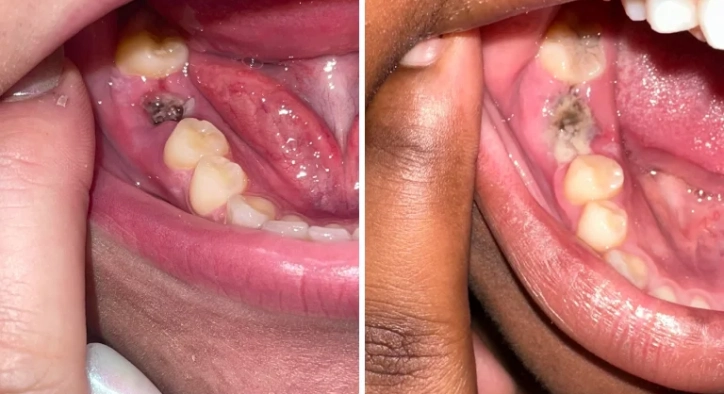
Undergoing a tooth extraction can be a source of significant anxiety, especially during the first few days of recovery. As the anesthesia wears off, most patients find themselves peering into the mirror, wondering: "what does a healthy socket look like after extraction?" It is a valid concern. The mouth is a unique healing environment—it is moist, high in bacteria, and constantly in motion.
At Stamboul Clinic, we prioritize patient education as much as surgical precision. Understanding the tooth extraction healing timeline allows you to recover with peace of mind. While the sight of a hole in your gums might be unsettling, your body has a highly sophisticated method for repairing the area. Recognizing a healthy socket after extraction is the first step in ensuring your recovery stays on track and avoiding the complications that lead to unnecessary discomfort.
Table of Content
- What Does a Healthy Socket Look Like?
- The Role of the Blood Clot: Your Body’s Natural Bandage
- Healthy Socket After Extraction: 24 Hours vs. 72 Hours
- Healthy Socket vs. Dry Socket: Key Differences to Watch For
- Why is My Extraction Site White?
- Factors That Promote a Healthy Recovery
- Post-Extraction Do’s and Don’ts: Protecting the Clot
- FAQ: Frequently Asked Questions
What Does a Healthy Socket Look Like?
When a dentist removes a tooth, a small hole remains in the alveolar bone. Immediately, the body begins the wound healing process normal socket after tooth extraction. In the first few hours, the primary indicator of a healthy tooth socket after extraction is a stable, deep-red blood clot. This clot fills the majority of the hole.
As the days progress, the appearance changes significantly. Many patients become alarmed when they see the color shift from red to white or creamy yellow. However, this is usually just white stuff in tooth extraction socket—medically known as granulation tissue or fibrin. In a normal socket after tooth extraction, the surrounding gum tissue will slowly start to pink up and tighten around the edges of the wound.
The Role of the Blood Clot: Your Body’s Natural Bandage
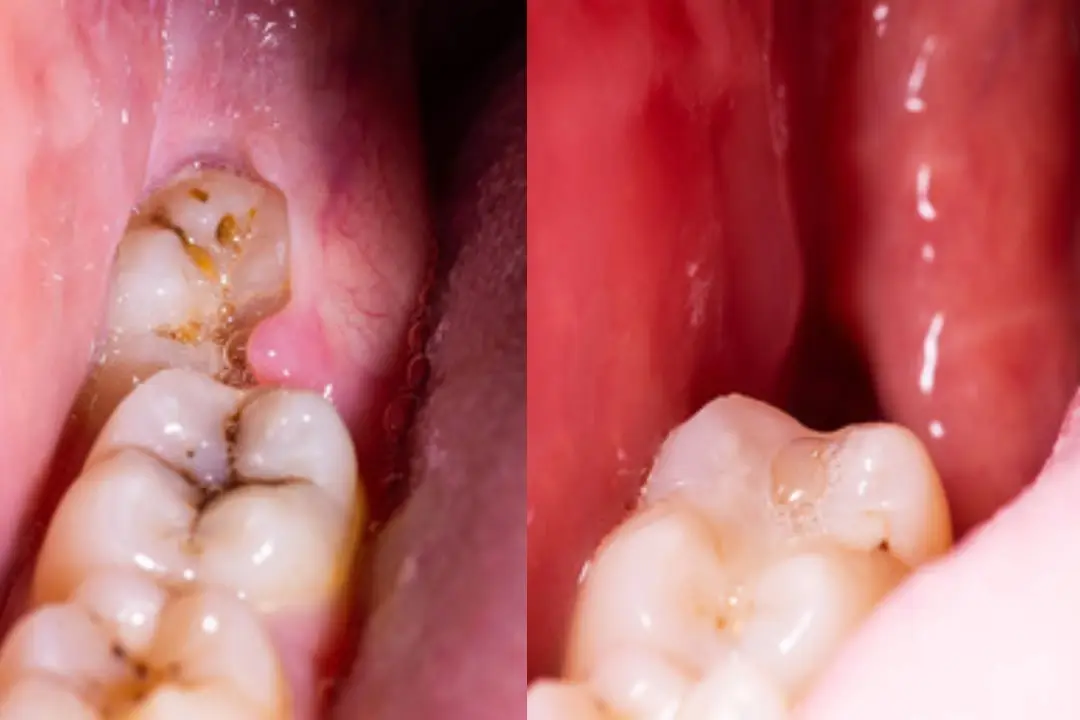
The blood clot healthy socket after extraction is the most critical element of your recovery. Think of it as a "biological bandage." It seals the underlying bone and nerve endings from the air, food particles, and bacteria. Without this clot, the healing process cannot proceed, and the patient is at high risk for a painful condition called alveolar osteitis.
A healthy socket after tooth extraction relies on this clot staying in place for the first 3 to 5 days. During this time, the clot serves as a scaffold for new tissue growth. If the clot is dislodged or fails to form, the bone is left exposed. This is why following post-operative instructions is vital; protecting the clot is the single most important thing a patient can do to ensure a healthy socket after extraction.
Healthy Socket After Extraction: 24 Hours vs. 72 Hours
Healing is not a static event; it is a rapid evolution. The tooth extraction healing stages are marked by distinct visual changes that occur almost every 24 hours. Knowing what to expect on day 3 healing normal socket after tooth extraction versus the first day can prevent unnecessary calls to the clinic.
Day 1: The Deep Red Clot
In the first 24 hours, the socket should look like a dark, jelly-like mass. It might be slightly swollen, and you may notice "oozing"—which is saliva mixed with a small amount of blood. This is perfectly normal. The focus on day one is purely on clot stabilization.
Day 3-5: The "White Stuff"
Around day 3 healing normal socket after tooth extraction, the site undergoes its most confusing phase. The deep red color fades, and a white or grayish film appears over the clot. This white stuff in tooth extraction socket is granulation tissue, consisting of new blood vessels, collagen, and white blood cells. Many patients mistake this for pus or food debris, but it is actually a sign of a high-functioning immune system.
Healthy Socket vs. Dry Socket: Key Differences to Watch For
The most common fear following a dental procedure is the dreaded dry socket. Understanding the difference between a healthy blood clot vs dry socket can save you a week of worry.
A healthy socket after tooth extraction will show a steady improvement in pain levels. By day 3 or 4, you should feel significantly better than you did on day 1. In contrast, dry socket symptoms typically emerge 3 to 5 days after the procedure. The pain doesn't just return; it intensifies. It is often described as a throbbing, radiating pain that travels toward the ear or temple. Visually, a dry socket looks "empty"—instead of a white or red clot, you may see bare, creamy-colored bone at the bottom of the hole.
Feature | Healthy Socket | Dry Socket |
Color | Red, then White/Gray (Fibrin) | Empty, visible bone |
Pain Level | Decreases daily | Increases sharply after Day 3 |
Clot | Present and stable | Missing or disintegrated |
Breath | Normal/Slightly metallic | Foul odor/Unpleasant taste |
Why is My Extraction Site White?
It is worth reiterating because it is the number one question we receive: "what does a healthy socket look like after tooth extraction when it turns white?"
This white appearance is usually fibrin, a protein that helps the blood clot. It can also be granulation tissue, which is the precursor to new gum tissue. In some cases, it might be a small amount of food debris. If the area is white but you are not in severe pain and there is no fever, you are likely looking at a healthy socket after extraction. However, if the white area is accompanied by swelling, a foul taste, and throbbing pain, it could be a sign of infection, and you should contact your dentist immediately.
Factors That Promote a Healthy Recovery
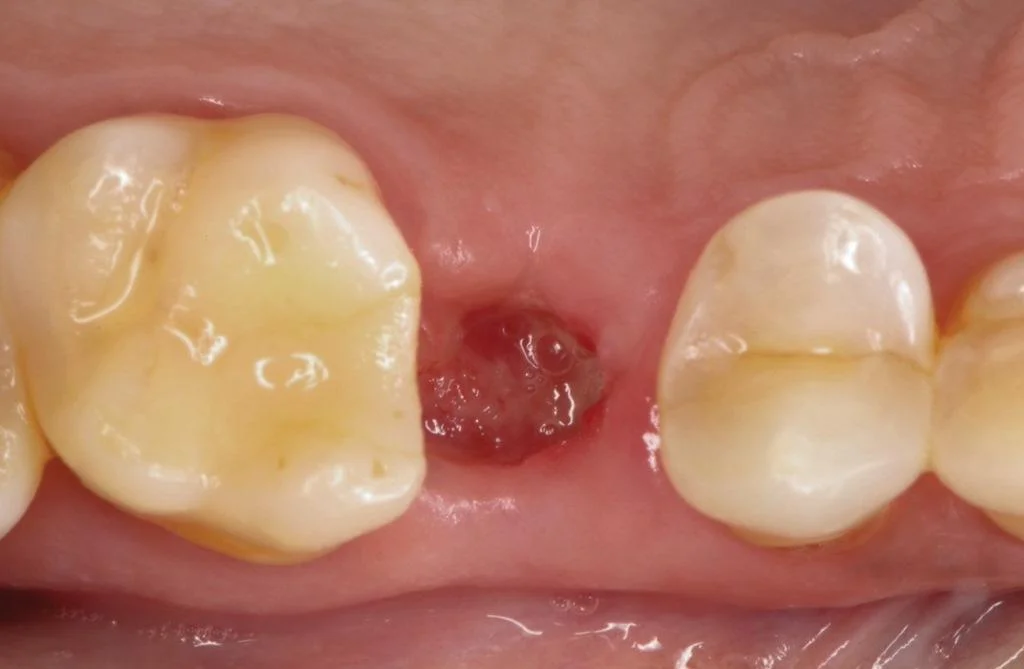
Achieving a healthy socket after extraction starts before you even leave the dental chair. At Stamboul, we utilize "atravmatic extraction" techniques, which minimize the force applied to the surrounding bone. This preserves the blood supply and makes the wound healing process normal socket after tooth extraction much smoother.
Other factors that influence a normal socket after tooth extraction include:
- Platelet-Rich Fibrin (PRF): Some clinics use the patient's own blood to create a concentrated healing plug, which accelerates the formation of a healthy socket after tooth extraction.
- Systemic Health: Patients with well-managed blood sugar and those who do not smoke tend to reach the day 7 healing normal socket after tooth extraction milestone much faster.
- Hydration: Water is essential for the production of saliva, which contains enzymes that protect the healing healthy socket after tooth extraction.
Post-Extraction Do’s and Don’ts: Protecting the Clot
To maintain a healthy socket after extraction, you must act as the guardian of your blood clot for the first few days. The mouth creates a vacuum easily, and that vacuum is the enemy of your recovery.
- Don't use straws: The suction can pull the blood clot healthy socket after extraction right out of its place.
- Don't smoke: The chemicals in cigarettes impair blood flow, and the physical act of inhaling creates suction that causes dry socket.
- Do eat soft foods: Stick to yogurts, smoothies (no straws!), and mashed potatoes for the first 48 hours to avoid poking the normal socket after tooth extraction.
- Do keep it clean: After the first 24 hours, very gentle salt water rinses can help keep the healthy tooth socket after extraction free of bacteria.
The Long-Term View: Day 7 and Beyond
By the time you reach day 7 healing normal socket after tooth extraction, the "danger zone" for dry socket has usually passed. The hole may still be visible—and it may stay visible for several weeks—but the sensitive nerves are now covered by a thick layer of new gum tissue.
Over the next month, the bone will continue to remodel underneath the surface. This is why, if you are planning on getting an implant, your surgeon will usually wait a few months. They are waiting for the healing healthy socket after tooth extraction to turn into solid, dense bone that can support a titanium post.
FAQ: Frequently Asked Questions
How do I tell if my socket is healing properly?
A healthy socket after extraction will show a dark red clot in the first 24 hours, followed by white/yellowish granulation tissue. Most importantly, your pain should decrease steadily each day.
Is dry socket a risk on day 3?
Yes, day 3 to day 5 is the peak window for dry socket. This is when the initial blood clot is most vulnerable to dissolving or being dislodged before the new tissue has fully covered the bone.
What is a healthy socket after extraction?
It is a socket where a blood clot has formed successfully, protecting the bone and allowing the body to begin the process of gum tissue regeneration and bone remodeling without infection or intense pain.
How do I know if my blood clot is still there?
If you look into the socket and see a dark mass or a white/grayish covering, the clot is likely still there. If you see an empty, dark hole and feel intense, radiating pain, the clot may have been lost.
Is it normal for a socket to smell after extraction?
A slight metallic smell or a minor change in breath is normal due to the presence of blood and a change in hygiene. However, a strong, foul "rotten" odor is often one of the dry socket symptoms or a sign of infection.
Über den Autor