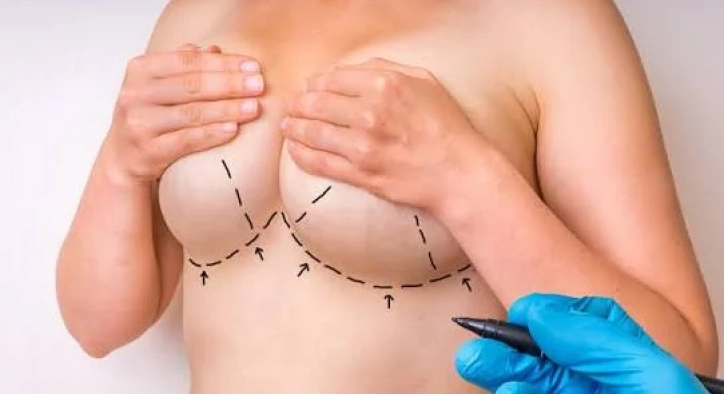
For women seeking a subtle, natural increase in bust volume, the prospect of synthetic silicone implants can present unwanted concerns. Fears of implant rupture, capsular contracture, foreign-body reactions, or the eventual need for revision surgery lead many to explore natural alternatives. When the aesthetic goal is a moderate 1-to-1.5 cup size increase, correction of breast asymmetry, or filling upper-pole hollowness, autologous fat grafting provides an organic solution. In modern aesthetic plastic surgery, breast augmentation with fat transfer represents the premier technique for simultaneously sculpting donor areas and enhancing the breasts with your own living tissue.
At Stamboul Clinic, we coordinate world-class autologous body contouring procedures within accredited, state-of-the-art hospital settings. Whether you are researching what is breast augmentation with fat transfer from a biological standpoint, evaluating clinical breast augmentation with fat transfer risks, exploring different types of breast augmentation with fat transfer, reviewing the breast augmentation with fat transfer recovery timeline, or analyzing global breast augmentation with fat transfer cost metrics, this comprehensive guide delivers deep clinical data and post-operative protocols.
Table of Content
- What Is Breast Augmentation with Fat Transfer?
- Methodologies: Types of Breast Augmentation with Fat Transfer
- Clinical Safety & Risk Management: Is Breast Augmentation with Fat Transfer Safe?
- Recovery Milestones: Breast Augmentation with Fat Transfer Recovery
- Breast Augmentation with Fat Transfer Before and After
- Evaluating Breast Augmentation with Fat Transfer Cost Globally
- Frequently Asked Questions (FAQ)
- What type of bra should I wear after breast augmentation with fat transfer?
- How much volume or cup size increase can I realistically achieve with fat transfer?
- What happens to my transferred breast fat if I gain or lose weight in the future?
- Can breast fat transfer interfere with future breast cancer screenings or mammograms?
- When can I safely return to working out, running, and sleeping on my side?
What Is Breast Augmentation with Fat Transfer?
To establish a clear medical foundation, let us answer a primary question: what is breast augmentation with fat transfer from a physiological perspective? Clinically defined as autologous fat grafting or lipofilling to the breasts, it is a comprehensive two-in-one surgical procedure performed under general anesthesia.
THE AUTOLOGOUS FAT TRANSFER SEQUENCE:
- [Stage 1: VASER / Gentle Liposuction] ➡️ Harvesting donor fat from abdomen, flanks, or thighs.
- [Stage 2: Sterile Processing] ➡️ Centrifugation / filtration to isolate pure, viable adipocytes and stem cells.
- [Stage 3: Multi-Layer Micro-Droplet Infiltration] ➡️ Structural grafting into subcutaneous and retromammary planes.
Stage 1: Donor Fat Harvesting
The surgeon uses gentle, low-pressure tumescent or Vaser liposuction to collect excess fat from designated donor sites, such as the lower abdomen, flanks (love handles), or outer thighs. This step slims the donor zones, creating an hourglass contour.
Stage 2: Purification and Isolation
The harvested lipoaspirate is processed in a closed, sterile filtration or centrifugation system. This separates pure, undamaged fat cells and regenerative adipose-derived stem cells (ADSCs) from blood, free lipids, and tumescent fluid.
Stage 3: Multi-Plane Micro-Infiltration
Using fine micro-cannulas, the plastic surgeon injects thousands of microscopic droplets into multiple structural layers: under the skin (subcutaneous), around the breast glandular tissue, and beneath the pectoral muscle (subpectoral). Placing the fat in tiny micro-droplets ensures that each living fat cell sits directly adjacent to healthy host capillaries to establish a permanent new blood supply (neovascularization).
Methodologies: Types of Breast Augmentation with Fat Transfer
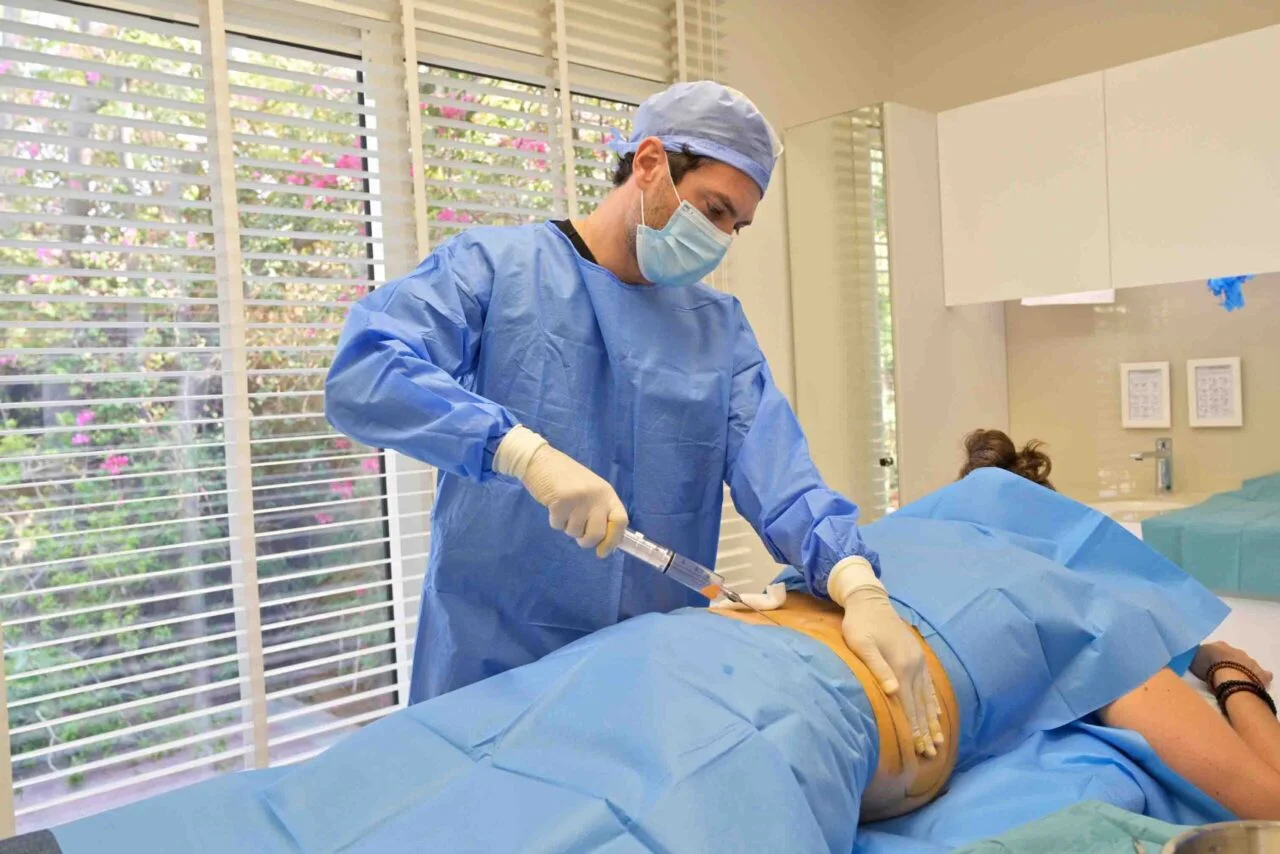
Depending on your starting breast anatomy, skin elasticity, and volume goals, several types of breast augmentation with fat transfer are utilized in modern practice:
FAT TRANSFER BREAST AUGMENTATION MODALITIES:
- Primary Pure Lipofilling: 100% autologous fat grafting; provides 1 to 1.5 cup size increase and natural softness.
- Hybrid / Composite Augmentation: Combines smaller silicone implants with fat grafting over edges for seamless transitions.
- Reconstructive Grafting: Fills contour defects, lumpectomy hollows, or rippling from previous breast surgeries.
1. Primary Pure Autologous Lipofilling
This approach relies exclusively on your own body fat. It is ideal for patients with adequate donor fat reserves who desire a modest, natural enlargement (typically 100 to 200 cc per breast), enhanced cleavage fullness, or correction of minor developmental breast asymmetry.
2. Hybrid (Composite) Breast Augmentation
Composite breast augmentation pairs a modern silicone implant with autologous fat grafting in a single operation. The implant provides central projection and structure, while the transferred fat is layered over the upper and inner borders. This conceals implant edges, prevents visible rippling in thin patients, and delivers a softer cleavage transition.
Clinical Safety & Risk Management: Is Breast Augmentation with Fat Transfer Safe?
When researching natural augmentation, patients routinely ask: is breast augmentation with fat transfer safe for long-term health and cancer screenings?
SAFETY AND GRAFT SURVIVAL PROFILE:
- Fat Retention Rate: ~60% to 75% of transferred fat cells permanently establish vascularization.
- Foreign-Body Risk: 0% risk of capsular contracture, silicone rupture, or implant illness.
- Mammography Safety: Modern digital mammograms and breast MRI easily differentiate benign oil cysts from microcalcifications.
Modern autologous fat grafting is exceptionally safe when performed by experienced board-certified plastic surgeons. Because the procedure uses your own living tissue, there is zero risk of allergic rejection, implant rupture, or capsular contracture.
Evaluating specific breast augmentation with fat transfer risks involves understanding tissue survival dynamics:
- Fat Necrosis & Oil Cysts: If fat is injected in large boluses rather than micro-droplets, some cells may not receive adequate blood supply and break down, forming small, benign oil cysts or firm spots.
- Partial Resorption: Between 25% and 40% of transferred fat is naturally metabolized and reabsorbed by the body during the first 3 months. Surgeons account for this by slightly overfilling or planning a second session if larger volume is desired.
- Mammogram Differentiation: Radiologists specializing in breast imaging use digital mammography and ultrasound to easily distinguish harmless post-lipofilling fat calcifications from true breast abnormalities.
Recovery Milestones: Breast Augmentation with Fat Transfer Recovery
Understanding the biological timeline of breast augmentation with fat transfer recovery ensures optimal fat retention and smooth healing across all operative areas:
THE POST-OPERATIVE RECOVERY TIMELINE:
- - Weeks 1 to 2: Acute Phase ➡️ Wearing compression garments on donor zones; soft, non-wired bra; no chest pressure.
- - Weeks 3 to 6: Vascularization ➡️ Transferred fat cells anchor to capillaries; initial donor bruising resolves.
- Months 3 to 6: Final Volume Stabilization ➡️ Swelling clears; surviving fat cells become a permanent part of your breasts.
During the initial 6 weeks, patients must strictly avoid sleeping on their stomach and must not wear underwire or tight push-up bras. Direct mechanical pressure compresses delicate new capillary buds, reducing fat graft survival. Once the 3-to-6-month milestone is reached, surviving fat cells remain permanently and will naturally expand or shrink with future body weight fluctuations.
Breast Augmentation with Fat Transfer Before and After
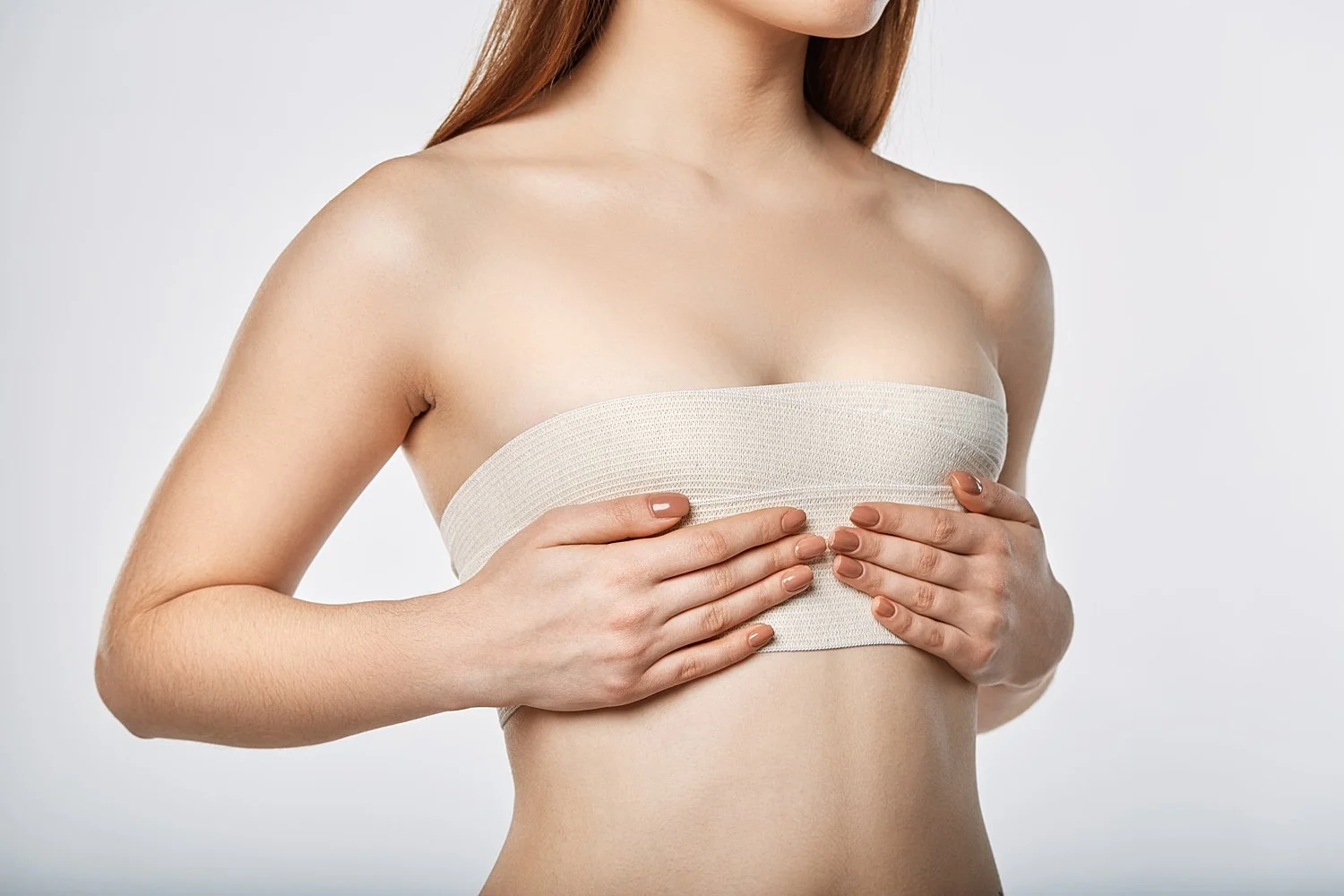
Reviewing unedited breast augmentation with fat transfer before and after patient profiles illustrates how natural volume, upper-pole fullness, and donor-site slimming combine to create a balanced figure:
By avoiding synthetic implants, the breasts retain their natural movement, anatomical teardrop slope, and soft texture. Furthermore, harvesting donor fat simultaneously tightens and contours the waistline, hips, or thighs, enhancing overall body balance.
Evaluating Breast Augmentation with Fat Transfer Cost Globally
A major consideration when planning autologous body contouring is the total financial investment. Prospective patients routinely compare the overall breast augmentation with fat transfer cost across international healthcare hubs.
In the United States, Canada, the UK, and Western Europe, fat grafting to the breasts is classified as a multi-procedure surgery (requiring both liposuction and specialized fat purification). Total costs in Western private clinics range from $8,000 to $16,000+.
Selecting an all-inclusive package in Istanbul allows international patients to access board-certified plastic surgeons and accredited hospital facilities through transparent, fixed pricing. The table below outlines structural pricing comparisons for 2026:
Healthcare Destination / Hub | Primary Pure Fat Transfer Range | Hybrid / Composite Augmentation Range | Package Inclusions |
United States (USA) | $8,000 – $14,000 USD | $11,000 – $18,000 USD | Surgery Only (Facility & Checks Extra) |
United Kingdom (UK) | £6,500 – £11,000 GBP | £9,000 – £14,500 GBP | Surgery Only (Consults & Garments Extra) |
Germany / Switzerland | €7,000 – €12,500 EUR | €9,500 – €16,000 EUR | Surgery Only (Hospital & Meds Extra) |
Stamboul (Turkey) | €3,100 – €4,400 EUR | €3,800 – €5,200 EUR | All-Inclusive (Hotel, VIP Transfers & Garments) |
Frequently Asked Questions (FAQ)
What type of bra should I wear after breast augmentation with fat transfer?
You must wear a loose-fitting, seamless, non-wired cotton bra or sports crop top without cups or compression for the first 6 weeks. Avoid underwires, structured padding, and tight push-up bras, as direct pressure on the breast skin restricts blood flow to the newly transferred fat cells and causes premature graft reabsorption.
How much volume or cup size increase can I realistically achieve with fat transfer?
A single session of autologous fat transfer safely provides an increase of approximately 1 to 1.5 cup sizes (roughly 150 to 250 cc of fat per breast). The maximum volume is limited by the natural elasticity of your breast skin envelope and the space available for capillary blood supply. Patients desiring a larger increase can schedule a secondary session 6 months later.
What happens to my transferred breast fat if I gain or lose weight in the future?
Transferred fat cells retain their natural biological memory. Once vascularized, they behave exactly like the fat cells in your donor area. If you lose weight in the future, your breasts will lose some volume proportionally; if you gain weight, the breasts will expand naturally alongside the rest of your body.
Can breast fat transfer interfere with future breast cancer screenings or mammograms?
No. While minor fat necrosis can occasionally produce small, benign microcalcifications or oil cysts, modern high-resolution digital mammography, ultrasound, and breast MRI allow trained radiologists to distinguish these changes from cancerous tissue without difficulty. Always inform your radiologist that you have had an autologous fat transfer procedure prior to screening.
When can I safely return to working out, running, and sleeping on my side?
Light walking is encouraged starting on day 1 to promote blood circulation. Desk work and light daily routines can be resumed after 7 to 10 days. However, intense upper-body workouts, chest presses, running, and sleeping on your stomach or side must be avoided for 6 to 8 weeks to protect the newly established micro-vascular graft network.
Über den Autor