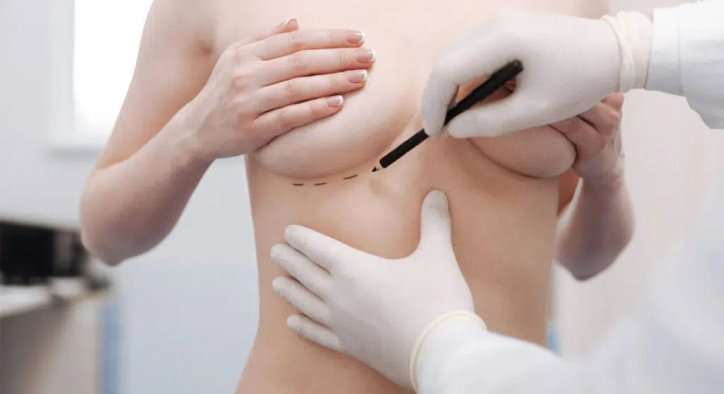
Living with disproportionately large, heavy, or severely sagging breasts (macromastia and severe ptosis) introduces significant physical discomfort and emotional strain into daily life. Beyond the challenge of finding supportive clothing or fitting into standard bras, excessive breast weight places relentless biomechanical stress on the spine. Patients routinely endure chronic upper back pain, neck tension, shoulder grooving from tight bra straps, painful skin rashes under the inframammary fold, and posture degradation. When physical therapy and specialized sports bras fail to provide relief, combining tissue volume reduction with structural elevation offers a permanent, life-changing solution.
At Stamboul Clinic, we coordinate world-class plastic and reconstructive surgeries within fully accredited, state-of-the-art surgical hospital settings. Whether you are researching choices to relieve chronic physical discomfort, evaluating how much is a breast reduction and lift across global healthcare hubs, looking into breast reduction and lift recovery timelines, or analyzing long-term breast reduction and lift results, this comprehensive clinical guide delivers deep medical insights and post-operative protocols.
Table of Content
- What Is Breast Reduction and Lift Surgery? The Combined Surgical Architecture
- Surgical Techniques and Incision Scars
- Tracking Breast Reduction and Lift Before and After Milestones
- Evaluating the Breast Reduction and Lift Cost Globally
- Frequently Asked Questions (FAQ)
- Can I sleep on my side after a breast reduction and lift surgery?
- How long do I need to wear the surgical compression bra post-operatively?
- Will I lose nipple sensation after a combined reduction and lift?
- How much weight in breast tissue is typically removed during surgery?
- When can I safely return to exercise and heavy lifting after recovery?
What Is Breast Reduction and Lift Surgery? The Combined Surgical Architecture
To establish a clear medical foundation, let us answer a primary question: what happens during a breast reduction and lift surgery from a biomechanical perspective? Clinically known as a reduction-mastopexy, this procedure combines two distinct surgical goals into a single operative session under general anesthesia.
THE COMBINED REDUCTION-MASTOPEXY ARCHITECTURE:
- [Tissue Resection] ➡️ Excision of excess glandular tissue, fat, and stretched skin.
- [Glandular Reshaping] ➡️ Sculpting remaining breast tissue into a firmer, self-supporting cone.
- [Nipple Elevation] ➡️ Repositioning the nipple-areola complex to a youthful central height on a vascular pedicle.
While a standalone reduction removes weight and a standalone mastopexy addresses skin laxity without changing volume, a combined procedure addresses both problems simultaneously. By excising dense glandular tissue, reshaping the underlying breast mound, reducing enlarged areolas, and securing the tissue to the chest wall, the surgeon restores balanced proportions while maintaining vital blood supply and nerve sensation.
Surgical Techniques and Incision Scars
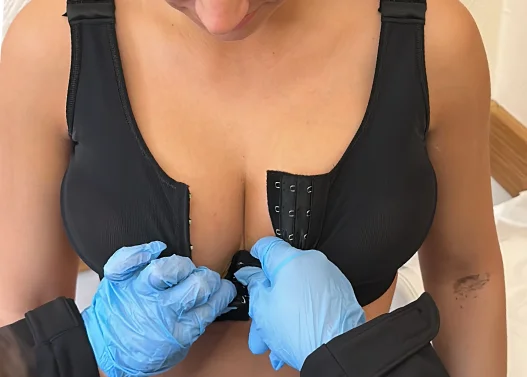
Selecting the appropriate surgical incision pattern depends on your initial breast volume, the degree of sagging (ptosis), and your target cup size.
SURGICAL INCISION METHODOLOGIES:
- Vertical (Lollipop) Technique: Recommended for moderate volume reduction and mild-to-moderate ptosis.
- Inverted-T (Wise Pattern / Anchor): Ideal for substantial volume removal and severe breast ptosis.
1. Vertical (Lollipop) Reduction-Mastopexy
The vertical technique utilizes two incisions: one circular incision around the perimeter of the areola and a vertical incision running straight down from the lower border of the areola to the inframammary fold. This approach removes moderate amounts of excess tissue and skin while keeping surgical scarring contained, making it suitable for moderate cup-size adjustments.
2. Inverted-T (Anchor / Wise Pattern) Technique
For patients requiring substantial tissue removal (often 500 grams or more per breast) and significant elevation of heavily sagging tissue, the inverted-T technique is the clinical gold standard. This pattern adds a third horizontal incision along the natural fold beneath the breast. Though it leaves a larger scar pattern, it allows the surgeon maximum control to sculpt a firm, youthful breast mound with total structural longevity.
Tracking Breast Reduction and Lift Before and After Milestones
Reviewing unedited, genuine breast reduction and lift before and after patient profiles illustrates how structural healing and scar maturation evolve across a natural post-operative timeline:
THE CHRONOLOGICAL RECOVERY TIMELINE:
- - Weeks 1 to 2: Acute Healing Phase ➡️ Wearing a surgical compression bra; acute swelling clears; drain removal.
- - Weeks 3 to 6: Tissue Softening ➡️ Incisions form secure pink lines; light daily work and gentle walking resume.
- Months 3 to 6: Drop-and-Fluff Phase ➡️ Swelling subsides; the breast mound settles into its final natural shape.
- - Month 12+: Final Maturity ➡️ Incisions fade to thin white lines; full relief from chronic back and neck pain.
By the 6-month milestone, clinical breast reduction and lift results show a dramatic transformation. Beyond achieving a symmetrical, elevated bustline that fits comfortably in standard clothing, patients report immediate relief from spinal tension, improved posture, and a renewed ability to participate in active sports and exercise without discomfort.
Evaluating the Breast Reduction and Lift Cost Globally

A major consideration before embarking on reconstructive breast surgery is the financial investment. Prospective patients routinely research the overall cost of breast reduction and lift procedures or ask how much is a breast reduction and lift across different healthcare hubs globally.
In the United States, Canada, the UK, and Western Europe, combined plastic surgery procedures incur separate surgeon fees, operating room expenses, general anesthesia bills, and facility charges. This pushes the average breast reduction and lift cost in Western regions up to $9,000 to $18,000+.
Selecting a specialized clinic in Istanbul allows international patients to access board-certified plastic surgeons and accredited hospital facilities through transparent, all-inclusive package pricing. The table below outlines structural pricing comparisons for 2026:
Healthcare Destination / Hub | Average Financial Investment (USD / EUR) | Included Surgical & Package Amenities |
United States (USA) | $9,000 – $18,000 USD | Surgery Only (Facility & Anesthesia Extra) |
United Kingdom (UK) | £7,500 – £12,000 GBP | Surgery Only (Consultations & Garments Extra) |
Germany / Switzerland | €7,500 – €11,500 EUR | Surgery Only (Aftercare & Medications Extra) |
Stamboul (Turkey) | €3,200 – €4,800 EUR | All-Inclusive (Hospital Stay, Hotel, VIP Transfers & Aftercare) |
Frequently Asked Questions (FAQ)
Can I sleep on my side after a breast reduction and lift surgery?
You must strictly avoid sleeping on your stomach or side for at least 4 to 6 weeks after surgery. Sleeping flat on your back with your upper torso elevated on two or three pillows at a 30-to-45-degree angle reduces localized swelling, prevents direct pressure on the healing incisions, and keeps the repositioned breast tissue properly aligned.
How long do I need to wear the surgical compression bra post-operatively?
You must wear the specialized seamless surgical compression bra 24/7 (removing it only briefly for showering) for the first 4 to 6 weeks. This medical garment supports the healing internal tissues, reduces post-operative edema, and prevents tension on the healing scar lines. Standard underwire bras should be avoided until your surgeon clears them, typically after 8 weeks.
Will I lose nipple sensation after a combined reduction and lift?
Temporary changes or partial numbness in nipple sensation are common during the first few weeks as delicate cutaneous nerves recover from surgical manipulation. However, because modern surgical techniques maintain the nipple-areola complex on a vital neurovascular tissue pedicle, permanent loss of sensation is rare, and normal feeling typically returns within 3 to 6 months.
How much weight in breast tissue is typically removed during surgery?
The amount of tissue resected depends on your pre-operative size, chest wall frame, and personal physical goals. Surgeons routinely remove anywhere from 300 grams to over 1,000 grams (roughly 1 to 4 cup sizes) per breast to achieve an ideal physical balance and relieve spinal strain.
When can I safely return to exercise and heavy lifting after recovery?
Light walking is encouraged starting on the first day after surgery to promote healthy blood circulation. However, strenuous cardiovascular workouts, heavy lifting (anything over 2-3 kg), upper-body strength training, and high-impact sports must be strictly avoided for 6 to 8 weeks to prevent wound separation and internal bleeding.
Über den Autor