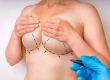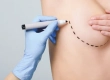
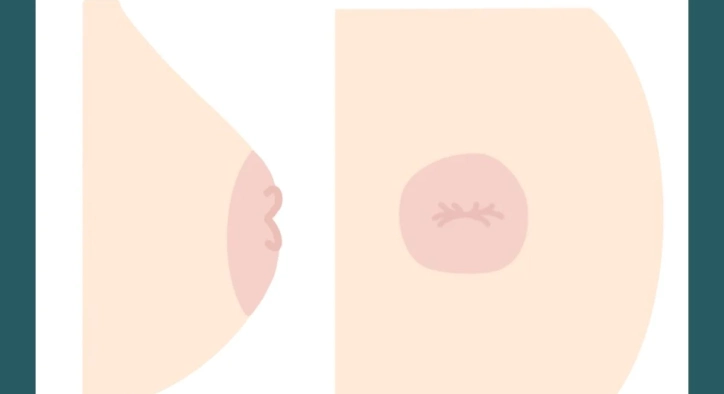
Breast and areolar symmetry directly influence personal self-esteem, intimate confidence, and functional nursing capacity. However, millions of women and men possess nipples that fold inward, lie flat against the areola, or remain retracted inside the breast tissue. This condition, clinically recognized as nipple inversion or umbilicated nipple, frequently leads to chronic hygiene challenges, keratin debris accumulation, recurrent areolar dermatitis, and psychological inhibition in intimate or athletic environments. While external suction devices such as an inverted nipple corrector claim to draw the nipple outward, non-surgical methods rarely provide lasting structural change for moderate to severe cases. In contemporary plastic and reconstructive breast surgery, modern inverted nipple surgery provides a permanent, outpatient solution to restore natural nipple projection.
Table of Content
- What Is an Inverted Nipple? Grading Systems and Normal Anatomy
- Treatment Modalities: Non-Surgical Correctors vs. Surgical Repair
- Sensation and Lactation: Duct-Sparing vs. Complete Release
- Incisions, Scars, and Recovery: What to Expect Post-Operatively
- Visual Proof: Inverted Nipple Surgery Before and After Outcomes
- Cost Determinants: Understanding Price Variables and Estimates
- Frequently Asked Questions (FAQ)
- Can I still breastfeed after undergoing inverted nipple surgery?
- Will I lose sensation in my nipples after inverted nipple surgery?
- How do I know if my inverted nipple is caused by breast cancer?
- How long do I have to wear a protective guard or dressing over the nipple?
- Why do inverted nipple correction prices vary between different patients?
What Is an Inverted Nipple? Grading Systems and Normal Anatomy
To establish a clear medical foundation, let us answer a primary question: is inverted nipple normal from an anatomical standpoint? Congenital nipple inversion occurs in approximately 2% to 10% of women (and a smaller percentage of men) due to developmental variations where the lactiferous (milk) ducts fail to elongate in proportion to breast tissue expansion during puberty.
THE 3 CLINICAL GRADES OF NIPPLE INVERSION:
- Grade 1: The nipple can be easily pulled out with gentle manual pressure and maintains its projection for a period without retracting immediately.
- Grade 2: The nipple can be pulled out manually, but it retracts immediately upon release; moderate underlying stromal fibrosis is present.
- Grade 3: The nipple is deeply inverted, cannot be pulled out manually at all, and exhibits severe duct shortening and dense tethering bands.
Congenital Inversion vs. Inverted Nipple Breast Cancer Warning Signs
When a patient has possessed an inverted nipple since puberty, the condition is benign and congenital. However, a sudden, newly acquired inversion in one breast (unilateral retraction) in an adult woman requires immediate diagnostic evaluation. An inverted nipple breast cancer presentation, such as an underlying invasive ductal carcinoma or Paget's disease of the breast, can cause acute retraction by tethering Cooper's ligaments and lactiferous channels from behind the areola. Any newly developing inversion must be assessed via clinical mammography and high-resolution ultrasound prior to elective cosmetic surgery.
Treatment Modalities: Non-Surgical Correctors vs. Surgical Repair
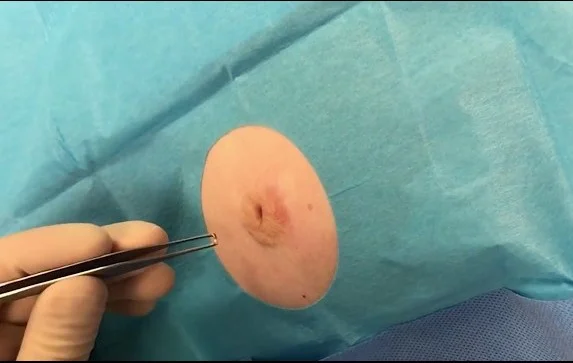
Navigating inverted nipple treatment requires evaluating the physical limitations of suction tools against definitive surgical release.
TREATMENT MODALITIES OVERVIEW:
- External Nipple Corrector (Suction Cup): Applies gentle negative pressure; effective mainly for Grade 1; high relapse rate in Grade 2/3.
- Duct-Preserving Microsurgery: Releases tethering bands while preserving central milk ducts to maintain breastfeeding.
- Complete Duct Release Surgery: Divides tight fibrous tissue and all shortened ducts; offers permanent projection for Grade 3.
The Physical Limits of an Inverted Nipple Corrector
An inverted nipple corrector uses small silicone or plastic vacuum thimbles worn over the areola to exert continuous negative traction, theoretically stretching the fibrous tissue. While this can offer temporary projection in mild Grade 1 cases, it cannot lengthen dense, collagenous fibrotic cords present in Grade 2 and Grade 3 inversion. For most patients, suction devices offer brief projection that disappears hours after removal.
Surgical Release Techniques
Permanent correction requires a 30-to-45-minute outpatient surgery under local anesthesia. The surgeon makes a tiny 2 to 4 mm incision along the base of the nipple, carefully releases the shortened fibrous tethering bands that pull the areola inward, and places internal criss-cross supporting sutures (traction purse-string technique) beneath the nipple base to prevent it from dropping back into the breast tissue.
Sensation and Lactation: Duct-Sparing vs. Complete Release
Patients considering surgery routinely ask whether the procedure affects tactile nipple sensation and future nursing ability.
SURGICAL METHOD SELECTION:
- - Duct-Sparing Technique: Micro-dissection isolates and preserves central milk ducts; retains lactation potential; higher recurrence risk.
- Complete Division Method: Divides all tethering ducts; eliminates retraction pull permanently; sacrifices future breastfeeding capability.
Clinical Parameter | Duct-Sparing Micro-Dissection | Complete Duct Division Technique |
Primary Indication | Grade 1 and mild Grade 2 inversion | Severe Grade 2 and severe Grade 3 inversion |
Future Breastfeeding Ability | Preserved (Central ducts remain intact) | Sacrificed (Milk ducts are transected) |
Long-Term Relapse Risk | Low to Moderate (Tissue elasticity dependent) | Extremely Low (Zero inward traction forces) |
Tactile Sensation Retention | Preserved (Lateral sensory nerves avoided) | Preserved (Nerve plexuses remain largely intact) |
Operative Infiltration | Micro-fine scissors via sub-areolar margin | Full sub-areolar fibrous release |
If a patient plans to nurse in the future, the plastic surgeon prioritizes a duct-sparing approach. For patients who have completed childbearing or present with severe Grade 3 inversion, complete duct division provides definitive, lifelong projection.
Incisions, Scars, and Recovery: What to Expect Post-Operatively
Understanding post-operative protocols ensures stable healing and preserves outward projection.
THE POST-OPERATIVE RECOVERY TIMELINE:
- Days 1 to 3: Acute Protection ➡️ External plastic protective cup or splint worn over dressings to eliminate bra friction.
- Days 7 to 10: Suture Clearance ➡️ Fine areolar sutures removed or fully dissolved; return to standard light desk work.
- Weeks 2 to 4: Tissue Integration ➡️ Internal scar tissue forms beneath the nipple base, providing stable natural support.
- Months 2 to 3: Final Maturation ➡️ Incision lines fade into natural areolar pigment; tactile sensation normalizes.
Because the surgical access points are hidden along the border between the nipple base and the areola, post-operative scarring is virtually invisible once the areolar skin matures. Patients wear a protective dome shield inside a loose, non-wired cotton bra for the first 10 to 14 days to shield the freshly projected nipple from direct pressure.
Visual Proof: Inverted Nipple Surgery Before and After Outcomes
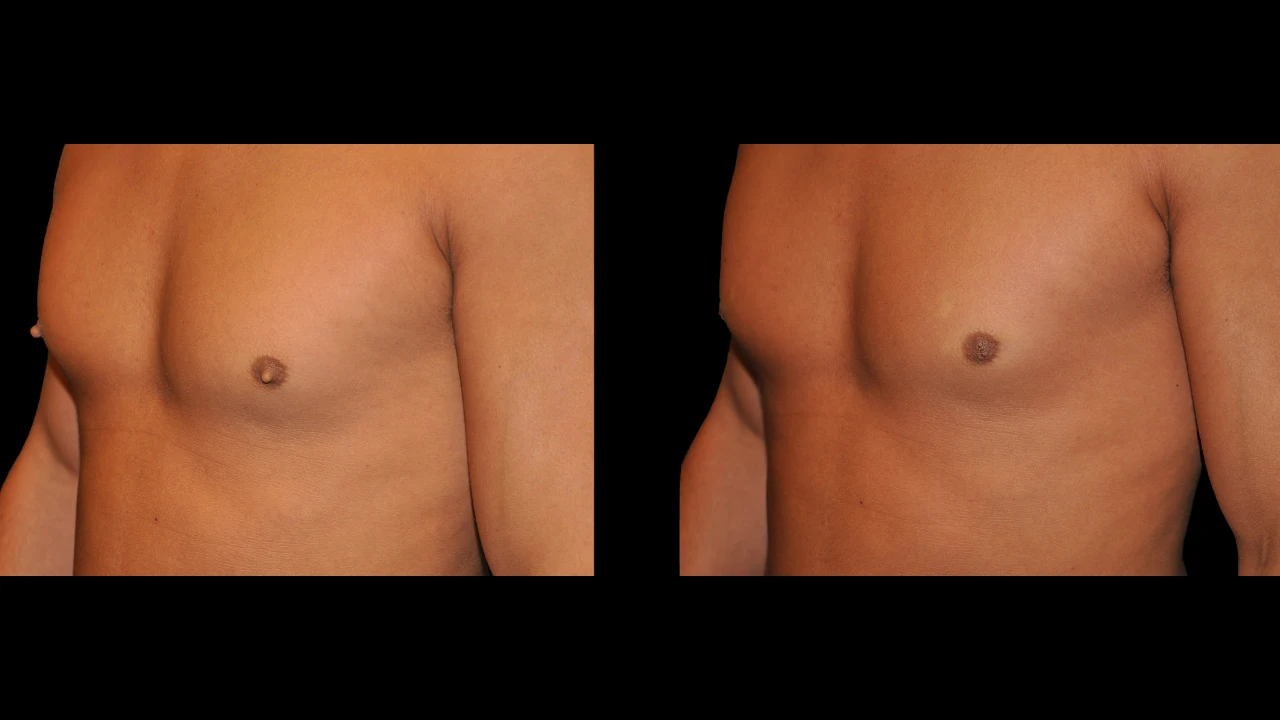
Reviewing unedited inverted nipple surgery before and after patient profiles illustrates how releasing tethered tissue restores natural nipple projection and symmetrical areolar balance:
Modern surgical techniques avoid an over-projected or distorted appearance. By placing internal biological support sutures beneath the nipple base, the nipple maintains a soft, natural conical contour that responds to temperature changes and touch without retracting back into the breast tissue.
Cost Determinants: Understanding Price Variables and Estimates
When evaluating corrective nipple surgery, prospective patients should note that surgical fees are customized rather than based on a single fixed rate. The overall inverted nipple correction cost is influenced by several clinical and logistical variables:
- Bilateral vs. Unilateral Correction: Correcting a single inverted nipple requires less operative time than addressing bilateral inversion across both breasts.
- Inversion Grade and Surgical Technique: Severe Grade 3 cases with dense stromal fibrosis require complex micro-dissection, which alters surgical duration compared to simpler Grade 1 releases.
- Combination with Complementary Breast Procedures: Inverted nipple repair is frequently combined with breast augmentation, breast reduction, or a mastopexy (breast lift), which shares facility and anesthesia overhead.
- Anesthesia and Facility Setting: Performing the procedure under local anesthesia in an outpatient surgical suite incurs lower facility charges than utilizing deep intravenous sedation or general anesthesia in an accredited hospital operating room.
- Comprehensive Logistics: All-inclusive medical packages encompassing VIP airport transfers, hotel accommodations, and certified post-operative medical care kits shape variable pricing tiers.
Because surgical plans are customized to individual anatomy, exact quotations are established following a personalized clinical evaluation. The matrix below outlines relative regional price structures for 2026:
Healthcare Destination / Region | Cost Structure & Price Variability | Relative Price Level | Typical Package Framework |
United States (USA) | High variability by surgeon & state | High | Procedure Only (Facility, Meds & Checks Extra) |
United Kingdom (UK) | Variable by private clinic & grade | High | Procedure Only (Consultations & Aftercare Invoiced Separately) |
Germany / Switzerland | Variable by medical fee scale (GOÄ) | Moderate to High | Procedure Only (Hospital & Checks Invoiced Separately) |
Stamboul (Turkey) | Dynamic Custom Package | High Value / Accessible | Comprehensive (Hotel Stay, VIP Transfers & Full Care Kit) |
Frequently Asked Questions (FAQ)
Can I still breastfeed after undergoing inverted nipple surgery?
Whether you can breastfeed after surgery depends on your inversion grade and the surgical technique used. If your surgeon performs a duct-sparing micro-dissection, the central milk ducts remain intact, preserving lactation capability. However, in severe Grade 3 inversion where shortened milk ducts are the primary tethering force, completely transecting the ducts is necessary to achieve permanent outward projection, which eliminates future breastfeeding from that breast.
Will I lose sensation in my nipples after inverted nipple surgery?
Permanent loss of nipple sensation is rare. The primary sensory nerves of the nipple enter from the lateral deeper borders rather than directly through the central tethering bands. While mild temporary numbness, tingling, or heightened sensitivity is normal for the first 2 to 6 weeks, normal tactile sensation typically returns as nerve endings recover.
How do I know if my inverted nipple is caused by breast cancer?
If you have had inverted or flat nipples since your teenage years, the condition is benign and congenital. However, if a previously normal, protruding nipple suddenly pulls inward, becomes inverted on only one side, exhibits a hard lump behind the areola, or produces spontaneous bloody discharge, this can be a warning sign of breast cancer. You should immediately consult a breast specialist for a clinical breast examination, mammography, and ultrasound.
How long do I have to wear a protective guard or dressing over the nipple?
You should wear a small protective dome dressing, plastic guard, or loose gauze pad inside your bra for the first 10 to 14 days. This prevents tight clothing or bra fabric from flattening the newly projected nipple while the internal sutures and structural scar tissue mature beneath the base.
Why do inverted nipple correction prices vary between different patients?
Pricing varies because treatment plans depend on whether one or both nipples are operated on, the severity of the inversion (Grade 1 vs. Grade 3), whether the procedure is performed as an isolated local outpatient surgery or combined with breast implants/lifts, and the specific surgical method required to release the tethering tissue.
Über den Autor