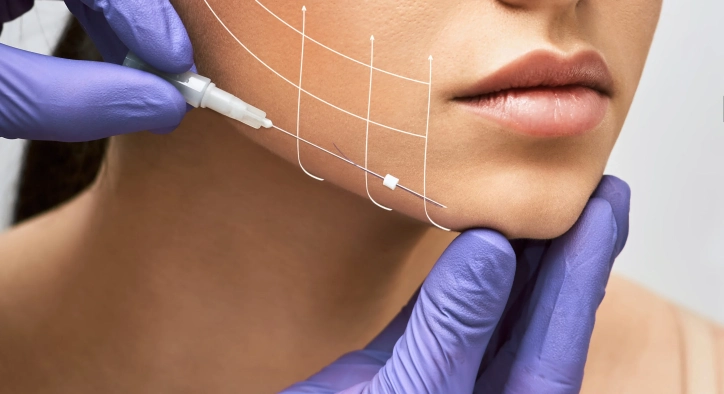
A chiseled facial framework defined by prominent zygomatic arches (cheekbones) and a sculpted submalar hollow serves as a universal marker of elegance and physical definition. However, many individuals maintain low body fat percentages and lean athletic builds yet retain persistently full, rounded lower cheeks. Often referred to as "chipmunk cheeks" or a permanent baby face, this localized volume is caused by enlarged encapsulated deep fat collections that do not diminish through rigorous caloric restriction or cardiovascular workouts. In modern facial plastic surgery, buccal fat removal (clinically known as bichectomy) represents the definitive, scarless intraoral procedure to contour full lower cheeks and sculpt natural facial shadows.
At Stamboul Clinic, we coordinate specialized facial aesthetic procedures within accredited hospital facilities in Istanbul. Whether you are researching an all-inclusive medical trip to Turkey, seeking anatomical clarity on what is buccal fat removal, examining tailored considerations for buccal fat removal men, analyzing genuine tissue transitions in buccal fat removal before and after patient profiles, or evaluating dynamic variables behind buccal fat removal cost and how much is buccal fat removal, this comprehensive clinical guide provides deep surgical insights and post-treatment recovery protocols.
Table of Content
- What Is Buccal Fat Removal?
- Tailored Architecture: Buccal Fat Removal for Men
- Age-Related Safety: Preventing Premature Facial Aging
- Healing Milestones: Recovery Roadmap and Diet Protocol
- Buccal Fat Removal Before and After Transformations
- Cost Determinants: Understanding Price Variables and Estimates
- Frequently Asked Questions (FAQ)
What Is Buccal Fat Removal?
To establish a clear medical foundation, let us answer a primary question: what is buccal fat removal from a craniofacial perspective? Clinically defined as a partial bichectomy, this is an outpatient surgical procedure performed under local anesthesia with sedation or general anesthesia that targets the encapsulated deep adipose collection nestled between the buccinator and masseter muscles.
THE BICHECTOMY SURGICAL SEQUENCE:
[Topical & Infiltration Anesthesia] ➡️ [1 cm Intraoral Incision (Opposite Upper 2nd Molar)] ➡️ [Buccinator Muscle Fiber Separation] ➡️ [Gentle Herniation of the Buccal Fat Pad] ➡️ [Controlled Partial Resection & Hemostasis] ➡️ [Dissolvable Sutures]
The Difference Between Superficial and Deep Facial Fat
The human face contains two distinct types of adipose tissue:
- Subcutaneous Fat: This superficial layer rests directly beneath the skin and fluctuates with overall body weight changes.
- The Buccal Fat Pad (Corpus Adiposum Buccae): This deep, specialized fat collection serves as a biological gliding pad for the muscles of mastication. Because it is anatomically isolated inside a fibrous capsule, its volume is predominantly genetically determined and remains largely immune to exercise or diet. During surgery, only the anterior buccal extension is conservatively reduced, preserving deep temporal and pterygoid lobes to prevent premature facial hollowing.
Tailored Architecture: Buccal Fat Removal for Men
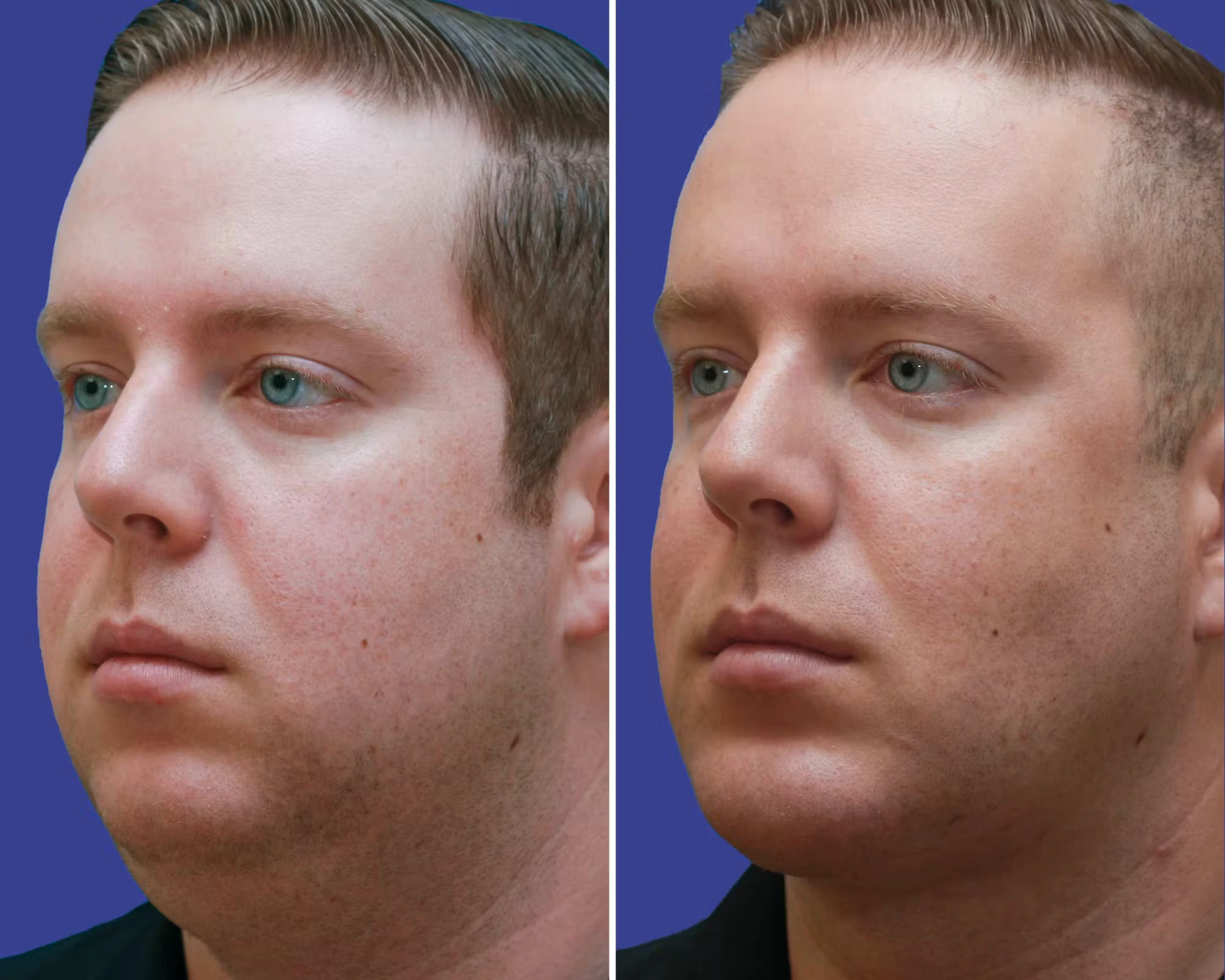
Facial sculpting protocols for buccal fat removal men require specific anatomical planning to maintain masculine angularity without over-feminizing facial contours.
GENDER-SPECIFIC CONTOURING TARGETS:
- Female Aesthetic Target: Soft heart-shaped contour, delicate submalar hollow, pronounced oblique cheek shadow.
- Male Aesthetic Target: Straight, sharp submalar transition, enhanced angularity connecting cheekbone to mandibular jawline.
In male patients, overly full lower cheeks soften the jawline, creating the optical illusion of a weaker chin or excess body weight. When performing surgery on men, the plastic surgeon takes a conservative resection approach, removing approximately 40% to 60% of the pad rather than an aggressive clearance. This carves out a defined submalar shadow beneath the cheekbones while strengthening the appearance of a wide, chiseled jawline.
Age-Related Safety: Preventing Premature Facial Aging
A primary question among prospective patients is whether removing cheek fat will cause a sunken, prematurely aged appearance in later years.
THE CONSERVATIVE REDUCTION PROTOCOL:
- Proper Candidate Selection: Thick lower cheek tissue, round or square facial shape, stable adult weight.
- Controlled Partial Resection: Removing roughly 2 to 3 cc per cheek; never stripping the entire fat capsule.
- Structural Preservation: Preserves superficial malar fat to sustain midface fullness through future decades.
Facial aging naturally involves gradual loss of subcutaneous collagen and skeletal volume. Experienced facial plastic surgeons perform conservative partial reductions rather than complete fat pad evacuations. Patients with naturally thin faces, narrow facial bones, or prominent baseline hollows are advised against the procedure, whereas individuals with heavy, round lower cheeks benefit from lasting structural refinement.
Healing Milestones: Recovery Roadmap and Diet Protocol
Because incisions are located entirely inside the oral cavity, post-operative care centers on oral hygiene, cold compression, and dietary textures.
THE POST-OPERATIVE RECOVERY TIMELINE:
- - Days 1 to 3: Peak Swelling ➡️ Cheeks appear similar to pre-op volume due to edema; cold compresses applied; liquid diet.
- - Days 4 to 7: Tissue Settling ➡️ Transition to soft foods; intraoral dissolvable stitches soften; return to desk work.
- Weeks 2 to 4: Initial Definition ➡️ 70% of swelling clears; subtle inward contouring beneath cheekbones begins to show.
- Months 3 to 6: Final Sculpted Profile ➡️ Deep tissue remodeling finishes; definitive submalar shadow established.
Patients must adhere to an antiseptic chlorhexidine mouthwash routine after every meal during the first week. Maintaining a soft, non-spicy, room-temperature diet protects healing intraoral mucosal suture lines and minimizes muscular chewing strain.
Buccal Fat Removal Before and After Transformations
Reviewing verified buccal fat removal before and after patient profiles demonstrates how clearing 2 to 4 milliliters of deep fat transforms facial balance:
Submalar Contouring and Cheek Refinement Before & After. Kaynak: Pearlman Aesthetic Surgery
The resulting facial profile reveals a clear demarcation between the upper cheekbone and the lower mandible, replacing a round, juvenile appearance with an elegant, contoured aesthetic.
Cost Determinants: Understanding Price Variables and Estimates
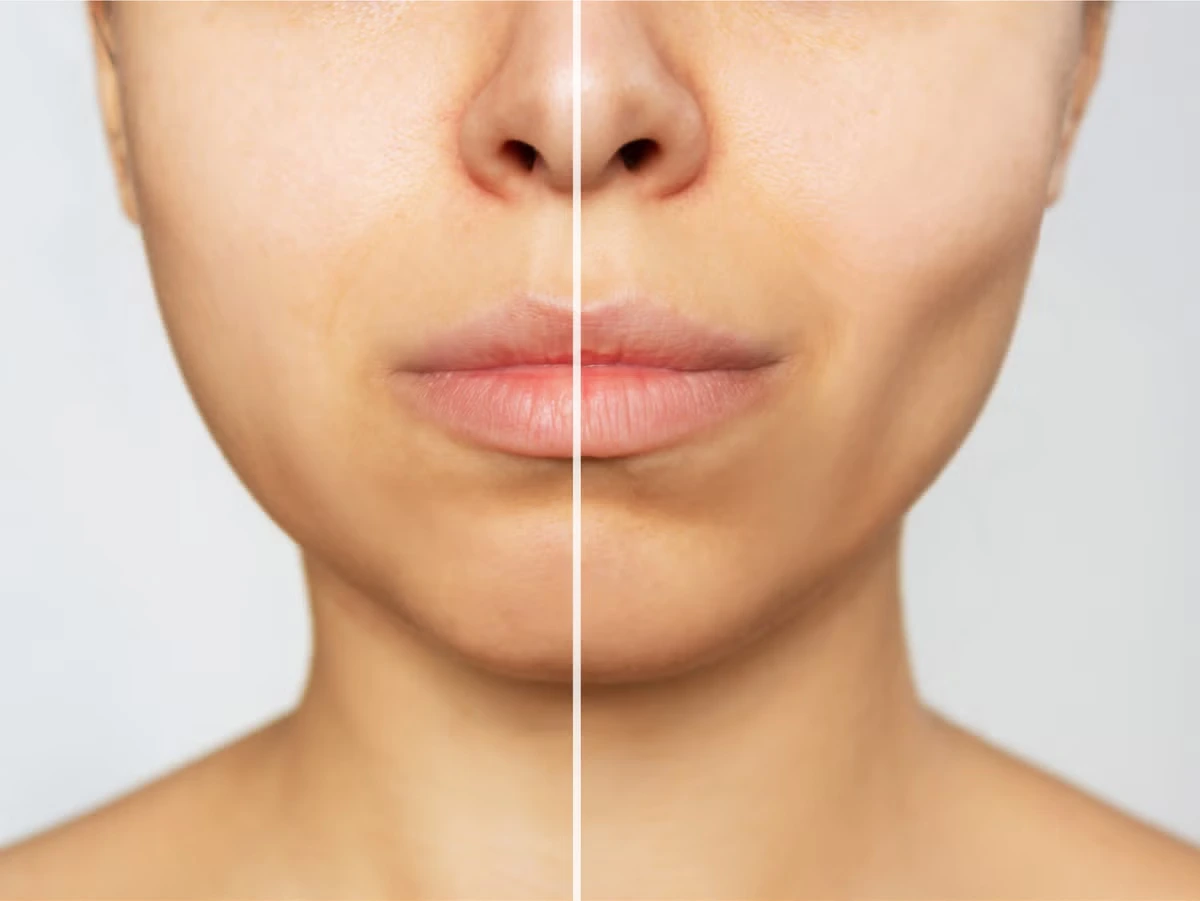
When evaluating facial contouring, prospective patients should note that pricing is individualized rather than based on a single fixed rate. The overall buccal fat removal cost and calculations of how much is buccal fat removal depend on several clinical and logistical variables:
- Anesthesia & Operating Environment: Performing the surgery under local anesthesia in an outpatient surgical suite involves different clinical overhead compared to general anesthesia or deep IV sedation in an accredited hospital operating room.
- Surgeon's Specialization: Maxillofacial and board-certified facial plastic surgeons possess dedicated craniofacial training to protect Stensen's parotid duct and facial nerve branches, which is reflected in specialized surgical fees.
- Combination Procedures: Buccal fat removal is frequently combined with chin liposuction, chin implants (mentoplasty), or jawline contouring, which alters total procedural time.
- Anatomical Asymmetry & Revisional Needs: Correcting natural facial asymmetry by performing differential resections across sides requires specialized micro-weighing and tailored surgical planning.
- Comprehensive Logistics: All-inclusive medical packages encompassing VIP airport transfers, hotel accommodations, and certified post-operative medical follow-up kits create variable pricing tiers.
Because surgical plans are customized to individual facial bone structures, exact quotations are established following a personalized clinical evaluation. The matrix below outlines relative regional price structures for 2026:
Healthcare Destination / Region | Cost Structure & Price Variability | Relative Price Level | Typical Package Framework |
United States (USA) | High variability by surgeon & city | High | Procedure Only (Facility, Meds & Checks Extra) |
United Kingdom (UK) | Variable by private clinic & method | High | Procedure Only (Consultations & Aftercare Invoiced Separately) |
Germany / Switzerland | Variable by medical fee scale (GOÄ) | Moderate to High | Procedure Only (Follow-Up Visits Invoiced Separately) |
Stamboul (Turkey) | Dynamic Custom Package | High Value / Accessible | Comprehensive (Hotel Stay, VIP Transfers & Full Care Kit) |
Frequently Asked Questions (FAQ)
Are there any visible external scars after buccal fat removal?
No. Buccal fat removal is performed entirely through the inside of the mouth. The surgeon makes a small 1 to 1.5 cm incision in the oral mucosa on the inner cheek, opposite the upper second molar. Because no external skin cuts are made, there are zero visible external scars on the face.
How much buccal fat is actually removed during the surgery?
Surgeons typically remove between 2 to 4 milliliters (cc) of fat per cheek (roughly the size of a walnut or large grape). While this volume sounds small, removing this amount from the deep cheek space creates a noticeable aesthetic change in lower facial contour.
What structures are protected during a bichectomy?
A skilled facial surgeon protects two vital anatomical structures: Stensen's duct (the parotid salivary duct located immediately adjacent to the upper molar) and the buccal branch of the facial nerve. Meticulous, blunt micro-dissection ensures these salivary and motor pathways remain completely unharmed.
Can buccal fat grow back after it has been removed?
No. The buccal fat pad contains encapsulated, mature adult adipose tissue. Once mechanically excised, the body does not regenerate new fat cells in that space. Even if a patient gains moderate body weight later in life, the submalar hollow will remain relatively leaner than prior to surgery.
Why do buccal fat removal prices vary between different patients?
Pricing varies because treatment plans depend on whether the procedure is performed under local anesthesia or general sedation, whether it is combined with jawline liposuction or chin implants, the degree of facial asymmetry requiring differential removal, and the inclusion of hotel or transfer services in international medical packages.
Über den Autor