A beautifully balanced smile relies on more than just straight, white enamel. The way your upper and lower teeth interact during daily chewing, speaking, and resting dictates the long-term health of your entire mouth. When your jaws meet, the forces should be distributed evenly across all your teeth to prevent any single area from absorbing too much pressure. However, when the vertical relationship between your dental arches loses its natural alignment, it can lead to hidden structural wear across your oral framework. One of the most common yet frequently overlooked vertical issues in dental care is a severe deep bite.
At Stamboul Clinic, we look beyond surface aesthetics to ensure that the functional foundation of your smile is completely stable. A vertical jaw misalignment is far more than an isolated cosmetic concern; it is a progressive skeletal and dental issue that alters your oral mechanics.
As advanced international dental protocols in 2026 place a strong focus on digital jaw tracking and non-invasive bite alignment, managing a severe vertical overlap has become a highly predictable and routine process for patients seeking to protect their long-term oral well-being.
Table of Content
What Is A Deep Bite?
Understanding the physical dynamics of your smile line helps clarify what is deep bite and how it fundamentally alters your oral function. A deep bite occurs when the upper front teeth overlap the lower front teeth excessively when the back molars are fully touching. While a mild vertical overlap of one to two millimeters is normal, a severe vertical overbite means the lower front teeth are completely hidden from view when you close your mouth.
Patients frequently look into the difference between a deep bite vs overbite profile. A standard overbite refers to a horizontal overlap, where the upper teeth protrude forward past the lower jaw. A deep bite is strictly a vertical issue, describing how far down the upper teeth pull over the lower arch. This structural confinement locks the lower jaw into a backward position, placing continuous tension on the surrounding facial muscles and altering the natural sliding mechanics of your teeth.
What Causes A Deep Bite?
When individuals first realize that their lower teeth are causing discomfort or hiding away entirely, they often ask a fundamental question: why do i have a deep bite in an otherwise healthy mouth? The development of an incorrect vertical relationship is rarely the result of a single habit; it is typically driven by genetic skeletal growth patterns combined with early environmental factors.
A primary answer to deep bite causes stems from inherited skeletal structures. This occurs when a patient's lower jaw is naturally shorter than the upper jaw, or when the back molars do not erupt fully out of the bone during childhood, failing to establish enough vertical height for the lower face.
Additionally, early childhood habits like prolonged thumb sucking, extensive pacifier use, or habitual tongue thrusting can alter the development of the alveolar bone. In adults, losing a lower back molar and leaving the space empty can cause the remaining back teeth to tilt forward, causing the rear of the bite to collapse and deepening the front overlap.
Signs Your Bite Alignment Is Collapsing
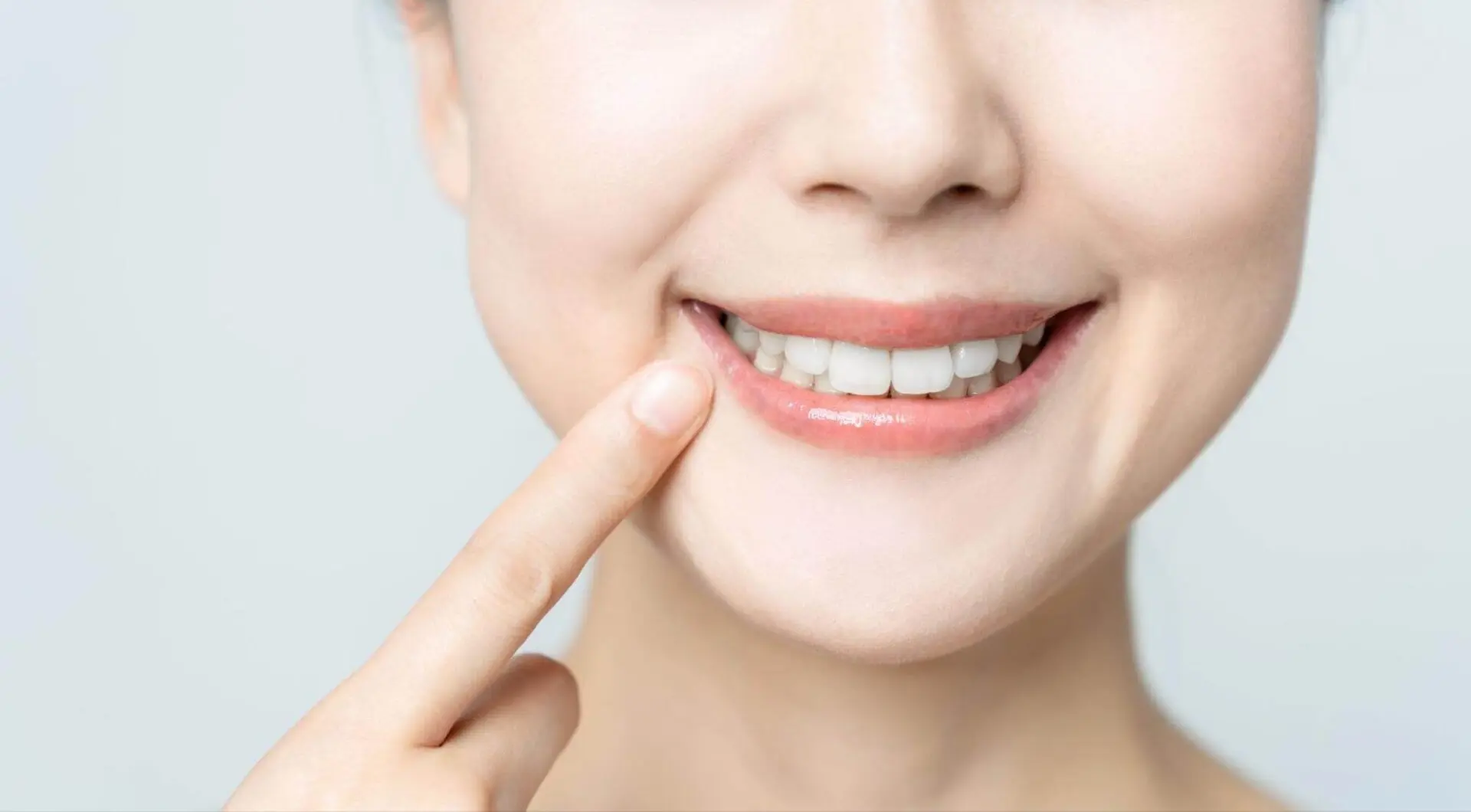
Because a vertical imbalance can develop gradually during childhood, many adults grow accustomed to their bite pattern without realizing it is causing harm. However, over several decades, the continuous mechanical pressure creates distinct physical symptoms that point to a deeper structural problem.
A prominent sign is severe, flat wear on the edges of the lower deep bite teeth. Because the upper teeth force the lower jaw back, the lower front teeth continuously scrape against the back surfaces of the upper teeth, slowly shaving away the protective enamel layer. This friction can lead to sharp tooth sensitivity, minor fractures in old fillings, and chronic discomfort.
Furthermore, the continuous structural confinement forces the chewing muscles to remain hyper-contracted, resulting in clicking sounds when opening the mouth, morning jaw soreness, and classic symptoms of Temporomandibular Joint (TMJ) dysfunction. In severe cases, the lower teeth can bite directly into the soft gum tissue behind the upper teeth, causing chronic palatal bruising and irritation.
How Is Deep Bite Treated?
If you are researching how to fix a deep bite safely as an adult, modern dentistry offers several highly effective, non-invasive pathways that eliminate the need for complex hospital stays. The selection of a specific deep bite correction protocol depends heavily on whether your misalignment is strictly dental or involves the underlying jaw bone.
- Clear Aligners for Deep Bite: For mild to moderate vertical shifts, using custom clear trays offers a highly discreet solution. Systems like invisalign deep bite protocols utilize strategically placed attachments on the teeth to exert a gentle vertical force. This movement pushes the front teeth slightly back into the jawbone while lifting the back molars up, predictably opening the bite line.
- Neuromuscular Full-Mouth Restoration: When severe grinding has already collapsed the height of the teeth, a periodontist or prosthodontist can lift the entire bite using high-strength custom onlays or crowns. This process restores the lost structural height, relieves muscle tension, and protects your natural enamel from further attrition.
- Modern Orthodontic Braces: Many adults wonder, can braces fix a deep bite effectively? Yes, traditional or ceramic braces remain a highly reliable method for severe cases. By utilizing specialized bite blocks or archwires, braces can level the dental arches and guide the teeth into a healthy relationship.
- Skeletal Surgical Alignment: In severe structural scenarios where a deformed jawbone is the root cause, an orthodontist may recommend deep bite jaw surgery (orthognathic surgery) combined with braces to physically reposition the lower jaw bone for optimal balance.
How To Prevent Your Bite From Getting Worse?
While correcting a structural vertical overlap requires professional care, incorporating proactive habits into your routine can prevent your bite alignment from collapsing further over time.
- Replace Missing Back Teeth Promptly: If you lose a rear molar, it is vital to fill the space with a dental implant or bridge. Leaving the area empty allows the surrounding teeth to shift and tip forward, which can lower the back of your bite and deepen the front overlap.
- Manage Nighttime Teeth Grinding: Chronic clenching and grinding can accelerate enamel wear, flattening your teeth and deepening your bite. Wearing a custom dental night guard can absorb these forces and protect your vertical dental height.
- Schedule Regular Occlusal Checkups: Visiting your dentist twice a year allows a specialist to monitor your bite patterns early, helping you catch signs of enamel friction before severe destruction occurs.
Why A Balanced Bite Protects Your Cosmetic Dental Work?
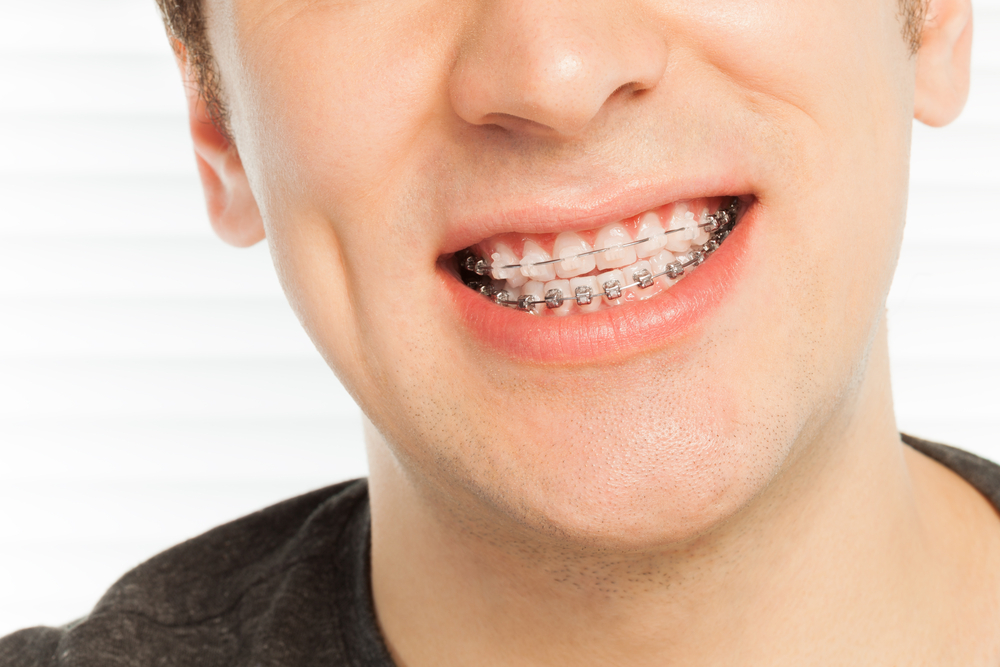
Evaluating deep bite before after case studies showcases a dramatic improvement in overall smile aesthetics and facial balance. When a deep vertical overlap shortens the lower third of the face, it can cause the lips to look thinned or compressed, altering your natural facial proportions. Correcting this misalignment restores the proper space between your nose and chin, gently elongating your profile and creating a more youthful appearance, a change often referred to as a deep bite face change.
Beyond profile aesthetics, achieving a balanced bite is the ultimate insurance policy for any cosmetic dental investments you plan to make. Many international patients travel to Istanbul seeking high-end transformations like porcelain veneers or zirconia crowns.
If these premium restorations are placed over an uncorrected deep bite, the intense, locked chewing forces will place immense stress on the new teeth. This pressure can easily chip, crack, or entirely de-bond the porcelain layers within a matter of months. Ensuring your bite is opened and aligned before finalizing aesthetic treatments guarantees that your new smile remains completely safe, stable, and dazzling for a lifetime.
FAQ: Frequently Asked Questions
Is a deep bite harmful if left untreated?
Yes, leaving a severe vertical overlap unmanaged can lead to continuous oral health issues. Over time, the improper force distribution can cause accelerated enamel wear on your lower teeth, regular damage to your palatal gums, increased risk of tooth fractures, and chronic strain on the jaw joints, often leading to TMJ pain and tension headaches.
How do orthodontists fix a deep bite in adults?
In adult patients, specialists can predictably open a deep bite using custom clear aligners or traditional braces configured with specialized intrusion attachments to gently level the dental arches. If the teeth are already severely worn down, a full-mouth reconstruction using custom crowns or onlays can be utilized to permanently restore the correct vertical bite height.
Can a deep bite ruin porcelain veneers or crowns?
Absolutely. A deep bite locks the jaw and subjects the front teeth to intense mechanical friction and shearing forces during chewing. If premium porcelain veneers or crowns are placed without correcting this vertical overlap first, the continuous pressure can easily chip, crack, or de-bond the new restorations.
Does fixing a deep bite change your face shape?
Yes, a deep bite correction can lead to a positive deep bite face change. Opening a collapsed bite restores the natural vertical distance between your nose and chin, which gently elongates the lower third of the face, helps reduce thinned lip compression, and creates a more balanced, youthful facial profile.
Über den Autor