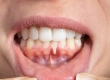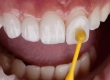
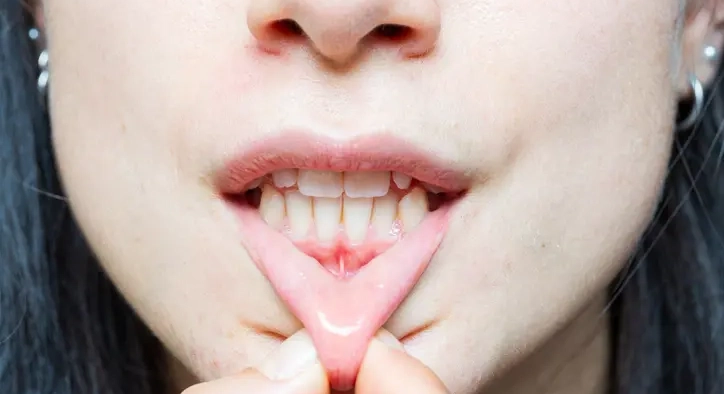
A healthy smile relies on a balanced structural relationship between the gleaming enamel of the teeth and the firm, pink framework of the surrounding gingival tissue. The gums act as a vital seal, protecting the delicate root structures and underlying jawbone from continuous exposure to oral bacteria and mechanical friction. When this protective barrier begins to break down, it can alter the health and stability of your entire mouth. This specific structural migration, known clinically as gum recession, is a widespread dental challenge that develops slowly over several years, often progressing without causing any initial pain.
At Stamboul Clinic, we look beyond surface aesthetics to ensure that the foundational health of your smile is completely secure. A pulling back of the gingival margin is far more than a simple visual change; it is a progressive condition that requires a precise, customized periodontal response.
As international dental standards in 2026 emphasize minimally invasive tissue regeneration and advanced micro-surgery, addressing compromised gum lines has become a highly predictable, comfortable, and successful process for patients seeking long-term oral health stability.
Table of Content
What is Gum Recession? The Anatomy of Gingival Margin Migration
To effectively address structural changes along your gum line, it helps to understand what is gum recession from an anatomical perspective. The gingival tissue consists of two primary zones: the dense, tough attached gingiva that tightly hugs the collar of the tooth, and the looser, flexible alveolar mucosa that lines the inside of your lips and cheeks. True recession occurs when the dense, attached gingiva slowly migrates downward in the lower jaw, or upward in the upper jaw, away from its natural position over the enamel.
This progressive exposure shifts the natural boundary line of your teeth. During the stages of early gum recession, a patient might only notice a slight increase in tooth sensitivity when drinking cold liquids or a minor visual shift where the tooth meets the gum. However, if this migration continues unchecked, it moves past the protective crown enamel, leaving the softer, porous cementum layer of the root entirely exposed to the oral environment. This exposure places the tooth at a significantly higher risk for structural decay, root cavities, and localized infections.
Why Are My Gums Receding? The Top 5 Causes
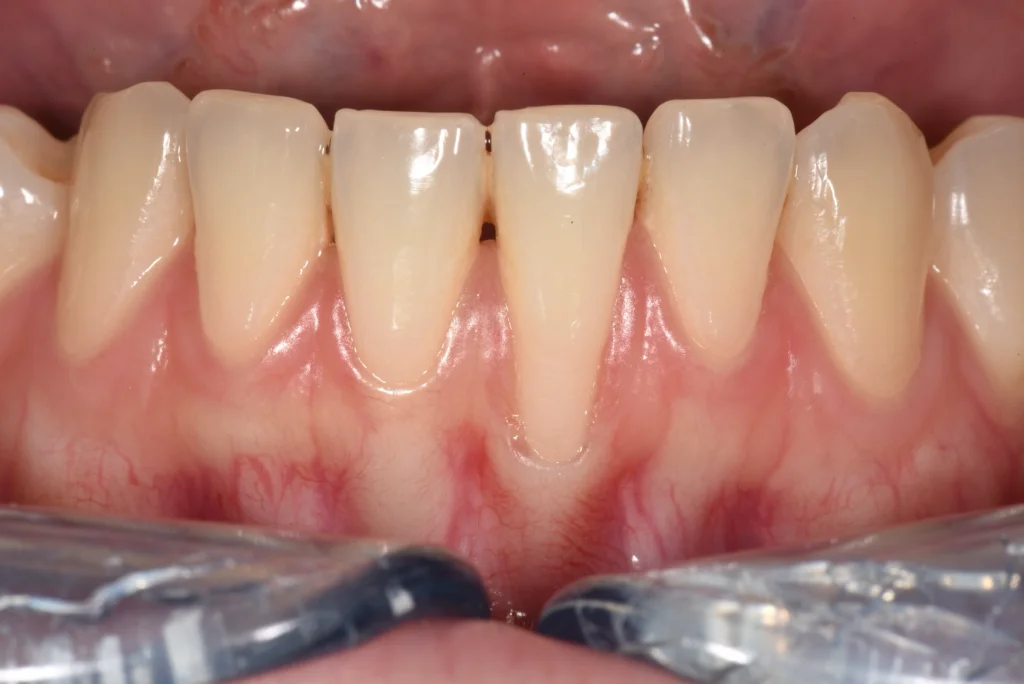
When individuals first notice their teeth looking longer than usual, they often ask a fundamental question: what causes gum recession in an otherwise clean mouth? The degradation of the gingival margin is rarely caused by a single, isolated habit; it is typically the result of structural vulnerabilities combined with localized mechanical stress. Identifying these specific gum recession causes is vital for stopping the progression before planning any repair work.
Chronic Periodontal Disease and Bacterial Biofilms
The primary driver behind widespread tissue loss is active periodontal disease. When plaque bacteria accumulate along the tooth collar and harden into calculus (tartar), they trigger a chronic inflammatory response in the surrounding tissues. The body’s immune system attempts to fight off this bacterial biofilm by releasing enzymes that unfortunately break down the soft fibers holding the gums to the teeth. This continuous infection causes the tissue to slowly detach and pull away, showcasing classic periodontal disease symptoms like redness, bleeding during flossing, and deep pocket formation.
Aggressive Toothbrushing Mechanics (Abrasion)
Many patients develop minor gum recession despite having impeccable oral hygiene standards. Scrubbing your teeth with a stiff, hard-bristled toothbrush or applying excessive horizontal pressure can act like fine sandpaper on your delicate oral tissues. Over several years, this repetitive mechanical scrubbing physically wears away the thin collar of the attached gingiva, especially on the prominent exterior surfaces of the front teeth and canines, turning good intentions into an accidental source of tissue abrasion.
Misaligned Teeth and Unbalanced Biting Forces
The natural position of your teeth within the jawbone heavily dictates the thickness of the surrounding gum tissue. If a tooth is crowded, tilted, or rotated outside the natural dental arch, the bone covering that specific root surface may be incredibly thin or entirely absent. When you bite down, this misaligned tooth absorbs an uneven, heavy load of stress. This structural imbalance places continuous tension on the thin tissue covering, leading to localized receding gum recession patterns over time.
Genetic Tissue Thinness and Structural Predisposition
Genetics play a major role in determining the baseline thickness of your oral structures. Some individuals are naturally born with a delicate "thin biotype," meaning their gum tissue and underlying alveolar bone are naturally thin and fragile. People with this inherited trait are significantly more vulnerable to environmental wear, meaning that even minor issues like a slight plaque buildup or mild brushing friction can easily trigger tissue migration compared to individuals with a thick, robust tissue profile.
Bruxism and Destructive Nocturnal Clenching
Unconscious teeth grinding and clenching during sleep, known clinically as bruxism, places an immense amount of lateral pressure on the dental arches. This continuous, heavy load causes the teeth to flex microscopically right at the gum line. This micro-flexing disrupts the crystalline structure of the enamel and wears away the delicate attachment fibers connecting the gums to the root surface, acting as a hidden accelerant for widespread tissue loss.
Signs and Complications: Why Hidden Bone Loss Matters?
Recognizing the early signs of gum recession is crucial for protecting the deep structural support of your smile. Because the tissue pulls away slowly, many individuals do not realize there is a problem until the root exposure becomes pronounced.
- Root Sensitivity: A sharp, brief sziing sensation when consuming hot, cold, sweet, or acidic foods.
- Visual Changes: The appearance of "long teeth" or a visible notch or ledge felt with a fingernail near the gum line.
- Tissue Discoloration: The exposed root surface may look darker, yellow, or more opaque than the bright white enamel above it.
- Gingival Redness: A thin red band forming right along the margin of the receding tissue, indicating active inflammation.
The primary structural concern regarding the progress of this condition is that the underlying alveolar bone mirrors the movement of your gums. As the soft tissue pulls back, the bone holding the tooth root in place resorbs right along with it. If this deep bone loss is ignored, the tooth loses its anchor within the jaw, eventually leading to structural mobility, shifting positions, and eventual tooth loss.
Can You Reverse Receding Gums Naturally?
When faced with the prospect of dental intervention, many patients seek out alternative options, researching various gum recession remedies online. The internet features numerous articles claiming that herbal mouthwashes, essential oil pulling, or specific vitamin pastes can stimulate tissue growth. To approach this realistically, it helps to understand the anatomical difference between healing an active infection and regenerating lost tissue structures.
If you are wondering, can you reverse gum recession using natural methods at home, the short clinical answer is no. Once the attached gingiva has detached and migrated away from the tooth root, it cannot grow back upward or rebuild its own structural volume naturally. However, natural home remedies can be incredibly effective at reducing active inflammation and swelling.
By practicing a gentle, soft-bristled oral hygiene routine and using antibacterial rinses, you can eliminate the active bacterial load that causes the tissues to pull back. While these habits are excellent for learning how to stop gum recession from getting worse, physically recovering the exposed roots and restoring lost tissue height requires a professional, structural intervention from a periodontist.
Structural Stage | Visible Physical Signs | Recommended Care Pathways |
Early Stage | Minor root exposure (<2mm), slight cold sensitivity. | Soft brush switch, custom nightguards, preventative tracking. |
Moderate Stage | Clear notches at gum line, root color changes, localized bleeding. | Deep root scaling, desensitizing agents, laser sterilization. |
Severe Stage | Mobile teeth, root decay, greater than 4mm of visible bone loss. | Micro-surgical grafting, Pinhole surgery, structural repair. |
Professional Gum Recession Treatment Options
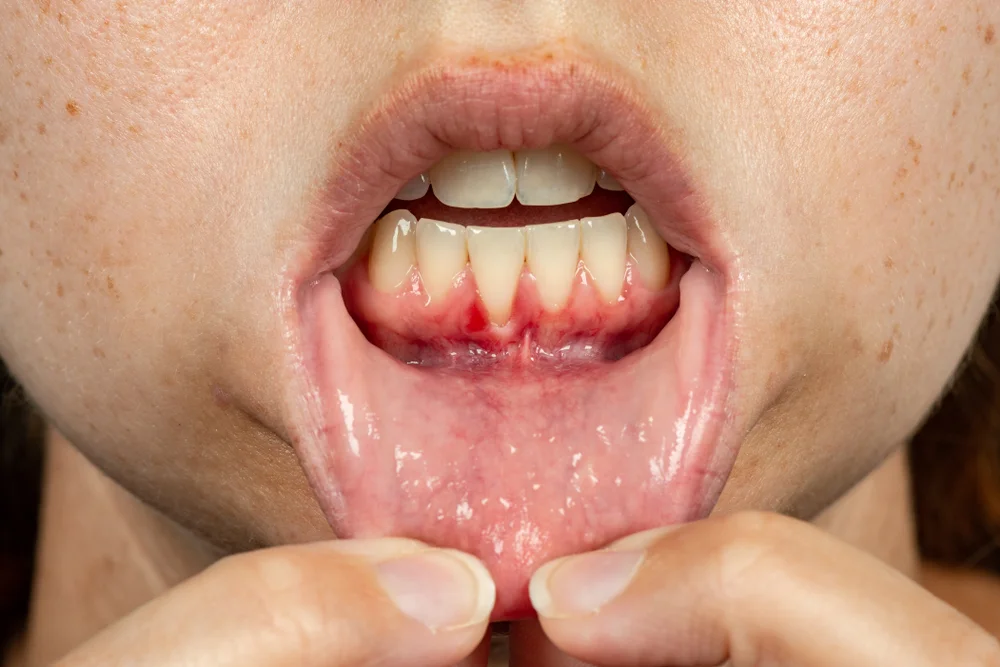
When home modifications are no longer enough to protect the exposed roots, modern periodontics offers several highly reliable options. Learning how to fix a deep bite or a misaligned gum line relies on custom treatments designed to rebuild the defensive shield around your teeth.
Micro-Surgical Connective Tissue Grafting (CTG)
Traditional gum recession surgery has evolved into a highly precise, micro-surgical specialty. The gold-standard method for covering deep, isolated root exposures is a connective tissue graft. In this procedure, a periodontist takes a tiny, thin layer of tissue from beneath the surface of the patient's palate. This donor tissue is then placed over the exposed root surface and secured with microscopic sutures. Over a few weeks, the graft fuses perfectly with the surrounding gums, restoring natural tissue volume and protecting the root from decay.
The Pinhole Surgical Technique (PST)
For patients dealing with widespread recession across multiple teeth, the Pinhole Surgical Technique offers an incredibly advanced, scalpel-free alternative to traditional grafting. Instead of taking tissue from the palate, a specialist makes a tiny, needle-sized entry point in the gum tissue above the affected teeth.
Using specialized instruments, the surgeon gently loosens the existing gum tissue from the inside, sliding it downward into a healthy, natural position over the exposed roots. Small collagen strips are then inserted through the pinhole to stabilize the tissue during the early healing phase. Because this approach requires no incisions or sutures, post-operative swelling is minimal, allowing patients to enjoy an incredibly rapid recovery.
Laser-Assisted Periodontal Regeneration
When the primary cause of tissue loss is active gum disease, laser technology can be utilized to jumpstart the body's natural healing response. Specialized dental lasers are directed into the deep spaces between the teeth and gums to vaporize harmful bacteria and remove diseased tissue linings without disturbing healthy structures. This precise decontamination creates a clean, bio-acceptable environment that allows the remaining gum fibers to reattach tightly to the tooth roots, serving as an excellent option for managing early gum recession without complex cutting.
FAQ: Frequently Asked Questions
Is gum recession a dental emergency?
An occasional millimeter of recession is generally not an emergency and can be safely evaluated during a routine dental visit. However, if you experience a sudden, rapid pullback of tissue accompanied by severe swelling, sharp throbbing pain, or loose teeth, it indicates an acute infection or trauma that requires prompt professional attention.
Will gums grow back after a recession?
No, once attached gingival tissue has detached and migrated down the root, it cannot grow back or regenerate on its own. Re-covering the exposed root surfaces and restoring lost tissue height requires a professional clinical intervention, such as a tissue graft or pinhole surgery.
Why are my gums receding on only one tooth?
Localized recession on a single tooth is typically caused by a specific mechanical or structural trigger. Common reasons include a misaligned tooth that sits outside the dental arch, an incorrect fırçalama habit that applies pressure to a specific spot, a deep localized bite injury, or localized trauma from an old body piercing or injury.
Can gum recession be reversed without surgery?
While lost tissue cannot be regenerated without clinical procedures, early stages of recession can often be completely halted without conventional surgery. Swapping to a soft-bristled brush, utilizing customized nightguards for teeth grinding, and undergoing a professional deep cleaning can stabilize the area and prevent the need for surgical care.
Über den Autor