In the realm of aesthetic dentistry, a gap between the teeth is often viewed as a unique character trait. However, for many, it remains a source of self-consciousness that hinders the freedom to smile fully. Learning about gap tooth treatment options is the first step toward reclaiming a balanced and harmonious facial aesthetic.
Whether the gap is a small midline gap or multiple openings across the dental arch, modern dental treatment for tooth gaps allow for precision results. Moving beyond the era of bulky metal braces, today’s patients expect solutions that prioritize micro-aesthetics and natural realism. As we move through 2026, the technology behind teeth gap filling has become so advanced that restorations are virtually indistinguishable from natural enamel.
Table of Content
- Understanding Diastema: Why Do Gaps Form in Front Teeth?
- How to Gap Tooth Treatment: Selecting the Right Pathway
- Porcelain Veneers: The Gold Standard for Permanent Symmetry
- Composite Bonding: Instant Transformation in a Single Visit
- Clear Aligners & Invisalign: Closing Gaps Without Metal Braces
- Maintenance and Longevity: Keeping Your New Smile Flawless
- Post-Treatment Care: What to Consider After Your Procedure
- Frequently Asked Questions (FAQ)
Understanding Diastema: Why Do Gaps Form in Front Teeth?
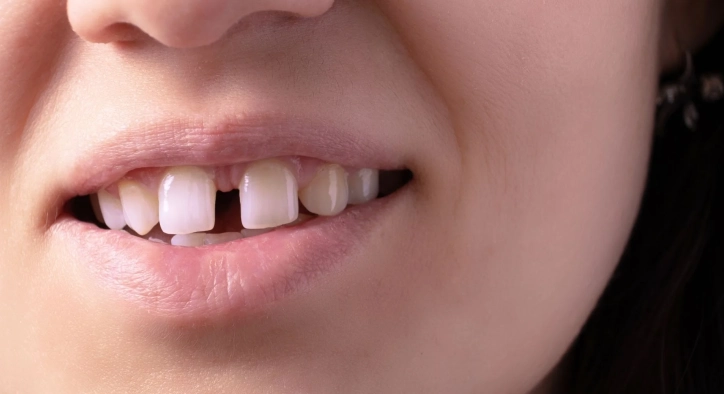
Before choosing a gap tooth treatment, it is essential to understand the underlying cause of the spacing. Gappy teeth can arise from various biological and behavioral factors, and identifying the root cause ensures the longevity of the final result.
- Genetics: Often, the size of the jawbone and the size of the teeth are mismatched. If the jaw is too large for the teeth, spaces between teeth naturally occur.
- Labial Frenum: An oversized tissue attachment between the lip and gum can physically push the front teeth apart, creating a stubborn midline gap.
- Parafunctional Habits: Long-term habits such as tongue thrusting or thumb sucking can gradually move teeth outward, leading to teeth gap treatment needs later in life.
- Gum Disease: Advanced periodontitis can lead to bone loss, causing teeth to become loose and drift, which creates new spaces in the teeth.
Understanding these triggers allows clinicians to provide a biomimetic gap restoration plan that doesn't just fix the aesthetic issue but addresses the oral environment to prevent the gap from returning.
How to Gap Tooth Treatment: Selecting the Right Pathway
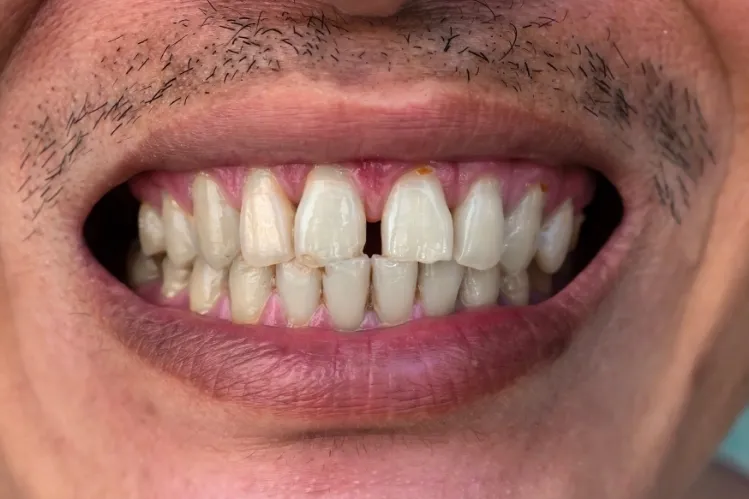
When considering how to fix gaps in teeth, the "one size fits all" approach is a thing of the past. The best gap tooth treatment for adults in 2026 involves a deep dive into the patient's lifestyle and dental history. If a patient presents with tooth rotting, the priority shifts: what treatment is needed to restore or repair gaps caused by decay? In such cases, the process begins with health restoration before moving to aesthetics.
Patients often look for ways on how to hide teeth gap temporarily or even inquire about dangerous DIY methods like teeth gap bands or a tooth gap filler at home. It is vital to state that professional diastema treatment is the only safe way to manage alignment. Temporary fixes or "jewelry" like a tooth gap filler jewelry may mask the issue but can lead to permanent tooth loss or infection.
Porcelain Veneers: The Gold Standard for Permanent Symmetry
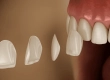
For those seeking a total transformation, porcelain veneers are frequently the ultimate gap tooth treatment. These thin, custom-made ceramic shells are bonded to the front surface of the teeth, effectively masking the gap while correcting the shape and color of the surrounding teeth.
Can porcelain veneers close large dental gaps? Generally, they are excellent for moderate spaces. If a gap is excessively wide, a combination of orthodontic realignment and veneers might be suggested to maintain natural tooth proportions. The beauty of veneers lies in their ability to provide "instant orthodontics," allowing patients to skip years of braces.
- Durability: Veneers can last 15–20 years with proper care, making them a premium treatment for tooth gap.
- Stain Resistance: Unlike natural teeth, high-quality porcelain is resistant to coffee, tea, and tobacco.
- Visual Branding: For many, this is the definitive diastema treatment for a red-carpet-ready look.
Composite Bonding: Instant Transformation in a Single Visit
If you are looking for an immediate result without the higher diastema treatment cost associated with lab-made ceramics, dental bonding is a remarkable solution. Using a high-grade aesthetic resin, the dentist sculpts the material directly onto the tooth to close the space.
Can you close a tooth gap in one visit? Yes. Dental bonding for diastema typically takes less than an hour per tooth and requires no anesthesia or removal of natural tooth structure. While it is a minimal invasive way to handle teeth gap filling, it is more prone to staining than porcelain. However, the cost of composite bonding for gap teeth in Turkey makes it an incredibly popular choice for international patients seeking high-quality, efficient results
Clear Aligners & Invisalign: Closing Gaps Without Metal Braces
For patients whose teeth are otherwise healthy but misaligned, orthodontic realignment is often the preferred gap tooth treatment. Instead of covering the gap with material, we move the teeth themselves into a harmonious position.
Will Invisalign close my teeth gaps? Absolutely. Clear aligners use controlled pressure to guide teeth into the correct position. This is the ideal tooth gap filling treatment for those who want to preserve their natural tooth structure entirely. It is particularly effective for closing a midline gap while also correcting the overall bite. Unlike traditional braces, these are virtually invisible, catering to the aesthetic needs of working professionals.
Maintenance and Longevity: Keeping Your New Smile Flawless
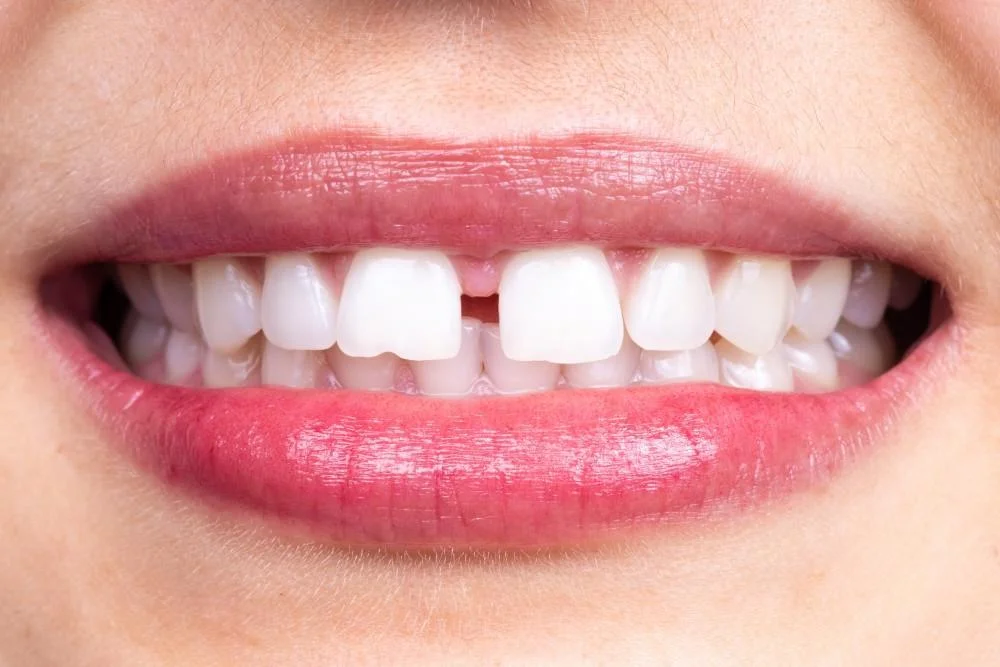
The success of any teeth gap treatment relies on the period following the procedure. Whether you have chosen dental bonding or veneers, maintaining the integrity of the work is a daily commitment.
- Hygiene Rituals: Brushing and flossing remain mandatory. Plaque can still accumulate at the margins where the tooth gap filling meets the natural tooth.
- Avoid Staining Agents: If you chose bonding, be aware that resin can absorb colors from red wine or turmeric more easily than porcelain.
- Wear Your Retainer: If your gap was closed via orthodontic realignment, failing to wear a retainer will almost certainly result in the teeth drifting back to their original "gappy" positions.
Post-Treatment Care: What to Consider After Your Procedure
To ensure the best gap tooth treatment before and after results, the first few weeks are critical. The bonding agents and gum tissues need time to settle into their new configuration.
- Sensitivity Management: Some patients experience mild sensitivity to cold or heat after dental bonding for diastema. This usually subsides within a few days.
- Dietary Adjustments: Avoid biting into very hard foods (like ice or hard crusty bread) directly with the treated teeth. Even the strongest porcelain veneers can chip under extreme, unnatural pressure.
- Night Guards: If you have a habit of clenching your teeth at night, a custom night guard is a necessary investment to protect your tooth gap filler from fracture.
Frequently Asked Questions (FAQ)
How much does it cost to close a gap in your teeth?
The cost varies widely based on the chosen method. Dental bonding is the most affordable, while porcelain veneers and Invisalign represent a higher investment. However, the cost of composite bonding for gap teeth in Turkey offers significant savings compared to Western Europe, often starting as low as £150-£250 per tooth.
Is gap tooth treatment permanent?
Porcelain veneers are considered a long-term, permanent solution lasting up to 20 years. Dental bonding might need refreshing or polishing every 5–7 years. Orthodontic realignment is permanent as long as the patient adheres to a retainer schedule.
Does a tooth gap get bigger with age?
It can. Due to natural tooth migration, gum recession, or bone loss as we age, a small space in the teeth can gradually widen. Seeking gap tooth treatment early can prevent more complex alignment or periodontal issues later in life.
How to fix a gap in front teeth without braces?
Veneers and dental bonding are the two primary ways to fix a gap without braces. These offer "instant orthodontics" and are ideal for patients who do not require a full bite correction but want to eliminate the gap between the teeth.
How to know if I am a candidate for Diastema Closure?
Most people with spaces between teeth are candidates. However, if the gap is caused by active gum disease or tooth rotting, those health issues must be resolved before any aesthetic teeth gap treatment can begin.
Über den Autor