For patients who have suffered from prolonged tooth loss, the jawbone specifically in the upper arch often undergoes significant resorption, a condition known as severe maxillary bone atrophy. In these clinical scenarios, traditional implant placement is often impossible because the underlying bone volume is insufficient to hold a standard titanium post securely. Historically, this meant months of painful, costly bone grafting or sinus lift procedures. Today, we offer an advanced, high-performance alternative: zygomatic dental implants.
At Stamboul Clinic, we utilize state-of-the-art 3D CBCT jaw mapping to implement these ultra-long surgical anchors with absolute precision. If you are researching what are zygomatic dental implants, evaluating the feasibility of zygomatic dental implants surgery, comparing the cost of zygomatic dental implants globally, or looking for a premier zygomatic dental implants Turkey center, this guide delivers deep clinical insights into how this technology restores complete oral function safely.
Table of Content
What Are Zygomatic Dental Implants?
To understand this advanced treatment clearly, let us look at the mechanics behind the procedure. A standard implant is placed into the alveolar bone of the jaw. If that bone has disappeared, the surgeon must look for the next available foundation.
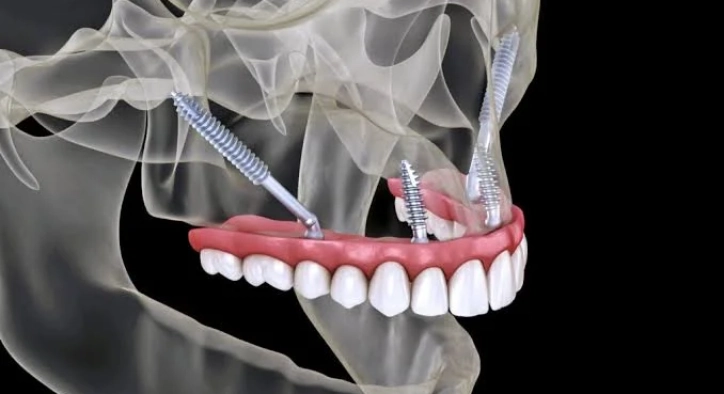
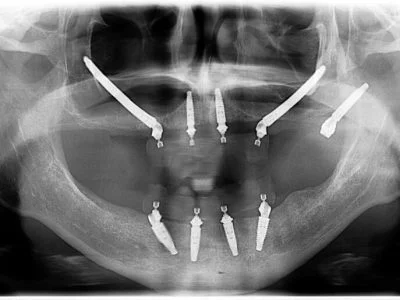
The zygomatic bone (your cheekbone) is exceptionally dense, stable, and remains intact even when the jawbone itself has completely resorbed. Zygomatic dental implants are significantly longer than standard implants (often measuring 30mm to 50mm) allowing the surgeon to bypass the hollow sinus cavity and anchor the titanium post directly into the zygomatic bone.
THE ANATOMICAL ANCHORING ADVANTAGE:
- Standard Implant ➡️ Anchored in Resorbed Alveolar Bone (Weak/Insufficient)
- Zygomatic Implant ➡️ Anchored in Dense Cheekbone (Ultra-Stable Foundation)
This structural anchor provides immediate, rock-solid stability, allowing for the attachment of a fixed, full-arch bridge, effectively bypassing the need for bone augmentation entirely.
Who Is a Candidate for Zygomatic Dental Implants Surgery?
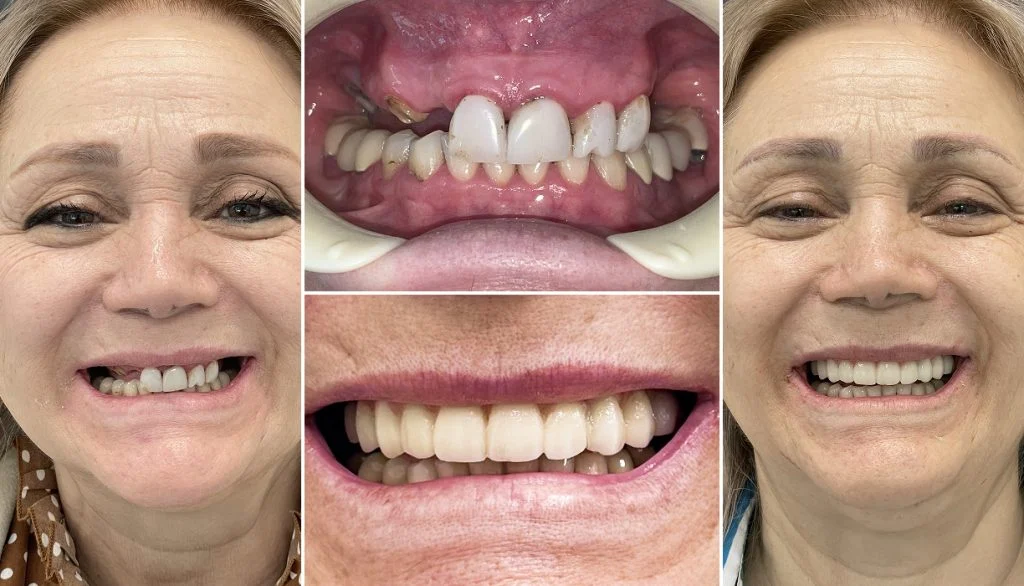
This specialized procedure is indicated for patients who have been told by other clinics that they are not suitable candidates for standard implant placement. You may require zygomatic dental implants surgery if:
- You have advanced maxillary bone loss: You have worn dentures for decades, causing the upper jawbone to shrink away.
- You have failed previous grafting: Previous sinus lift or bone graft attempts did not result in enough bone volume to hold standard implants.
- You desire a fast solution: You want to avoid the 6-to-12-month wait times typically required for bone to heal after complex grafting procedures.
- You have had trauma or pathology: Significant tissue loss following a facial accident or the removal of a jaw cyst.
The Clinical Workflow: A Digital Precision Approach
At Stamboul Clinic, placing zygomatic implants is a highly regulated, digitally-led surgical event.
Step 1: 3D CBCT Precision Mapping
We take a full 3D CBCT scan to visualize the exact trajectory of your cheekbones and the surrounding sinus membranes. This scan allows us to plan the placement angle so the implant avoids vital nerves while finding the perfect anchor point in the cheekbone.
Step 2: Computer-Guided Surgery
We use 3D-printed surgical guides that fit perfectly over your jaw. These guides ensure the surgeon enters the bone at the exact degree planned digitally, ensuring absolute safety and optimal structural placement.
Step 3: Immediate Fixed Restoration
Because zygomatic implants provide immediate, high-torque stability, we can often attach a temporary fixed bridge during the same appointment. This allows you to regain chewing function and smile confidence the moment you wake up from surgery.
Cost of Zygomatic Dental Implants
A major consideration for international patients is the investment required. The cost of zygomatic dental implants is significantly higher than standard placement due to the complexity of the hardware, the high-level surgical expertise required, and the precision diagnostic technology involved.
In the United States, UK, or Germany, a full zygomatic restoration (often involving 2-4 zygomatic implants plus 2-4 standard implants) can cost upwards of $40,000 to $60,000.
Choosing an accredited clinic in Istanbul allows international patients to access this life-changing technology within a professional hospital setup for a fraction of the cost found in Western markets.
Global Structural Costs in 2026
The table below provides an estimated cost framework for full-arch zygomatic rehabilitations, highlighting the financial advantages of selecting Istanbul for advanced reconstruction:
Global Hub | Estimated Investment (Full Upper Arch) | Technology Tier | Package Inclusion |
United States | $45,000 – $70,000 | Advanced Hardware | Surgery Only |
United Kingdom | £30,000 – £55,000 | Certified Zygomatic | Surgery Only |
Stamboul (Turkey) | €9,000 – €14,000 | Premium Medical Grade | Hotel, VIP Transfers & Aftercare |
Frequently Asked Questions (FAQ)
What is the advantage of zygomatic implants over bone grafting?
Zygomatic implants bypass the need for invasive, multi-stage bone grafting and sinus lift surgeries. They provide immediate stability in the cheekbone, allowing for a faster transition to permanent teeth.
Are zygomatic dental implants safe?
Yes. When performed by experienced oral surgeons in an accredited hospital, zygomatic implants are a safe, predictable, and long-standing clinical solution for severe bone atrophy.
Is the surgery painful?
No. The procedure is performed under general anesthesia or deep IV sedation, ensuring you are completely comfortable throughout the surgery. Post-operative discomfort is manageable with standard medication and usually clears within a week.
How long does the final bridge last?
When crafted from premium zirconia or porcelain and maintained with daily flossing and regular professional cleanings, your zygomatic-supported bridge is designed to provide decades of service.
Über den Autor