Deciding to undergo surgical hair restoration is a significant investment in both your appearance and your long-term self-confidence. When performed by experienced specialists in an accredited medical facility, modern hair restoration delivers highly predictable, lifelike density. However, due to the global rise of low-cost, uncertified "black market" clinics that operate without proper doctor supervision, an increasing number of patients are facing poor results, commonly referred to as a hair transplant fail.
At Stamboul Clinic, we believe that an honest, educational approach is essential for protecting patient health. Individuals exploring restoration options frequently ask critical questions: can hair transplant fail, what are the primary signs of hair transplant fail and why hair transplant fail when performed under sub-standard conditions? This comprehensive guide breaks down the biological and mechanical reasons behind poor results, analyzes specific clinical risks like can fue hair transplant fail, and outlines the advanced options available to fix a compromised outcome.
Table of Content
- Can a Hair Transplant Fail? The Biological Reality
- What Are the Primary Signs of a Hair Transplant Fail?
- Why Hair Transplant Fail? Analyzing the Main Causes
- What If a Hair Transplant Fails? The Next Corrective Steps
- Comparative Overview: Premium Clinical Standards vs. High-Risk Workflows
- Frequently Asked Questions (FAQ)
Can a Hair Transplant Fail? The Biological Reality
Before examining specific complications, it is important to address the foundational questions: can hair transplant fail and does hair transplant fail in modern medicine?
The clinical reality is that while hair restoration boasts an exceptional success rate when managed correctly, it remains a delicate micro-surgical procedure that depends entirely on tissue viability. If the fragile hair grafts lose their structural integrity, dry out during the transfer phase, or suffer mechanical trauma, they will not establish a healthy blood supply in the recipient area, resulting in a procedural failure.
What Are the Primary Signs of a Hair Transplant Fail?
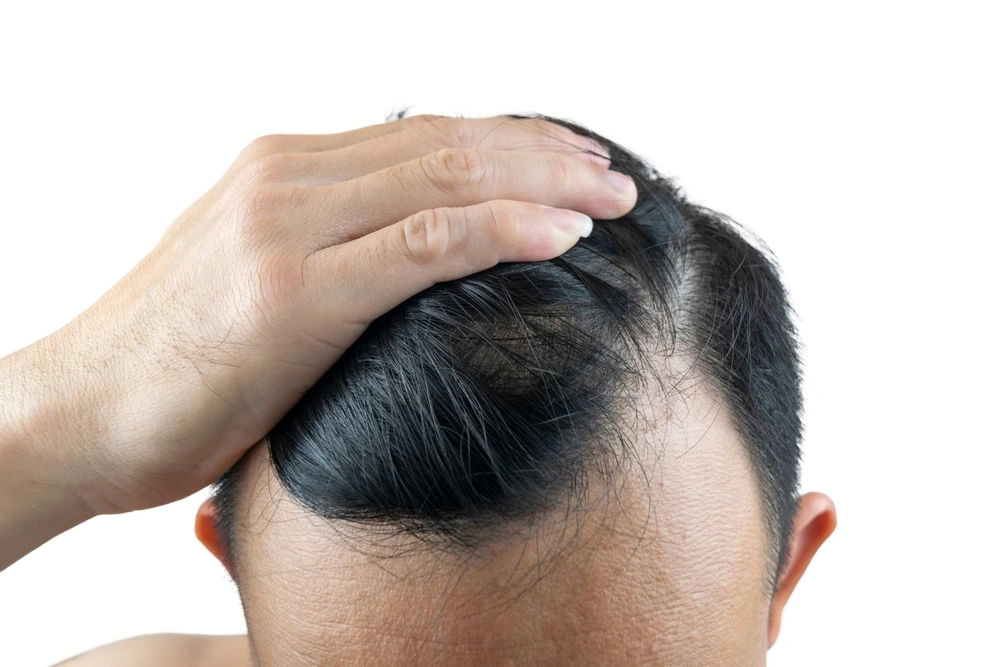
Recognizing poor results early allows you to take corrective action before permanent tissue damage or severe donor depletion occurs. If you are monitoring your recovery timeline, look out for these major signs of hair transplant fail:
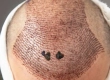
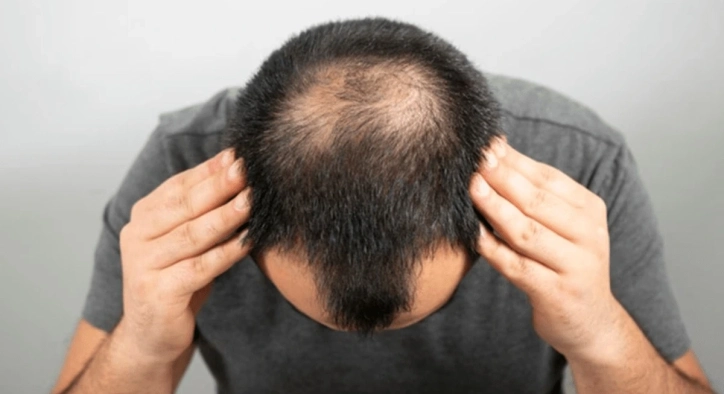
- Poor Graft Survival and Low Density: If you notice thin, patchy, or completely bare areas across the treated zones 12 to 14 months after surgery, it means the placed hair follicles did not survive the transfer.
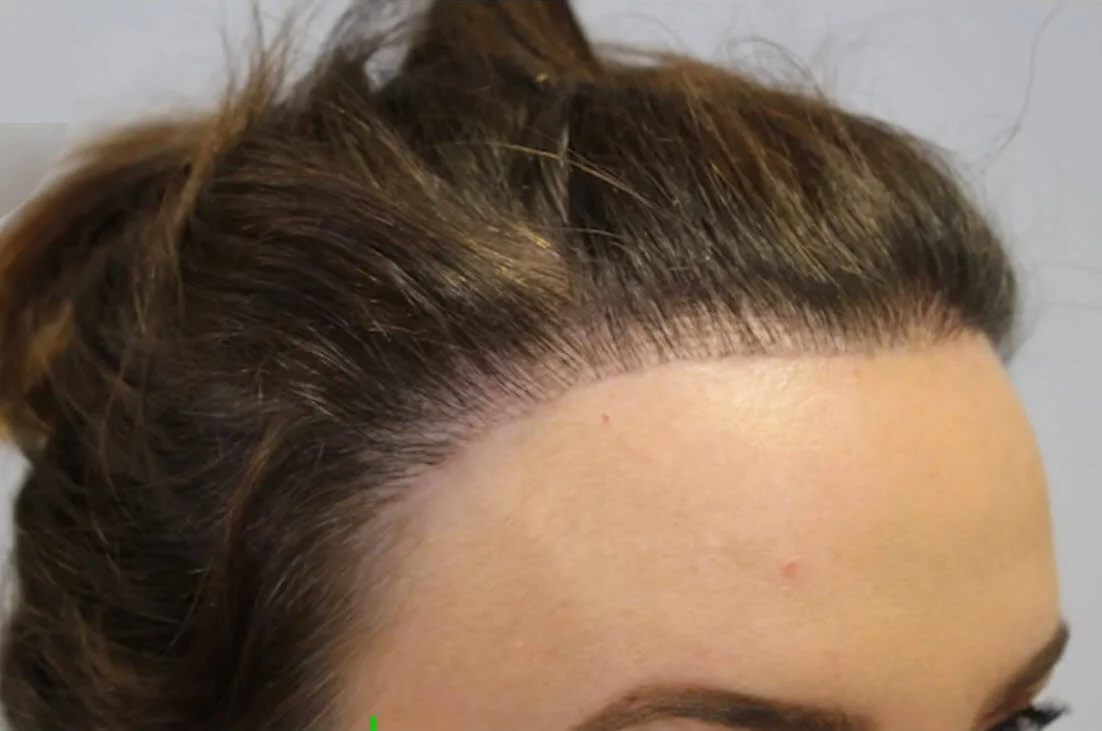
- An Unnatural, Artificial Hairline: A poorly designed frontline that is drawn too straight, placed too low, or ignores your natural facial proportions is a clear sign of sub-standard surgical execution.
- The "Doll's Hair" Plug Effect: This occurs when a clinic places large, multi-hair follicular units (3 to 4 hairs) directly along the front hairline instead of using delicate, single-hair grafts. This creates an artificial, pluggy appearance.
- Severe Donor Zone Scarring: Over-harvesting the back of the head leaves visible bald patches, thinned steps, or extensive transparent scarring, severely limiting your choices for any future touch-ups.
- Misdirected Hair Growth Angles: If the placed hair fibers grow in completely different, erratic directions rather than mirroring your natural growth patterns, styling your hair becomes nearly impossible.
Why Hair Transplant Fail? Analyzing the Main Causes
When a patient contacts our clinic asking, "why did my hair transplant fail?", the cause can usually be traced back to explicit mechanical errors during surgery or severe issues during post-operative care.
PRIMARY ROOTS OF PROCEDURAL FAILURE:
- [Technician-Led Errors]: No direct doctor supervision ➡️ Harsh graft handling damages the delicate bulb.
- [Ischemia Reperfusion Injury]: Grafts kept outside the body too long ➡️ Follicles suffocate and die before placement.
- [Donor Over-Harvesting]: Extracting too many grafts too close together ➡️ Permanent shock loss in the donor zone.
- [Poor Patient Compliance]: Neglecting hygiene or scratching scabs ➡️ Traumatic graft loss or early scalp infections.
When considering whether can fue hair transplant fail, the extraction phase is where many mistakes happen. If an uncertified technician uses an oversized or overheating motorized micro-punch, they can transect (slice through) the hair root beneath the skin. This destroys the graft completely before it can even be placed.
What If a Hair Transplant Fails? The Next Corrective Steps
Discovering that your procedure did not yield the expected density can be incredibly frustrating. However, if you find yourself asking, "what if hair transplant fail; am I left without options?", it is important to know that advanced corrective surgery can often repair the damage.
THE CORRECTIVE RESTORATION WORKFLOW AT STAMBOUL:
- Micro-Aspirating Plugs: Gently extracting unnaturally placed large grafts along the front hairline.
- Follicular Unit Separation: Dividing the removed plugs under a microscope into natural single-hair fibers.
- Strategic Redesign: Drawing an authentic, soft hairline that matches your natural facial structure.
- Soft Implantation: Placing the refined single hairs at precise angles using high-precision DHI Choi pens.
- Donor Rejuvenation: Utilizing targeted biostimulation to support and heal a thinned donor area.
If your donor area was not completely depleted during the initial bad surgery, our specialists can perform a precise corrective transplant. By using soft DHI techniques, we can harvest the remaining healthy follicles safely to rebuild your front hairline and add natural-looking density across thinned zones.
Comparative Overview: Premium Clinical Standards vs. High-Risk Workflows
The path to achieving natural hair density depends entirely on the clinical standards of your chosen facility. The table below outlines the differences between professional care and high-risk setups:
Quality Indicators & Metrics | Premium Hospital Standard (Stamboul) | High-Risk Low-Cost Clinic Setup |
Surgical Supervision | Fully led by licensed doctors and oral surgeons | Performed entirely by technicians without a doctor |
Graft Extraction Tooling | Precision titanium punches (0.7mm – 0.8mm) | Oversized steel punches that cause scarring |
Follicle Preservation | Kept in chilled, nutrient-rich storage solutions | Left in basic saline at room temperature |
Hairline Artistry | Micro-grafts placed at natural angles and directions | Straight, unnatural placement lines (Plug effect) |
Patient Safety Protocols | Performed in an accredited, sterile hospital space | Set up in standard office rooms or uncertified flats |
Frequently Asked Questions (FAQ)
Can a hair transplant fail completely?
Yes, a hair transplant can fail if performed under unsterile conditions, if the grafts are damaged during extraction, or if proper post-operative care guidelines are neglected, leading to poor growth or an artificial appearance.
What are the main signs of a hair transplant fail?
The most common signs include very low hair density 12 months after the procedure, an unnatural straight hairline, a patchy "plug" effect, uneven hair growth directions, and visible bald patches in the donor area.
Why did my hair transplant fail at a low-cost clinic?
Failures at low-cost clinics are typically caused by inexperienced technicians handling the grafts too harshly, leaving the follicles outside the body too long without proper nutrients, or using oversized extraction tools that damage neighboring roots.
What should I do if my hair transplant fails?
If you are unhappy with your results, wait at least 12 months for the tissue to heal completely. Then, schedule a consultation with an accredited specialist to evaluate your remaining donor area and explore options for a corrective procedure.
Can an FUE hair transplant fail due to poor aftercare?
Yes, poor post-op care can cause a procedure to fail. Activities like heavy scratching, skipping the recommended washing protocols, sleeping flat on your face, or smoking during early recovery can displace the grafts or cause infections that destroy the hair roots.
Über den Autor