In the sophisticated world of modern dentistry, the focus has shifted from reactive treatments to proactive preservation. Among the most effective tools in this preventive arsenal is the oral appliance. Learning how to use a mouth guard is no longer just a requirement for athletes; it has become a necessary ritual for high-achievers navigating the stressors of urban life.
As we move through 2026, the rise in stress-related dental issues has made bruxism management a primary concern for those looking to protect their natural teeth and expensive aesthetic restorations.
A common question many patients face is how to use a dental mouth guard to stop the silent destruction caused by nightly grinding. When left unchecked, the forces of bruxism can lead to fractured enamel, chronic jaw pain, and even the failure of dental implants.
Table of Content
- More Than Protection: Why a Bespoke Mouth Guard is Essential for Modern Living
- Step-by-Step: How to Properly Fit and Wear Your Night Guard
- The Science of Silence: How Oral Appliances Protect Your TMJ and Enamel
- Maintenance Rituals: How to Clean and Store Your Mouth Guard Like a Pro
- Mouth Guard vs. Sports Guard: Why One Size Does Not Fit All
- FAQ
More Than Protection: Why a Bespoke Mouth Guard is Essential for Modern Living
The modern lifestyle often manifests physically in the form of nocturnal jaw clenching. This is where sleep hygiene and dentistry intersect. While over-the-counter options exist, they often lack the precision required for long-term safety.
A custom-fit oral appliance is engineered using digital impressions to match the unique topography of your bite, ensuring that pressure is distributed evenly across the dental arch.
Beyond preventing simple wear, these devices are essential for parafunctional habits control. If you have invested in porcelain veneers or complex crown work, you might ask: Can I wear a mouth guard with veneers? The answer is a resounding yes. In fact, wearing one is often a prerequisite for protecting the delicate ceramic margins from the immense pressure generated during sleep. By integrating this into your nightly routine, you are essentially purchasing an insurance policy for your smile.
Step-by-Step: How to Properly Fit and Wear Your Night Guard
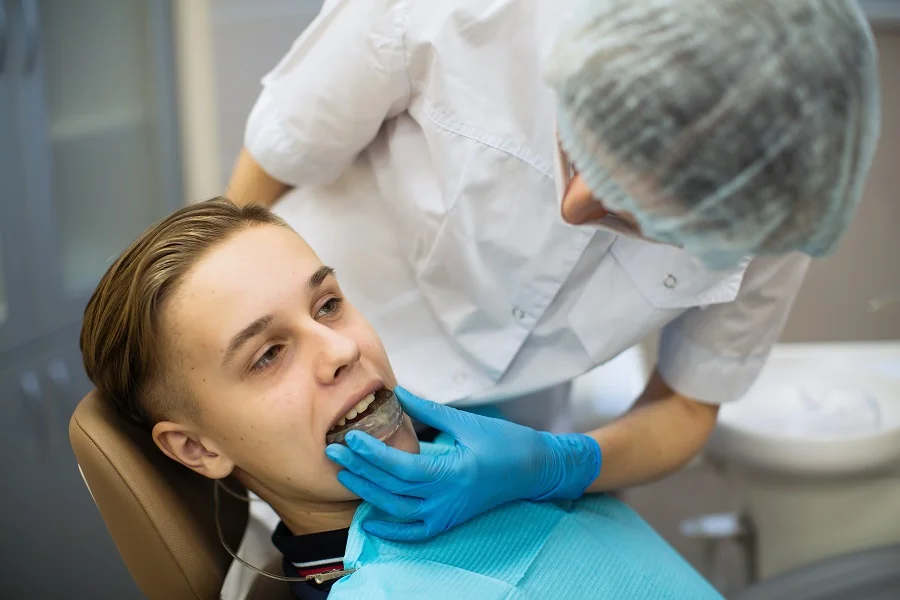
Mastering how to use a mouth guard for sleeping involves more than just placing it in your mouth before bed. The goal is to ensure the device feels like a natural extension of your anatomy. If you are struggling with how to get used to wearing a mouth guard, following a structured approach can make the transition seamless.
- Preparation: Always brush and floss your teeth before insertion. Trapping food particles between your teeth and the guard can promote decay.
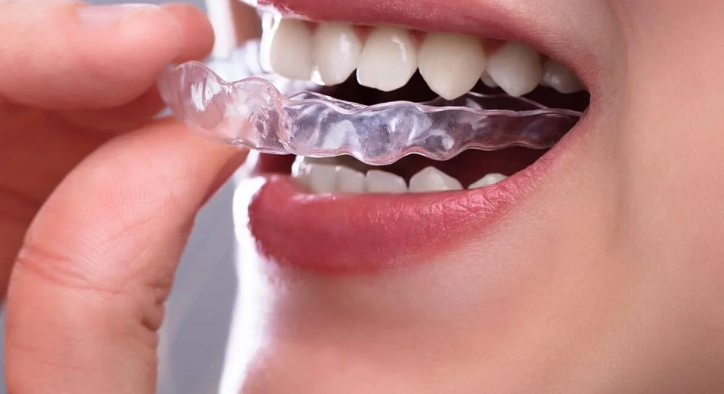
- Insertion: Place the guard over your teeth (usually the upper arch) and press up firmly with your thumbs. You should hear or feel a slight "click" as it seats into place.
- The Fit Check: It should stay in place even if you open your mouth wide. It should not feel tight to the point of pain, nor should it wiggle.
- Acclimatization: If you are learning how to get used to a mouth guard, try wearing it for 30 minutes before you actually go to sleep. This helps your brain and tongue adjust to the new object in your oral space.
Many patients wonder, should a mouth guard cover all teeth? Ideally, yes. A guard that only covers the front teeth can cause the back teeth to over-erupt over time, leading to significant bite complications.
The Science of Silence: How Oral Appliances Protect Your TMJ and Enamel
The biomechanics of a mouth guard are fascinating. By providing a few millimeters of separation between the upper and lower teeth, the guard prevents the muscles of the temporomandibular joint (TMJ) from fully engaging. This reduction in muscle tension is what provides that sought-after non-invasive joint relief in the morning.
Furthermore, the guard is a primary tool for micro-cracks prevention. Under the pressure of clenching, the enamel can develop microscopic "craze lines" that eventually turn into deep fractures. By using a guard, the material of the appliance absorbs the impact instead of your teeth. Should you wear a mouth guard every night? Clinical consensus suggests that if you show signs of attrition, consistency is key to preventing cumulative damage.
Maintenance Rituals: How to Clean and Store Your Mouth Guard Like a Pro
The longevity of your appliance—and your oral health—depends on your cleaning habits. Many patients ask, how do I stop my mouth guard from smelling? The odor is caused by a buildup of plaque and bacteria, which can thrive in the moist environment of a storage case.
- Morning Rinse: Immediately after removing the guard, rinse it with cool water. Avoid hot water as it can warp the material.
- Daily Cleaning: Use a soft toothbrush and a non-abrasive soap or specialized cleaner. How to clean your mouth guard for teeth grinding does not involve harsh chemicals or alcohol-based mouthwashes, which can degrade the acrylic.
- Deep Soak: Once a week, use an effervescent dental cleaner to remove deep-seated stains.
- Dry Storage: Always allow the guard to air dry completely before closing it in its case. Bacteria love moisture; a dry guard is a clean guard.
Mouth Guard vs. Sports Guard: Why One Size Does Not Fit All
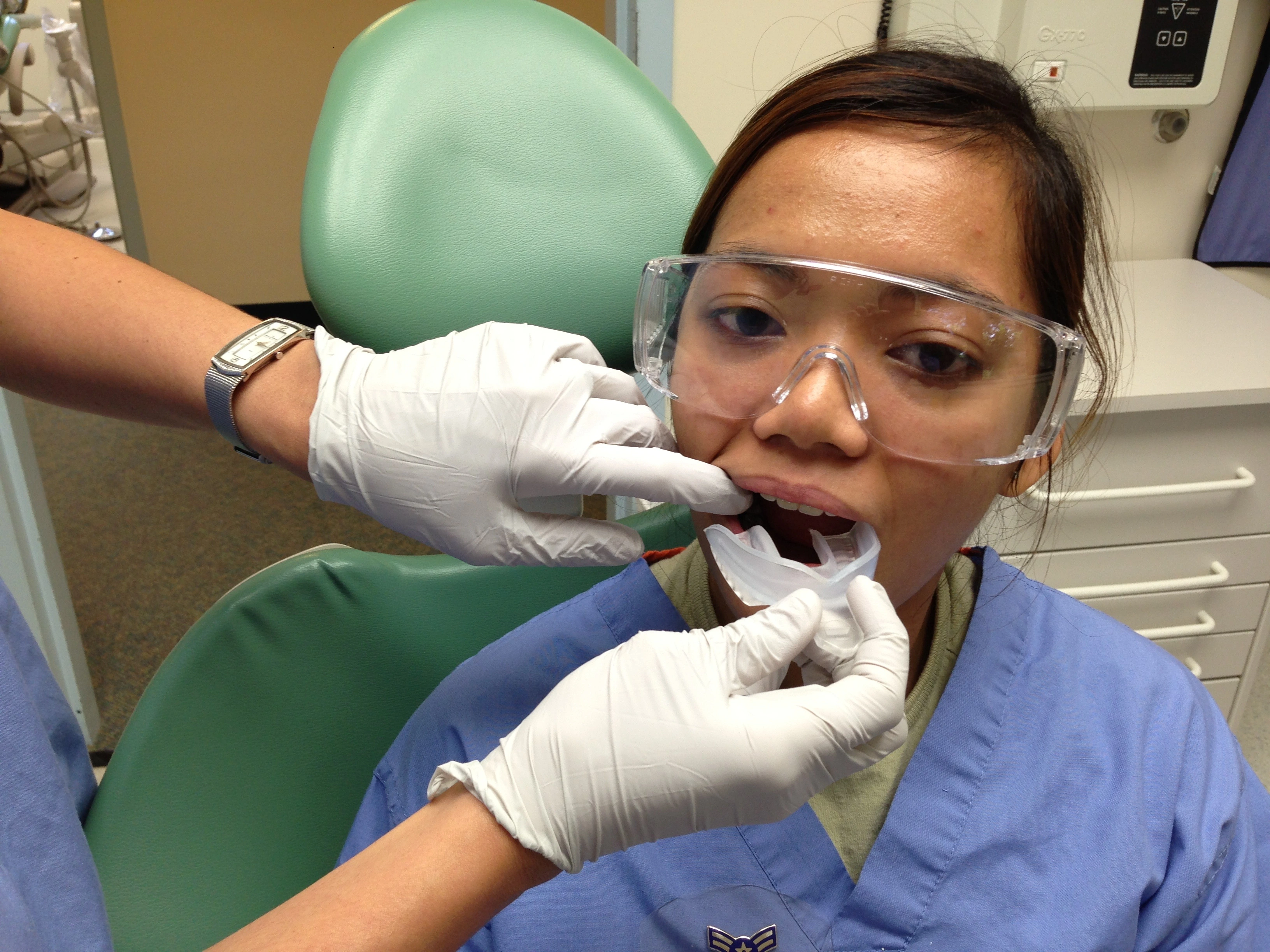
One of the most dangerous mistakes a patient can make is confusing a sports guard with a night guard. Can you sleep with a sports mouth guard? While it might seem like a cost-effective solution, the answer is a firm no. Sports guards are designed to absorb high-impact trauma; they are bulky and cover the gums, which can trap bacteria and cause gum irritation if worn for eight hours.
The difference between sports mouth guards and night guards lies in the material and the intent. A night guard is made of a hard-soft acrylic that allows the teeth to glide, whereas a sports guard is "grippy" and designed to lock the jaw in place. If you are wondering, how long do you boil a mouthguard?, you are likely looking at a "boil-and-bite" sports guard. These are rarely suitable for bruxism and can actually worsen TMJ symptoms by forcing the jaw into an unnatural position.
FAQ
Do you put a mouth guard on top or bottom teeth?
Most dentists recommend an upper guard as it is more stable and less likely to be displaced by the tongue. However, for patients with certain gag reflexes or specific jaw alignments, a lower guard might be the better choice.
Can you wear a night guard after a root canal?
Yes, but you should wait until your final permanent crown is placed. Since a night guard is custom-fitted to your tooth shape, a temporary crown might not fit the guard correctly, or the pressure could dislodge the temporary.
What is the best mouthguard for TMJ?
It is almost always a hard acrylic, custom-fabricated appliance. Soft guards can sometimes encourage the patient to "chew" on the material, which can actually increase muscle activity in the temporomandibular joint.
How often should you replace a custom mouth guard?
Generally, every 2 to 5 years. However, if you notice deep yellowing, cracks, or if the guard no longer "clicks" into place, it is time for a replacement.
How long should you wear a night guard at night?
You should wear it for the duration of your sleep, typically 7 to 9 hours. If you find yourself taking it out in the middle of the night, you may still be in the process of how to get used to a night mouth guard.
Über den Autor