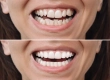
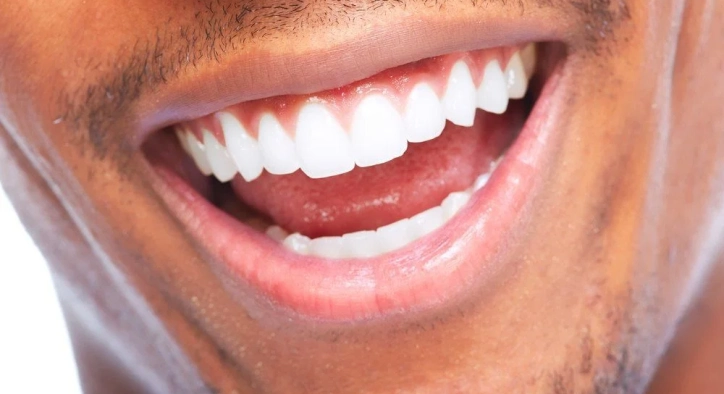
A captivating smile is one of the most expressive features of human anatomy, heavily influenced by the distinct contour, alignment, and symmetry of your teeth shape. Nature does not always grant perfectly balanced dental edges, but modern cosmetic dentistry has bridged this gap. Through a precise, minimally invasive procedure known as teeth shaping it is now possible to reshape, smooth, and balance your dental proportions seamlessly.
At Stamboul Dental Clinic, we believe that an attractive smile is not a one-size-fits-all formula. Whether you desire a highly sought-after female perfect teeth shape, wish to round off sharp canine edges, or want to fix minor overlapping, our state-of-the-art digital smile design technologies ensure that your new dental silhouette brings ultimate harmony to your natural facial contours.
Table of Content
- What is Teeth Shaping and How Does the Procedure Work?
- Decoding the Ideal Smile: What is the Most Beautiful Teeth Shape?
- Comparative Overview: Teeth Contouring vs. Advanced Alternatives
- Facial Architecture: Does Wisdom Teeth Removal Change Your Face Shape?
- Clinical Assessment and Patient Considerations
- Frequently Asked Questions (FAQ)
What is Teeth Shaping and How Does the Procedure Work?
Cosmetic teeth shaping is an artistic yet highly scientific treatment that involves the removal of microscopic amounts of dental enamel to alter the width, surface, or overall silhouette of one or more teeth. It is an ideal corrective choice for patients experiencing small chips, asymmetrical tooth margins, or overly pointed incisors.
- 3D Digital Smile Design: Scanning facial metrics to calculate ideal tooth proportions.
- Target Mapping: The clinician marks the precise micrometers of enamel to be adjusted.
- Micro-Contouring: Utilizing specialized diamond-burr instruments to gently sculpt the enamel.
- Smoothing & Polishing: Refining the surface to a high-gloss finish.
- Fluoride Sealing: Strengthening the newly sculpted enamel architecture.
Because dental enamel contains no live nerve endings, this micro-sculpting process is entirely painless. Patients do not require local anesthesia, and the results are immediately visible, making it one of the most efficient cosmetic dental treatments available in 2026.
Decoding the Ideal Smile: What is the Most Beautiful Teeth Shape?
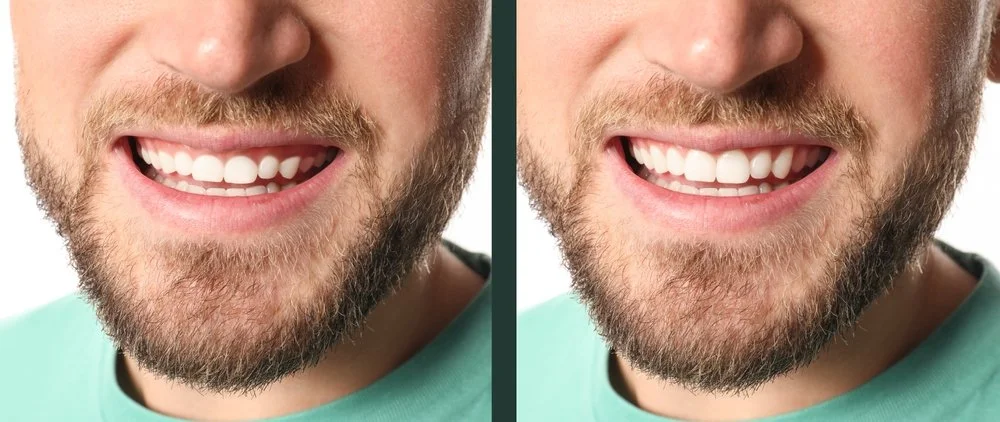
When analyzing data surrounding dental aesthetics, queries regarding the most beautiful teeth shape and attractive female teeth shapes rank exceptionally high. However, clinical dentistry evaluates beauty through geometric ratios, vertical facial thirds, and lip lines rather than generic trends.
In cosmetic dental morphology, teeth are categorized into four primary archetypes:
The Oval Dental Matrix
Characterized by soft, rounded edges, oval shapes are globally recognized as highly harmonious. This geometry is a central component when designing a classic female perfect teeth shape, as it exudes a gentle, natural elegance and softens sharp facial features.
The Square Silhouette
Defined by straight lines and sharp, parallel vertical edges. Square teeth convey a sense of strength, structure, and prominence, often favored in masculine smile restorations or to add definition to rounder face structures.
The Rectangular Layout
These teeth display an extended vertical dimension relative to their width. This architecture is highly effective at creating a youthful aesthetic, as natural teeth naturally wear down, chip, and shorten with age.
The Triangular Geometry
Showcasing a narrower base near the gumline that widens significantly toward the incisal edge. While unique, triangular teeth require precise alignment to avoid the illusion of dark triangles between the teeth.
At Stamboul, our goal is not to force a temporary trend onto your smile. We analyze the unique interaction between your interpupillary line (the line between your eyes), your lip curvature, and your ethnicity to craft an authentic smile architecture that elevates your unique facial features.
Comparative Overview: Teeth Contouring vs. Advanced Alternatives
While conservative teeth shape modifications can work wonders, more pronounced cosmetic discrepancies may require a combination of dental treatments. The table below details how reshaping compares to other modern cosmetic workflows:
Treatment | Aesthetic Objective | Core Material / Mechanics | Structural Longevity |
Teeth Shaping | Levels minor chips, unaligned edges & sharp points | Direct microscopic enamel polishing | Permanent (Enamel does not grow back) |
Composite Bonding | Adds volume, closes gaps & repairs fractures | Layered dental composite resin | 5–8 Years (Requires periodic polish) |
Porcelain Veneers | Complete makeover for color, shape & alignment | Custom-crafted ultra-thin ceramic shells | 15–20 Years (Stain-resistant premium choice) |
Facial Architecture: Does Wisdom Teeth Removal Change Your Face Shape?
Beyond the structure of the anterior teeth, a prevalent and deeply rooted myth circulates among international patients regarding the posterior teeth. Many individuals seeking orthodontic or surgical consultations frequently ask: does removing wisdom teeth change your face shape? or can wisdom teeth removal change the shape of your face?
To understand the relationship between your third molars and your jaw architecture, it is essential to look at the underlying musculoskeletal anatomy.
The Anatomical Relationship Between Molars and the Jawline
The short, scientific answer is: No, wisdom teeth removal does not alter your external face shape.
- Deep Structural Anchoring: Wisdom teeth develop within the alveolar process, which is located deep at the rear of the jawbone. They are situated significantly further back than the structural bones responsible for your facial perimeter.
- Facial Width Factors: Your external facial width, the prominence of your cheekbones, and the definition of your jawline are determined by your mandibular angle, the thickness of your masseter masticatory muscle, and the buccal fat pad (the fat deposits within your cheeks).
- The Post-Surgical Illusion: Why do so many patients online insist that they noticed a slimmer face after their procedure? This misconception stems from a temporary post-operative timeline. Following a wisdom teeth removal, patients experience localized swelling that peaks within 48 to 72 hours. Once this inflammation subsides, combined with a softer diet during recovery, the face appears visibly leaner. However, the foundational skeletal and muscular dimensions remain entirely unchanged.
Therefore, expecting a surgical extraction to contour your face or make your cheeks look hollow is anatomically unfounded. For true jawline contouring or facial slimming, professional treatments such as masseter Botox, orthodontic jaw alignment, or structural orthognathic surgeries are the correct clinical paths.
Clinical Assessment and Patient Considerations
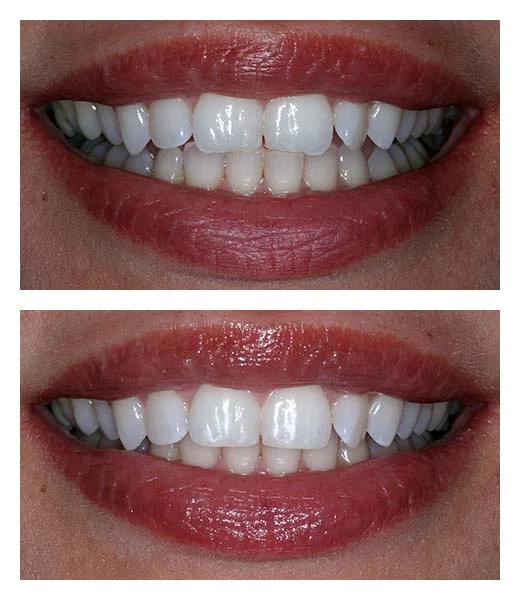
Before undergoing any enamel alteration, a comprehensive examination is paramount. At Stamboul, our diagnostic phase utilizes digital X-rays to assess the exact thickness of your enamel coat. If the enamel layer is too thin, alternative non-invasive routes are planned to safeguard your oral health.
Furthermore, teeth contouring is frequently combined with professional teeth whitening or clear aligner therapies to maximize the cosmetic outcome, ensuring that every angle of your smile radiates health and balance.
Frequently Asked Questions (FAQ)
Will teeth shaping cause long-term dental sensitivity?
No, when executed within safe clinical parameters. At Stamboul, our cosmetic dentists remove less than 0.5 millimeters of the outer enamel layer. This keeps the protective barrier of your tooth fully intact. Following the micro-contouring, we apply a concentrated fluoride sealant to remineralize the surface and prevent post-treatment sensitivity.
How much does professional teeth shaping cost in Istanbul?
The total investment depends entirely on the complexity of your dental alignment and the number of teeth requiring contouring. Because shaping is often paired with an overall Smile Design or teeth whitening regimen, we provide a transparent, personalized pricing layout following your digital assessment at Stamboul.
Are there any medical contraindications to having your teeth reshaped?
Yes. If a patient presents with worn down enamel, active decay, structural root exposure, or advanced periodontal disease, enamel contouring is contraindicated. For these cases, our specialists utilize non-invasive restorative techniques, such as composite additions, to achieve the desired teeth shape without compromising structural integrity.
Can wisdom teeth change the shape of your face if they are impacted?
No. Impacted wisdom teeth can cause severe dental crowding, localized infection, and damage to adjacent molars, but they lack the structural leverage to shift your dense mandibular bone or alter your external facial soft tissue. Timely removal is vital for your oral health, but it will not impact your facial silhouette.
How long does the teeth shaping appointment take?
A standard session usually takes between 30 to 60 minutes, depending on how many teeth are being addressed. It is a highly efficient walk-in, walk-out treatment with absolutely no downtime required afterward.
Über den Autor