Maintaining a healthy, balanced smile plays a fundamental role in your overall facial harmony and daily social confidence. When natural enamel develops small structural flaws individuals regularly seek efficient cosmetic corrections. For major modifications, comprehensive ceramic restorations remain the standard choice. However, for minor to moderate physical imperfections, a highly conservative and rapid alternative offers exceptional, seamless results: the custom composite bonding protocol.
At Stamboul, we view cosmetic dentistry as an artistic craft that must be carefully tailored to your unique facial features. We recognize that many patients feel hesitant about undergoing permanent, invasive dental alterations that require structural tooth reduction. Modern adhesive materials allow our clinical specialists to reshape your smile line while preserving the biological framework of your mouth completely.
As non-invasive cosmetic design in 2026 prioritizes enamel preservation and single-visit efficiency, utilizing high-grade resin layers has become an incredibly popular way for international travelers to refresh their appearance without downtime.
Table of Content
- What Is Composite Bonding?
- Composite Bonding vs. Porcelain Veneers: Understanding The Trade-Offs
- Cosmetic Issues That Direct Dental Bonding Can Solve
- The Step-By-Step Composite Bonding Procedure
- What Affects The Composite Bonding Cost In Turkey?
- Aftercare tips: Keeping your resin restoration bright and intact
- FAQ: Frequently Asked Questions
What Is Composite Bonding?
Reviewing the baseline mechanics of a direct resin restoration helps clarify what is composite bonding and how it functions as a non-invasive cosmetic solution. This clinical treatment involves the application of a durable, tooth-colored composite resin to the surfaces of your existing teeth. The material begins as a pliable, clay-like compound, allowing the dentist to manually manipulate, mold, and sculpt its dimensions to achieve an ideal shape.
When performing composite bonding teeth refinements, the cosmetic dentist matches the resin shade to the natural color gradients of your surrounding teeth. Once the desired contours are sculpted, a high-intensity ultraviolet curing light is applied to polymerize and harden the resin rapidly. This method makes teeth composite bonding a highly adaptive choice, allowing for precise structural adjustments on individual teeth or across an entire arch to establish a beautifully synchronized smile line.
Composite Bonding vs. Porcelain Veneers: Understanding The Trade-Offs
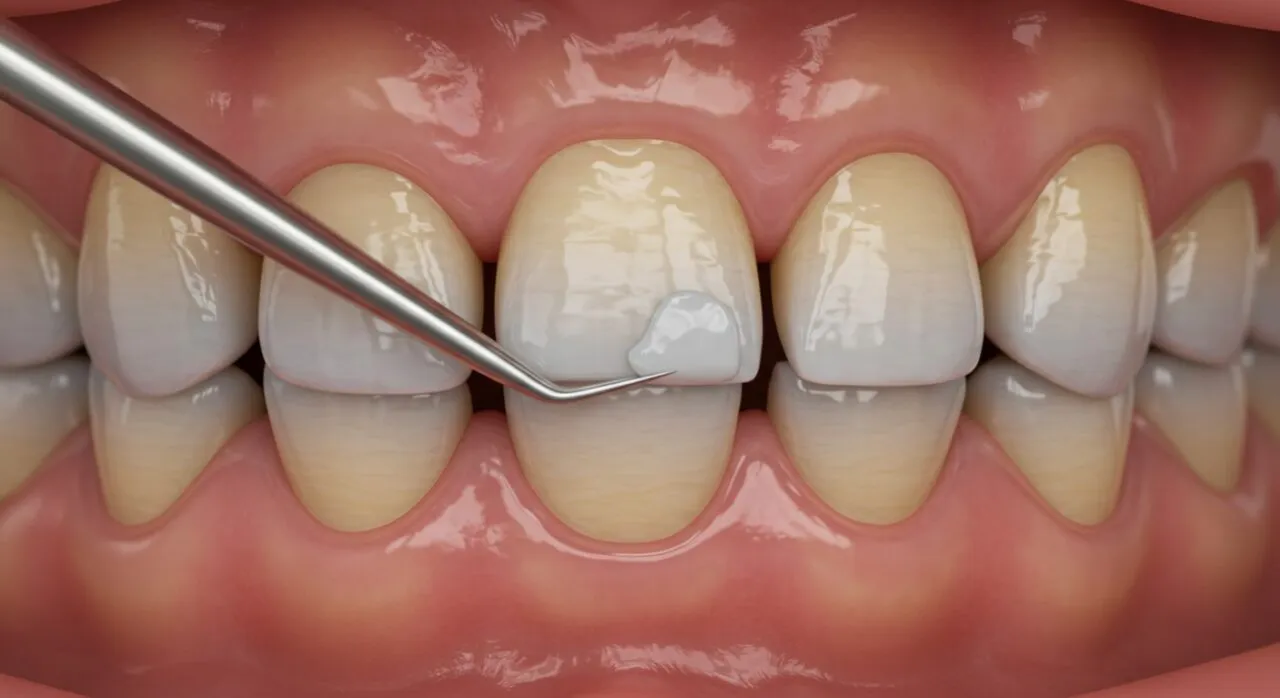
When analyzing options for a comprehensive smile transformation, patients frequently evaluate composite bonding vs veneers pathways. Both options correct visual imperfections, but their application methods, longevity, and structural requirements vary significantly.
The core difference between composite bonding and porcelain veneers rests on how much of your natural enamel must be permanently altered. Porcelain veneers are ultra-thin ceramic shells fabricated in an external laboratory, requiring the dentist to shave away a micro-layer of your tooth surface to ensure a flush fit. In contrast, dental composite bonding is a completely additive procedure. The resin binds directly to the exterior of your enamel without any permanent drilling or filing, keeping your natural tooth structure fully intact beneath the restoration.
Furthermore, looking at how long does composite bonding last compared to ceramic work reveals a clear trade-off. While high-end porcelain units can easily resist stains and structural wear for 10 to 15 years, composite material stays in optimal condition for roughly 5 to 7 years before requiring a professional repolishing session. However, the non-prep nature of resin means the process is entirely reversible, giving patients complete flexibility for their future care plans.
Cosmetic Issues That Direct Dental Bonding Can Solve
Utilizing a premium composite resin bonding teeth protocol allows cosmetic dentists to address multiple aesthetic and minor functional concerns simultaneously within a short timeframe.
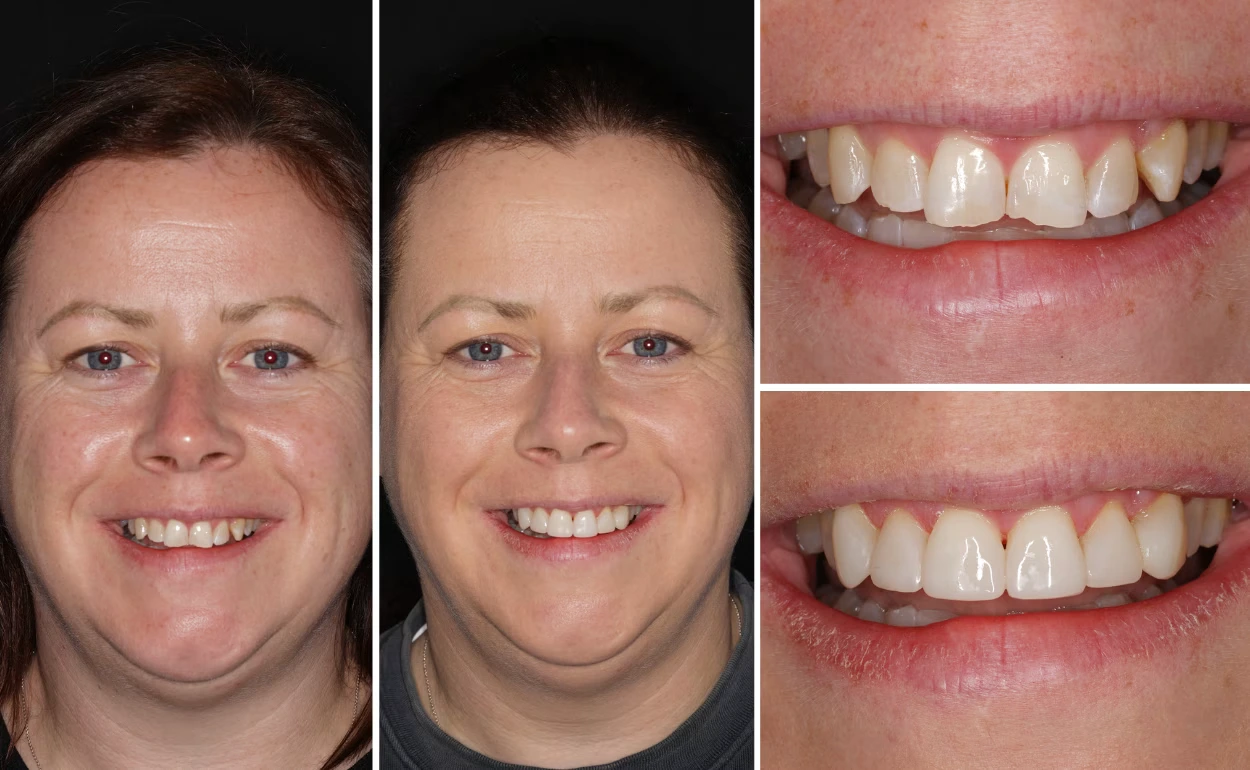
- Chipped or Cracked Edges: Repairing a fractured biting edge caused by an accident or general wear, instantly restoring a uniform tooth length.
- Closing Diastemas (Gaps): Closing small spaces between adjacent teeth without the need for long-term orthodontic appliances or metal braces.
- Reshaping Short or Uneven Teeth: Extending the vertical length of short incisors to create a more youthful, symmetrical smile line.
- Masking Permanent Discoloration: Covering deeply stained enamel areas that do not respond to traditional chemical teeth whitening gels.
The Step-By-Step Composite Bonding Procedure
Undergoing a modern turkey composite bonding session is a straightforward, highly streamlined experience that is comfortably completed in a single afternoon.
The dental bonding procedure begins with a meticulous cleaning of the target teeth to remove any surface plaque or soft debris. Next, the dentist references a detailed shade guide to select the exact resin color that matches your natural teeth, ensuring the final piece blends in invisibly. The tooth surface is then treated with a mild, medical-grade etching gel that creates microscopic roughness on the enamel, a vital step that allows the liquid bonding agent to adhere securely.
Once the foundation is prepared, the dentist begins applying the composite resin in thin, successive layers. The clinician uses specialized hand instruments to sculpt the material, replicating the subtle ridges and contours of a real tooth. After each layer is applied, a specialized UV light is directed at the tooth to cure and harden the resin in seconds.
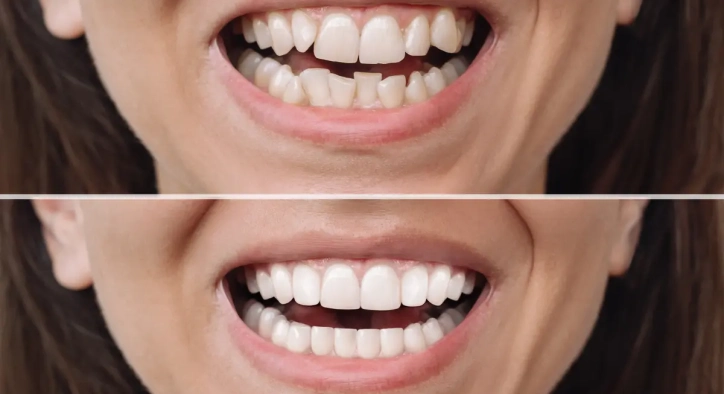
The final, critical stage involves using high-gloss polishing discs to smooth out the margins and generate a healthy, translucent luster that catches natural light beautifully. Reviewing a patient's composite bonding before and after profile showcases how much these precise polishing steps elevate the final result.
What Affects The Composite Bonding Cost In Turkey?
The financial commitment required for direct cosmetic treatment is a key aspect for international patients organizing their dental health travel budgets. Researching composite bonding cost structures shows that arranging your treatment via a composite bonding turkey pathway provides an exceptional practical advantage.
When asking how much is composite bonding, the final price tag is determined by several specific clinical factors rather than a single fixed fee. The total number of teeth receiving treatment, the complexity of the structural chips being filled, and whether you require an initial deep cleaning or laser gum leveling all shape the final budget.
Because regional facility overhead and administrative costs are lower in Istanbul, patients can access top-tier clinical skill and premium European or American nano-composite materials at a highly accessible value. This straightforward treatment is completed without laboratory delays, allowing you to optimize your budget while enjoying a comfortable stay in a vibrant cultural destination.
Feature / Protocol | Composite Bonding | Porcelain Veneers |
Enamel Reduction | None (100% Additive process) | Minimal (0.3mm to 0.5mm surface shave) |
Treatment Timeline | How long does composite bonding take? Just a single visit (1–3 hours) | Requires 2 to 3 visits across 5–7 days |
Material Longevity | Looking at a composite bonding after 5 years status, it may require a quick repolish | Typically lasts 10 to 15+ years with basic care |
Reversibility | Completely reversible at any stage | Permanent alteration of the tooth profile |
Aftercare tips: Keeping your resin restoration bright and intact
The long-term success and continuous luster of your direct composite work depend heavily on your home maintenance habits and regular care tracking over the years.
While modern nano-hybrid resins feature excellent stain resistance, composite material remains slightly more porous than dental porcelain. To prevent surface discoloration, you should minimize your exposure to heavily pigmented items especially during the first 48 hours following your appointment while the resin fully stabilizes.
Additionally, you must avoid using your bonded teeth as tools to bite tape, open packaging, or chew on exceptionally hard items like ice cubes or unpopped popcorn kernels, as intense focal pressure can fracture the resin edge. Maintaining a disciplined routine of brushing twice a day with a non-abrasive paste and flossing every evening ensures your margins stay perfectly clean, preserving your bright, healthy smile for years to come.
FAQ: Frequently Asked Questions
How long does composite bonding last on front teeth?
With regular home hygiene, routine professional cleanings, and the avoidance of biting down on exceptionally hard objects, a custom composite restoration on your front teeth typically stays in excellent condition for 5 to 7 years. If the material becomes slightly dull or picks up surface stains over time, a dentist can easily repolish it back to its original shine in a single brief visit.
Can composite bonding fix gaps between teeth without braces?
Yes, closing small gaps or spaces between teeth is one of the most common uses for this procedure. The composite resin is carefully layered on the sides of the teeth facing the gap, widening them slightly to close the space seamlessly and create an even, continuous smile line without orthodontic treatment.
Does composite bonding stain from coffee or smoking?
Yes, composite resin can gradually pick up surface staining over the years if it is frequently exposed to dark pigments like coffee, tea, berries, or nicotine. To maintain a bright appearance, it helps to rinse your mouth with water after consuming pigmented items and to avoid highly abrasive whitening toothpastes that can create micro-scratches on the resin surface.
Is composite bonding painful to get?
Not at all. Because the procedure is completely additive and does not require removing or drilling away your natural enamel, it is entirely painless. Most patients complete the session comfortably without needing any local anesthesia or numbing injections.
Can composite bonding ruin your natural teeth?
No, it cannot harm your natural teeth. Because the process does not require permanent shaving or structural drilling, your underlying enamel remains completely safe and healthy underneath the resin layer, making the treatment safe and fully reversible.
How many sessions does composite bonding take?
Direct composite treatment is performed entirely chairside in a single day. The process does not require waiting for external laboratory manufacturing, meaning you can walk into the clinic with minor smile imperfections and leave a few hours later with a fully transformed smile.
Über den Autor