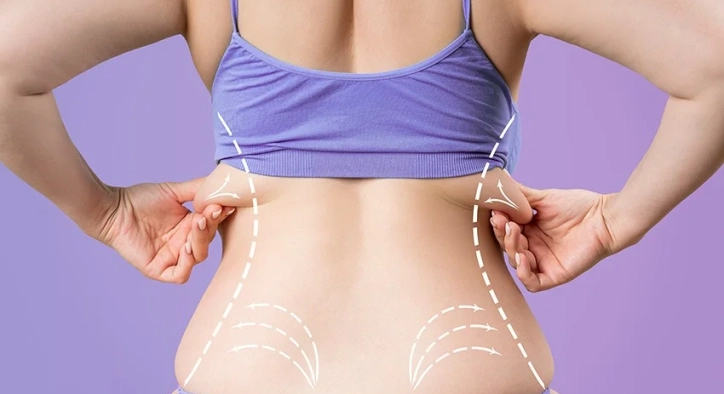
Achieving substantial weight loss through bariatric procedures or dedicated lifestyle discipline is an extraordinary personal milestone. However, the subsequent biological loss of dermal elastin frequently leaves patients with extensive, deflated folds of redundant skin across the posterior thorax. Characterized by tiered rolls of loose tissue cascading across the shoulder blades, under the armpits, and directly along the bra strap line, these folds cause chronic skin chafing, intertrigo, foul odors, and severe self-consciousness in fitted clothing or swimwear.
While patients frequently search for targeted upper back fitness routines, exercise cannot contract mechanically stretched, inelastic skin envelopes. Standard abdominal contouring procedures like tummy tucks pull tissue downward toward the pelvis, leaving upper thoracic folds completely untreated. In contemporary post-bariatric and aesthetic plastic surgery, an upper back lift (clinically known as a bra-line back lift or upper torsoplasty) provides the definitive surgical solution to excise redundant skin and sculpt a smooth posterior contour.
At Stamboul Clinic, we coordinate specialized post-bariatric body sculpting and advanced torsoplasty procedures in accredited hospital facilities in Istanbul. Whether you are researching an all-inclusive medical trip to Turkey, investigating why upper back lift exercise cannot tighten stretched dermal tissue, reviewing incision design to minimize an upper back lift scar, analyzing genuine tissue transitions in upper back lift before and after patient profiles, or evaluating dynamic variables behind surgical costs, this comprehensive guide delivers deep clinical data and recovery protocols.
Table of Content
- What Is an Upper Back Lift?
- Exercise Realities vs. Surgical Excision: Can Workouts Tighten Back Folds?
- Incision Design and Scar Placement: Concealing the Bra-Line Scar
- Upper Back Lift vs. Reverse Abdominoplasty vs. 360 Lower Body Lift
- Recovery Timeline: Healing Milestones and Compression Protocols
- Visual Proof: Upper Back Lift Before and After Transformations
- Cost Determinants: Understanding Surgical Pricing Variables
- Frequently Asked Questions (FAQ)
- Can an upper back lift be combined with a breast lift or reduction?
- How noticeable is the scar after an upper back lift has fully healed?
- What is the difference between an upper back lift and back liposuction?
- How long must I wait after bariatric weight loss before undergoing an upper back lift?
- Why do upper back lift prices vary between different patients?
What Is an Upper Back Lift?
To establish a clear medical foundation, let us examine what happens during an upper back lift surgery from an anatomical and biomechanical perspective. Clinically categorized as a posterior upper trunk dermolipectomy, this procedure is performed under general anesthesia as an inpatient surgery lasting roughly 2 to 3 hours.
THE UPPER TORSOPLASTY SURGICAL SEQUENCE:
[Pre-Op Standing Bra-Line Mapping] ➡️ [Tumescent Infiltration & VASER Liposuction of Flanks] ➡️ [Horizontal Elliptical Skin & Adipose Excision] ➡️ [Deep Fascial Anchoring to Latissimus / Trapezius Fascia] ➡️ [Multi-Layer Tension-Free Dermal Closure]
The Triad of Upper Back Roll Formation
Redundant tissue across the posterior thorax stems from three distinct anatomical elements:
- Dermal Elastosis: Following massive weight loss or biological aging, the skin loses its reticular collagen architecture, preventing it from snapping back over a smaller frame.
- Fibro-Fatty Hypertrophy: The subcutaneous fat of the upper back is dense, fibrous, and tightly bound by horizontal connective tissue bands (retinacula cutis), creating distinct tiered rolls that fold over one another.
- Upper Torsoplasty Mechanism: The plastic surgeon meticulously designs a horizontal elliptical incision that encompasses the excess skin and dense adipose layers across the mid-to-upper back. By anchoring the lower mobile skin flap upward to the strong, stationary deep fascia of the back muscles, the surgeon smooths the entire posterior torso.
Exercise Realities vs. Surgical Excision: Can Workouts Tighten Back Folds?
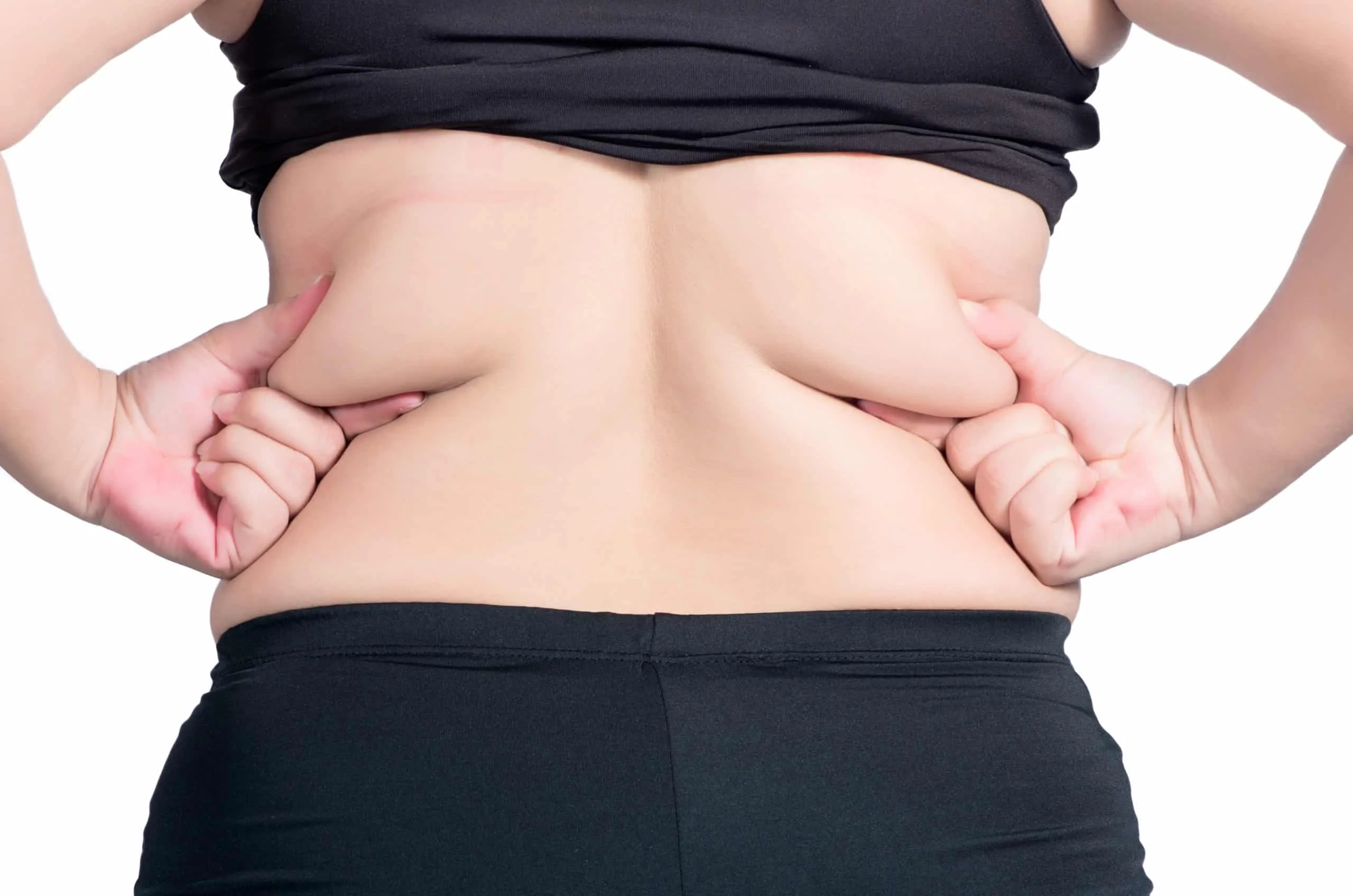
A primary question among individuals struggling with posterior folds is whether dedicated resistance training can eliminate them without surgery.
EXERCISE VS. SURGICAL INTERVENTION:
- Targeted Back Exercises (Lat Pulldowns, Rows): Hypertrophies latissimus and trapezius muscles; does not tighten excess skin.
- Caloric Restriction / Cardio: Further depletes subcutaneous fat volume; worsens skin redundancy and deflated hang.
- Surgical Upper Back Lift: Physically excises stretched, excess cutaneous tissue; permanently smooths the back contour.
While performing an upper back lift exercise protocol, including barbell rows, lat pulldowns, face pulls, and deadlifts, strengthens the underlying musculoskeletal frame and burns calories, muscle hypertrophy occurs deep beneath the deep fascia. Muscle expansion cannot shrink an overstretched, inelastic dermal envelope. In fact, losing additional fat through exercise often deflates the back rolls further, causing the skin to hang more noticeably. When significant dermal excess is present, surgical excision remains the only clinically proven mechanism to achieve a flat, taut back.
Incision Design and Scar Placement: Concealing the Bra-Line Scar
Managing patient expectations regarding the post-operative scar is a crucial component of planning an upper torsoplasty.
THE BRA-LINE SCAR CONCEALMENT PROTOCOL:
- Pre-Operative Garment Matching: The incision line is marked while the patient stands wearing their favorite bra or bikini top.
- Low-Tension Multi-Layer Closure: The mechanical tension of the lift is borne entirely by deep fascial suspension sutures.
- Horizontal Concealment: The mature, faded surgical line remains completely hidden beneath standard bra straps and two-piece swimwear.
The surgeon marks the planned incision with the patient standing naturally while wearing their preferred undergarment or bikini top. The entire excision ellipse is positioned within this boundary. Although the horizontal scar extends across the mid-back (from the lateral border of one shoulder blade to the other), it heals into a flat line that rests directly underneath the horizontal band of bras, athletic tops, and swimsuits.
Upper Back Lift vs. Reverse Abdominoplasty vs. 360 Lower Body Lift
Patients evaluating body contouring after significant weight loss must understand which procedures address specific anatomical vectors.
PROCEDURAL VECTORS COMPARISON:
- Upper Back Lift (Bra-Line Lift): Pulls mid-to-upper back skin upward and inward; conceals scar in horizontal bra line.
- 360 Lower Body Lift (Belt Lipectomy): Pulls lower back, buttocks, and abdomen downward toward the hips; treats lower torso only.
- Reverse Abdominoplasty: Pulls upper abdominal skin upward into the inframammary fold; treats anterior upper abdomen.
Clinical Parameter | Upper Back Lift (Bra-Line Torsoplasty) | 360 Lower Body Lift (Belt Lipectomy) | Reverse Abdominoplasty |
Primary Target Zone | Upper back rolls, bra folds, axillary laxity | Lower back rolls, buttock sag, lower abdomen | Upper abdominal laxity below breasts |
Direction of Vector Lift | Upward & horizontal across mid-back | Downward toward hips & pelvis | Upward toward breast crease |
Incision Location | Horizontal line across mid-thorax | Circumferential line along bikini waist | Inframammary fold beneath breasts |
Typical Inpatient Stay | 1 to 2 nights in hospital | 2 to 3 nights in hospital | 1 night in hospital |
Initial Desk Work Return | 10 to 14 days | 2 to 3 weeks | 10 to 14 days |
Recovery Timeline: Healing Milestones and Compression Protocols
Because the incision spans the mobile posterior thorax, adhering to post-operative recovery protocols ensures clean wound healing without widening the scar.
THE POST-OPERATIVE RECOVERY TIMELINE:
- - Days 1 to 3: Acute Healing ➡️ Mild thoracic tightness; temporary surgical drains in place; medical compression vest worn 24/7.
- Days 7 to 10: Drain Clearance ➡️ Drains removed once output drops below 30 ml/day; return to light desk work and walking.
- Weeks 3 to 4: Mobility Normalization ➡️ Gentle arm elevation allowed; sleeping flat becomes comfortable; scar care initiated.
- Weeks 6 to 8: Active Clearance ➡️ Medical compression vest discontinued; gym workouts and light running safely resumed.
- Months 6 to 12: Final Scar Maturation ➡️ Incision fades from pink to a thin, pale white line; back tightness fully normalizes.
Patients must wear a specialized medical upper-body compression vest day and night for the first four to six weeks. Sleeping on your back with the upper body slightly elevated on pillows, or sleeping comfortably on your side, avoids excessive mechanical pressure on the incision. Strenuous overhead arm reaching, heavy weight lifting, and twisting must be avoided for six weeks to prevent pulling on the healing deep fascial sutures.
Visual Proof: Upper Back Lift Before and After Transformations
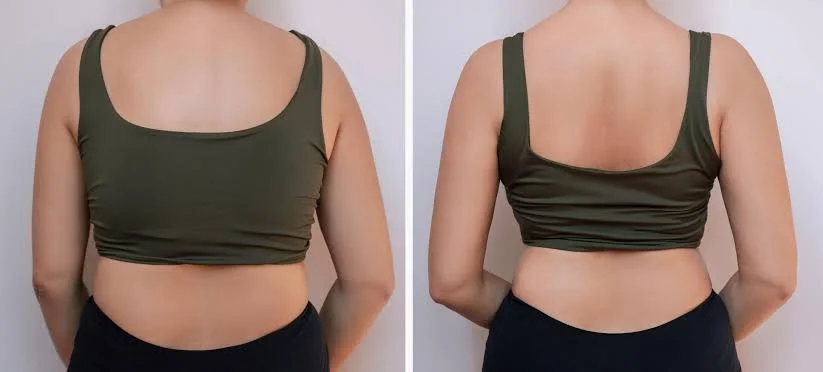
Reviewing authentic upper back lift before and after patient profiles demonstrates how removing redundant posterior tissue restores a smooth, youthful silhouette:
The clinical transformation eliminates multiple cascading skin folds, smooths the transition beneath the underarms, and allows clothing to drape smoothly against the back without bulging over undergarment straps.
Cost Determinants: Understanding Surgical Pricing Variables
When evaluating upper torso contouring, prospective patients should note that surgical fees are customized based on clinical complexity rather than a single fixed rate. The overall financial investment is determined by several clinical and logistical variables:
- Extent of Tissue Redundancy: A focused central mid-back excision involves different operative theater time than an extended torsoplasty wrapping around the lateral chest wall toward the breasts.
- Complementary VASER Liposuction: Adding ultrasonic liposuction across the posterior flanks, waist, or axillary fat pads to sculpt smooth transitions alters surgical duration.
- Combination Procedures: An upper back lift is frequently combined with a breast reduction, breast lift (mastopexy), or brachioplasty (arm lift), sharing facility, anesthesia, and hospital overhead.
- Hospital Facility & Inpatient Care: Performing major post-bariatric surgery under general anesthesia in an accredited hospital with one to two nights of dedicated post-operative nursing care shapes the clinical fee framework.
- Comprehensive Logistics: All-inclusive medical packages in Turkey incorporating VIP airport transfers, hotel accommodations, hospital stays, compression garments, and follow-up care create variable pricing tiers.
Because surgical plans are customized to individual tissue laxity, exact quotations are established following a personalized clinical evaluation. The matrix below outlines relative regional price structures for 2026:
Healthcare Destination / Region | Cost Structure & Price Variability | Relative Price Level | Typical Package Framework |
United States (USA) | High variability by surgeon & state | Very High | Surgery Only (Facility, Hospital Stay & Garments Extra) |
United Kingdom (UK) | Variable by private clinic & complexity | High | Surgery Only (Consultations & Aftercare Invoiced Separately) |
Germany / Switzerland | Variable by medical fee scale (GOÄ) | High | Surgery Only (Hospitalization & Meds Invoiced Separately) |
Stamboul (Turkey) | Dynamic Custom Package | High Value / Accessible | Comprehensive (Hospital Stay, Hotel, VIP Transfers & Care) |
Frequently Asked Questions (FAQ)
Can an upper back lift be combined with a breast lift or reduction?
Yes. Combining an upper back lift with a breast lift (mastopexy) or breast reduction is one of the most common and effective post-bariatric combinations. The incision lines can be aligned continuously around the thorax (a circumferential upper body lift), allowing the surgeon to reshape the breasts, eliminate side bra rolls under the arms, and flatten the upper back during a single surgical and recovery period.
How noticeable is the scar after an upper back lift has fully healed?
While the surgical scar extends horizontally across the back, its position is planned to sit directly beneath a standard bra strap, sports bra band, or bikini top. Over the course of six to twelve months, with consistent silicone gel therapy and sun protection, the scar flattens and fades from pink to a pale, thin line that remains concealed beneath clothing.
What is the difference between an upper back lift and back liposuction?
Back liposuction removes localized fat deposits using small cannulas, but relies entirely on skin elasticity to contract over the smaller volume. If a patient has significant skin redundancy, loose folds, or poor skin tone from massive weight loss, liposuction alone will leave the skin deflated, wrinkled, and hanging. An upper back lift removes the loose excess skin and fat surgically, providing true structural tightening.
How long must I wait after bariatric weight loss before undergoing an upper back lift?
You should be at a stable, plateaued body weight for at least 3 to 6 months (typically twelve to eighteen months following bariatric surgery), with a stable Body Mass Index (BMI). Undergoing body contouring surgery while still losing weight can lead to residual skin laxity, requiring secondary touch-up procedures later.
Why do upper back lift prices vary between different patients?
Pricing varies because treatment plans depend on whether the patient requires an isolated back excision or an extended torsoplasty wrapping into the axilla, whether VASER liposuction is integrated to thin dense fat pads, whether it is combined with a breast procedure, and the required length of post-operative hospital observation.
Über den Autor