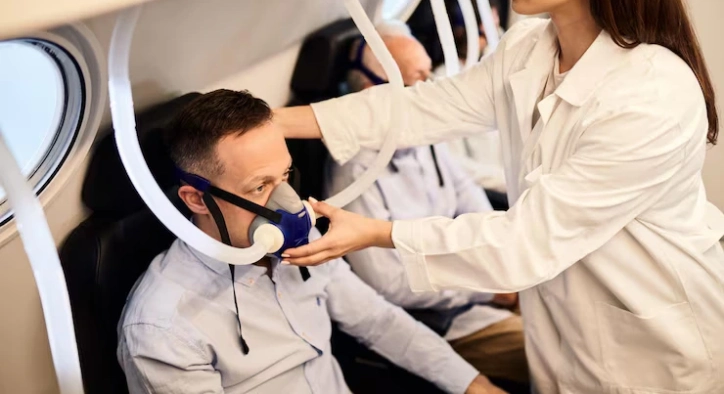
The biological success of a micro-surgical hair restoration depends entirely on how quickly the newly placed hair grafts can establish a steady blood supply in the recipient area. During the first 72 hours, the transferred hair follicles are completely cut off from the body's natural circulation, surviving only on local tissue fluid. This critical window of limited oxygen, clinically known as temporary ischemia, is when fragile hair roots are most vulnerable. To shorten this risky phase and speed up tissue repair, modern clinics use an advanced medical recovery protocol: hyperbaric oxygen therapy after hair transplant surgery.
At Stamboul Clinic, we combine precise surgical techniques with state-of-the-art post-operative care to ensure optimal results. Utilizing a professional hyperbaric chamber after hair transplant sessions has become a leading method for supporting recovery. Whether you are looking into hyperbaric oxygen therapy for hair growth stimulation, checking the timeline for how long do the effects of hyperbaric oxygen therapy last, or wondering how pure oxygen protects your new look, this clinical guide delivers deep insights into the science of hyperbaric recovery.
Table of Content
How Pure Oxygen Protects Newly Placed Hair Grafts?
To understand this treatment option clearly, let us analyze the physical laws behind the therapy. Under standard conditions, our red blood cells carry oxygen throughout the body, leaving the surrounding blood plasma with very little gas content. Inside a hyperbaric chamber, the atmospheric pressure is increased to 1.5 to 2.0 times normal levels while the patient breathes 100% pure medical-grade oxygen.
THE HYPERBARIC EXTRA-OXYGEN PROTOCOL:
- Increased Chamber Pressure ➡️ High Oxygen Concentration ➡️ Plasma Super-Saturation ➡️ Instant Tissue Delivery ➡️ Rapid Graft Survival
This combination follows Henry's Law of gas solubility, forcing high amounts of pure oxygen to dissolve directly into your blood plasma. Because blood plasma moves freely into small spaces where red blood cells cannot fit, it bypasses damaged micro-capillaries and delivers vital oxygen directly to the healing hair roots. This instantly reverses tissue hypoxia (low oxygen levels), gives the cells the energy needed to repair themselves, and significantly increases graft survival rates during the critical early days of recovery.
The Benefits of Hyperbaric Oxygen Therapy for Hair Growth
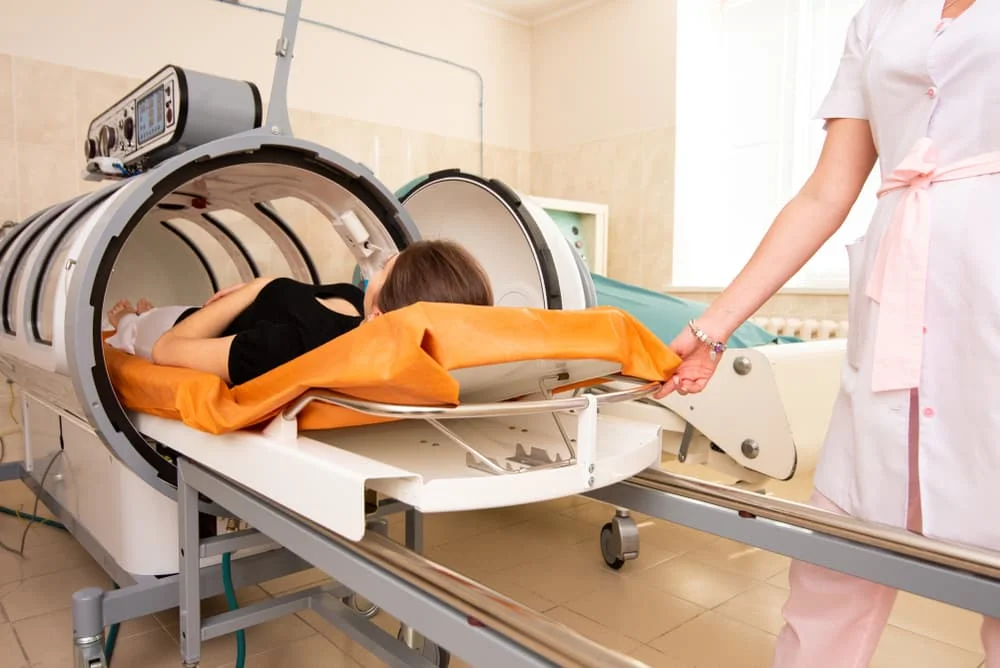
Using targeted oxygen therapy provides multiple advantages that support both early tissue recovery and long-term hair density:
- Accelerated Micro-Vascular Repair: High oxygen levels stimulate the release of vascular endothelial growth factors (VEGF), helping the scalp rebuild its fine capillary network around the new hair roots faster.
- Rapid Reduction in Tissue Swelling: Hyperbaric sessions trigger a healthy narrowing of blood vessels without lowering oxygen delivery. This helps clear away post-operative fluids quickly, keeping facial swelling to a minimum.
- Enhanced Anti-Bacterial Protection: Flooding the scalp tissue with pure oxygen strengthens your body's immune response, killing anaerobic bacteria and significantly lowering the risk of post-op skin infections.
- Faster Clearance of Micro-Scabs: Supporting cellular energy production accelerates epidermal repair, allowing the tiny micro-scabs around your Sapphire FUE or DHI channels to clear away smoothly within 7 to 8 days instead of the standard 10 to 12.
How Long Do the Effects of Hyperbaric Oxygen Therapy Last?
When planning their aftercare routine, patients routinely ask our medical coordinators: how long do the effects of hyperbaric oxygen therapy last within the scalp tissue?
The physical super-saturation of oxygen in your blood plasma returns to normal levels within a few hours after leaving the chamber. However, the cellular changes triggered by the treatment last much longer. A standard course of 3 to 5 sessions kicks off a biological cascade that keeps tissue repair active for several weeks, supporting long-term hair growth and helping the follicles move out of their resting phase smoothly.
Comparing Standard Aftercare and Hyperbaric Workflows
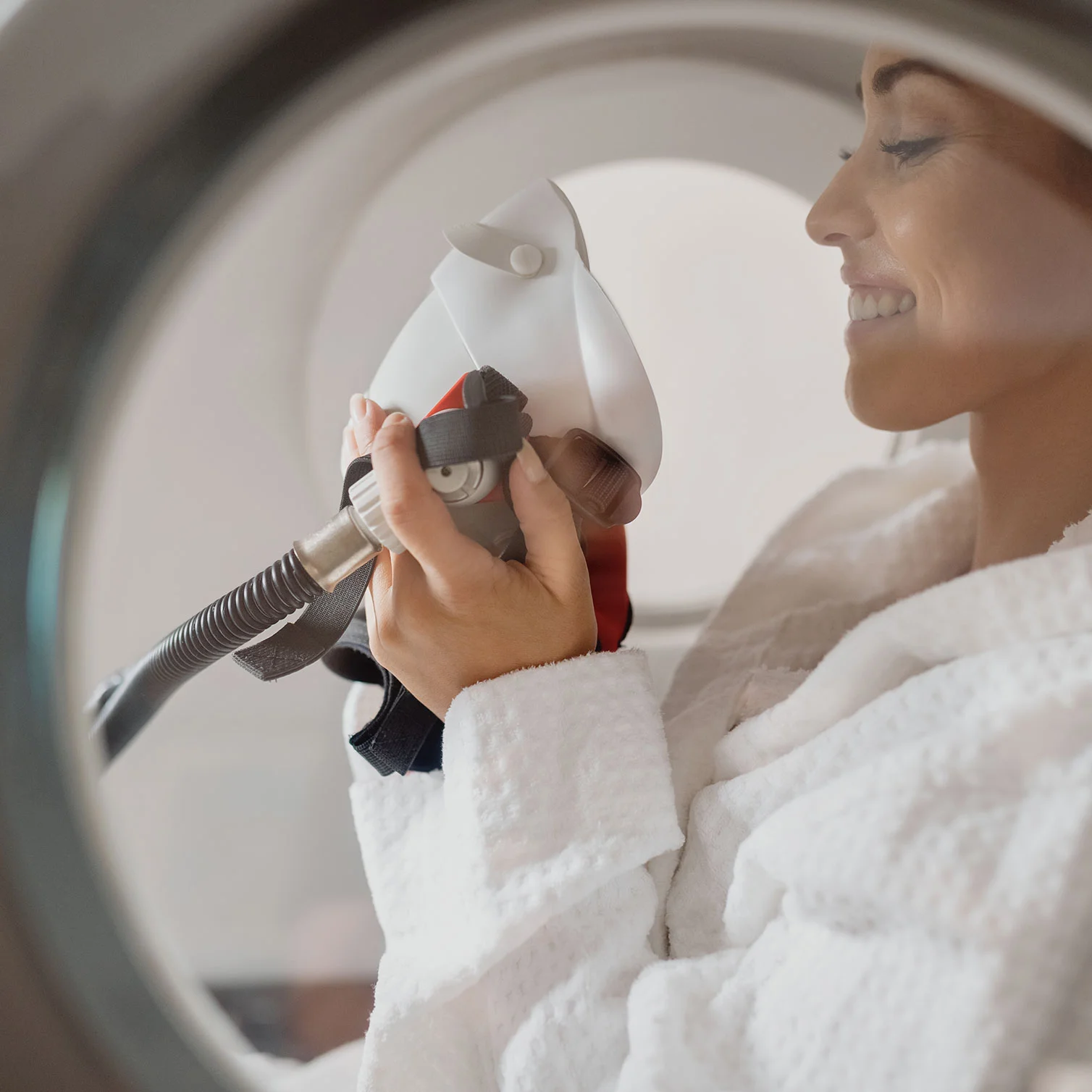
Combining high-pressure oxygen therapy with standard aftercare guidelines significantly improves the early healing experience, as outlined below:
Recovery Milestone & Metric | Standard Post-Op Care Protocol | Combined Hyperbaric Oxygen (HBOT) Workflow |
Graft Anchor Window | Requires 3 to 4 days for initial tissue attachment | Achieved within 36 to 48 hours due to accelerated cell repair |
Micro-Scab Clearance | Typically takes 10 to 12 days of gentle washing | Clears away smoothly within 7 to 8 days |
Post-Operative Swelling | Can peak noticeably around day 3, moving down the face | Minimized significantly due to rapid fluid drainage |
Local Tissue Infection Risk | Standard low risk under clean clinical conditions | Minimized further by creating an oxygen-rich environment |
Frequently Asked Questions (FAQ)
Does a hyperbaric chamber help hair transplant recovery?
Yes, absolutely. A hyperbaric chamber significantly aids recovery by dissolving pure oxygen directly into your blood plasma. This delivers vital nutrients to the healing hair roots, speeds up scab clearance, prevents infections, and reduces post-op facial swelling quickly.
How soon after surgery can I do HBOT?
You can safely begin hyperbaric oxygen therapy sessions as early as 2 to 24 hours following your hair transplant procedure. Entering the chamber during this initial window provides optimal protection for the grafts when they are most vulnerable to oxygen deprivation.
How many hyperbaric sessions are recommended after a hair transplant?
For optimal results, our medical team typically recommends a short course of 3 to 5 sessions, with each session lasting 60 to 90 minutes over consecutive days following your surgery.
Are there any side effects of hyperbaric oxygen therapy?
HBOT is a highly safe, non-invasive treatment. The most common sensation is a mild feeling of pressure in the ears during the first few minutes as the chamber pressurizes, similar to the sensation experienced when a commercial airplane changes altitude.
Can hyperbaric oxygen therapy prevent post-op shock loss?
While it cannot completely stop a natural biological reflex, HBOT helps minimize the severity of post-op shock loss by keeping the hair follicles well-nourished and reducing the physical stress on your scalp tissue.
Über den Autor