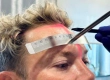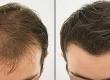
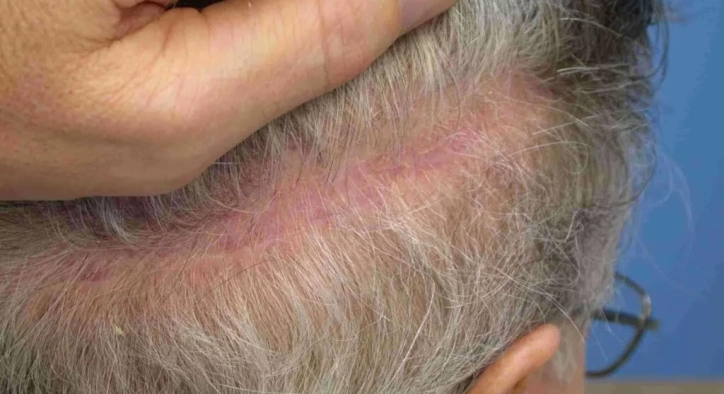
The psychological journey of surgical hair restoration requires navigating several physical milestones, some of which can cause unexpected concern without proper medical guidance. While patients eagerly look forward to seeing rapid hair growth immediately following their session, the scalp undergoes a complex biological healing process. Around week three to week four, many individuals notice sudden, widespread shedding across both the treated and donor areas. In clinical hair restoration, this temporary physiological reaction is known as shock loss after hair transplant surgery.
At Stamboul Clinic, we maintain that thorough pre-operative education is just as essential as surgical precision. Discovering that newly placed hair fibers are shedding can feel unsettling, leading to frequent queries: what is shock loss after hair transplant, does everyone get shock loss after hair transplant, and how to prevent shock loss after hair transplant from compromising your final results? This comprehensive guide breaks down the underlying cell mechanics of post-op shedding, details the exact chronological timeline, outlines surgeon-led preventive protocols, and explains how to differentiate normal shedding from graft failure.
Table of Content
- What Is Shock Loss After Hair Transplant Surgery?
- How Common Is Post-Op Shedding? Does Everyone Get Shock Loss After Hair Transplant?
- When Is Shock Loss After Hair Transplant Visible?
- How to Prevent and Manage Shedding at Home?
- Comparative Tracking: Differentiating Shock Loss from Graft Failure
- Frequently Asked Questions (FAQ)
What Is Shock Loss After Hair Transplant Surgery?
To establish a clear medical foundation, let us answer a primary question: what is shock loss after hair transplant surgery? Clinically classified as a transient form of telogen effluvium, it describes the temporary shedding of hair shafts due to the physical stress, micro-vascular changes, and temporary oxygen deprivation caused by the surgical intervention.
THE CELLULAR REGISTRATION CYCLE:
- Healthy Anagen (Growth) ➡️ Surgical Trauma / Local Anesthesia ➡️ Forced Telogen (Resting) ➡️ Shaft Shedding ➡️ New Anagen (Re-growth)
During a micro-surgical hair restoration, your scalp experiences multiple localized changes, including the injection of tumescent local anesthesia fluids, thousands of micro-punch extractions in the donor zone, and the creation of fine channels in the recipient area. This physical activity temporarily alters the micro-circulation of blood flow to neighboring hair roots.
In response to this temporary stress, the hair follicles protect themselves by entering a resting phase (telogen phase). As the root rests, it sheds the existing, detached hair shaft. It is crucial to understand that only the hair fiber falls away—the live follicular structure remains completely healthy, anchored deep within the dermal tissue layer, preparing to grow strong, permanent hair.
How Common Is Post-Op Shedding? Does Everyone Get Shock Loss After Hair Transplant?

When searching through online medical forums, a highly searched question is: how common is shock loss after hair transplant, and does everyone get shock loss after hair transplant without exception?
From a clinical data perspective, experiencing some level of shedding is an exceptionally common physiological response, affecting over 95% of all hair transplant patients worldwide. The vast majority of individuals will experience visible shedding of the newly placed hair fibers within the first month.
SHOCK LOSS CLASSIFICATION MATRIX:
- Graft Shedding (Universal): The newly transplanted hair strands shed their fibers (~95% of patients).
- Native Hair Shedding (Local): Existing natural hairs near the channels shed due to local tissue stress.
- Donor Shedding (Rare): Temporary shedding in the back of the head due to high graft extraction volumes.
Conversely, noticing no shock loss after hair transplant surgery is a rare clinical exception. A tiny percentage of patients may skip the shedding phase entirely, with the placed hair shafts continuing to grow directly into permanent fibers. However, if your hair begins to shed rapidly around week three, you should welcome it as a positive sign that your scalp tissue is responding normally to the cellular renewal cycle.
When Is Shock Loss After Hair Transplant Visible?
An essential part of managing your recovery with confidence is knowing exactly when is shock loss after hair transplant expected to start, and tracking its progress across your healing calendar.
THE CHRONOLOGICAL POST-OP SHEDDING PHASES:
- Weeks 1 - 2: Stabilization Phase ➡️ Grafts anchor securely; superficial micro-scabs flake off.
- Weeks 3 - 4: Onset Phase ➡️ Hair shafts begin to detach from the resting roots; visible shedding accelerates.
- Month 2 - 3: The Dormant Window ➡️ The scalp looks smooth or thin; hair follicles rest beneath the surface.
- Month 4 - 5: The Re-growth Stage ➡️ Fresh, fine hair fibers break through the skin surface.
- Month 12+: The Final Outcome ➡️ Full hair thickness, length, and mature density are achieved.
The shedding typically begins between days 15 and 30 following your surgery. It can continue for several weeks, peaking around the second month. During this dormant window, your scalp may temporarily look thinner than it did before surgery—this is entirely expected and is a normal bridge to your final transformation.
How to Prevent and Manage Shedding at Home?
Knowing how to stop shock loss after hair transplant from becoming severe requires a dedicated post-operative care routine:
- Low-Level Laser Therapy (LLLT): Utilizing medical laser caps stimulates cellular ATP production, increases local blood flow, and helps transition resting hair follicles back into the active growth phase faster.
- Targeted Platelet-Rich Plasma (PRP): Receiving specialized growth-factor injections provides deep nourishment to the healing scalp tissue, strengthening fragile hair roots.
- Nutritional Support Workflows: Incorporating biotin, zinc, saw palmetto, and high-quality proteins into your daily meals supports rapid tissue repair and healthy keratin production.
- Gentle Hair Washing Protocols: Avoid high water pressure or aggressive rubbing. Use our recommended foaming shampoos and pat the area dry gently with a clean paper towel.
Comparative Tracking: Differentiating Shock Loss from Graft Failure
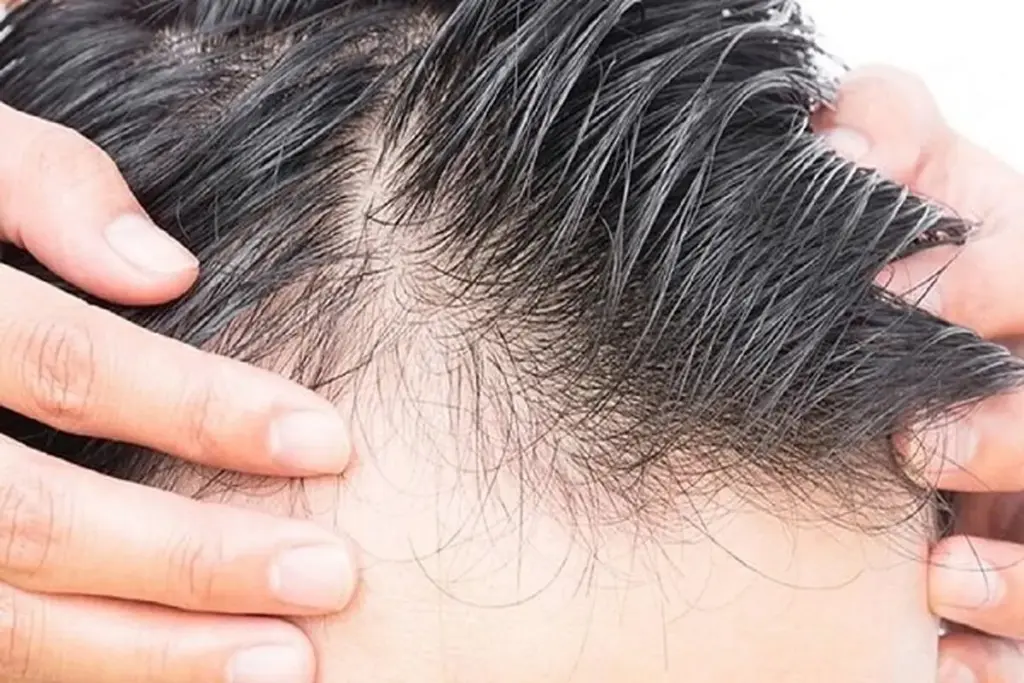
Understanding your scalp's recovery signs helps you evaluate your shock loss after hair transplant before after results with peace of mind. The table below highlights the distinct clinical differences between normal shedding and actual graft failure:
Clinical Indicators | Normal Post-Op Shock Loss | High-Risk Graft Failure |
Typical Onset Window | Week 3 to Week 6 post-surgery | Days 1 to 4 (Acute graft displacement) |
Shedding Characteristics | Only the hair strand falls out; no tissue is attached | The entire hair bulb drops out, often with a wet tissue sheath |
Underlying Root Status | Root remains safe and healthy beneath the skin | Root is lost or destroyed due to friction or infection |
Primary Root Cause | Natural response to altered local blood circulation | Heavy scratching, mechanical friction, unsterile setup |
Long-Term Growth Result | Permanent, dense hair growth starting from month 4 | Permanent bald patches or low density at 12 months |
Frequently Asked Questions (FAQ)
What is shock loss after hair transplant?
It is a temporary, natural shedding phase where hair strands fall out due to the physical stress, local anesthesia fluids, and micro-vascular changes caused by the surgical procedure.
How long does shock loss last after hair transplant?
The active shedding phase typically lasts for 2 to 4 weeks. The affected hair follicles then remain in a resting state for about 2 to 3 months before producing fresh, healthy hair starting around month 4.
Does everyone get shock loss after hair transplant?
Yes, it affects over 95% of patients. Seeing your newly placed hair fibers shed within the first month is an entirely normal sign that your scalp is moving through the natural healing cycle.
How can I minimize shedding after my procedure?
You can support your scalp health by choosing a surgeon who utilizes gentle sapphire or DHI techniques, avoiding heavy scratching, using our recommended foaming shampoos, and following a nutrient-rich diet.
Can shock loss happen in the donor area?
Yes, though it is less common. Temporary shedding can occur in the donor zone if a high volume of grafts is harvested, but the area recovers naturally as the local blood circulation stabilizes.
Is shock loss a sign that my hair transplant failed?
No, absolutely not. Shock loss only sheds the temporary hair strand, leaving the live, healthy root safely anchored beneath the skin to produce permanent hair growth.
Über den Autor