Gamze Derince Whatsapp (Online)
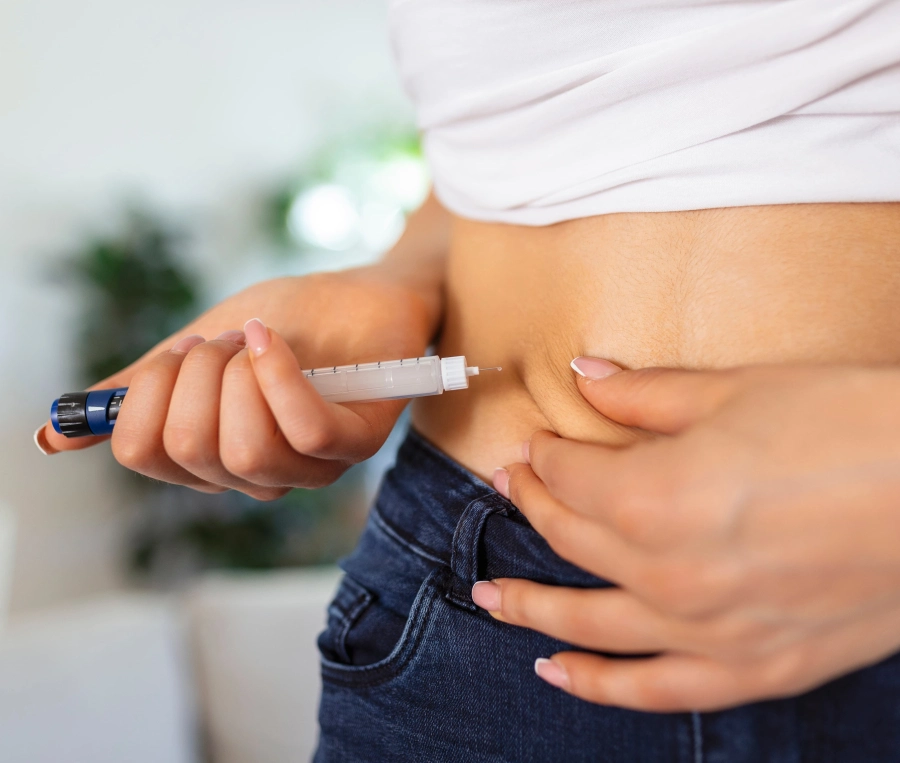
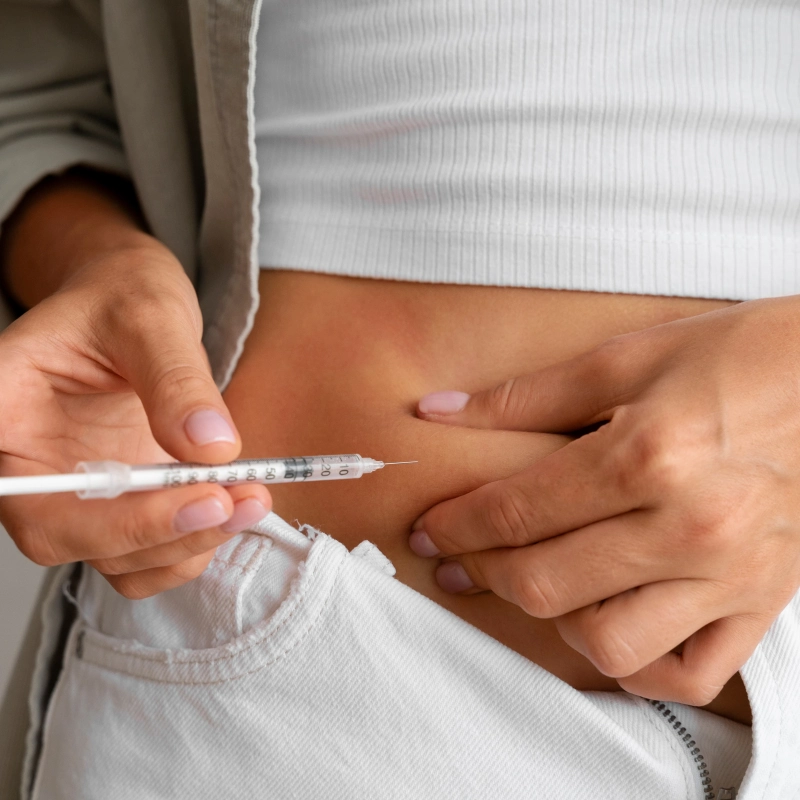
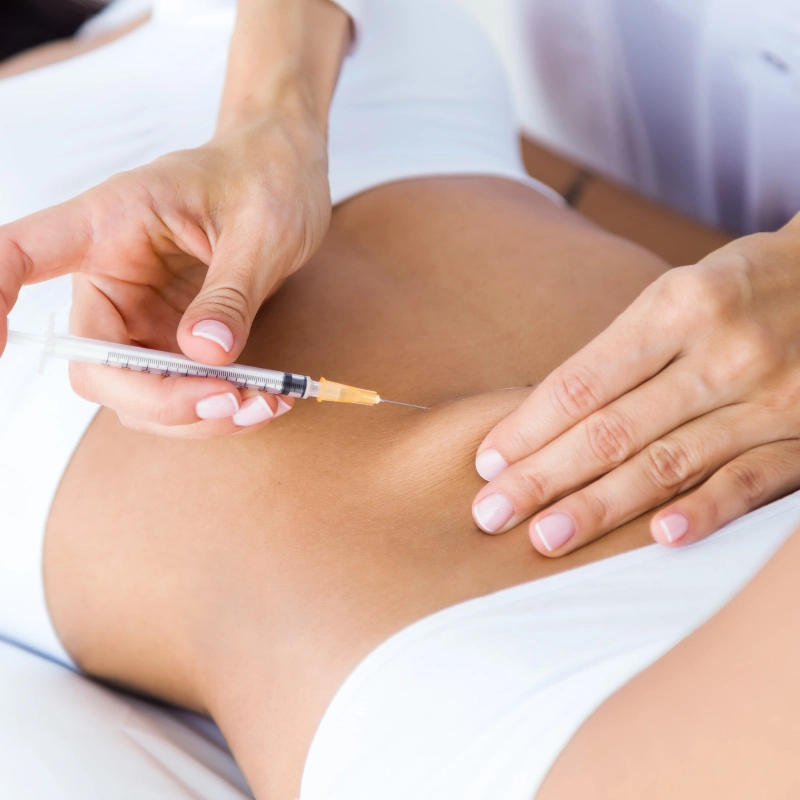
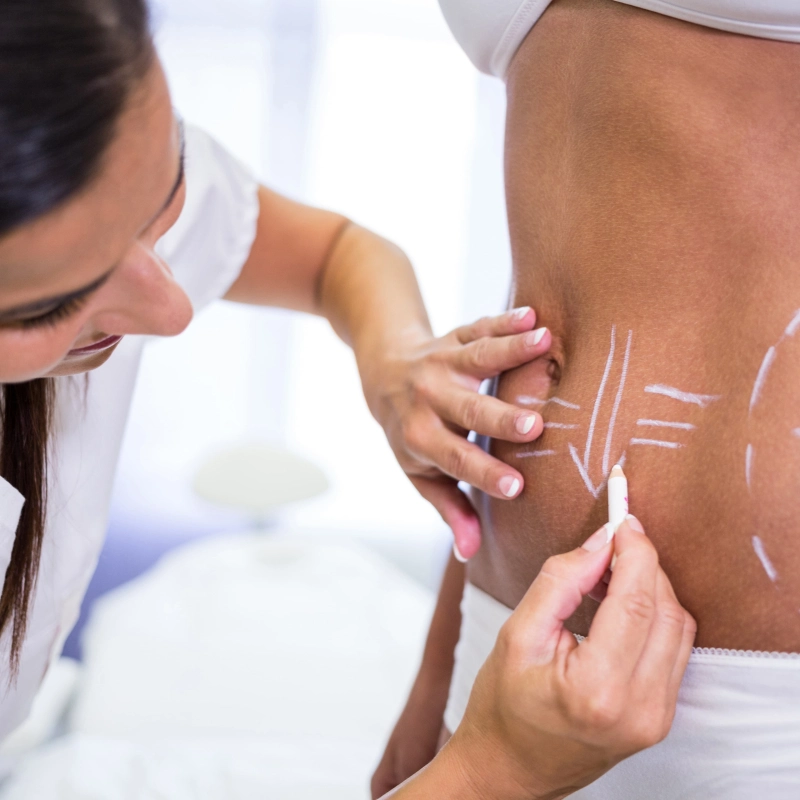
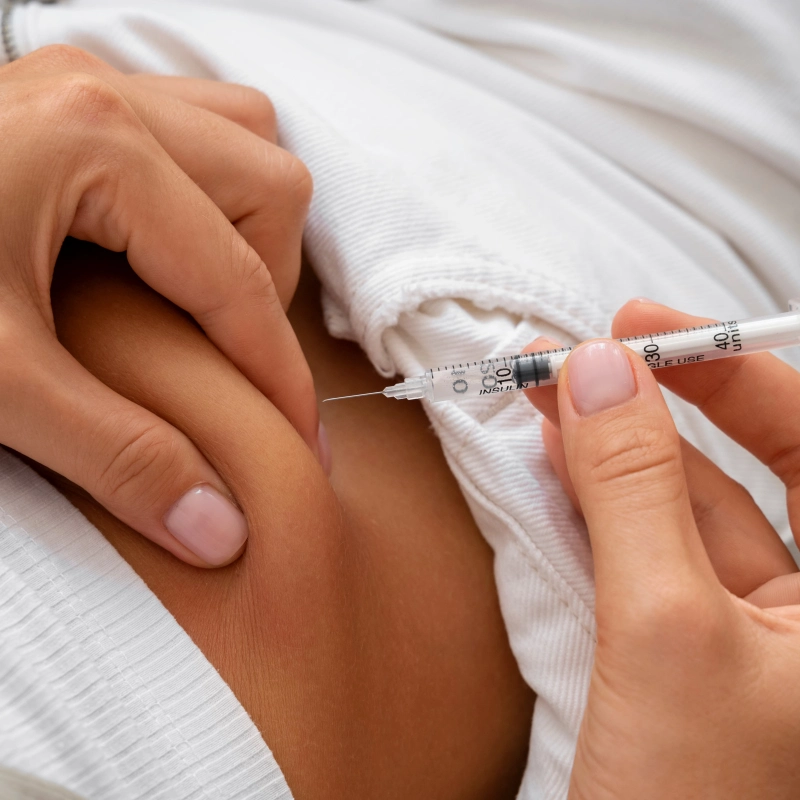
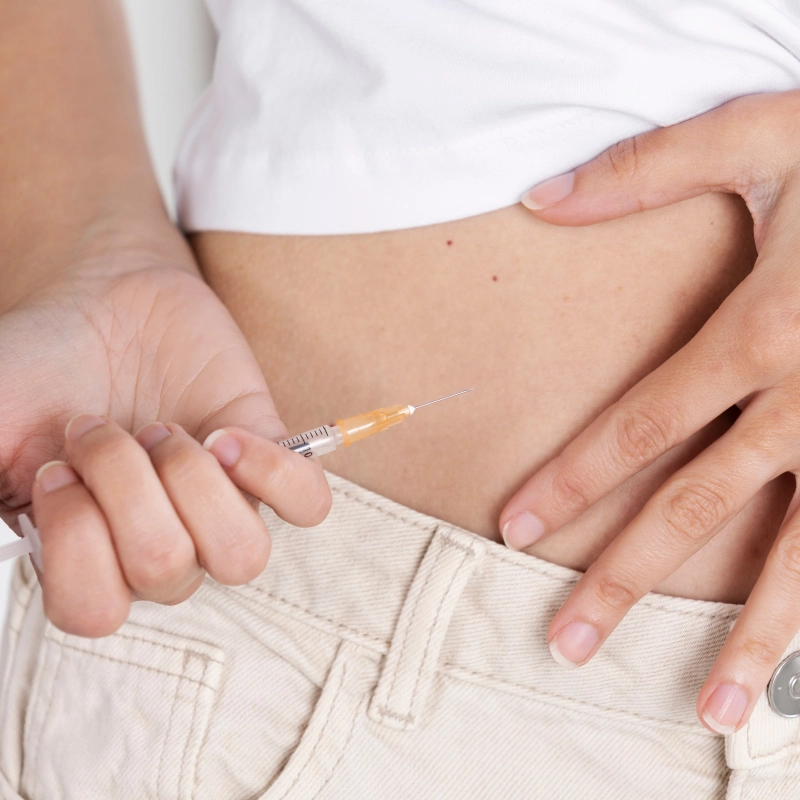
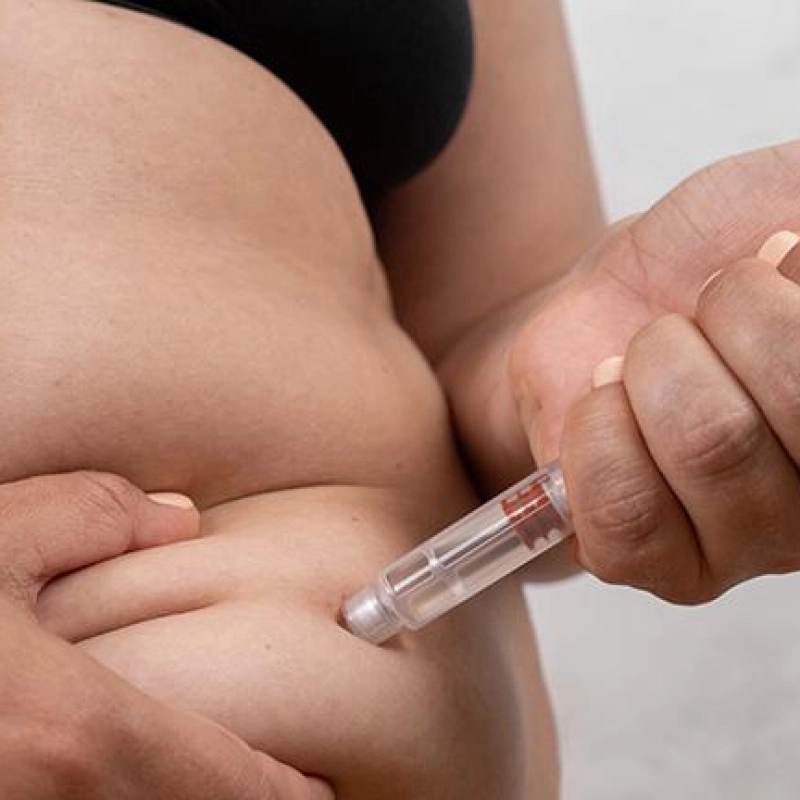
Fat injection, also known as lipofilling, involves harvesting your own body fat and strategically injecting it into other areas.
This technique is ideal for individuals seeking natural volume enhancement in areas such as the buttocks, breasts, or face. At Stamboul Clinic, we offer personalized fat injections for harmonious and long-lasting results.
This minimally invasive procedure allows gentle shaping and can also improve skin quality.
Long-term results of fat injection can be maintained through a stable lifestyle and a healthy diet.
Your own body fat for gentle volume enhancement and body contouring
Natural volume enhancement and contouring using your own body fat.
Fat injection, or lipofilling, involves removing excess fat from areas like the abdomen or thighs and injecting it into other body parts.
This adds volume and improves contours, especially in the buttocks, breasts, or face.
At Stamboul Clinic, we use modern techniques for precise and natural results.
Targeted removal and injection for harmonious contours.
Excess fat is carefully extracted, processed, and then injected into the desired body areas.
This creates a natural, long-lasting volumizing effect since it’s your own tissue.
Stamboul Clinic provides discreet and precise treatment for aesthetic results.
Long-lasting results with your own tissue.
The results of fat injection are generally long-lasting since the injected fat is your own tissue and can integrate permanently.
A stable lifestyle and healthy eating habits contribute to the longevity of the results.
Stamboul Clinic provides comprehensive aftercare to ensure long-term satisfaction.
Minimal recovery time and a quick return to normal activities.
After a fat injection, recovery is brief, and most patients can return to their daily routines within a few days.
However, it’s recommended to avoid intense activities for about a week.
Stamboul Clinic ensures a pleasant experience and comprehensive aftercare.
Stamboul Clinic guarantees the highest standards for fat injection procedures.
Our experienced specialists use modern technologies and certified techniques to ensure a safe and effective fat injection. Our aftercare ensures the long-lasting quality of the results.
About UsFat injection for harmonious volume enhancement.
Stamboul Clinic provides comprehensive support and cutting-edge technology to shape your body according to your desires and improve your well-being.
Free Preliminary ExaminationFrequently Asked Questions (FAQ)
Before a fat injection, there are often questions about the method, effects, and safety. Here we answer the most common questions to give you peace of mind.
Body fat injection, also known as fat transfer, fat grafting, or lipofilling, is a natural body contouring procedure that uses your own fat to enhance volume in various areas of the body. This innovative technique has gained tremendous popularity as patients seek natural alternatives to synthetic fillers and implants.
The procedure involves harvesting fat from areas where it is unwanted, such as the abdomen, thighs, or flanks, and then purifying and injecting it into areas that need volume enhancement. Body fat injection offers the dual benefit of slimming one area while enhancing another, all using the patient's own natural tissue.
Body fat injection is a surgical procedure that transfers fat from one part of the body to another. The technique utilizes liposuction to remove excess fat from donor sites, which is then processed and carefully injected into areas requiring volume or contour improvement.
Common areas for fat injection include:
Because the procedure uses the patient's own tissue, there is no risk of allergic reaction or rejection. The transferred fat becomes a living part of the body, providing long-lasting and natural-looking results.
Fat transfer is a multi-step process that requires precision and expertise at each stage. Understanding the process helps patients appreciate the complexity and artistry involved in achieving optimal results.
Step 1 - Fat Harvesting: Fat is removed from donor areas using liposuction. Common donor sites include the abdomen, flanks, thighs, and back. The surgeon uses gentle liposuction techniques to preserve the viability of fat cells.
Step 2 - Fat Processing: The harvested fat is purified to remove blood, oil, and damaged cells. Various techniques can be used, including centrifugation, filtration, or washing. Some surgeons use advanced techniques to concentrate stem cells within the fat.
Step 3 - Fat Injection: The purified fat is carefully injected into the target area using small cannulas. The surgeon places the fat in multiple layers and small amounts to ensure adequate blood supply and maximize fat survival.
The success of fat transfer depends heavily on the technique used and the surgeon's experience in handling fat cells delicately throughout the process.
Body fat injection can be used to enhance various areas of the body. Each procedure has specific considerations and techniques.
Brazilian Butt Lift (BBL): This is one of the most popular fat transfer procedures. Fat is harvested from the abdomen, back, and thighs, then injected into the buttocks to create a fuller, rounder, and more lifted appearance. The BBL also contours the waist, enhancing the overall body silhouette.
Breast Fat Transfer: Fat injection can be used for natural breast augmentation, typically providing a one to two cup size increase. It is also used for breast reconstruction, correcting asymmetry, or improving the results of implant-based augmentation.
Facial Fat Transfer: Fat can be injected into various areas of the face to restore volume lost due to aging. Common treatment areas include the cheeks, temples, under-eye hollows, nasolabial folds, and lips.
Hand Rejuvenation: As hands age, they lose volume, making veins and tendons more prominent. Fat injection can restore a more youthful appearance to the hands.
Hip Augmentation: Fat can be strategically injected into the hips to create a more curvaceous figure and improve body proportions.
Body fat injection is typically performed under general anesthesia or local anesthesia with sedation, depending on the extent of the procedure. The surgery can take anywhere from one to several hours.
Typical steps of a fat transfer procedure:
The procedure is performed on an outpatient basis for smaller fat transfers, while larger procedures like BBL may require an overnight stay.
The cost of body fat injection varies widely depending on the treatment area, the amount of fat transferred, and the geographic location of the clinic.
A general price overview:
| Procedure | Average Cost (USA) | Average Cost (Turkey) |
|---|---|---|
| Brazilian Butt Lift | $8,000 to $15,000 | €3,500 to €6,000 |
| Breast Fat Transfer | $6,000 to $12,000 | €3,000 to €5,000 |
| Facial Fat Transfer | $3,000 to $8,000 | €1,500 to €3,500 |
| Hand Fat Transfer | $2,000 to $5,000 | €1,000 to €2,500 |
| Hip Augmentation | $5,000 to $10,000 | €2,500 to €5,000 |
These costs typically include surgeon fees, anesthesia, facility fees, and post-operative care. Additional costs may apply for compression garments and follow-up appointments.
Turkey has become a leading destination for fat transfer procedures, offering high-quality care at significantly lower prices than Western countries. Many international patients travel to Turkey specifically for body contouring procedures.
The cost savings in Turkey can be substantial, with prices typically 50-70% lower than in the United States or Western Europe, without compromising on quality.
Turkish clinics often offer comprehensive packages for international patients that include:
When choosing a clinic in Turkey, patients should verify the surgeon's credentials, review before and after photos, and read patient testimonials to ensure they receive quality care.
Body fat injection is suitable for individuals who want to enhance certain areas of their body using natural tissue rather than synthetic materials.
Ideal candidates for fat transfer typically:
Patients who are very thin may not have enough fat for transfer. In such cases, the surgeon may recommend alternative treatments or suggest gaining weight before the procedure.
Fat transfer offers several unique advantages compared to synthetic alternatives like implants or dermal fillers.
Benefits of fat transfer include:
However, fat transfer also has limitations. Not all transferred fat survives, and multiple sessions may be needed to achieve desired results. The procedure is also more complex than simple filler injections.
One of the most important considerations in fat transfer is the survival rate of the injected fat cells. Not all transferred fat will survive in its new location.
Factors affecting fat survival:
On average, 50-80% of transferred fat survives long-term. Surgeons typically account for some fat loss by slightly over-correcting during the initial procedure.
The fat that does survive becomes a permanent part of the body and will behave like normal fat tissue, responding to weight changes accordingly.
Once the transferred fat establishes a blood supply and survives the initial healing period, the results are generally permanent. However, the fat will respond to changes in the body just like any other fat.
Factors that can affect long-term results:
To maintain optimal results:
Most patients enjoy their results for many years, with some touch-up procedures occasionally needed to maintain optimal volume.
Recovery from fat transfer varies depending on the areas treated and the extent of the procedure. Both the donor and recipient sites require healing time.
Typical recovery timeline:
Specific procedures may have additional recovery considerations. For example, BBL patients should avoid sitting directly on their buttocks for several weeks to maximize fat survival.
Most patients describe the discomfort after fat transfer as moderate and manageable with prescribed pain medication.
Common post-operative sensations include:
The donor sites (where fat was removed via liposuction) often cause more discomfort than the injection sites. Pain typically decreases significantly after the first week.
Following post-operative instructions, including wearing compression garments and taking prescribed medications, helps manage discomfort during recovery.
While fat transfer is generally considered safe, especially compared to implants, it does carry certain risks like any surgical procedure.
Potential risks and complications include:
Choosing a board-certified plastic surgeon with extensive experience in fat transfer techniques significantly reduces the risk of complications.
Fat transfer to the breasts is generally considered safe when performed by an experienced surgeon. It offers a natural alternative to breast implants for patients seeking modest size increases.
Important considerations for breast fat transfer:
Patients considering breast fat transfer should discuss their goals and expectations thoroughly with their surgeon to determine if this approach is suitable for their needs.
While fat transfer includes liposuction as part of the procedure, they are distinct treatments with different goals.
| Factor | Fat Transfer | Liposuction Alone |
|---|---|---|
| Primary goal | Remove fat AND enhance another area | Remove unwanted fat only |
| Fat handling | Gentle technique to preserve fat cells | More aggressive techniques may be used |
| Fat destination | Processed and re-injected | Discarded |
| Enhancement | Yes, adds volume to target area | No, only removes fat |
| Procedure complexity | More complex, multiple steps | Simpler, single purpose |
Some patients choose liposuction alone if they simply want to remove fat without transferring it elsewhere. Others prefer fat transfer to maximize the benefit of the removed fat.
Proper preparation helps ensure a smooth procedure and optimal results.
Important preparation steps include:
Your surgeon will provide specific instructions based on the procedure being performed and your individual health status.
Proper aftercare is essential for maximizing fat survival and achieving optimal results.
General aftercare guidelines include:
Specific aftercare instructions vary depending on the treatment area. For example, BBL patients must avoid sitting directly on their buttocks for several weeks, while facial fat transfer patients should avoid certain facial expressions and sleep with their head elevated.
Yes, fat transfer is frequently combined with other surgical procedures to achieve comprehensive body contouring results.
Commonly combined procedures include:
Combining procedures can be efficient, requiring only one anesthesia session and one recovery period. However, the surgeon must carefully evaluate the total surgical time and patient safety when planning combined procedures.
Stem cell enhanced fat transfer, also called cell-assisted lipotransfer, is an advanced technique that aims to improve fat survival rates by concentrating the stem cells present in fat tissue.
Key features of stem cell enhanced fat transfer:
While some studies suggest improved outcomes with stem cell enhancement, the scientific evidence is still evolving. Patients interested in this technique should discuss the potential benefits and limitations with their surgeon.
The number of fat transfer sessions needed depends on the treatment area, desired results, and how much fat survives after the initial procedure.
General guidelines for different procedures:
If additional volume is desired after the initial results are visible (typically at 3-6 months), a secondary fat transfer procedure can be performed.
A common question about fat transfer is whether the treated area will gain weight disproportionately. The answer depends on understanding how transferred fat behaves.
Important points about weight changes after fat transfer:
This is why surgeons recommend achieving a stable, healthy weight before undergoing fat transfer. Significant weight fluctuations after the procedure can alter the results.
While fat transfer is often associated with feminine body contouring, men can also benefit from these procedures for various purposes.
Common fat transfer applications for men:
The techniques and considerations are similar to those for women, though the aesthetic goals may differ. Surgeons work to create masculine contours that complement the male physique.
Beyond cosmetic enhancement, fat transfer plays an important role in reconstructive surgery for various conditions.
Reconstructive applications include:
In reconstructive cases, the regenerative properties of fat, including its stem cell content, may help improve the quality of damaged tissues.
Body fat injection offers a unique approach to body contouring that uses the patient's own tissue for natural-looking enhancement. Whether used for buttock augmentation, breast enhancement, facial rejuvenation, or other applications, fat transfer provides results that look and feel natural.
The success of fat transfer depends on choosing an experienced surgeon, having realistic expectations, and following proper aftercare instructions. While not all transferred fat survives, the fat that does establish blood supply provides long-lasting results.
Patients considering body fat injection should schedule a consultation with a board-certified plastic surgeon to discuss their goals, evaluate their candidacy, and learn about the specific techniques that would be used for their procedure. With proper planning and care, fat transfer can provide transformative results that enhance both appearance and confidence.
Natural Perfection in Aesthetics
#instagram #facebook #linkedin #tiktok
Whether you have questions about our services or concerns about your treatment – we are here to assist you.
Phone Number: +90 (530) 084 98 22
Email: info@stamboulclinic.com
Address: Kartaltepe Neighborhood, Süvari Street, Block D, No:10, Apartment D7, Küçükçekmece, Istanbul, Turkey
© 2025 All right reserved.