Gamze Derince Whatsapp (Online)
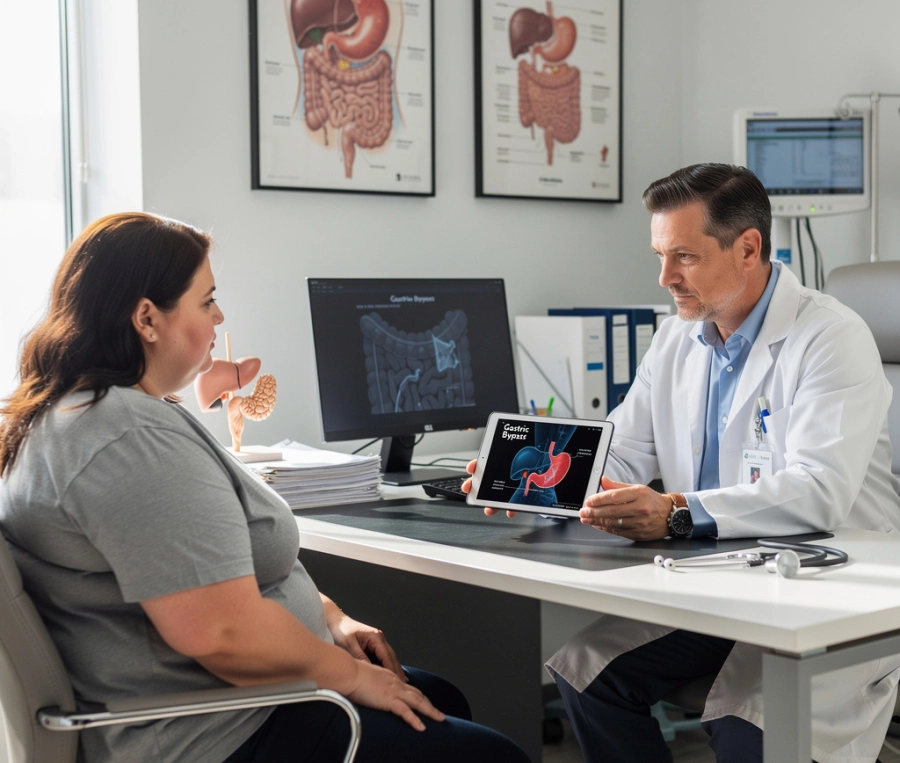
Gastric bypass is a proven method for long-term weight reduction, where the stomach is reduced and part of the digestive tract is bypassed.
At Stamboul Clinic, we combine modern techniques with comprehensive follow-up care to offer you a safe route to better health and a new sense of well-being.
By limiting food intake and reducing calorie absorption, gastric bypass supports effective weight control.
Continuous support and aftercare ensure long-term treatment success and promote your health.
Long-term weight control through modern surgery
Gastric bypass is a surgical procedure for long-term weight reduction.
In gastric bypass surgery, the stomach is reduced and part of the small intestine is bypassed to reduce calorie absorption. This method is particularly effective for patients struggling with severe obesity who have tried other weight loss methods.
At Stamboul Clinic, we use proven and safe techniques to perform the procedure as gently as possible.
Gastric bypass surgery is minimally invasive and provides a safe way to achieve lasting weight reduction.
The procedure is performed laparoscopically and usually takes two to three hours. During surgery, the stomach is reduced to a smaller size and part of the small intestine is bypassed. Recovery is typically quick, allowing patients to return to their daily routines soon.
Thanks to modern technology at Stamboul Clinic, the procedure is safe and effective.
Gastric bypass results are generally permanent.
By combining a smaller stomach with a bypassed small intestine, gastric bypass offers a sustainable weight reduction method. Success also depends on long-term dietary and lifestyle changes.
Stamboul Clinic provides comprehensive aftercare to support you on your weight loss journey.
Recovery usually lasts only a few weeks.
After gastric bypass surgery, a short rest period is necessary before returning to normal activities. Most patients are socially active again within two to four weeks.
Stamboul Clinic supports you throughout the healing phase, ensuring you feel well cared for.
Stamboul Clinic places the highest priority on top-quality gastric bypass procedures.
Our specialists use only certified materials and the latest technologies to ensure a safe, reliable gastric bypass surgery. We focus on achieving natural, sustainable results.
About UsGastric bypass offers an effective method for sustainable weight reduction.
At Stamboul Clinic, we rely on modern techniques and top-quality standards to support your health goals. Trust our experienced team for optimal care.
Free Preliminary ExaminationFrequently Asked Questions (FAQ)
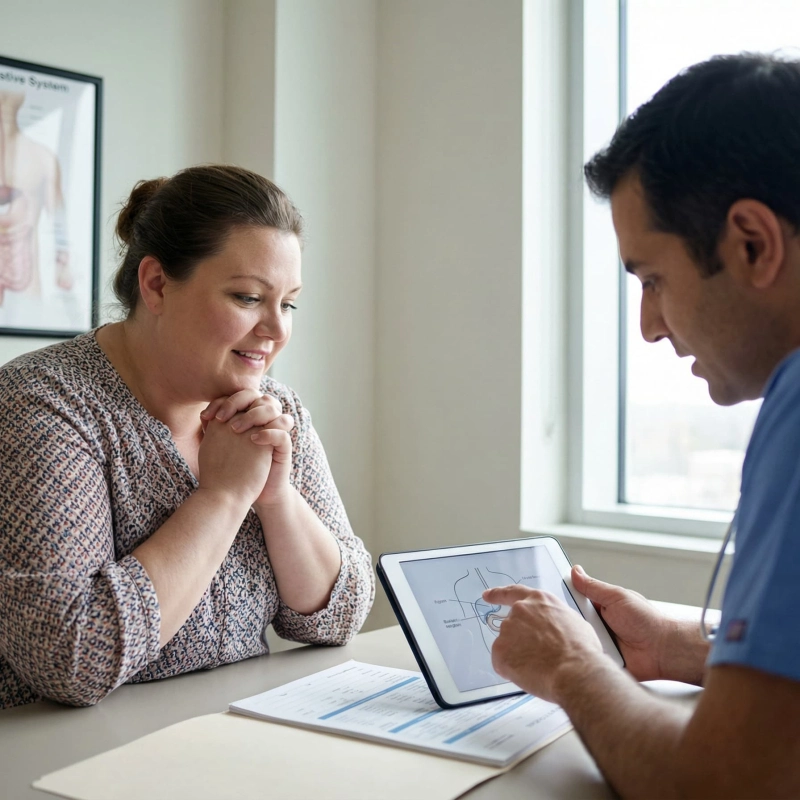
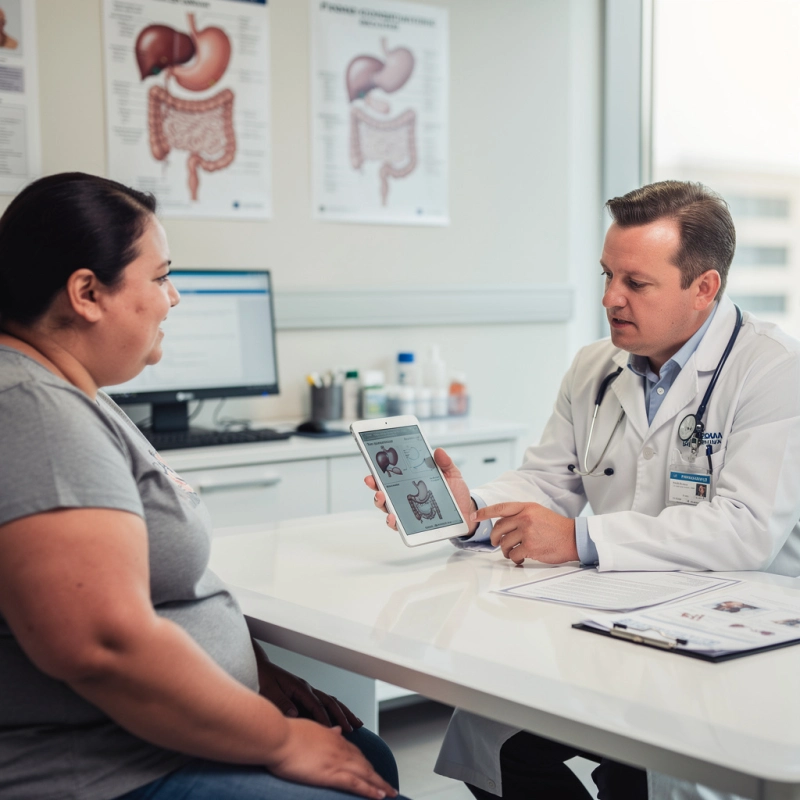
Before undergoing a gastric bypass, patients often have questions about the procedure, aftercare, and long-term results. Here, we answer the most common questions to guide you toward a new, healthier lifestyle.
Gastric bypass surgery is one of the most effective bariatric procedures for achieving long-term weight loss. Unlike non-surgical methods, it combines restriction of food intake with a degree of malabsorption, offering a powerful approach for patients struggling with obesity. This surgery is particularly suitable for individuals with a Body Mass Index (BMI) of 40 or higher, or those with a BMI of 35–39 who also suffer from obesity-related health conditions such as type 2 diabetes, hypertension, or sleep apnea.
Gastric bypass, often referred to as Roux-en-Y gastric bypass, involves creating a small stomach pouch and rerouting a portion of the small intestine. The small pouch, roughly the size of an egg, restricts food intake and forces the body to absorb fewer calories. Meanwhile, the bypassed section of the stomach and duodenum reduces calorie and nutrient absorption. This dual mechanism allows patients to lose weight efficiently while also benefiting from metabolic improvements.
The procedure is considered both restrictive and malabsorptive. Restriction comes from the limited capacity of the new stomach pouch, which makes patients feel full after eating very small portions. Malabsorption occurs as a result of bypassing a portion of the small intestine, reducing the absorption of calories and certain nutrients. Together, these mechanisms contribute to significant and sustained weight loss.
Preoperative Assessment: Prior to surgery, patients undergo a comprehensive evaluation, including blood tests, imaging studies, and nutritional counseling. Surgeons also assess patient readiness, lifestyle habits, and long-term commitment to dietary changes.
Anesthesia and Access: Gastric bypass is typically performed under general anesthesia using minimally invasive laparoscopic techniques. This approach reduces recovery time and postoperative complications compared to open surgery.
Creation of the Small Stomach Pouch: The surgeon divides the stomach, creating a new small pouch. This pouch acts as the patient’s new stomach, limiting the amount of food that can be consumed at one time.
Intestinal Rerouting: The small intestine is divided, and the lower segment is connected to the new stomach pouch. This allows food to bypass the majority of the stomach and the upper part of the small intestine, reducing nutrient and calorie absorption.
Connection to the Bypassed Stomach: The bypassed portion of the stomach remains in the body and continues producing digestive juices, which eventually mix with food in the lower small intestine. This ensures normal digestion despite the rerouting.
Closure and Recovery: Small incisions are closed, and patients are monitored in the recovery unit. The minimally invasive nature of the surgery typically results in shorter hospital stays and faster initial recovery.
Gastric bypass provides both immediate and long-term weight loss benefits. In the first 6–12 months, patients often experience rapid weight reduction, losing a substantial portion of excess weight. Over the following months, weight loss continues at a slower but steady pace, stabilizing around 12–18 months post-surgery.
The procedure also offers metabolic advantages. Many patients see improvements in type 2 diabetes, blood pressure, and cholesterol levels even before significant weight loss occurs. These metabolic effects are attributed to hormonal changes in the gut that influence appetite and glucose regulation.
Ideal candidates for gastric bypass surgery are:
Successful outcomes rely on careful preparation:
By combining careful preoperative planning, a standardized surgical process, and long-term follow-up, gastric bypass surgery can provide both significant weight loss and improvements in overall health.
After gastric bypass surgery, patients typically spend 2–3 days in the hospital, depending on their overall health and the complexity of the procedure. Pain is generally moderate and can be managed effectively with prescribed medications. Because most gastric bypass procedures are performed laparoscopically, recovery is faster than with traditional open surgery.
Early recovery phases include:
Living with a gastric bypass requires significant lifestyle adaptations. The small stomach pouch limits portion size, and overeating can cause nausea, vomiting, or “dumping syndrome”—a rapid gastric emptying reaction that may include sweating, dizziness, or diarrhea.
Key lifestyle guidelines include:
Patients typically lose 60–80% of their excess weight within the first 12–18 months following surgery. Long-term success depends on strict adherence to dietary recommendations and consistent physical activity.
Health benefits of gastric bypass extend beyond weight reduction:
While gastric bypass surgery has a strong safety record, patients should be aware of potential risks:
Gastric bypass offers more substantial and often faster weight loss compared to restrictive procedures like sleeve gastrectomy. While sleeve gastrectomy reduces stomach size, it does not alter intestinal absorption, making gastric bypass more effective for metabolic conditions like diabetes. However, the choice between procedures should consider:
The cost of gastric bypass surgery varies widely depending on factors such as surgeon experience, hospital facilities, and follow-up care. Comprehensive packages may include preoperative evaluation, surgery, postoperative monitoring, nutrition counseling, and long-term medical support.
Gastric bypass surgery represents a transformative option for patients struggling with severe obesity. It provides rapid, sustained weight loss and significant improvements in metabolic health. Success depends on selecting an experienced surgical team, committing to lifestyle changes, and adhering to postoperative guidance. With careful planning and ongoing support, patients can achieve lasting weight reduction, improved well-being, and a higher quality of life.
Natural Perfection in Aesthetics
#instagram #facebook #linkedin #tiktok
Whether you have questions about our services or concerns about your treatment – we are here to assist you.
Phone Number: +90 (530) 084 98 22
Email: info@stamboulclinic.com
Address: Kartaltepe Neighborhood, Süvari Street, Block D, No:10, Apartment D7, Küçükçekmece, Istanbul, Turkey
© 2025 All right reserved.