Gamze Derince Whatsapp (Online)
Porcelain crowns are an elegant and durable solution for damaged or discolored teeth.
These crowns adapt seamlessly to the natural tooth structure and give your smile an aesthetically pleasing, natural look.
Porcelain crowns are biocompatible and do not cause allergic reactions. In this article, you will learn all about the advantages and the procedure of this treatment, which ensures optimal dental aesthetics and durability.
At the Stamboul Clinic, we combine precision with the latest technology to provide you with a long-lasting, beautiful, and functional result.
Professional aftercare and personalized support ensure long-term success and patient satisfaction.
High-Quality Dental Restoration for a Natural Look
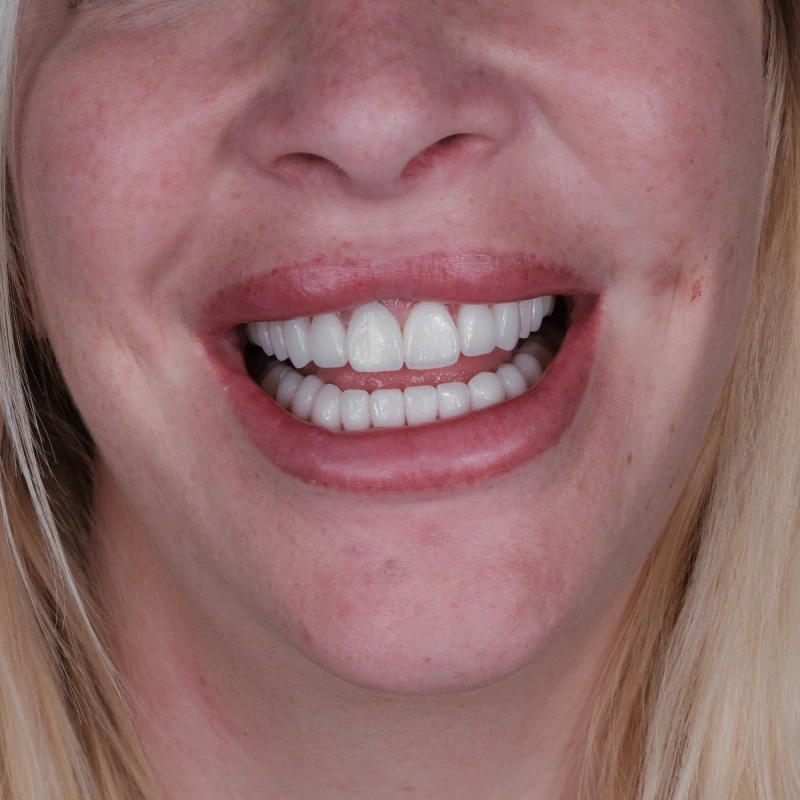
Before and After: Your Porcelain Crown Transformation
Discover the fascinating results of our porcelain crown treatments. The before-and-after images show the outstanding quality and attention to detail at the Stamboul Clinic.


Porcelain crowns provide an aesthetic and biocompatible solution for dental restoration.
This type of crown is made of high-quality porcelain, which is particularly stable and long-lasting. Due to its natural translucency, the crown blends seamlessly into the tooth structure, offering a reliable and elegant solution.
Porcelain crowns are ideal for patients who value functionality and aesthetically pleasing tooth restoration.
The treatment process is efficient and comfortable, ensuring a perfect fit and natural appearance.
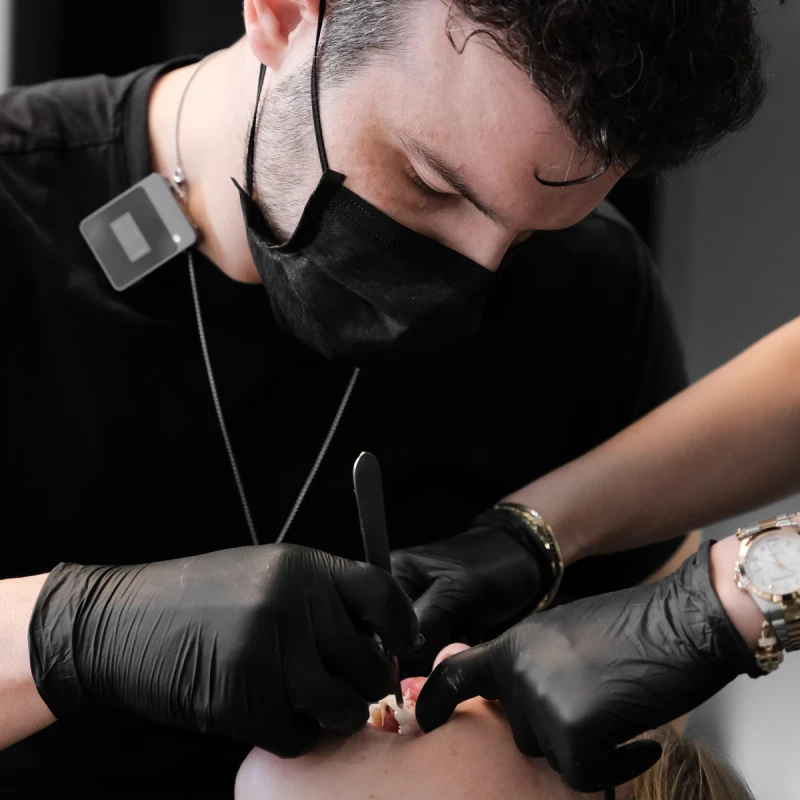
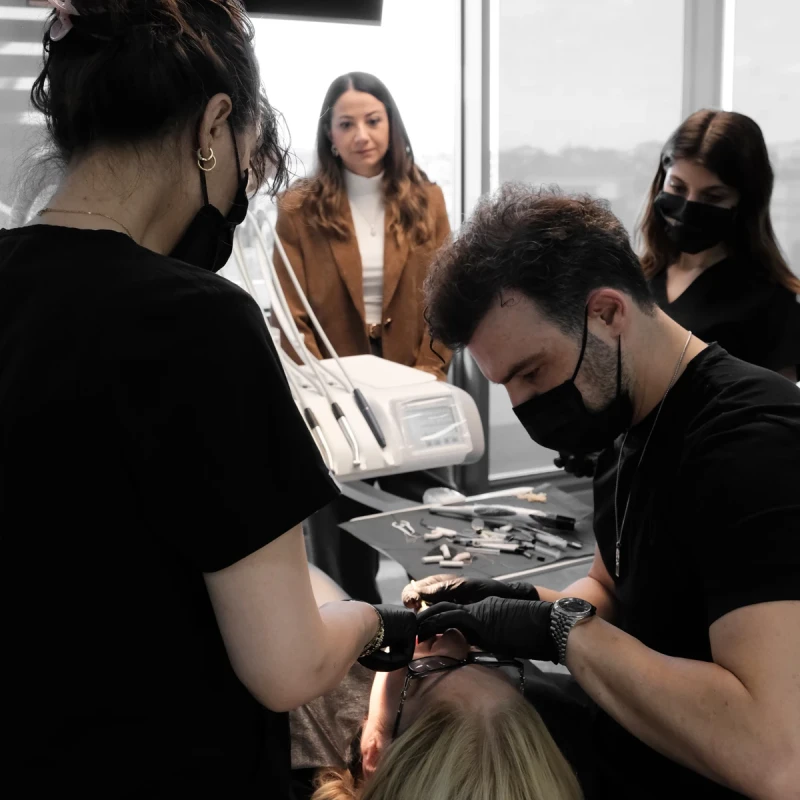
First, the affected tooth is prepared and a precise impression is taken. Based on this impression, the porcelain crown is custom-made and then fitted. The insertion process is painless and quick.
After placement, the crown is immediately loadable, and the patient can resume daily activities right after the treatment.
Before and After: Your Porcelain Crown Results
Discover the impressive before-and-after results of our porcelain crown treatments. The images show how porcelain crowns restore the natural appearance and function of your teeth.
You can visit our Instagram account for all our photos: Instagram
Porcelain crowns are durable and provide a long-lasting solution for tooth restoration.
With good care and regular dental check-ups, porcelain crowns can last for many years. This type of crown remains stable and aesthetically pleasing, making it a long-term investment in your smile.
At the Stamboul Clinic, we use only the highest-quality materials to ensure the longevity and stability of your porcelain crowns.
The treatment time for porcelain crowns is short and requires only a few sessions.
In the first session, the tooth is prepared and an impression is taken. Afterward, the crown is fitted and placed. Patients can resume their normal activities immediately after treatment.
The entire treatment is fast, effective, and offers immediate aesthetic and functional benefits.
At Stamboul Clinic, we place great importance on top quality for all porcelain crown treatments.
Our dentists use high-quality, biocompatible materials and the latest technologies to ensure long-lasting and aesthetic results. Each crown is individually adapted, offering a perfect, natural-looking smile.
About UsPorcelain crowns are a safe and aesthetic solution for long-lasting dental restoration.
Stamboul Clinic combines experience and technology to provide every patient with a perfect result. This ensures natural aesthetics and long-lasting stability for your smile.
Free Preliminary ConsultationFrequently Asked Questions (FAQ)
Before a porcelain crown treatment, questions often arise about the method, care, and long-term results. Here we answer the most frequently asked questions to guide you toward a successful treatment.
Porcelain crowns improve the aesthetics and function of teeth quickly and effectively. They can be safely applied to yellowed, broken, or gapped teeth, ensuring a long-lasting and natural smile.
Porcelain crowns are thin, aesthetic veneers that are bonded to the front surface of the teeth. These crowns, also known as laminate veneers, are used to improve the shape, color, and appearance of teeth.
Porcelain crowns can be placed with minimal or, in some cases, no preparation of the tooth structure. This largely preserves the natural tooth structure. They adapt to the teeth both aesthetically and functionally, making the smile more symmetrical, brighter, and more attractive.
Porcelain crowns are an ideal solution, especially for patients with high aesthetic demands in the front teeth area.
Porcelain crowns are a customized treatment method for aesthetic and functional purposes, particularly in the front teeth area.
This treatment is suitable for patients who want to improve the appearance of their teeth quickly and effectively.
Typical applications include:
Tooth discoloration and stains
Porcelain crowns offer an aesthetic solution for severely discolored teeth, especially when teeth whitening is insufficient.
Crooked or gapped teeth
For minor misalignments or gaps between teeth, laminate veneers allow for quick aesthetic correction.
Damaged, broken, or worn teeth
Porcelain crowns offer both functional and aesthetic restoration for damage caused by accidents, teeth grinding, or overuse.
Root-canal-treated teeth
Teeth that have undergone root canal treatment can change color or become brittle over time. Porcelain crowns protect these teeth and give them a natural appearance.
Porcelain crowns are a customized treatment method for improving dental aesthetics and function.
The treatment begins with a detailed examination of the teeth and digital measurements. The shape, size, and color of the crowns are planned according to the patient's expectations. Treatment Procedure
First, the front surface of the teeth is minimally prepared, and temporary crowns are fitted. This serves both as an aesthetic test and to ensure the secure positioning of the final crowns.
The measurements are then sent to the laboratory, and the porcelain veneers are fabricated.
The porcelain crowns, fabricated in the laboratory, are bonded to the tooth surface using special adhesives. Symmetry and smile line harmony are checked during this process. The crowns do not damage the enamel and ensure a natural, aesthetic appearance.
Treatment with porcelain crowns typically takes 1 to 2 weeks. This timeframe includes measurement, laboratory fabrication, and application.
Slight sensitivity may occur after the procedure, but this subsides within a few days.
Regular checkups help to protect the aesthetic and functional integrity of the crowns in the long term.
As with any cosmetic dental treatment, porcelain crowns may not be suitable in some cases.
Porcelain crowns are not recommended for patients with severe teeth grinding or clenching (bruxism), as the crowns may break or become loose.
Insufficient enamel structure can lead to adhesion problems.
Temporomandibular joint (TMJ) disorders, advanced caries, or gum disease must be treated first. In cases of severe bite problems or large gaps between teeth, porcelain crowns alone may not be sufficient.
Porcelain crowns are among the most frequently used solutions in cosmetic dentistry.
They improve both the appearance and daily function of teeth.
Porcelain crowns preserve the natural appearance of teeth and improve smile aesthetics.
Discolored, stained, or gapped teeth can be easily corrected. They also help create a smooth tooth surface and tooth alignment.
Made from high-quality porcelain materials, porcelain crowns are very durable.
With proper care, they can last for many years.
They are resistant to wear and tear from daily food and drink.
Regular dental checkups and good oral hygiene can extend their lifespan to 10 to 15 years or more.
Porcelain and zirconium crowns are among the most frequently preferred options.
Ten solutions in aesthetic dentistry.
Porcelain crowns offer a very natural and glossy appearance, while zirconium crowns have higher fracture resistance.
Porcelain crowns are particularly suitable for the front teeth, while zirconium crowns are better suited for areas subject to high chewing forces.
Laminate veneers are primarily used in the front teeth for aesthetic purposes and require only minimal enamel removal.
Zirconia crowns offer a more stable solution, especially for back teeth with high bite forces.
The choice depends on tooth structure, aesthetic expectations, and functional requirements.
The lifespan of porcelain crowns depends on the quality of the material and proper care.
With regular oral hygiene and dental checkups, they can last 10 to 15 years or longer.
To extend their lifespan, hard foods should be avoided, and a night guard should be used if teeth grinding occurs.
Prices vary depending on the material, the number of crowns, and the clinic's location.
| Country | Average Price Range |
|---|---|
| Turkey | $1,500 – $3,500 |
| Germany | $3,500 – $6,500 |
| USA | $4,000 – $7,500 |
| Great Britain | $3,500 – $6,000 |
Treatment with porcelain crowns is usually performed under local anesthesia, so patients do not feel any pain during the procedure. Modern dental techniques allow for a very comfortable treatment. After the procedure, there may be slight sensitivity to hot or cold foods. Some patients also report a slight feeling of pressure in the treated area. However, these symptoms are normal, temporary, and usually disappear within a few days once the tooth and gums have adjusted to the new situation.
Porcelain crowns can generally be used on many teeth, but not every tooth is automatically suitable for this treatment. They are particularly preferred in the front teeth area, where high aesthetic demands exist. Porcelain crowns can also be used on back teeth if the bite forces and tooth structure are suitable.
Before treatment, the dentist examines the condition of the enamel, tooth root, gums, and bite. For severely damaged teeth or very high chewing forces, alternative treatment methods may be recommended to achieve better long-term results.
Treatment with porcelain crowns usually takes between one and two weeks. The exact duration depends on several factors, such as the number of teeth to be treated, the individual treatment plan, and the laboratory production of the crowns.
After the initial examination, the teeth are prepared and measured. The crowns are then individually fabricated in the dental laboratory. In more complex cases or with multiple crowns, the process may take a few days longer. Regular check-ups and good cooperation between patient and dentist can expedite the treatment process.
Porcelain crowns are very color-stable and do not typically yellow quickly. The material is highly resistant to external influences. However, habits such as excessive consumption of coffee, tea, or nicotine can lead to minimal discoloration over time.
Good oral hygiene, regular brushing, and professional cleanings help maintain the natural aesthetics of the crowns in the long term. If necessary, the surface of the crowns can be additionally polished at the dental practice.
With careful oral hygiene, regular dental checkups, and avoidance of very hard foods, porcelain crowns can last 10 to 15 years or even longer.
The lifespan depends heavily on the patient's individual habits. Teeth grinding, irregular checkups, or poor oral hygiene can shorten their lifespan. Therefore, protective measures such as a night guard are often recommended.
Yes, porcelain crowns are designed to blend harmoniously with the natural tooth structure. Thanks to modern materials, the light reflection, color, and translucency of natural teeth can be very well replicated.
Porcelain crowns not only provide an aesthetically pleasing appearance but also support normal chewing and speech functions. When the treatment is correctly planned and executed, the crowns feel like natural teeth in everyday life, offering both comfort and aesthetics.
Natural Perfection in Aesthetics
#instagram #facebook #linkedin #tiktok
Whether you have questions about our services or concerns about your treatment – we are here to assist you.
Phone Number: +90 (530) 084 98 22
Email: info@stamboulclinic.com
Address: Kartaltepe Neighborhood, Süvari Street, Block D, No:10, Apartment D7, Küçükçekmece, Istanbul, Turkey
© 2025 All right reserved.