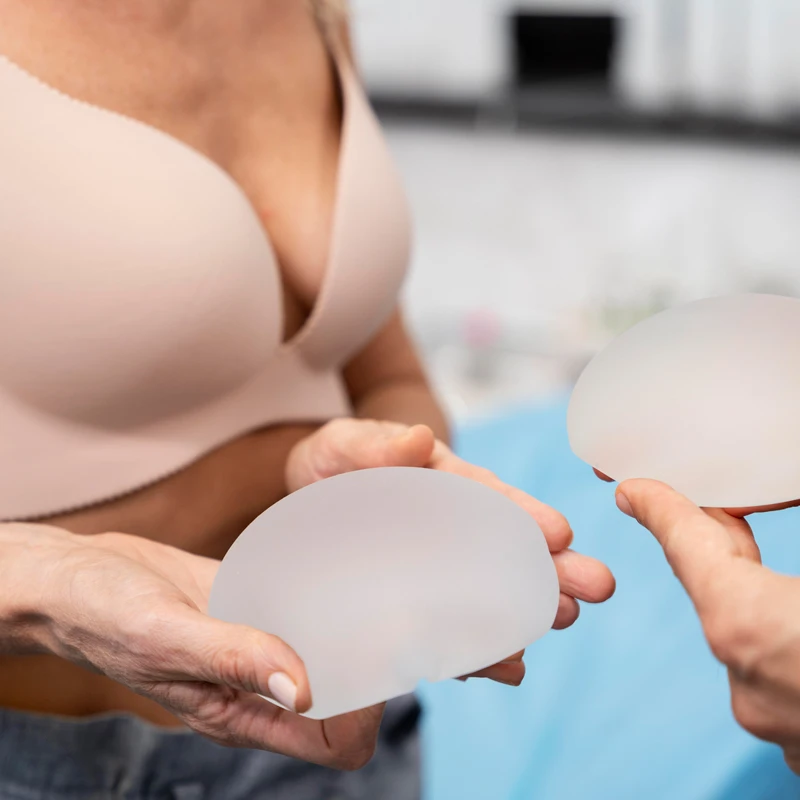
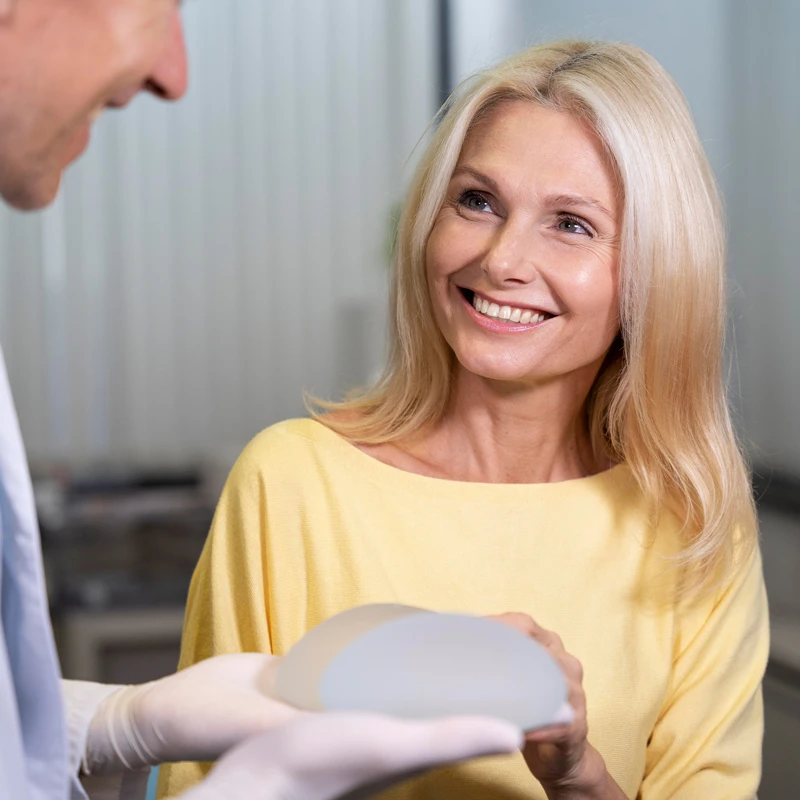
Breast augmentation is a proven method to increase breast volume and enhance body proportions.
Using state-of-the-art implant technologies, a natural and aesthetic appearance can be achieved that meets the individual patient’s wishes. Stamboul Clinic offers tailored breast augmentation solutions focused on safety and longevity.
With carefully selected implants and advanced surgical techniques, both the shape and size of the breasts can be improved, supporting self-confidence and overall well-being.
Long-term breast augmentation results are supported by comprehensive aftercare.
Modern implant technology for a harmonious and natural breast shape
Before & After: Breast Augmentation Results
Before-and-after images show the harmonious shaping and natural volume that can be achieved with breast augmentation.
Safe procedure to increase breast volume.
Breast augmentation is a surgical procedure to increase breast volume using implants. This procedure is ideal for women who desire fuller and more harmonious breast shapes.
At Stamboul Clinic, we use certified implants and techniques to achieve natural and long-lasting results.
Precise implant placement for aesthetic shaping.
In breast augmentation, carefully selected implants are placed to achieve the desired volume and shape. Depending on the patient, placement can be under the chest muscle or over the muscle.
Stamboul Clinic ensures a safe and personalized treatment experience.
Before & After: Breast Augmentation Results
Before-and-after images show the aesthetic and harmonious breast shape that can be achieved through breast augmentation.
You can visit our Instagram account for all our photos: Instagram
Long-lasting results with a healthy lifestyle.
Breast augmentation results are generally long-lasting, especially if the patient maintains a stable lifestyle. Regular follow-up and a healthy lifestyle contribute to the longevity of the results.
Stamboul Clinic provides comprehensive aftercare for long-term satisfaction.
Short recovery and a quick return to normal life.
After breast augmentation, the recovery time is about one to two weeks. During this period, intense activities should be avoided, after which patients can gradually return to their daily routines.
Stamboul Clinic ensures a pleasant experience and comprehensive aftercare.
Stamboul Clinic guarantees the highest standards for breast augmentation.
Our experienced specialists use modern technologies and certified techniques to ensure a safe and effective breast augmentation. Our aftercare ensures the lasting quality of the result.
About UsBreast augmentation for an aesthetic and harmonious breast shape.
Stamboul Clinic provides comprehensive support and the latest technology to shape your breasts according to your preferences and enhance your self-confidence.
Free Preliminary ExaminationFrequently Asked Questions (FAQ)
Before breast augmentation, patients often have questions about the method, its effects, and safety. Here we answer the most common questions to give you peace of mind.
Breast augmentation surgery is one of the most common cosmetic procedures in plastic surgery. The goal of this treatment is to improve the shape, size, and firmness of the breasts. Many women choose this surgery to optimize the appearance of their breasts after pregnancy, weight changes, or age-related tissue loss.
Modern breast surgery combines medical precision with aesthetic planning. The focus is not only on visual improvement but also on natural body harmony. A successful breast augmentation should always deliver a balanced and natural-looking result.
The costs vary depending on the clinic, the surgeon’s experience, and the technique used (implant placement, implant type, and whether additional procedures are required). In many European countries, the total price is often higher due to hospital costs, staffing expenses, and regulatory overhead.
In most cases, the price may include surgeon fees, anesthesia, operating room costs, pre-operative tests, implants (if used), post-operative garments, and follow-up visits. However, what is included can differ widely from clinic to clinic, so a written quote and a clear treatment plan are essential.
Turkey is one of the leading centers for cosmetic surgery. There, the average costs usually range between $2,500 and $6,000 USD, depending on the extent of the procedure and the materials used.
The final cost typically depends on whether the procedure is augmentation only, a lift only, or a combined augmentation with lift. The type of implant (brand, shape, surface), the complexity of the case, and the required hospital stay also influence the final quote.
The lower cost of living, modern hospital infrastructure, and the high number of specialized surgeons contribute to better value for money. In addition, many clinics perform a high volume of procedures, which can streamline logistics and reduce overall costs.
In medical tourism settings, treatment packages may also include accommodation, transfers, and coordinated post-operative follow-up, which can make the overall experience more predictable for international patients.
| Region | Average Costs |
|---|---|
| Turkey | USD 2,500 – 6,000 |
| Germany | EUR 6,000 – 12,000 |
| USA | USD 8,000 – 15,000 |
| UK | GBP 7,000 – 14,000 |
As with any surgery, breast corrections carry medical risks. A breast lift (mastopexy) is generally considered a safe procedure when performed by an experienced surgeon in a properly equipped facility, but it is still a real operation with anesthesia and wound healing involved.
Possible complications include infections, scarring, delayed wound healing, temporary or (rarely) long-term changes in nipple sensation, fluid collection (seroma), bleeding (hematoma), and asymmetry. Modern surgical techniques, careful patient selection, and sterile operating environments significantly reduce these risks.
The overall safety is strongly influenced by factors such as smoking status, general health, BMI, skin quality, and adherence to post-operative instructions.
Breast surgery is generally not recommended in cases of uncontrolled chronic illnesses, pregnancy, severe blood clotting disorders, or acute infections. In these situations, surgery is typically postponed until the condition is stabilized or resolved.
In addition, active smoking, poorly controlled diabetes, or untreated medical conditions can increase complication risk. A thorough pre-operative assessment is essential to identify risks and plan a safer procedure.
Yes, a breast lift can surgically correct sagging breast tissue. It is designed to improve breast position, reshape the tissue, and often reposition the nipple-areola complex to a more youthful level.
A lift is typically chosen when the main concern is drooping (ptosis) rather than a lack of volume. If volume loss is also present, a lift can be combined with implants for a fuller upper pole and more defined shape.
By removing excess skin and adjusting the breast tissue, a natural and firmer shape can be achieved. The surgical technique is selected based on the degree of sagging and may involve different incision patterns to achieve stable, symmetrical results.
A key part of achieving a natural outcome is respecting the patient’s anatomy, skin elasticity, and breast base width. Proper planning helps create a balanced contour that suits the overall body proportions.
The results can last for many years, but this depends on age, weight fluctuations, pregnancy, genetics, and lifestyle factors (such as smoking and sun exposure). While the surgery resets the breast position, it cannot stop the natural aging process.
Maintaining a stable weight, wearing supportive bras during high-impact activity, and following healthy habits can help preserve the result longer. Some patients may consider revision surgery years later if significant changes occur.
The choice depends on the individual goal and the current breast condition. A breast lift is recommended when the breasts are sagging, because it corrects drooping by reshaping and elevating the tissue.
Implants are used when additional volume is desired, especially in the upper breast area. In many real-life cases, the best outcome may involve a combination: a lift to correct sagging plus implants to restore lost volume.
Yes, because excess skin is removed and the breast is reshaped, the breasts may appear slightly smaller or more compact. The overall look often becomes more “tight” and lifted, which can change how size is perceived visually.
If the patient wants to maintain or increase volume, implants or fat transfer can be considered alongside the lift, depending on anatomy and goals.
One cup size corresponds to approximately 150 to 200 ml (cc) of implant volume, although this can vary depending on body type, chest width, existing breast tissue, and the implant profile.
Because bra sizing is not standardized across brands, “one cup” is not an exact medical measurement. A consultation with sizers, 3D imaging, or implant simulations often helps match expectations to realistic outcomes.
The most common sizes vary, but many women choose natural shapes in the B to C cup range. These sizes are often selected because they can look proportional, provide a noticeable enhancement, and still feel comfortable in daily life.
The “typical” choice can also depend on the patient’s height, shoulder width, hip-to-waist ratio, and personal style preferences.
A C cup is larger than a B cup. However, the visual difference also depends on the band size and overall body proportions, meaning the same letter can look different from one person to another.
A C cup can correspond to approximately 300 to 400 ml of implant volume, but this depends heavily on breast and body proportions, as well as how much natural tissue is already present.
In practice, surgeons often focus more on measurements such as breast base width and tissue characteristics than on cup sizes alone, because these provide a more reliable basis for implant selection.
A C cup is considered medium-sized and is often perceived as a balanced, natural shape. For many body types, it can provide a fuller contour without looking overly dramatic.
That said, “C cup” is a clothing label, not a medical standard, so the best approach is to define the desired look (subtle, moderate, or pronounced) and tailor the plan accordingly.
There is no universally perfect breast size. The ideal size depends on body proportions, hip width, shoulder structure, existing tissue, skin elasticity, and personal aesthetic expectations.
From an aesthetic planning perspective, the most satisfying results often come from proportional enhancement—meaning the breasts look harmonious with the overall silhouette and feel comfortable in daily activities.
Many patients report that the first 2 to 3 days after surgery can be the most difficult, due to swelling, tightness, and the body’s initial inflammatory response to surgery.
Discomfort typically improves gradually as swelling decreases and mobility returns. Following medication instructions, resting appropriately, and using supportive garments can make this phase more manageable.
The level of pain depends on the surgical method and individual sensitivity. Implants can cause a greater feeling of pressure—especially when placed under the chest muscle—because the tissues must adapt to the new volume.
Lift surgeries can create more surface-level wound tension because the skin is tightened and reshaped. Some patients feel more discomfort from one approach than the other, and combination procedures may involve both types of sensations.
Complete bed rest is usually not necessary, but it is recommended to take it easy for the first few days. Light walking is often encouraged to support circulation and reduce the risk of complications such as blood clots.
Most patients gradually return to routine daily activities within about 1 to 2 weeks, while heavier lifting and intense exercise are typically delayed for several weeks based on the surgeon’s guidance.
Generally, you should wait 3 to 5 days before the wound areas come into contact with water, but this can vary depending on dressings, incision technique, and whether drains were used.
Your surgeon’s instructions should always be followed, as proper wound care helps reduce infection risk and supports clean scar healing.
Gentle exercise, wearing a medical support bra, and taking the medication prescribed by your doctor will support the healing process. Maintaining good hydration, sleeping in a supportive position, and avoiding smoking are also commonly recommended.
Consistent follow-up appointments are important, because the surgeon can monitor swelling, incision healing, and early scar development, and can adjust recommendations if needed.
Studies show that the majority of patients are satisfied with the result after successful breast surgery. Satisfaction depends heavily on realistic expectations, clear communication, and surgical experience.
A well-planned operation not only improves physical appearance but can also boost self-confidence in everyday life. However, some patients need an adjustment period, as swelling and shape changes can continue for weeks to months before the final result settles.
Breast firmness is usually highest in young adulthood, when skin elasticity and connective tissue strength are typically at their peak.
With increasing age, breast tissue loses elasticity. Pregnancy, breastfeeding, weight changes, and hormonal factors significantly affect breast shape, and these influences accumulate over time.
A bra can only provide visual support. True tissue tightening without medical treatment is not possible, because elasticity changes in the skin and internal breast ligaments are biological processes.
Lifestyle factors (stable weight, overall fitness, and good skin care) may help maintain appearance, but they do not reverse sagging once the tissue has significantly stretched.
The decision depends on the individual situation, especially the degree of sagging and the amount of existing volume. If the main concern is drooping, a lift addresses position and shape. If the main concern is volume, implants address fullness.
For sagging breasts without sufficient volume, a combination of a breast lift and implants can be beneficial. This approach is often chosen when both shape and size are to be optimized in a single plan.
The ideal breast size varies depending on body proportions and personal aesthetic preferences. Medically speaking, there is no universally perfect size.
A practical way to define a “perfect” size is to focus on proportional balance and comfort—meaning the breasts match the patient’s frame, lifestyle, and desired clothing fit without causing long-term strain or dissatisfaction.
There is no universally applicable ranking, as quality depends on experience, clinic standards, surgical techniques, and follow-up care. The best choice is the surgeon who is appropriately certified, experienced with your procedure type, and able to demonstrate consistent outcomes.
Patients should pay attention to certifications, the number of procedures performed, clear pre-operative planning, and structured postoperative care. Transparent communication and realistic outcome discussion are also key indicators of quality.
Countries with advanced medical technology, experienced specialists, and strict clinic standards are considered leaders. Besides Turkey, Germany, South Korea, and the USA are frequently mentioned.
The “best” destination often depends on the patient’s priorities, such as surgical expertise, safety standards, access to follow-up, and total travel logistics.
Medical tourism data shows that Turkey, parts of Eastern Europe, and some Asian countries often offer more affordable prices.
However, affordability should be evaluated alongside surgeon experience, hospital accreditation, hygiene standards, implant quality, and the availability of aftercare—especially for international patients.
Lower operating costs, high competition among clinics, and government subsidies for medical tourism influence prices. Exchange rates and the high case volume in specialized clinics can also contribute to lower package costs.
Even with lower prices, patients should still verify standards, credentials, and exactly what is included in the treatment plan to avoid surprises.
Complete bed rest is usually not necessary. Gentle movement promotes blood circulation and supports the healing process, and many surgeons encourage short walks starting early in recovery.
At the same time, overexertion should be avoided. The return to work and exercise depends on the procedure type and the patient’s healing rate, which is why individualized guidance is important.
Patients should usually wait 3 to 5 days or follow their doctor's instructions. The timeline can vary depending on incision management, dressings, and whether drains are present.
Proper wound care, clean drying, and avoiding soaking (baths, pools, saunas) during early healing help protect the incision and support better scarring outcomes.
In the first few weeks, heavy lifting, intense exercise, saunas, direct sunlight, and pressure on the breast area should be avoided. Sudden upper-body strain can increase swelling and may stress the incision line.
Following activity restrictions, wearing the recommended support bra, and attending scheduled check-ups help reduce complication risk and protect the aesthetic outcome.
The longevity depends on age, weight, hormonal changes, and lifestyle. Surgical results can remain stable for many years when weight remains stable and post-operative recommendations are followed.
It is also important to understand that the body continues to age. Over time, tissue elasticity may change again, and some patients may consider revision surgery later in life depending on personal goals.
Surgery should be postponed in cases of acute infections, serious chronic illnesses, pregnancy, or uncontrolled metabolic disorders. A surgeon may also recommend delaying surgery if the patient is actively smoking or has medical factors that significantly increase risk.
A full medical evaluation helps identify potential concerns early, so the procedure can be planned under safer conditions.
Mild pain and a feeling of tightness are normal, especially in the early days. Discomfort is usually manageable with prescribed pain medication and tends to improve as swelling decreases.
Pain levels can vary depending on the technique, implant placement, and individual sensitivity. If pain increases suddenly or is associated with unusual symptoms, medical evaluation is important.
Possible risks include bleeding, infection, scarring, or temporary changes in sensation. Depending on the procedure, additional risks can include fluid accumulation, asymmetry, wound healing problems, and the need for revision surgery.
Choosing a qualified surgeon, following pre- and post-operative instructions, and attending follow-up visits significantly improves safety and outcomes.
A C-cup breast size is often perceived as medium-sized and proportionate to the body. The appearance of a “C cup” can still vary widely depending on band size, chest width, and natural breast tissue.
For planning surgery, measurements and aesthetic goals are often more accurate than cup labels alone.
A 400 ml implant volume often corresponds to approximately a large C or small D cup, depending on breast structure and body proportions. The same volume can look different depending on implant profile, base width, and the patient’s existing tissue.
A consultation with implant sizers or digital imaging can help translate volume numbers into a realistic expectation for the individual body type.
Breast shape can change again with increasing age, pregnancy, breastfeeding, or significant weight fluctuations. Skin and tissue naturally lose elasticity over time, and gravity continues to act on the breast tissue.
Maintaining stable weight, following healthy habits, and using supportive garments during high-impact activities can help preserve results, but they cannot completely stop natural long-term changes.