
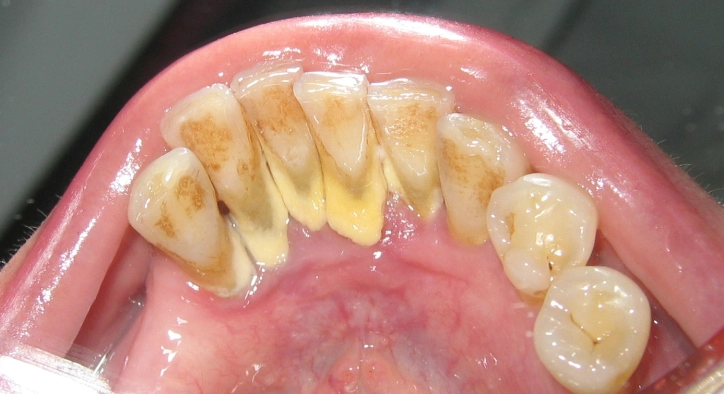
is one of those dental words people hear often, yet rarely explore in depth. In everyday conversations, tartar is usually described as a stubborn buildup on teeth, but the story behind it is far more layered. In this article prepared on behalf of Stamboul Clinic, we take a calm, informative, and engaging look at how tartar forms, how it is discussed in modern dentistry, and how people around the world try to understand ways of removing tartar from teeth.
Rather than offering instructions or health advice, this text explores the science, research trends, and commonly asked questions around tartar, using an accessible and human tone. If you have ever wondered why tartar seems so persistent or why it is often confused with plaque, you are in the right place.
İçindekiler
- Understanding Tartar and How It Forms on Teeth
- Why Tartar Is So Difficult to Remove
- Common Misconceptions About Tartar Removal
- The Science Behind Professional Tartar Removal
- Daily Habits and Their Relationship With Tartar
- A Global Perspective on Tartar Research and Awareness
- Final Thoughts on Tartar and Its Removal
Understanding Tartar and How It Forms on Teeth
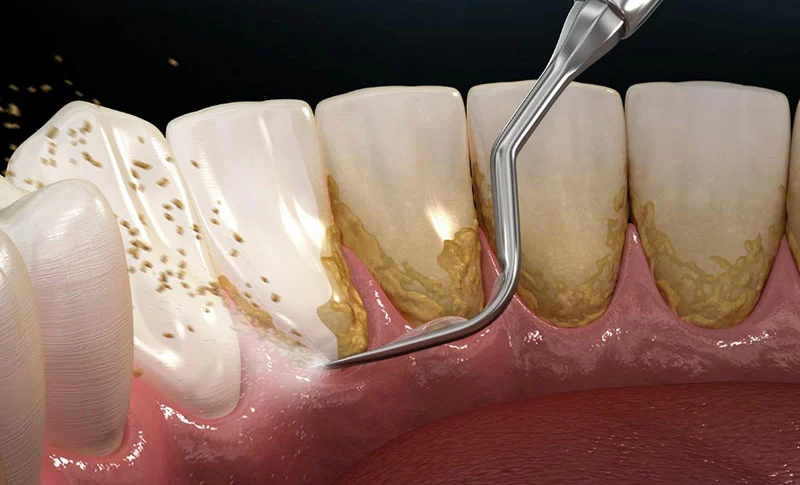
Tartar, also known in academic literature as dental calculus, begins its story as something much softer. It originates from plaque, a sticky film made up of bacteria, proteins, and food remnants. When plaque is not disrupted, it can mineralize over time and turn into tartar, which is noticeably harder and more resistant.
What makes tartar particularly interesting is the speed of this transformation. Research observations suggest that plaque can begin hardening in as little as one to two days under certain conditions. Once plaque becomes tartar, it bonds strongly to the tooth surface. This is why tartar is often described as “cement-like” in both scientific papers and patient narratives.
Another point often overlooked is that tartar does not form uniformly. It tends to accumulate more quickly behind lower front teeth and along the gumline, areas influenced by saliva flow and oral anatomy. These patterns help researchers better understand why tartar appears in predictable locations.
Why Tartar Is So Difficult to Remove
When people ask how to remove tartar, they are usually reacting to its most defining trait: resistance. Unlike plaque, tartar cannot be simply rinsed or brushed away once it has hardened. Its mineral structure is similar to that of bone, which explains its durability.
Scientific analyses show that tartar forms a porous surface. This means it can trap more plaque and bacteria, creating a cycle that allows additional layers of tartar to accumulate. From an observational standpoint, this explains why tartar buildup can seem to accelerate once it begins.
Another reason tartar is challenging lies in perception. Many people do not notice tartar until it becomes visible or creates a rough sensation. At that stage, tartar has usually been present for some time, making removal discussions more complex.
Common Misconceptions About Tartar Removal
One widespread misconception is that tartar and plaque are interchangeable terms. While related, they are not the same. Plaque is soft and temporary, whereas tartar is hardened and persistent. Confusing the two often leads to unrealistic expectations about tartar removal.
Another misunderstanding involves home remedies. Online discussions frequently suggest that acidic or abrasive substances can dissolve tartar. However, scientific commentary often emphasizes that tartar is mineralized, meaning it does not simply “melt away.” These myths persist largely because tartar removal is often discussed without proper context.
Interestingly, surveys in dental psychology show that people tend to underestimate how long tartar has been forming. This time gap contributes to the belief that tartar appeared suddenly, reinforcing confusion around how tartar can realistically be removed.
For more academic insight into how dental calculus is defined, readers often consult resources like the Wikipedia dental calculus entry https://en.wikipedia.org/wiki/Calculus_ which provides a neutral overview of tartar formation and terminology.
The Science Behind Professional Tartar Removal
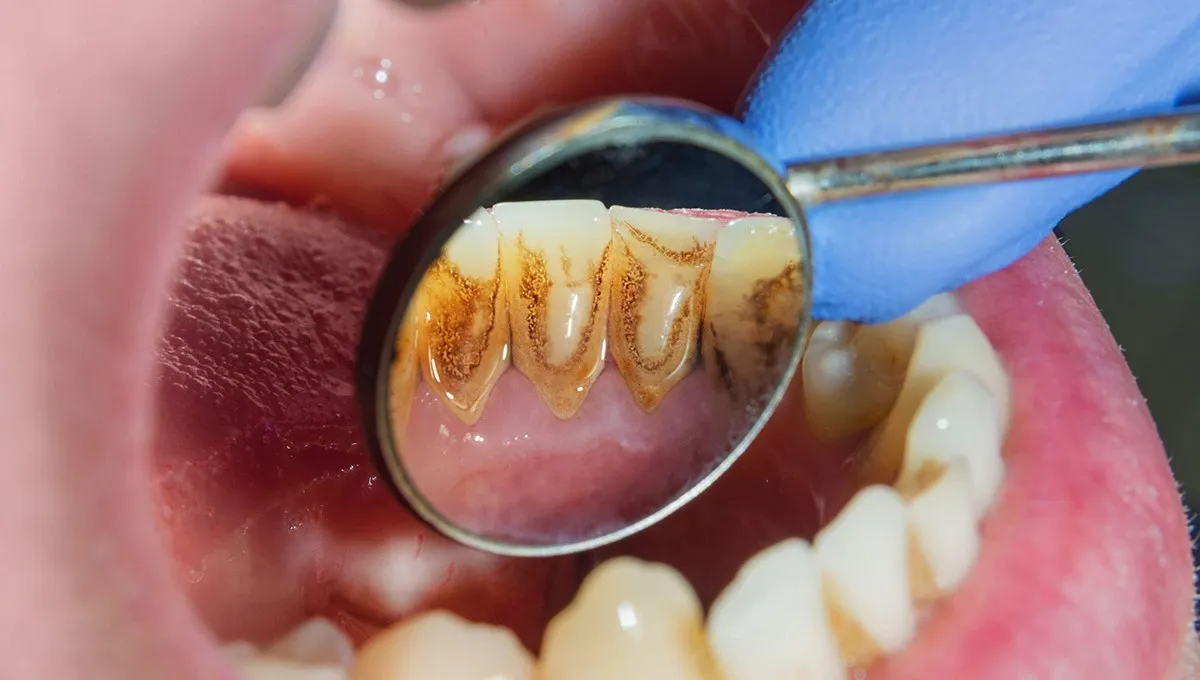
In clinical environments, tartar removal is discussed in terms of mechanical disruption. Scientific literature describes the use of specialized instruments designed to detach tartar from tooth surfaces without damaging enamel. The emphasis here is precision rather than force.
From a research perspective, tartar removal has been studied not only for aesthetic outcomes but also for its role in oral ecosystems. Studies indicate that tartar alters bacterial balance, making its removal a topic of interest in microbiological research.
It is also worth noting that tartar is sometimes used in forensic science. Because tartar can preserve biological material, researchers have analyzed ancient tartar deposits to learn about historical diets. This unexpected role highlights how complex and information-rich tartar really is.
For readers interested in the academic side of oral biology, institutions such as the National Institute of Dental and Craniofacial Research https://www.nidcr.nih.gov publish research summaries that frequently reference tartar within broader oral health studies.
Daily Habits and Their Relationship With Tartar
While this article avoids recommendations, it is useful to explore how daily routines are linked to tartar formation in observational studies. Researchers often analyze correlations between habits and tartar accumulation rather than cause-and-effect rules.
For example, diet consistency, saliva composition, and oral microbiome diversity are all variables studied in relation to tartar. Some populations show faster tartar buildup due to natural mineral content in saliva, independent of lifestyle.
Another intriguing area of study focuses on timing. Research suggests that plaque left undisturbed for extended periods has a higher chance of becoming tartar. This does not translate into advice, but it does explain why tartar is often associated with routine patterns rather than isolated events.
A Global Perspective on Tartar Research and Awareness
Tartar is not viewed the same way in every culture. Anthropological research reveals that perceptions of tartar vary widely depending on access to dental education and societal norms. In some regions, visible tartar is seen as a cosmetic issue, while in others it is barely discussed.
Modern research collaborations now compare tartar samples across populations to better understand genetic and environmental influences. These studies aim to answer why tartar forms more aggressively in some individuals despite similar conditions.
Public awareness campaigns increasingly focus on explaining what tartar is rather than dramatizing its effects. This shift reflects a broader movement toward informed curiosity instead of fear-based messaging.
Final Thoughts on Tartar and Its Removal
Understanding tartar means accepting that it is more than just a surface problem. It is a mineralized record of biological activity, habits, and time. Discussions about how to remove tartar are most meaningful when grounded in science, context, and realistic expectations.
At Stamboul Clinic, the goal of educational content like this is to replace confusion with clarity. By exploring how tartar forms, why it persists, and how it is studied, readers gain a deeper appreciation of a topic often reduced to a single sentence.
Rather than offering shortcuts or promises, this guide invites you to see tartar as researchers do: a fascinating intersection of biology, chemistry, and daily life.
About the Author

Similar Posts
Content similar to this post could not be found.