Gamze Derince Whatsapp (Online)
Sleeve gastrectomy is an effective procedure for sustainable weight reduction, where the stomach is reduced to a sleeve-shaped structure.
At Stamboul Clinic, we combine the latest techniques with comprehensive aftercare to ensure a healthy and lasting outcome for you.
By limiting food intake, sleeve gastrectomy promotes a feeling of fullness and facilitates long-term weight management.
Comprehensive aftercare and continuous support ensure treatment success and promote your health.
An effective method for reducing body weight
Sleeve gastrectomy is a surgical procedure that permanently reduces stomach volume.
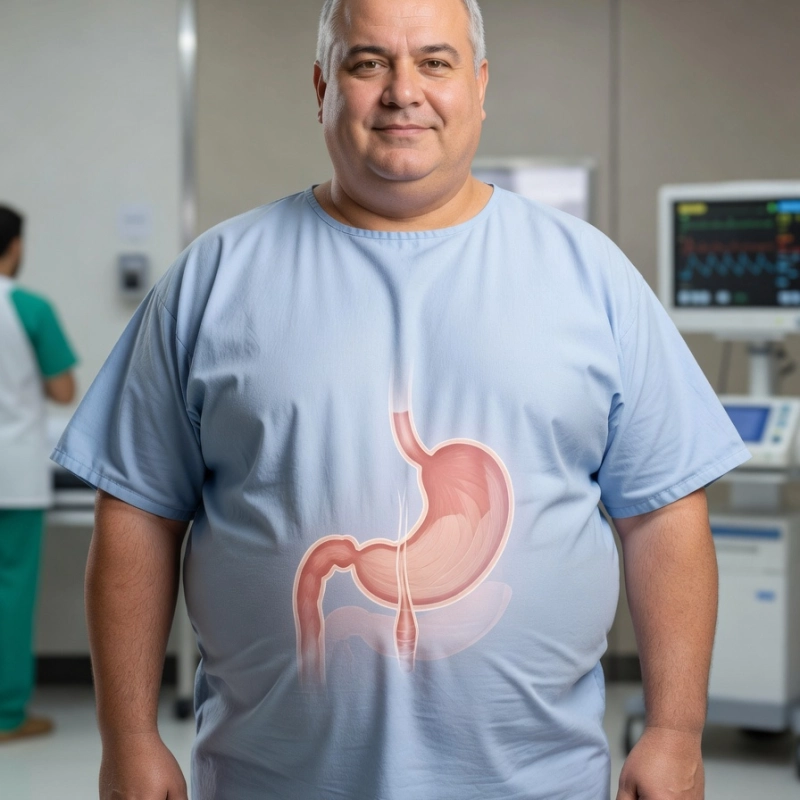
During sleeve gastrectomy, a large portion of the stomach is removed, leaving only a sleeve-shaped remainder. This reduction in stomach size limits food intake and promotes faster satiety.
At Stamboul Clinic, we use the latest techniques to ensure a safe and efficient procedure.
Sleeve gastrectomy is a minimally invasive, inpatient procedure.
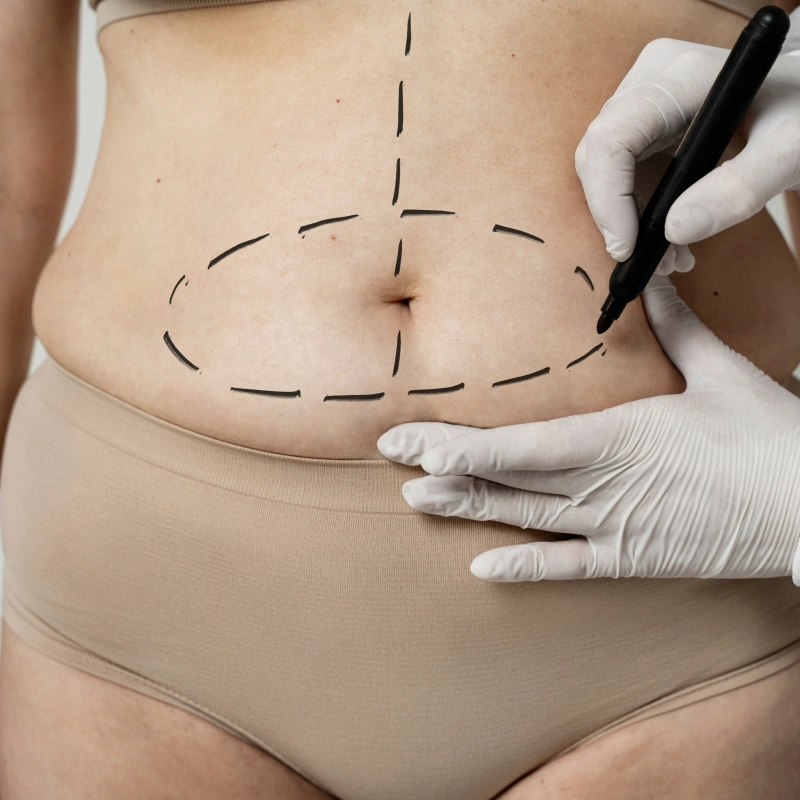
After thorough preparation, the operation is performed laparoscopically to speed healing and minimize risks. The procedure typically takes one to two hours and requires a short hospital stay.
Modern technology ensures a safe and effective surgery.
Sleeve gastrectomy provides a long-term solution for weight reduction.
The procedure permanently reduces stomach volume, potentially leading to long-term weight loss. A healthy lifestyle and regular follow-ups can further support this success.
Stamboul Clinic offers comprehensive care to help you reach your goals.
The recovery period typically lasts only a few weeks.
A short rest period is necessary after sleeve gastrectomy. Most patients can resume normal activities after a few days, but it is recommended to avoid strenuous exercise for several weeks.
Stamboul Clinic supports you throughout the entire healing process.
Stamboul Clinic places the highest priority on top-quality sleeve gastrectomy procedures.
Our specialists use only certified materials and the latest technologies to provide you with a safe, reliable sleeve gastrectomy. We focus on achieving natural, sustainable results.
About UsSleeve gastrectomy offers an effective method for sustainable weight reduction.
At Stamboul Clinic, we rely on modern techniques and top-quality standards to support your health goals. Trust our experienced team for optimal care.
Free Preliminary ExaminationFrequently Asked Questions (FAQ)
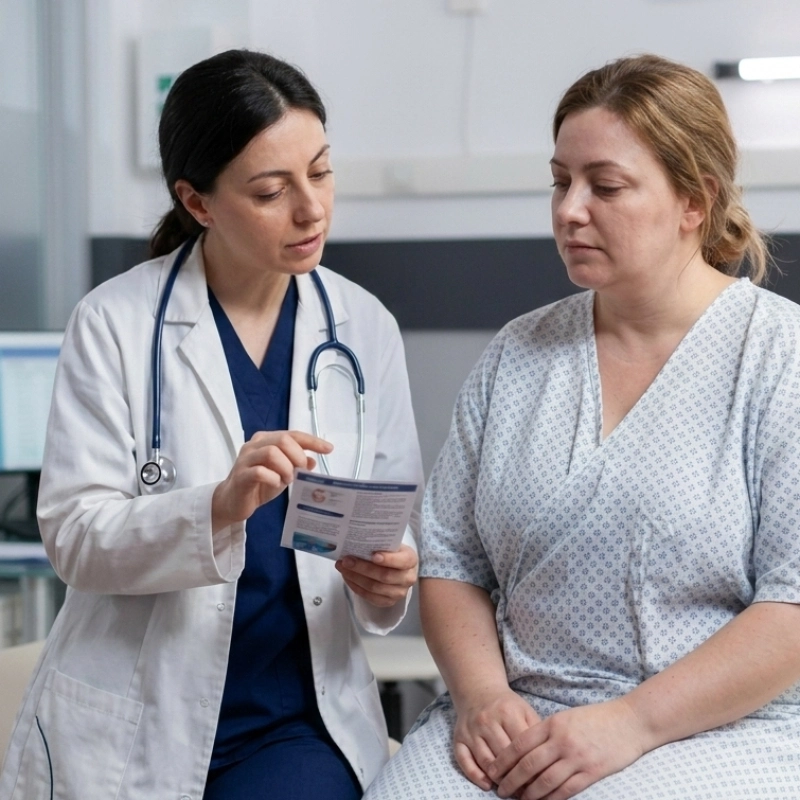
Before undergoing sleeve gastrectomy, patients often have questions about the procedure, aftercare, and long-term outcomes. Here we answer the most common questions to guide you toward a new, healthier lifestyle.
Sleeve Gastrectomy surgery, also known as sleeve gastrectomy, is one of the most commonly chosen bariatric procedures for patients aiming to achieve long-term weight loss. This permanent surgical procedure involves removing approximately 70–80% of the stomach, leaving a narrow, tube-shaped stomach that restricts food intake and reduces hunger.
By decreasing stomach volume, patients feel full more quickly, which encourages portion control and sustainable calorie reduction. This procedure not only supports weight loss but also helps improve obesity-related health conditions such as type 2 diabetes, hypertension, and sleep apnea.
The Sleeve Gastrectomy operates primarily through a restrictive mechanism. By physically reducing the size of the stomach, it limits the amount of food that can be consumed at each meal. Additionally, the procedure impacts the hormone ghrelin, often called the “hunger hormone,” by lowering its production, which helps suppress appetite.
Most sleeve gastrectomies are performed laparoscopically, meaning only small incisions are needed. This minimally invasive approach reduces surgical trauma, shortens hospital stays, and accelerates recovery compared to traditional open surgeries.
The surgery typically lasts between 45 and 90 minutes, depending on the patient’s anatomy and health status. Modern techniques make the operation faster, safer, and more comfortable for patients than ever before.
Eligibility primarily depends on the patient’s Body Mass Index (BMI) and the presence of obesity-related health issues.
Standard Candidates: Patients with a BMI of 40 or higher.
Conditional Candidates: Patients with a BMI of 35 or higher who also have conditions like type 2 diabetes, hypertension, or sleep apnea may qualify.
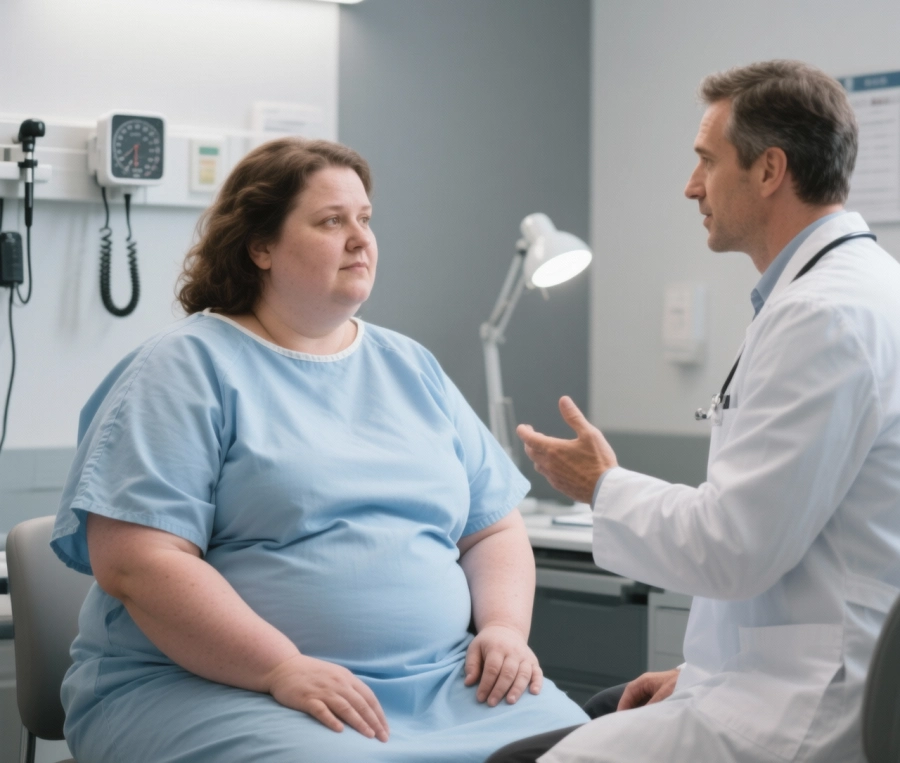
A comprehensive evaluation by an experienced bariatric surgeon is essential before confirming candidacy. Patients must also be committed to long-term lifestyle changes, including dietary adjustments and regular medical follow-up, to maximize success.
Sleeve Gastrectomy surgery provides substantial and lasting weight loss for most patients. Weight reduction generally begins soon after surgery and is typically stable over time. Clinical outcomes also demonstrate improvements in metabolic health, including better blood glucose control, enhanced cardiovascular function, and reduced risk of obesity-related complications.
Long-term weight maintenance depends on adherence to healthy eating habits, structured portion control, and regular physical activity. The sleeve is a permanent intervention—the removed portion of the stomach does not grow back, though the remaining stomach may stretch slightly over time if eating habits are not maintained.
While generally considered safe, Sleeve Gastrectomy surgery carries risks common to major surgical procedures:
Proper patient selection, adherence to post-operative instructions, and regular medical check-ups are key factors in minimizing risks.
Sleeve Gastrectomy surgery provides numerous benefits that make it one of the most popular bariatric procedures worldwide:
While the mini gastric bypass also promotes effective weight loss, Sleeve Gastrectomy surgery has distinct features:
Roux-en-Y bypass involves two connections between the stomach and small intestine, increasing surgical complexity. Sleeve Gastrectomy surgery offers:
Adapting to life after Sleeve Gastrectomy surgery is crucial for maintaining results:
Although considered safe, potential complications include:
Choosing an experienced bariatric surgeon and a modern clinic significantly reduces these risks.
Most patients maintain substantial weight loss for years after surgery. Key strategies include:
Turkey has become a leading destination for bariatric surgery due to:
Stamboul Clinic provides tailored treatment plans for patients worldwide:
This approach maximizes patient safety, supports effective weight loss, and promotes lasting improvements in health and quality of life.
Sleeve Gastrectomy surgery is a safe, effective, and permanent solution for patients struggling with obesity. By combining stomach restriction with hormonal adjustments, it helps patients achieve significant weight loss and improves metabolic health.
When paired with healthy eating habits, structured exercise, and regular medical follow-up, Sleeve Gastrectomy surgery offers long-term benefits that extend far beyond weight reduction, enhancing overall well-being, mobility, and life expectancy.
Natural Perfection in Aesthetics
#instagram #facebook #linkedin #tiktok
Whether you have questions about our services or concerns about your treatment – we are here to assist you.
Phone Number: +90 (530) 084 98 22
Email: info@stamboulclinic.com
Address: Kartaltepe Neighborhood, Süvari Street, Block D, No:10, Apartment D7, Küçükçekmece, Istanbul, Turkey
© 2025 All right reserved.