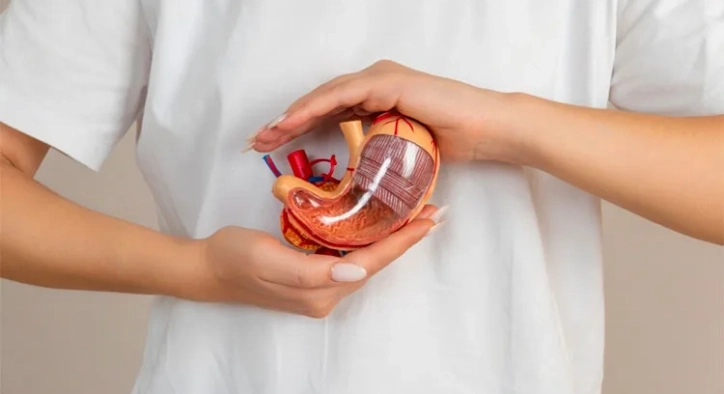
Living with severe obesity (BMI ≥ 35-40) or chronic metabolic comorbidities (such as type 2 diabetes, severe gastroesophageal reflux disease (GERD), hypertension, and sleep apnea) often creates a cycle where lifestyle modifications alone do not produce lasting weight reduction. When diet and exercise fail to resolve systemic metabolic imbalances, modern metabolic surgery provides a scientifically validated solution. Globally, gastric bypass surgery remains the gold standard procedure for achieving substantial weight loss, metabolic health restoration, and permanent disease remission.
At Stamboul Clinic, we coordinate world-class laparoscopic and robotic bariatric surgeries within fully accredited, state-of-the-art hospital settings. Whether you are researching choices for a gastric bypass Turkey travel plan, seeking clarity on what is a gastric bypass from an anatomical perspective, evaluating gastric sleeve vs gastric bypass protocols, asking what can you never eat again after gastric bypass, or checking global gastric bypass surgery cost structures, this clinical guide provides comprehensive medical insights and recovery parameters.
Table of Content
- What Is a Gastric Bypass?
- Surgical Techniques: Roux-en-Y vs. Mini Gastric Bypass
- Head-to-Head Analysis: Gastric Bypass vs. Sleeve
- Is Gastric Bypass Reversible?
- Dietary Guidelines: What Can You Never Eat Again After Gastric Bypass?
- Tracking Gastric Bypass Before and After Transformations
- Analyzing Gastric Bypass Surgery Cost Metrics Globally
- Frequently Asked Questions (FAQ)
- How does alcohol affect you after a gastric bypass surgery?
- Why are daily lifelong vitamin and mineral supplements mandatory after a gastric bypass?
- How do I prevent gallstone formation during rapid weight loss after bypass surgery?
- When can I safely plan a pregnancy after undergoing a gastric bypass?
- What should I do if I experience symptoms of dumping syndrome after eating?
What Is a Gastric Bypass?
To establish a clear medical foundation, let us answer a primary question: what is a gastric bypass procedure from a physiological standpoint? Clinically known as a dual-action metabolic operation, gastric bypass surgery alters both the stomach capacity and the small intestine architecture under general anesthesia.
THE DUAL METABOLIC MECHANISM:
- [Stomach Pouch Creation (~30 cc)] ➡️ Physical volume restriction forcing early satiety with small meals.
- [Small Intestine Rerouting] ➡️ Controlled malabsorption bypassing calories, fats, and simple sugars.
- [Incretin Hormone Modulation] ➡️ Immediate elevation of GLP-1 & PYY, resetting pancreatic insulin sensitivity.
By reducing the active stomach size and bypassing a portion of the upper GI tract, the procedure reduces caloric absorption and shifts gastrointestinal hormone signaling. This hormonal shift suppresses ghrelin (the hunger-stimulating hormone) while stimulating satiety gut peptide hormones, allowing patients to overcome insulin resistance and control appetite naturally.
Surgical Techniques: Roux-en-Y vs. Mini Gastric Bypass
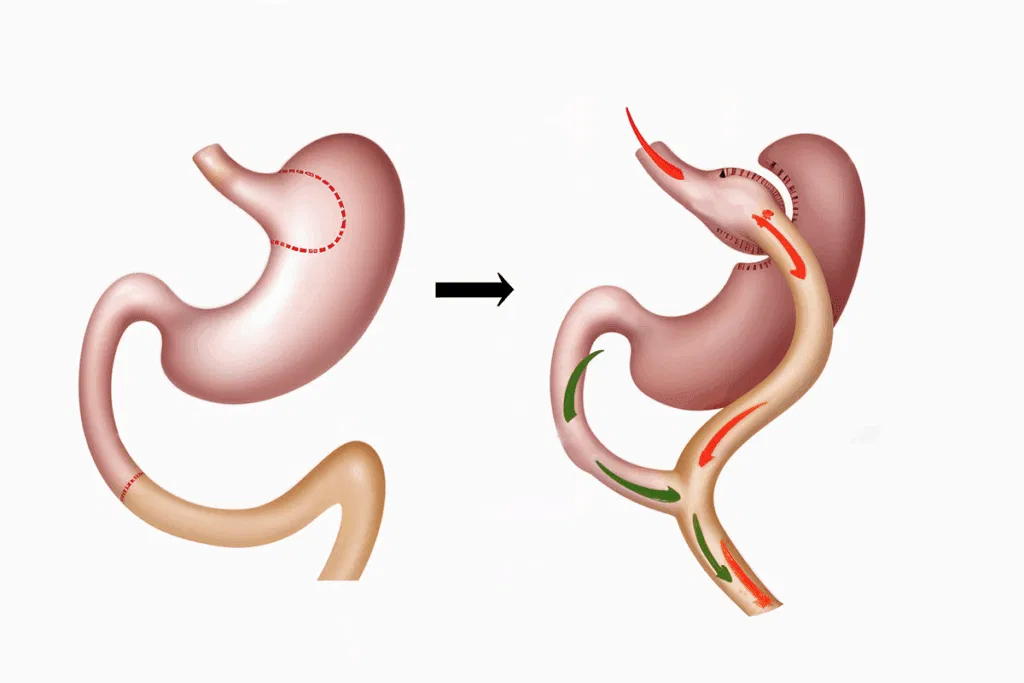
Selecting the appropriate surgical method depends on your BMI, gastrointestinal history, metabolic status, and personal health goals.
SURGICAL METHODOLOGIES COMPARISON:
- Roux-en-Y Gastric Bypass: Standard dual-anastomosis approach; gold standard for severe GERD and metabolic control.
- Mini Gastric Bypass (OAGB): Single-anastomosis loop approach; shorter operative time with high weight-loss efficacy.
1. Roux-en-Y Gastric Bypass (RYGB)
The roux en y gastric bypass is the most widely performed bariatric operation globally. The surgeon uses precision surgical staplers to divide the top of the stomach, creating a thumb-sized pouch holding approximately 30 ml of food. The small intestine is then divided, and its lower end (the Roux limb) is brought up and connected directly to the new pouch (gastrojejunostomy). The remaining upper intestine is reattached lower down to allow digestive juices to mix with food. This dual-connection layout prevents bile reflux into the stomach pouch and resolves severe heartburn in over 90% of patients.
2. Mini Gastric Bypass (Single Anastomosis / OAGB)
A mini gastric bypass (One Anastomosis Gastric Bypass) simplifies the traditional procedure by creating a longer, narrow tube-like stomach pouch. A loop of the small intestine is then connected directly to the pouch roughly 150 to 200 cm past the duodenum, creating a single junction (anastomosis). This approach offers shorter operating times, excellent metabolic outcomes, and easier technical execution, though it requires precise patient selection to avoid bile reflux.
Head-to-Head Analysis: Gastric Bypass vs. Sleeve
Evaluating the differences between a gastric bypass vs sleeve (sleeve gastrectomy) helps clarify which metabolic intervention fits your health profile.
GASTRIC SLEEVE vs. GASTRIC BYPASS:
- Gastric Sleeve: Removes ~80% of stomach vertically; no intestinal rerouting; retains natural GI tract absorption.
- Gastric Bypass: Creates small pouch & reroutes intestine; restriction + malabsorption; superior for diabetes & reflux.
Clinical Parameter | Gastric Sleeve (Sleeve Gastrectomy) | Gastric Bypass (Roux-en-Y / Mini) |
Anatomical Alteration | Stomach reduction only (banana shape) | Pouch creation + small intestine bypass |
Intestinal Rerouting | None (Preserves natural absorption) | Yes (Bypasses ~150–200 cm of intestine) |
Excess Weight Loss (%EWL) | 60% – 70% over 12–18 months | 70% – 80%+ over 12–18 months |
Impact on GERD / Acid Reflux | May worsen or trigger acid reflux | Gold standard treatment; cures severe GERD |
Type 2 Diabetes Remission Rate | High (~60% – 70% remission) | Exceptional (~80% – 90%+ immediate remission) |
Reversibility Status | Irreversible (Stomach tissue removed) | Reversible in rare medical emergencies |
Is Gastric Bypass Reversible?
A common medical question asked by prospective patients is: is gastric bypass reversible if medical complications occur?
Technically, a roux en y gastric bypass or mini bypass is surgically reversible, unlike a gastric sleeve where 80% of the stomach tissue is permanently removed from the body. Because no internal organs are excised during a bypass (the larger bypassed portion of the stomach (remnant) and the bypassed intestine remain alive in the abdomen) a specialized bariatric surgeon can reconnect the original digestive anatomy.
However, reversing a bypass requires complex reconstructive surgery carried out only in rare emergency situations, such as severe intractable malnutrition, unmanageable chronic ulcers, or severe dumping syndrome. It is always planned as a permanent, lifelong metabolic transformation.
Dietary Guidelines: What Can You Never Eat Again After Gastric Bypass?
Understanding long-term nutritional changes is essential for preventing uncomfortable side effects and maintaining weight loss momentum. Many patients wonder: what can you never eat again after gastric bypass surgery?
While very few items are banned permanently, you must strictly avoid certain foods and beverages to prevent dumping syndrome (rapid stomach emptying causing nausea, cold sweats, cramping, and diarrhea) or physical pouch blockages:
- Refined High-Sugar Foods & Desserts: Candies, syrups, standard ice cream, and full-sugar pastries rapidly pull fluid into the intestine, triggering immediate dumping syndrome.
- Carbonated Beverages: Soda, sparkling water, and energy drinks release carbon dioxide gas that can uncomfortably stretch the stomach pouch.
- Tough, Fibrous, or Dry Meats: Dry steak, overcooked chicken breast, and gristly meats can form dense food wads that block the narrow pouch outlet.
- Sticky, Doughy White Breads & Uncooked Dough: White bread, fresh bagels, and gummy pasta absorb liquids and expand inside the small pouch, leading to pain or vomiting.
- High-Fat, Deep-Fried Foods: Greasy fries, heavily fried meats, and high-fat sauces exceed the intestinal absorption capacity, causing dumping, cramping, and fatty stools (steatorrhea).
- Alcoholic Beverages: Post-bypass alcohol absorption is accelerated, leading to rapid intoxication and high addiction transfer risks.
Tracking Gastric Bypass Before and After Transformations
Evaluating genuine gastric bypass before and after progress profiles illustrates how weight loss and health markers evolve across a chronological timeline:
THE CHRONOLOGICAL METABOLIC TIMELINE:
- - Weeks 1 to 2: Rapid Initial Shift ➡️ Liquid-to-puree diet; diabetes medications reduced or stopped.
- Months 1 to 3: 20% to 30% EWL ➡️ Significant drops in systemic inflammation and blood pressure.
- Months 6 to 12: 60% to 80% EWL ➡️ Energy levels surge; joint mobility restored; liver function normalizes.
- - Months 18+: Peak Weight Stability ➡️ Weight stabilizes; long-term nutritional maintenance phase begins.
By month 12, patients routinely achieve a 70% to 80% reduction in excess body weight. More importantly, clinical studies show immediate, long-term remission of type 2 diabetes, normalization of cholesterol levels, resolution of sleep apnea, and significant reductions in cardiovascular risk.
Analyzing Gastric Bypass Surgery Cost Metrics Globally
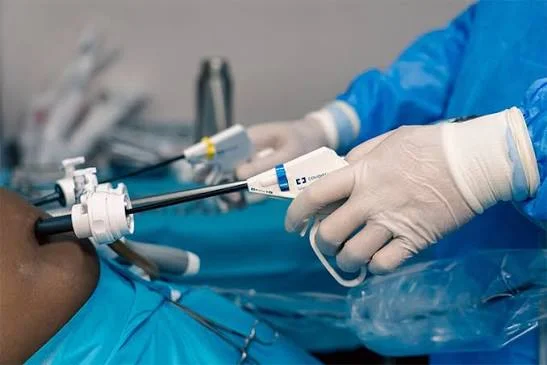
A primary consideration when evaluating metabolic healthcare is the financial investment. Prospective patients routinely research the overall gastric bypass surgery cost across different healthcare hubs.
In the United States, Canada, the UK, and Western Europe, private bariatric surgery involves separate charges for surgeon fees, hospital stays, general anesthesia, and follow-up care. Total costs in Western centers range from $15,000 to $28,000+.
Selecting a gastric bypass Turkey package allows international patients to access board-certified bariatric surgeons and accredited hospital facilities through transparent, all-inclusive packages. The table below outlines structural pricing comparisons for 2026:
Healthcare Destination / Hub | Primary Gastric Bypass (Roux-en-Y / Mini) Range | Revision Bariatric Surgery Range | Package Inclusions |
United States (USA) | $16,000 – $28,000 USD | $22,000 – $35,000 USD | Surgery Only (Pre-ops & Checks Extra) |
United Kingdom (UK) | £11,000 – £17,500 GBP | £14,000 – £22,000 GBP | Surgery Only (Consults & Aftercare Extra) |
Germany / Switzerland | €12,000 – €18,500 EUR | €15,000 – €24,000 EUR | Surgery Only (Hospital & Meds Extra) |
Stamboul (Turkey) | €3,450 – €4,850 EUR | €4,200 – €5,800 EUR | All-Inclusive (Hospital, 5-Star Hotel, VIP Transfers & Aftercare) |
Frequently Asked Questions (FAQ)
How does alcohol affect you after a gastric bypass surgery?
Alcohol must be strictly avoided for at least 12 to 24 months post-surgery. After a bypass, the missing stomach enzyme (alcohol dehydrogenase) and rerouted intestine cause alcohol to enter your bloodstream almost instantly, resulting in rapid intoxication with much smaller amounts. Furthermore, bariatric patients carry a higher long-term risk of developing addiction transfer, making cautious alcohol management vital.
Why are daily lifelong vitamin and mineral supplements mandatory after a gastric bypass?
Because bypassing the duodenum and upper jejunum reduces the absorption surface for micronutrients, your body can no longer absorb adequate levels of iron, calcium, vitamin B12, fat-soluble vitamins (A, D, E, K), and folate from food alone. Taking prescribed daily bariatric multivitamins, calcium citrate, and B12 prevents long-term anemia, metabolic bone disease, and neurological complications.
How do I prevent gallstone formation during rapid weight loss after bypass surgery?
Rapid weight loss causes the liver to secrete extra cholesterol into bile, increasing the risk of gallstone formation during the first 6 months. To prevent this, your bariatric team will prescribe a daily oral medication (such as Ursodeoxycholic Acid / Ursodiol) for 6 months post-surgery to dissolve cholesterol and protect your gallbladder.
When can I safely plan a pregnancy after undergoing a gastric bypass?
You must strictly avoid pregnancy for 12 to 18 months following gastric bypass surgery. During this active weight-loss phase, rapid caloric reduction and potential nutrient fluctuations can compromise fetal development. Once your weight stabilizes after 18 months, pregnancy is safe, with lower risks of gestational diabetes and preeclampsia than prior to surgery.
What should I do if I experience symptoms of dumping syndrome after eating?
If you experience rapid heartbeat, cold sweats, dizziness, severe abdominal cramping, or diarrhea 15 to 30 minutes after eating, lie flat on your back in a comfortable area immediately. Stop eating and drinking, note what triggered the episode (usually refined sugar or greasy fat), and drink water only after symptoms resolve. Adjust your future meal plan to prioritize lean proteins and complex, low-glycemic carbohydrates.
Über den Autor