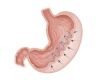

Undergoing a laparoscopic sleeve gastrectomy is one of the most transformative decisions a person can make for their health and longevity. However, once the operation is complete, most patients share a pressing set of questions: How fast will the pounds come off? Am I losing weight too quickly or too slowly? What happens when my progress hits an inevitable wall? Understanding the exact timeline of weight loss after gastric sleeve surgery helps replace anxiety with clarity, allowing you to navigate your recovery with total confidence.
At Stamboul Clinic, we coordinate world-class bariatric procedures within fully accredited, state-of-the-art hospital settings. Whether you are attempting to calculate weight loss after gastric sleeve surgery based on your starting Excess Body Weight (EBW), seeking ways on how to restart weight loss after gastric sleeve plateaus, or analyzing your weekly weight loss after gastric sleeve milestones, this comprehensive guide delivers deep clinical insights and metabolic protocols.
Table of Content
- How Fast Is Weight Loss After Gastric Sleeve?
- Timeline & Benchmarks: Expected Weight Loss After Gastric Sleeve
- Average Monthly Weight Loss After Gastric Sleeve
- Understanding Plateaus: Slow Weight Loss After Gastric Sleeve Surgery
- Troubleshooting Stalls: How to Restart Weight Loss After Gastric Sleeve
- Clinical Red Flags: Too Much Weight Loss After Gastric Sleeve
- Frequently Asked Questions (FAQ)
- Is carbonated water safe to drink during my weight loss journey?
- How much weight can I expect to lose on average 12 months after surgery?
- What should I do if I experience a weight stall at week 3 post-op?
- Can my stomach sleeve stretch back out over time and cause weight regain?
- How do I prevent severe hair thinning during my rapid weight loss phase?
How Fast Is Weight Loss After Gastric Sleeve?
To set realistic expectations, let us answer a primary question: how fast is weight loss after gastric sleeve surgery from a physiological standpoint?
THE METABOLIC RESET SEQUENCE:
- [80% Volumetric Reduction] ➡️ [Ghrelin Suppression] ➡️ [GLP-1 Elevation] ➡️ [Rapid Caloric Deficit]
Laparoscopic sleeve gastrectomy removes approximately 80% of the greater curvature of the stomach. This permanently reduces your stomach capacity to roughly 100–150 ml, creating immediate physical restriction. More importantly, removing the gastric fundus eliminates the primary production site of ghrelin, the hormone responsible for hunger cravings. Combined with an immediate post-op surge in satiety hormones (GLP-1 and PYY), your body shifts into a metabolic state where significant fat loss occurs effortlessly during the first 6 to 9 months.
Timeline & Benchmarks: Expected Weight Loss After Gastric Sleeve
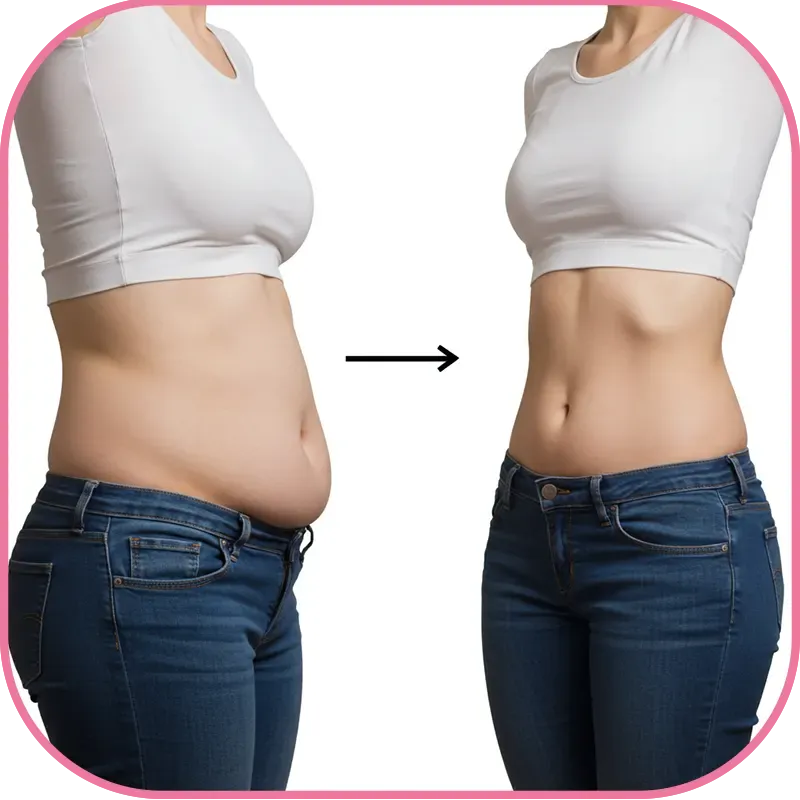
To track your progress accurately, bariatric surgeons evaluate your results based on Excess Body Weight Loss (%EWL) rather than total scale weight alone. Excess body weight is calculated by subtracting your ideal healthy weight (based on a BMI of 25) from your starting weight.
FORMULA TO CALCULATE WEIGHT LOSS AFTER GASTRIC SLEEVE:
- Current Weight - Ideal Weight (BMI 25) = Excess Body Weight (EBW)
- EBW x Target %EWL (e.g., 65%) = Expected Total Weight Loss Target
The clinical benchmarks for expected weight loss after gastric sleeve procedures show that most compliant patients lose 60% to 70% of their EBW within 12 to 18 months post-surgery:
Recovery Milestone | Average % Excess Body Weight Loss (%EWL) | Average Weekly / Monthly Target | Primary Biological Phase |
Month 1 (Weeks 1–4) | 10% – 15% EWL | 2.5 – 4 lbs (1.1–1.8 kg) per week | Fluid shift & liquid protein diet adaptation |
Month 3 | 25% – 35% EWL | 8 – 12 lbs (3.6–5.4 kg) per month | Rapid adipose tissue reduction & surge in energy |
Month 6 | 45% – 55% EWL | 6 – 8 lbs (2.7–3.6 kg) per month | Transition to solid foods & steady fat burning |
Month 12 | 60% – 70% EWL | 2 – 4 lbs (0.9–1.8 kg) per month | Approaching weight stabilization & peak loss |
Month 18–24 | 65% – 75% EWL (Peak) | Maintenance phase | Long-term lifestyle integration & habit solidifying |
Average Monthly Weight Loss After Gastric Sleeve
Examining the average monthly weight loss after gastric sleeve surgery illustrates how the pace naturally transitions from an initial sprint to a steady marathon:
Month 1: The Rapid Drop
During the first 30 days, your body undergoes acute adaptation. Following a strict liquid-to-puree diet creates a steep caloric deficit. Patients routinely lose 12 to 25 lbs (5 to 11 kg) in this first month, a significant portion of which includes glycogen storage and water weight.
Months 2 to 6: The Golden Window
This is the most active phase for fat loss. As you transition to solid, high-protein foods, your average monthly weight loss after gastric sleeve ranges between 8 and 12 lbs (3.5 to 5.5 kg). Your energy levels surge, and obesity-related health conditions like type 2 diabetes and hypertension frequently enter remission.
Months 7 to 12: Steady Refinement
As your body weight drops, your Basal Metabolic Rate (BMR) naturally adapts to your smaller frame. Weight loss slows to 3 to 6 lbs (1.5 to 2.7 kg) per month. During this period, structured strength training becomes vital to preserve lean muscle tissue and keep your metabolism firing efficiently.
Understanding Plateaus: Slow Weight Loss After Gastric Sleeve Surgery
Experiencing a sudden pause on the scale can cause significant emotional frustration. However, slow weight loss after gastric sleeve surgery or complete 2-to-3-week plateaus are a completely normal biological response.
THE 3-WEEK POST-OP STALL MECHANISM:
- Rapid Early Loss ➡️ Body Perceives Starvation ➡️ Water Retention & Glycogen Replenishment ➡️ Scale Freezes (Girth Shrinks)
The most famous stall occurs around Week 3 post-op. During the first two weeks, rapid weight loss forces the liver to deplete its glycogen stores. As you introduce soft foods and your body adjusts to the caloric shift, it naturally replenishes glycogen and holds onto water to repair internal surgical tissues. Even though the scale stops moving for 10 to 20 days, your body is still burning fat, and your waist circumference continues to shrink.
Troubleshooting Stalls: How to Restart Weight Loss After Gastric Sleeve
If you experience a prolonged plateau lasting more than 4 weeks later in your journey, applying structured nutritional adjustments can help break the cycle. Here is how to restart weight loss after gastric sleeve plateaus effectively:
- Re-prioritize Protein First: Ensure you hit your target of 60 to 80 grams of protein daily. Protein preserves lean muscle mass, maintains your metabolic rate, and requires more energy for your body to digest (thermic effect of food).
- Audit "Slider Foods" and Liquid Calories: Eliminate soft carbohydrates, chips, crackers, and high-calorie drinks (juices, sweetened coffees) that slide through the sleeve pouch easily without triggering satiety receptors.
- Increase Daily Water Intake: Dehydration slows down cellular fat oxidation. Aim for at least 1.5 to 2 liters of plain, non-carbonated water daily, keeping fluids separate from meals (wait 30 minutes after eating before drinking).
- Track Portions via a Food Journal: Inadvertent calorie creep happens easily. Log every bite for 7 days to identify hidden grazing, extra oils, or oversized portions.
- Change Your Fitness Routine: If you rely solely on cardio, incorporate resistance and strength training 3 times a week to build lean muscle, which naturally increases resting calorie burn.
Clinical Red Flags: Too Much Weight Loss After Gastric Sleeve
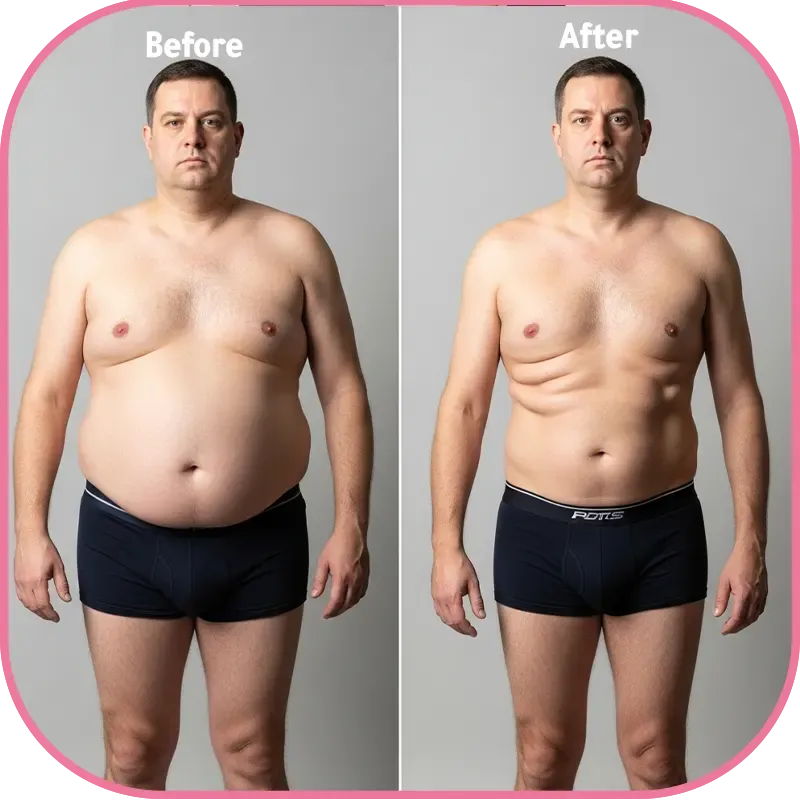
While the goal of surgery is significant weight reduction, experiencing too much weight loss after gastric sleeve or dropping weight at an unsustainable pace can indicate underlying nutritional or surgical complications.
If a patient loses weight too rapidly without adequate protein intake, the body begins breaking down heart and skeletal muscle tissue. Symptoms of excessive or unhealthy weight loss include severe muscle wasting, chronic dizziness (orthostatic hypotension), hair thinning (telogen effluvium), extreme fatigue, and severe dry skin. If you suspect your weight loss is dangerously fast or unmanageable, your bariatric team will perform blood panels to check for severe protein-calorie malnutrition, vitamin deficiencies (such as B12 or Thiamine), or rare surgical issues like a stricture (narrowing) of the stomach sleeve.
Frequently Asked Questions (FAQ)
Is carbonated water safe to drink during my weight loss journey?
No, you must strictly avoid carbonated beverages permanently. Carbonation releases carbon dioxide gas inside your stomach pouch, causing painful stretching, bloating, acid reflux, and uncomfortable pressure against the surgical staple line.
How much weight can I expect to lose on average 12 months after surgery?
Most patients lose between 60% and 70% of their Excess Body Weight (%EWL) by the 12-month mark. For a person who is 100 lbs (45 kg) over their ideal weight, this translates to a loss of 60 to 70 lbs (27 to 32 kg) within the first year.
What should I do if I experience a weight stall at week 3 post-op?
Do not panic. A 3-week post-op stall is a universal biological phenomenon where the body temporarily holds onto water while repairing surgical tissues and replenishing glycogen. Stick strictly to your prescribed post-op diet stage, stay hydrated, and measure your waist inches rather than focusing solely on the scale.
Can my stomach sleeve stretch back out over time and cause weight regain?
The sleeve pouch is crafted from the less elastic muscular tissue of the stomach and will not stretch back to a normal stomach size. However, over-eating consistently over long periods can stretch the pouch slightly, allowing you to consume larger portions. Adhering to portion control habits long-term prevents weight regain.
How do I prevent severe hair thinning during my rapid weight loss phase?
Hair shedding (telogen effluvium) is a temporary reaction to rapid weight loss and physical stress. You can minimize shedding by hitting your daily protein target of 60 to 80 grams, taking your prescribed bariatric multivitamins, and supplementing with Biotin, Zinc, and Iron as advised by your medical team.
Über den Autor