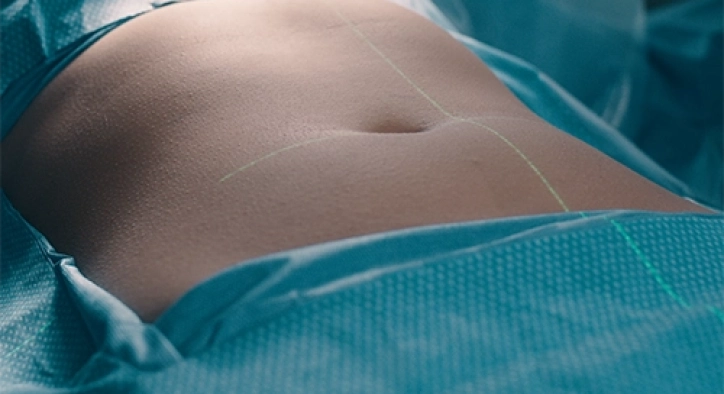
Sleeve gastrectomy is one of the most widely performed primary bariatric surgeries globally, helping millions reduce excessive weight and resolve obesity-related metabolic co-morbidities. However, long-term postoperative follow-ups reveal that a subset of patients encounter secondary physiological complications years after their initial procedure. The two primary drivers for revisional bariatric surgery are intractable gastroesophageal reflux disease (severe bile and acid GERD) that fails to respond to maximum proton pump inhibitor therapy, and significant weight regain caused by gradual gastric pouch stretching or hormonal adaptation. In contemporary metabolic and bariatric surgery, a gastric sleeve to bypass revision (conversion to Roux-en-Y gastric bypass or RYGB) represents the gold-standard corrective pathway to eliminate chronic acid reflux, restore metabolic control, and restart active weight loss.
At Stamboul Clinic, we coordinate specialized revisional bariatric and metabolic surgeries within fully accredited, tertiary hospital facilities in Istanbul. Whether you are investigating an all-inclusive medical trip to Turkey, analyzing expected gastric sleeve to bypass revision results, evaluating authentic gastric sleeve revision to bypass reviews and patient experiences, understanding the structured gastric sleeve revision to bypass recovery time, or assessing variable gastric sleeve to bypass revision cost determinants, this comprehensive clinical guide provides deep surgical insights and nutritional recovery protocols.
Table of Content
- What Is a Gastric Sleeve to Bypass Revision? Anatomical Conversion Mechanics
- Clinical Indications: Why Convert from Sleeve to Gastric Bypass?
- Expected Outcomes: Gastric Sleeve to Bypass Revision Results
- Recovery Protocol: Gastric Sleeve Revision to Bypass Recovery Time
- Patient Perspectives: Gastric Sleeve Revision to Bypass Reviews
- Cost Determinants: Understanding Revisional Surgery Pricing Variables
- Frequently Asked Questions (FAQ)
- How soon after a revision from sleeve to bypass does acid reflux resolve?
- Is a gastric sleeve to bypass revision more risky than the original sleeve gastrectomy?
- What causes weight regain years after an initial sleeve gastrectomy?
- Do I need to take vitamins for life after converting to a gastric bypass?
- Why do gastric sleeve to bypass revision prices vary between different patients?
What Is a Gastric Sleeve to Bypass Revision? Anatomical Conversion Mechanics
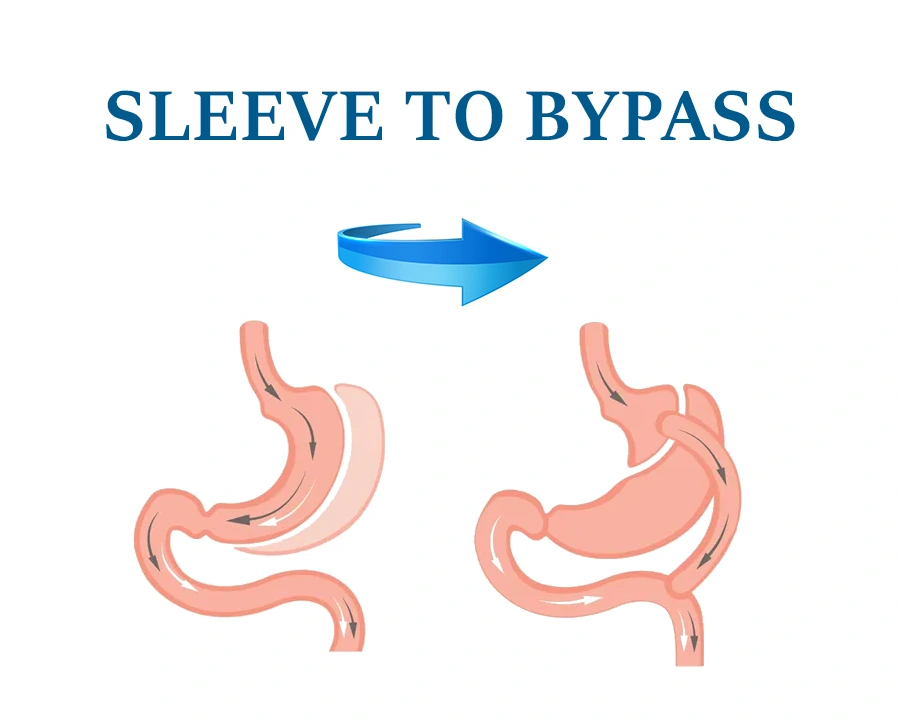
To establish a clear medical foundation, let us examine how converting a sleeve gastrectomy into a Roux-en-Y gastric bypass functions anatomically. Performed laparoscopically or robotically under general anesthesia, this revision transforms a purely restrictive vertical tubular stomach into a combined restrictive and mildly malabsorptive system with a low-pressure drainage channel.
THE REVISIONAL ROUX-EN-Y CONVERSION SEQUENCE:
- [Laparoscopic Adhesiolysis] ➡️ [Gastric Sleeve Pouch Resizing] ➡️ [Small Bowel Division (Jejunum)] ➡️ [Gastrojejunostomy Anastomosis Creation] ➡️ [Jejunojejunostomy ]
Step 1. Adhesiolysis and Sleeve Assessment
Because the patient has undergone prior upper abdominal surgery, the bariatric team first performs careful adhesiolysis to release scar tissue connecting the sleeve to the liver and abdominal wall. The existing sleeve is evaluated for mechanical dilation, retained fundus tissue, or mid-body twisting (stricture).
2. Gastric Pouch Creation
The surgeon divides the upper portion of the tubular sleeve to construct a small, vertical gastric pouch holding approximately 20 to 30 milliliters. The lower segment of the sleeve remains excluded from food transit, reducing total functional stomach capacity and curbing the production of hunger-stimulating ghrelin.
3. Roux-en-Y Biliary Bypass Construction
The small intestine (jejunum) is divided roughly 50 to 70 centimeters below the ligament of Treitz. The lower cut end (the alimentary limb) is brought upward and connected directly to the newly formed small gastric pouch (gastrojejunostomy). The upper digestive limb (biliopancreatic limb) is reconnected roughly 100 to 150 centimeters farther down the small intestine (jejunojejunostomy), completing the classic "Y" configuration.
Clinical Indications: Why Convert from Sleeve to Gastric Bypass?
Revisional surgery is a specialized medical intervention requiring clear physiological diagnostic indications before proceeding.
THE 2 PRIMARY REVISION PATHWAYS:
- Intractable Acid Reflux (GERD) ➡️ High intragastric pressure drives stomach acid into the esophagus; bypass creates a low-pressure system that cures reflux instantly.
- Weight Regain / Insufficient Loss ➡️ Gastric sleeve dilatation allows larger meals; bypass introduces gut hormone resets and mild caloric malabsorption.
1. Elimination of Severe GERD and Barrett’s Esophagus
The gastric sleeve functions as a narrow, high-pressure muscular tube. If the lower esophageal sphincter is weak or if a sliding hiatal hernia forms, gastric acid and caustic bile wash continuously upward into the esophagus. Over time, chronic reflux causes erosive esophagitis, severe nighttime coughing, dysphagia, and potentially premalignant Barrett's esophagus. Converting to a Roux-en-Y gastric bypass creates a low-pressure gravity-assisted drainage pouch that diverts bile away from the esophagus, resolving acid reflux symptoms in over 90% to 95% of patients within days of surgery.
2. Addressing Mechanical Dilatation and Weight Regain
While the stomach sleeve is permanent, the tissue consists of smooth muscle that can expand over several years if patients frequently overconsume portions. Additionally, the body adapts metabolically. A bypass revision introduces two powerful mechanisms: a newly tightened 30 ml gastric pouch, and small bowel bypass that alters incretin hormones (GLP-1 and PYY), restoring satiety and inducing renewed fat oxidation.
Expected Outcomes: Gastric Sleeve to Bypass Revision Results
Evaluating verified gastric sleeve to bypass revision results across clinical literature illustrates significant improvements in weight reduction and metabolic markers:
CLINICAL OUTCOME BENCHMARKS:
- Acid Reflux Resolution: Complete cessation of daily proton pump inhibitors (PPIs) in ~92% of patients.
- Additional Excess Weight Loss (EWL): 60% to 70% of regained excess weight lost over the subsequent 12 to 18 months.
- Type 2 Diabetes Remission: Rapid glycemic stabilization triggered by accelerated distal nutrient delivery and GLP-1 surges.
Patients who experienced a plateau or gained back 15 to 30 kilograms after their initial sleeve procedure routinely report steady, renewed weight loss post-revision. Because the bypass partially delays digestive enzyme mixing, carbohydrate and dietary lipid absorption is modestly attenuated, providing a reliable metabolic reset when combined with structured dietary guidelines.
Recovery Protocol: Gastric Sleeve Revision to Bypass Recovery Time
Because a revision involves operating on previously scarred tissue and creating two new intestinal connections (anastomoses), managing the gastric sleeve revision to bypass recovery time requires structured postoperative care.
THE POST-OPERATIVE RECOVERY ROADMAP:
- Days 1 to 3: Inpatient Hospitalization ➡️ Early ambulation; radiographic leak test; progressive clear liquid hydration.
- Weeks 1 to 2: Liquid Nutrition Phase ➡️ High-protein bariatric shakes; zero solid foods; light daily walking.
- Weeks 3 to 4: Puréed Food Phase ➡️ Soft proteins (eggs, puréed fish, Greek yogurt); transition off pain medications.
- Weeks 5 to 6: Soft Solids to Regular Diet ➡️ Introduction of tender lean meats; return to desk work and low-impact exercise.
- Month 3+: Active Stabilization ➡️ Gym workouts, strength training, and lifelong bariatric multivitamin adherence.
Hospital stays typically span 2 to 3 nights for close observation, fluid balance tracking, and leak testing. Most patients return to light desk work within 10 to 14 days, while full cardiovascular workouts and weight lifting can be resumed after 6 weeks once the internal staple lines achieve complete tensile maturation.
Patient Perspectives: Gastric Sleeve Revision to Bypass Reviews
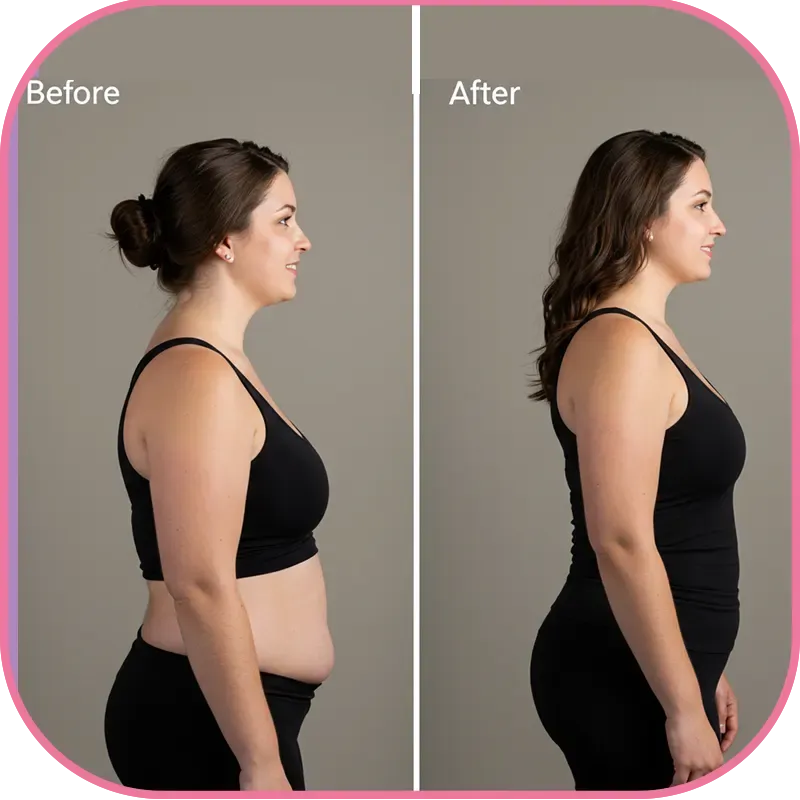
Analyzing real-world gastric sleeve revision to bypass reviews highlights a consistent shift in quality of life.
Patients consistently report immediate relief from chest-burning reflux, allowing them to sleep flat without waking up coughing on regurgitated stomach acid. For those who struggled with emotional discouragement after gaining weight post-sleeve, reviews reflect renewed control over cravings, faster satiety cues during meals, and satisfaction with long-term weight reduction.
Cost Determinants: Understanding Revisional Surgery Pricing Variables
When evaluating revisional bariatric surgery, prospective patients should note that surgical fees are customized and vary based on individualized clinical complexity. The overall gastric sleeve to bypass revision cost is influenced by several clinical and logistical variables:
- Degree of Intra-Abdominal Adhesions: Prior surgeries create internal scar tissue; extensive adhesiolysis requires specialized micro-dissection, advanced surgical energy devices, and longer operating room time.
- Presence of a Concomitant Hiatal Hernia: If chronic acid reflux is exacerbated by a hiatal hernia, the surgeon must perform diaphragmatic crural repair alongside the intestinal bypass.
- Choice of Surgical Approach: Performing the conversion using robotic surgical systems (such as the da Vinci surgical platform) versus advanced laparoscopic instrumentation involves different equipment overhead.
- Hospital Inpatient Stay & High-Dependency Monitoring: Revisional bariatric surgery requires close post-operative hospital observation (typically 2 to 3 nights in an accredited multi-specialty medical center) with specialized bariatric nursing and radiologic contrast swallow testing.
- Comprehensive Logistics: All-inclusive medical packages encompassing VIP airport transfers, extended hotel accommodations, nutritionist consultations, and 12-month post-operative follow-up shape overall pricing structures.
Because surgical plans are customized to previous operative anatomy, exact quotations are established following a personalized clinical review of prior surgical reports and contrast imaging. The matrix below outlines relative regional price structures for 2026:
Healthcare Destination / Region | Cost Structure & Price Variability | Relative Price Level | Typical Package Framework |
United States (USA) | High variability by surgeon & hospital | Very High | Surgery Only (Facility, Hospital Stay & Checks Extra) |
United Kingdom (UK) | Variable by private clinic & complexity | High | Surgery Only (Consultations & Nutritional Follow-Up Extra) |
Germany / Switzerland | Variable by medical fee scale & center | High | Surgery Only (Hospitalization & Imaging Invoiced Separately) |
Stamboul (Turkey) | Dynamic Custom Package | High Value / Accessible | Comprehensive (Hospital Stay, Hotel, VIP Transfers & Care) |
Frequently Asked Questions (FAQ)
How soon after a revision from sleeve to bypass does acid reflux resolve?
In the vast majority of cases, acid reflux symptoms disappear within 24 to 48 hours following surgery. By dividing the high-pressure sleeve and creating a small gastric pouch connected directly to the jejunum, gravity allows fluids to flow freely downward, eliminating the anatomical mechanism that pushes stomach acid and bile upward into the esophagus.
Is a gastric sleeve to bypass revision more risky than the original sleeve gastrectomy?
Revisional bariatric surgery carries a slightly higher technical complexity than a primary sleeve due to preexisting abdominal scar tissue, altered tissue planes, and the creation of two new intestinal connections. However, when performed by experienced bariatric surgeons in fully equipped tertiary hospitals, complication rates remain low, and the benefits of resolving severe GERD and reversing weight regain generally outweigh the operative risks.
What causes weight regain years after an initial sleeve gastrectomy?
Weight regain can stem from both anatomical and lifestyle factors. Over time, natural tissue elasticity can allow the stomach sleeve to expand, increasing meal capacity. Additionally, metabolic adaptations, shifts in baseline hunger hormones, frequent consumption of high-calorie liquids or ultra-processed grazing foods, and decreased physical activity can contribute to gradual weight regain.
Do I need to take vitamins for life after converting to a gastric bypass?
Yes. Because a Roux-en-Y gastric bypass bypasses the duodenum and the initial segment of the jejunum where key micronutrients are absorbed, lifelong bariatric supplementation is mandatory. Patients must take daily specialized bariatric multivitamins, calcium citrate with vitamin D, iron, and vitamin B12, supported by periodic blood tests to prevent nutritional deficiencies.
Why do gastric sleeve to bypass revision prices vary between different patients?
Costs vary because revisional surgery is not a standardized procedure. Factors such as the extent of internal scar tissue from previous operations, whether an undiagnosed hiatal hernia requires simultaneous repair, the patient's overall health profile, and the duration of post-operative hospital observation directly influence theater time, specialized medical supplies, and overall care requirements.
Über den Autor