Struggling with moderate obesity or difficulty managing portion control often leads patients to look for non-invasive medical alternatives to permanent weight loss surgery. While surgical options like a gastric sleeve or gastric bypass offer strong anatomical alterations, individuals with a lower Body Mass Index (BMI 27 to 35) or those who wish to avoid general anesthesia require a less invasive approach. In modern metabolic care, the gastric balloon serves as an effective, fully reversible intervention to reset eating habits and kickstart weight loss.
At Stamboul Clinic, we coordinate non-surgical bariatric treatments within accredited hospital facilities using certified global balloon technologies. Whether you are considering a gastric balloon Turkey package, evaluating the swallowable gastric balloon capsule, understanding the gastric balloon procedure, analyzing potential gastric balloon side effects, or reviewing the overall gastric balloon cost in Turkey, this clinical guide provides detailed medical data and post-placement protocols.
Table of Content
- What Is a Gastric Balloon Procedure?
- Technology Options: Endoscopic Placement vs. Swallowable Gastric Balloon
- Patient Tolerability: Managing Gastric Balloon Side Effects
- Visual & Weight Loss Progress: Gastric Balloon Before After Milestones
- Analyzing Gastric Balloon Cost in Turkey
- Frequently Asked Questions (FAQ)
What Is a Gastric Balloon Procedure?
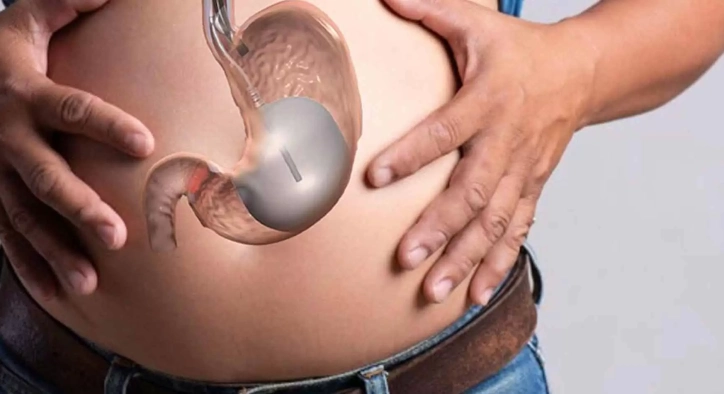
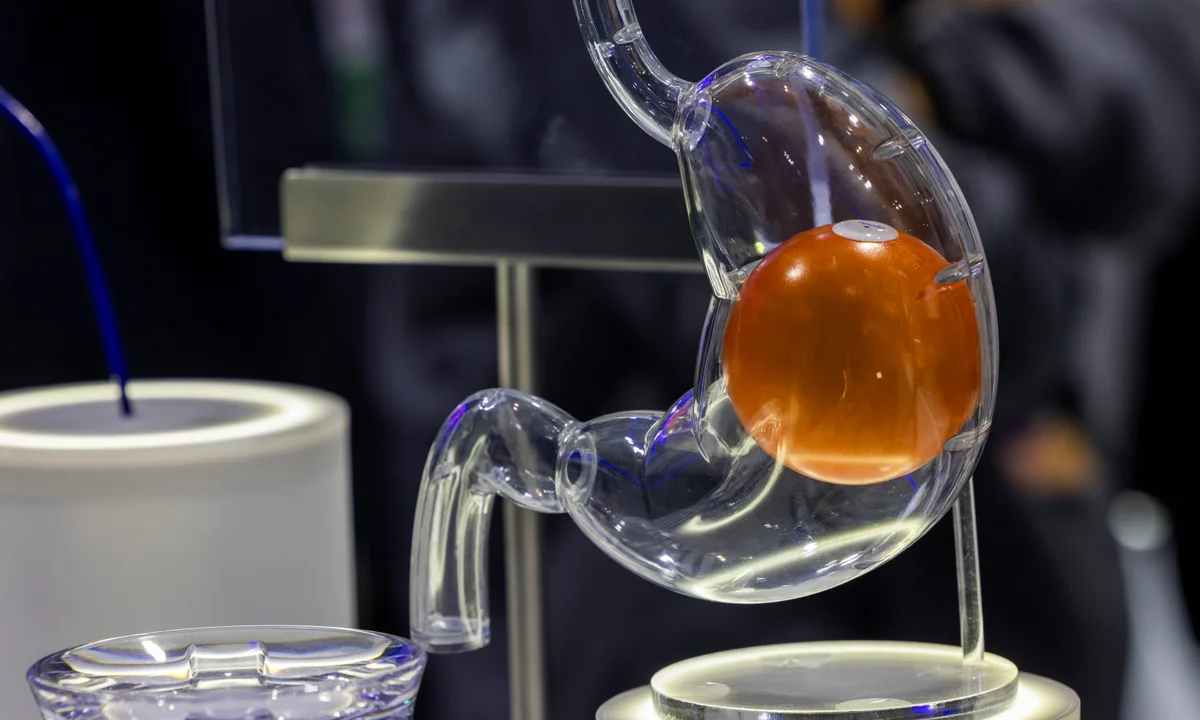
To establish a clear medical foundation, let us examine how the device works inside the digestive tract. The gastric balloon procedure places a soft, medical-grade silicone or polyurethane sphere into the stomach cavity, where it is filled with sterile saline solution or gas.
THE NON-SURGICAL GASTRIC FILLING MECHANISM:
- [Balloon Placement] ➡️ [Expansion to 450–650 cc] ➡️ [Physical Space Occupancy] ➡️ [Delayed Gastric Emptying] ➡️ [Satiety & Portion Control]
Occupying approximately one-third of the stomach's volumetric capacity creates three physiological effects:
- Physical Volume Restriction: Leaves less space for large food portions, helping patients feel full faster.
- Delayed Gastric Emptying: Slows the rate at which food leaves the stomach, prolonging the feeling of fullness between meals.
- Behavioral Retraining: Acts as a training tool to help patients learn smaller portion sizes and healthier eating habits during the 4-to-12-month treatment window.
Technology Options: Endoscopic Placement vs. Swallowable Gastric Balloon
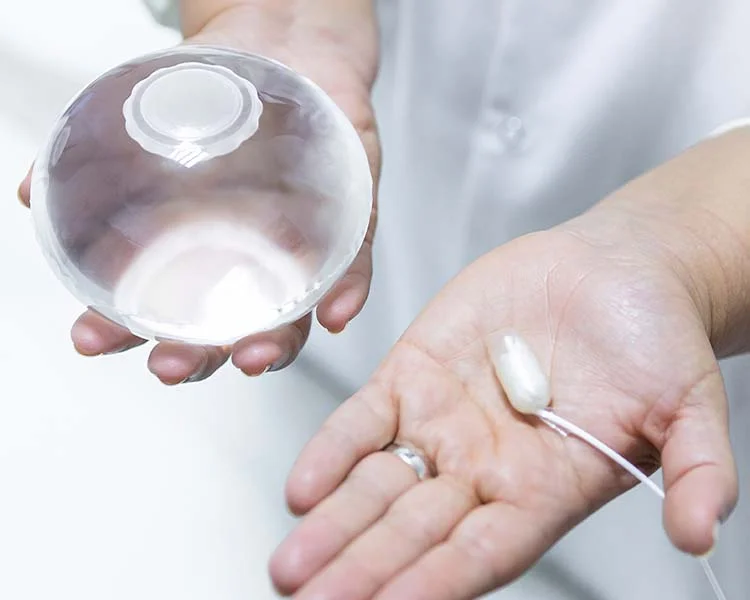
Different balloon systems allow the placement method to be tailored to your lifestyle, medical history, and weight loss goals.
GASTRIC BALLOON SYSTEM COMPARISON:
- Endoscopic Balloons (MedSil / Orbera / Spatz3): Placed & removed via light sedation endoscopy; 6 to 12 month duration.
- Swallowable Balloon (Allurion / Elipse): Swallowed as a capsule with water; no endoscopy or removal needed; 4 month duration.
1. Traditional Endoscopic Balloons (Orbera, MedSil, Spatz3)
Standard intragastric balloons are placed through a brief outpatient endoscopic procedure under light sedation. The physician passes a thin, flexible tube through the mouth into the stomach, inflates the balloon with sterile saline (often tinted blue to monitor for leaks), and removes the endoscope. These balloons remain in place for 6 to 12 months (with the Spatz3 offering adjustable volume) and require a second brief endoscopy for removal.
2. Swallowable Gastric Balloon (Allurion / Elipse)
The swallowable gastric balloon represents a significant technological advance. The patient swallows a small capsule containing the deflated balloon attached to a thin catheter. Once an X-ray confirms the capsule is inside the stomach, the balloon is filled with 550 cc of fluid, and the catheter is gently detached and removed through the mouth. No endoscopy, sedation, or hospital stay is required. After approximately 4 months, a time-release valve opens automatically, deflating the balloon so it passes naturally through the digestive tract.
Patient Tolerability: Managing Gastric Balloon Side Effects
Because the stomach initially treats the newly inflated balloon as foreign material, understanding potential gastric balloon side effects helps ensure a comfortable transition during the first few days.
- Acute Adaptation Phase (Days 1 to 4): Nausea, vomiting, abdominal cramping, and acid reflux are common as the stomach attempts to digest the device. These symptoms are managed using prescribed antiemetics, antispasmodics, and proton-pump inhibitors (PPIs).
- Intermediate Adaptation (Week 2 Onward): As the stomach adjusts, acute nausea subsides. Patients must eat slowly, chew thoroughly, and avoid drinking large volumes of liquid during meals to prevent discomfort.
- Rare Complications: Minor risks include balloon deflation (signaled by blue-tinted urine with saline balloons), persistent hyperinflation, or early removal due to intolerance (occurring in less than 2-3% of cases).
Visual & Weight Loss Progress: Gastric Balloon Before After Milestones
Reviewing clinical data for gastric balloon before after trajectories illustrates the typical weight loss progress achieved during the treatment window:
THE CHRONOLOGICAL WEIGHT LOSS TIMELINE:
- Month 1: 3% to 5% Total Body Weight Loss ➡️ Rapid adaptation; steady transition from liquid to solid foods.
- Month 3: 8% to 12% Total Body Weight Loss ➡️ Steady progress; portion control habits become automatic.
- Month 6: 10% to 15% Total Body Weight Loss ➡️ Balloon removal/passage; transition to long-term weight maintenance.
Patients routinely lose between 10% and 15% of their total body weight within 6 months, provided they follow dietary guidance and maintain active lifestyle habits.
Analyzing Gastric Balloon Cost in Turkey
A primary consideration when evaluating non-surgical bariatric care is the total financial investment. Prospective patients routinely research the overall gastric balloon cost to compare private healthcare expenses globally.
In the United States, Canada, the UK, and Western Europe, non-surgical bariatric devices are rarely covered by private insurance or national health coverage. Out-of-pocket prices in Western clinics typically range from $6,000 to $12,000.
Choosing a gastric balloon cost in Turkey package allows international patients to access certified balloon devices and accredited hospital care through transparent, all-inclusive packages. The table below outlines structural pricing for 2026:
System / Device Category | Average Cost in USA / UK | Average Cost in Germany / EU | Average Package Cost in Turkey | Package Inclusions |
Standard 6-Month Endoscopic (Orbera / MedSil) | $6,000 – $9,000 / £4,500 – £6,500 | €5,000 – €7,500 | €1,650 – €2,200 | Device, Placement, Sedation, Hotel & Transfers |
Adjustable 12-Month Endoscopic (Spatz3) | $8,000 – $11,000 / £6,000 – £8,000 | €6,500 – €8,500 | €2,300 – €3,200 | Device, Placement, 1 Adjustment, Hotel & Transfers |
Swallowable Capsule (Allurion / Elipse) | $7,000 – $10,000 / £5,000 – £7,500 | €5,500 – €7,800 | €2,100 – €2,900 | Capsule, X-Ray Confirmation, App, Hotel & Transfers |
Frequently Asked Questions (FAQ)
Can you drink fizzy drinks with a gastric balloon?
No, you should strictly avoid carbonated beverages. Carbonation releases carbon dioxide gas inside your stomach cavity, causing the balloon to stretch or shift uncomfortably. This gas expansion leads to painful bloating, severe acid reflux, burping, and early stomach cramping.
How much weight can you lose with the gastric balloon in 12 months?
With a 12-month adjustable or dual balloon system (such as the Spatz3) combined with structured lifestyle changes, patients typically lose 15% to 25% of their total body weight (or roughly 30 to 50+ lbs / 15 to 25+ kg), depending on their starting BMI and adherence to nutritional coaching.
What foods to avoid with a gastric balloon?
You should avoid carbonated drinks, alcohol, high-sugar or greasy fried foods, tough fibrous meats, dry doughy breads, and excessively spicy or acidic items. These foods can cause severe bloating, stick to the balloon surface, digest too slowly, or trigger uncomfortable acid reflux and nausea.
How painful is a gastric balloon?
The procedure itself is painless because it is performed under light intravenous sedation or by swallowing a capsule. However, during the first 3 to 5 days, you will experience mild-to-moderate stomach cramping, nausea, and pressure as your stomach attempts to digest the balloon. These symptoms are fully managed with prescribed anti-nausea medications and muscle relaxants.
How do you sleep with a gastric balloon?
Sleep on your left side with your upper body slightly elevated on two pillows. Sleeping on your left side utilizes stomach anatomy to prevent the balloon from pressing heavily against the lower esophageal sphincter, significantly reducing nighttime acid reflux and indigestion. Avoid sleeping flat on your stomach.
Über den Autor