The prospect of having a tooth pulled can trigger anxiety for many individuals. Whether you are dealing with a sudden, sharp ache or preparing for a comprehensive smile transformation, understanding the realities of dental extractions can replace fear with confidence. In contemporary cosmetic and restorative dentistry, removing a tooth is not viewed as a failure; instead, it is often a critical step toward clearing away chronic infection and creating a clean slate for a healthier mouth.
Modern dental science has advanced significantly, turning extractions into predictable, comfortable procedures. This guide offers a comprehensive look at why a tooth may need to be removed, the healing timeline, essential aftercare protocols, and the advanced options available to restore your smile immediately.
Table of Content
- What is a Tooth Extraction? Understanding the Procedure
- Why Does a Tooth Need to Be Pulled? Common Medical Reasons
- Does Getting a Tooth Pulled Hurt?
- Step-by-Step: What Happens During Your Extraction Appointment
- Post-Extraction Care: How Long Does It Take to Heal?
- What Can You Eat After Having a Tooth Pulled?
- The Future of Your Smile: Replacing a Pulled Tooth Immediately
- Tooth Pulled Cost in Turkey: 2026 Treatment Value
- FAQ
- How painful is it to get a tooth pulled?
- What can you eat after having a tooth pulled?
- How long after a tooth extraction can I get an implant?
- What is a dry socket and how do I avoid it?
- What to expect when having a tooth pulled?
- How long does it take to heal after getting a tooth pulled?
- Can I replace a tooth immediately after it is pulled?
What is a Tooth Extraction? Understanding the Procedure
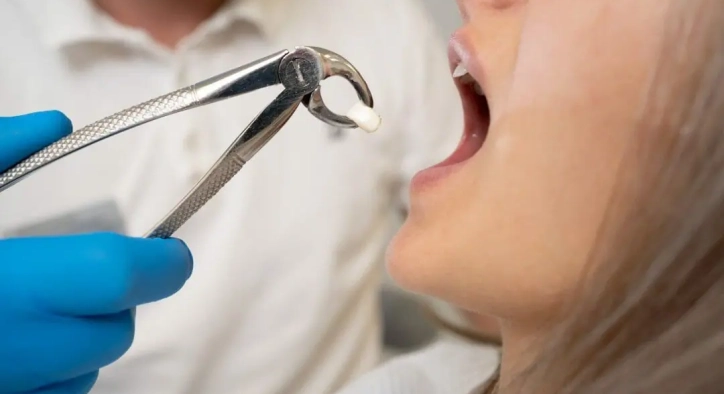
A dental extraction involves the physical removal of a tooth from its anchored position within the jawbone. While the process is commonly described as getting a tooth pulled, oral surgeons treat it as a delicate microsurgical task. The goal is to lift the tooth root out gently without damaging the fragile walls of the surrounding bone socket.
Clinicians divide extractions into two primary categories depending on the visibility and structure of the tooth:
- Simple Extractions: Performed on teeth that are fully visible above the gumline. The dentist uses specialized instruments to expand the socket gently and lift the tooth out under local anesthesia.
- Surgical Extractions: Required if a tooth has broken off at the gumline or remains trapped beneath the surface, such as an impacted wisdom tooth. This method involves making a tiny incision in the gums to safely access and remove the root structure.
Regardless of the complexity, establishing a comfortable environment is our primary priority. Understanding how long does pulling a tooth take can help ease scheduling concerns; a standard, simple removal is often completed in under twenty minutes, allowing you to move forward with your day.
Why Does a Tooth Need to Be Pulled? Common Medical Reasons
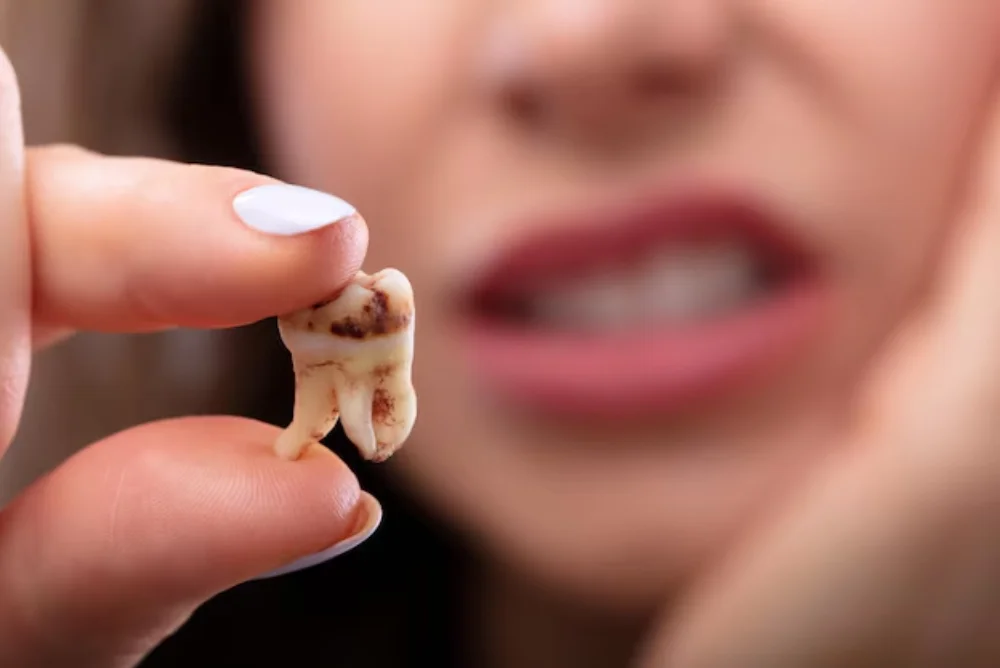
A dentist’s primary goal is always to preserve natural teeth whenever possible. However, certain conditions compromise the tooth beyond the help of standard fillings, root canals, or crowns. Identifying these issues early helps protect the health of your remaining teeth.
The most common reasons for requiring an extraction include:
- Severe, Unrestorable Decay: When a cavity travels deep into the root system and destroys the core structure, the tooth can no longer support a functional crown.
- Advanced Periodontal Disease: Chronic gum infections systematically destroy the ligaments and bone tissue that anchor the teeth. As this support dissolves, teeth become loose and may require extraction.
- Impacted Wisdom Teeth: Third molars often lack the space needed to emerge correctly. They can become trapped at odd angles, pressing against neighboring roots and causing chronic pain or cysts.
- Severe Structural Fractures: A physical injury can crack a tooth vertically down through the root beneath the gumline. A vertical fracture cannot be saved and requires removal to prevent bone infections.
- Preparation for Orthodontics or Implants: In cases of severe crowding, removing a specific tooth can create the alignment space needed for treatments like Invisalign. Similarly, a failing bridge may require an extraction before moving forward with a full-arch rehabilitation.
Does Getting a Tooth Pulled Hurt?
The most frequent question patients ask before surgery is: "does tooth pulling hurt?" The direct answer is no. Modern local anesthetics are highly effective at completely numbing the tooth, surrounding gums, and jawbone tissue. You will feel a distinct sensation of pressure as the surgeon gently moves the tooth to expand the socket, but you should not feel sharp pain.
For international patients who experience severe dental phobia, luxury clinics offer additional avenues for absolute comfort. Incorporating conscious sedation allows you to drift into a deeply relaxed, sleep-like state throughout your appointment. This approach minimizes physical stress, ensuring you wake up with the procedure fully completed and no memory of the surgical sounds.
The real focus of comfort shifts to the post-operative window, where managing pain after pulling tooth structures becomes important. Once the numbing agent wears off, a mild, dull ache or swelling is a normal part of the body's natural healing response. Following a tailored strategy for pain management after getting a tooth pulled keeps this transition comfortable and smooth.
Step-by-Step: What Happens During Your Extraction Appointment
Knowing what to expect when having a tooth pulled can significantly reduce anxiety. A standard clinical appointment follows a precise, structured sequence to maximize safety and efficiency.
- Digital 3D Diagnostics: The appointment begins with a high-resolution CBCT or panoramic scan. This image reveals the exact shape, length, and curvature of the roots, alongside their proximity to major nerve pathways or sinus cavities.
- Administering Anesthesia: The surgeon applies a topical numping gel to the gums before gently introducing the local anesthetic, ensuring the entire zone is desensitized.
- Lifting the Root: Using specialized instruments, the clinician separates the micro-fibers holding the tooth to the bone. The tooth is gently rotated until it releases from the socket smoothly.
- Socket Preservation and Cleaning: The empty site is thoroughly cleaned of any residual infection or debris. If a dental implant is planned for the future, a bone graft material may be placed inside the socket immediately to keep the bone walls from shrinking.
- Securing the Clot: A sterile gauze pad is placed over the extraction site. The patient bites down with firm pressure for twenty to thirty minutes, which is vital for encouraging a healthy blood clot to form.
Sometimes, patients present with a severe active infection, raising questions about pulling a tooth with infection complications. While dentists historically preferred to wait for an infection to clear using antibiotics, modern protocols suggest that removing the compromised tooth is often the fastest way to drain the problem and speed up healing.
If a tooth pulled and infection dynamic exists, the surgeon will thoroughly irrigate the socket with antibacterial washes and may prescribe a focused course of antibiotics for your recovery.
Post-Extraction Care: How Long Does It Take to Heal?
The speed and comfort of your recovery depend heavily on how well you care for the site at home. Implementing a disciplined approach to tooth pulled after care protocols ensures that the underlying bone heals without complications.
The biological healing process operates on a predictable timeline. Patients consistently ask: "how long does it take to heal a pulled tooth?" While every individual heals at a unique pace, the initial soft tissue layer typically closes over the socket within ten to fourteen days. The underlying jawbone requires a longer period, generally taking three to six months to fully regenerate and fill the empty space with dense bone tissue.
To achieve a fully healed pulled tooth, protecting the initial blood clot during the first 48 hours is critical. This clot acts as a biological blanket, covering the exposed nerve endings and bone inside the socket. If the clot is dislodged, it can lead to a painful complication known as a dry socket, which causes a sharp toothache after tooth pulled procedures.
Essential Rules for Smooth Healing:
- Avoid using straws, smoking, or spitting forcefully for at least five days, as the negative pressure inside the mouth can dislodge the clot.
- Rest quietly for the first 24 hours, keeping your head elevated on pillows to reduce localized blood pressure and swelling.
- Do not brush directly over the extraction site on the first night; instead, rinse your mouth very gently with warm salt water starting on the second day.
- Avoid strenuous exercise or heavy lifting for the first 48 hours to minimize the risk of secondary bleeding.
What Can You Eat After Having a Tooth Pulled?
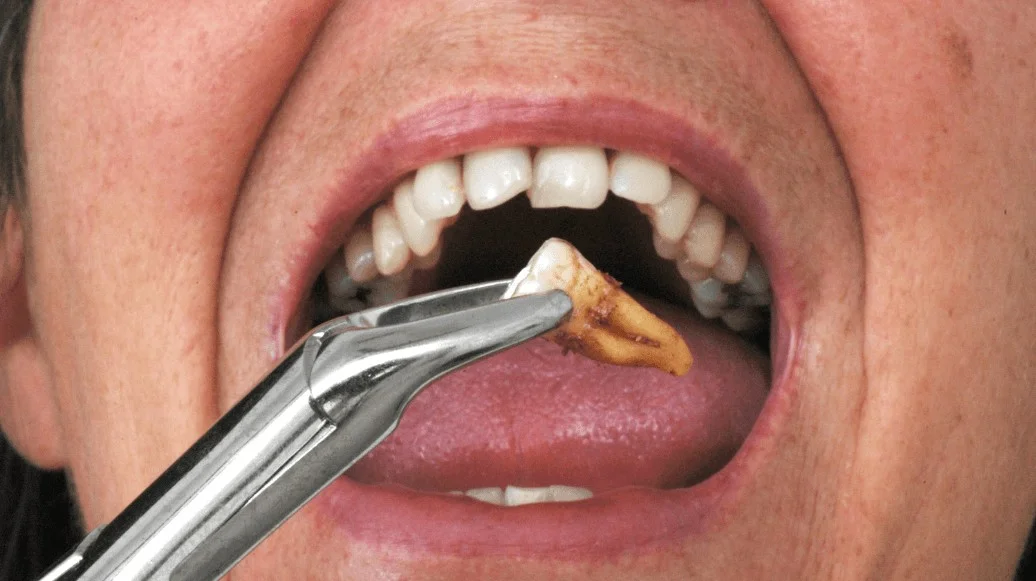
Managing your diet correctly after surgery prevents irritation to the healing tissue. Knowing what to eat after pulling a tooth keeps your nutrition balanced while keeping the extraction site completely protected.
For the first 24 to 48 hours, stick strictly to cool or room-temperature liquids and very soft foods. Hot beverages like coffee or soup should be avoided, as heat can dissolve the developing blood clot and trigger bleeding.
Recommended Soft Foods:
- Smoothies and protein shakes (consumed with a spoon, never a straw)
- Greek yogurt, pudding, and cold applesauce
- Mashed potatoes or well-blended vegetable purees
- Scrambled eggs and avocado
As your tooth pulling recovery progresses over the first week, you can gradually introduce semi-soft options like pasta, flaked fish, or cooked rice. Always chew your food on the opposite side of your mouth from the extraction site to prevent debris from packing into the healing socket.
The Future of Your Smile: Replacing a Pulled Tooth Immediately
Leaving an empty space in your mouth after an extraction can cause long-term alignment issues. When a tooth is missing, the neighboring teeth naturally begin to tilt and drift into the open gap, altering your bite alignment and causing jaw joint strain. Furthermore, the bone where the tooth used to be stops receiving chewing stimulation, causing it to shrink over time.
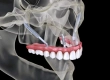
Fortunately, modern aesthetic dentistry allows for immediate replacement strategies. During your consultation at Stamboul, our specialists evaluate if you are a candidate for immediate implant placement. This advanced protocol allows the surgeon to gently remove the failing tooth and insert a titanium implant root into the empty socket during the exact same appointment.
Placing an implant immediately saves months of waiting time and helps maintain your natural gum contours. If your bone structure requires time to heal before receiving an implant, a temporary cosmetic bridge or flipper can be provided, ensuring you preserve a complete, beautiful appearance throughout your recovery journey.
Tooth Pulled Cost in Turkey: 2026 Treatment Value
For international travelers organizing dental work abroad, clear financial planning is essential. Reviewing a tooth pulled cost comparison in Turkey 2026 shows that advanced oral surgery treatments offer significant value when coordinated in Istanbul.
In Western European nations or the United States, a surgical extraction combined with necessary 3D imaging and sedation can range from $350 to $800 per tooth. In Turkey, due to lower regional operating overheads and a structured medical tourism infrastructure, a professional extraction typically ranges between $60 and $150.
Most patients travel to Turkey not just for a single extraction, but to address more extensive dental needs. Combining extractions with immediate dental implants, sinus lifts, or complete smile makeovers within an all-inclusive travel package maximizes this value. These packages handle all your clinical needs, luxury hotel accommodations, and private VIP transfers between the airport and clinic, allowing you to undergo your treatment and recover in comfort.
FAQ
How painful is it to get a tooth pulled?
The extraction procedure itself is completely painless due to the use of advanced local anesthetics. During recovery, any mild tenderness or swelling can be effectively managed with standard over-the-counter pain relievers and cold compresses.
What can you eat after having a tooth pulled?
Stick to cool, soft foods for the first 48 hours, such as yogurt, smoothies, mashed potatoes, and scrambled eggs. Avoid hot liquids, spicy foods, and crunchy items, and never use a straw, as the suction can disturb the healing clot.
How long after a tooth extraction can I get an implant?
In many cases, an implant can be placed immediately after the tooth is pulled. If your jaw bone requires time to heal due to an active infection, a standard waiting window of three to four months is recommended before inserting the permanent implant root.
What is a dry socket and how do I avoid it?
A dry socket occurs when the protective blood clot dislodges from the socket, exposing the underlying bone and nerves to air and food. To avoid it, refrain from smoking, using straws, or spitting forcefully for at least five days after your appointment.
What to expect when having a tooth pulled?
Expect a thorough 3D diagnostic scan followed by complete local numbing. You will feel some pressure during the removal but no sharp pain, and you will leave the clinic with a secure gauze pad over the site to encourage proper healing.
How long does it take to heal after getting a tooth pulled?
The surface gum tissue typically closes over the empty socket within ten to fourteen days. The internal jawbone structure underneath requires approximately three to six months to fully regenerate and gain its maximum density.
Can I replace a tooth immediately after it is pulled?
Yes. Through immediate implant protocols, a titanium implant root can often be safely placed into the socket right after the tooth is removed. Alternatively, a temporary aesthetic solution can be fitted to maintain your smile's appearance.
Über den Autor