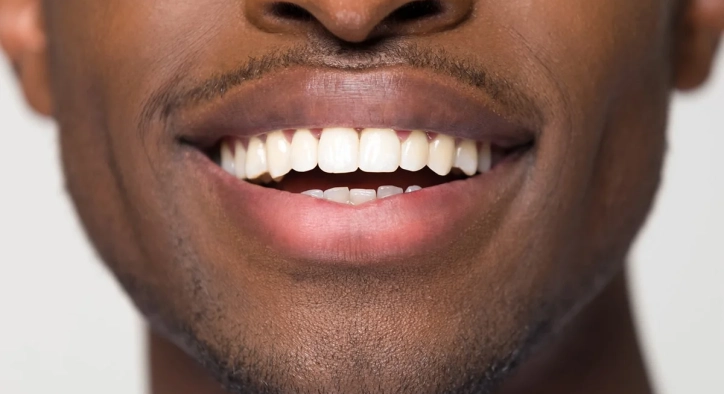
A bright smile is often the first thing people notice, acting as a universal symbol of health and confidence. However, lifestyle habits such as consuming coffee, tea, or red wine, alongside the natural aging process, can leave teeth looking dull or discolored. This has led to a global surge in the popularity of cosmetic dentistry, with teeth whitening Turkey emerging as the gold standard for international patients.
Choosing Turkey teeth whitening allows patients to access the same high-tier technology found in London or New York but within a framework of Mediterranean hospitality and clinical precision. While there are countless DIY products available today, they rarely match the safety and efficacy of a clinical environment. Professional supervision ensures that the whitening agent is applied evenly and that your gums are protected, resulting in a smile that looks healthy rather than artificial.
Table of Content
Why Turkey is the Global Leader in Professional Teeth Whitening?
Turkey has successfully positioned itself as a world-class hub for medical tourism, specifically in aesthetic dentistry. The country’s commitment to integrating the latest dental innovations has made teeth whitening in Turkey a sought-after service. But what exactly draws thousands of patients to Istanbul every year for a procedure that can technically be done elsewhere?
The primary reason is the concentration of expertise. Turkish dentists often undergo rigorous training and are early adopters of technologies like professional laser teeth whitening. Beyond technology, the infrastructure for international patients is unmatched. A teeth whitening Turkey package often includes more than just the dental chair time; it encompasses a holistic travel experience.
Furthermore, the clinical standards in top-tier Istanbul clinics are strictly regulated. Patients frequently mention in Turkey teeth whitening reviews that the level of hygiene and the thoroughness of the pre-whitening consultation exceeded their expectations. In Turkey, whitening is viewed as a medical procedure. This means a dentist will first ensure you have no underlying cavities or gum disease that could be aggravated by the bleaching gel, providing a layer of safety that over-the-counter kits simply cannot offer.
Understanding the Science of Dental Bleaching: How It Works?
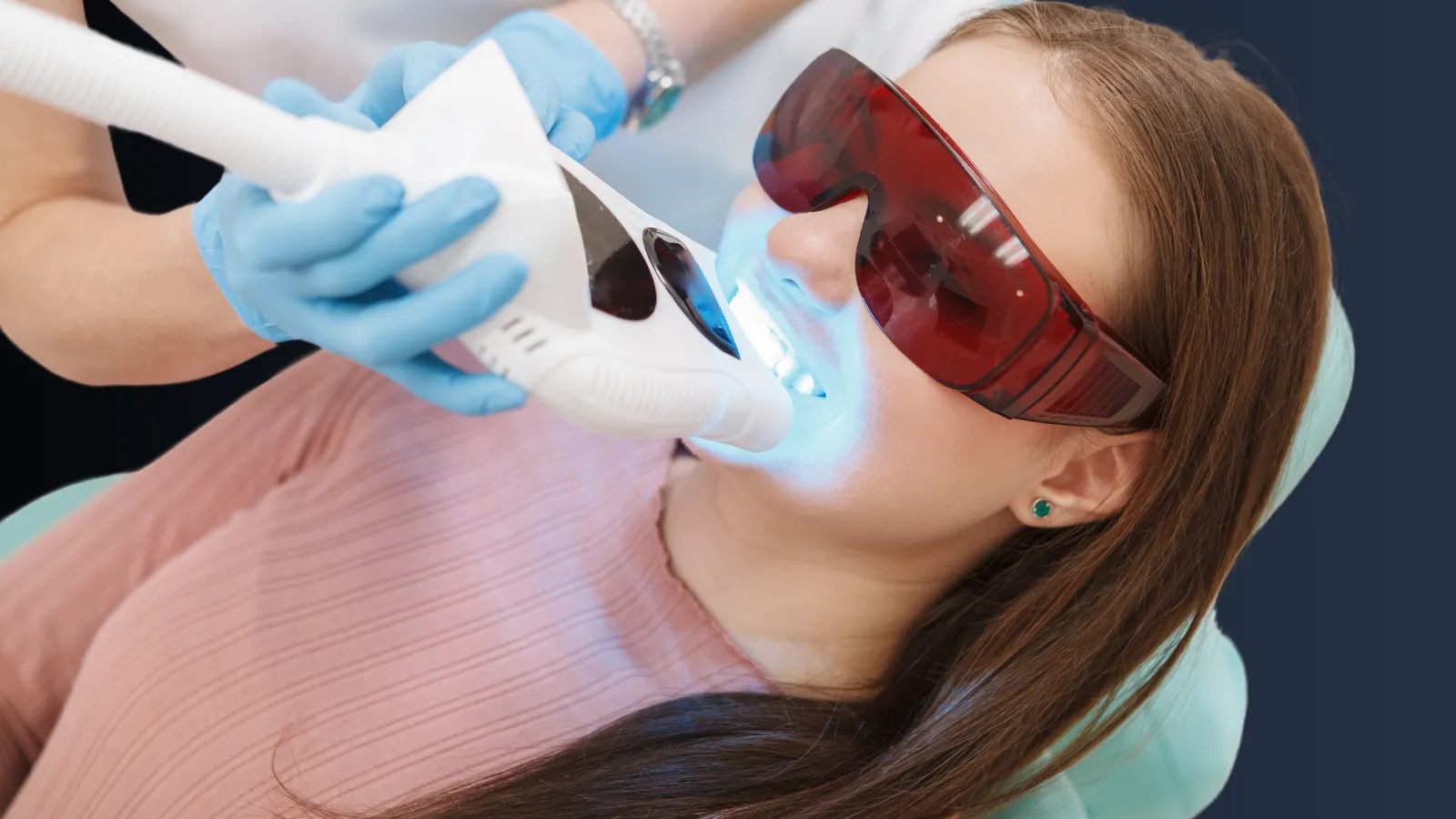
To appreciate the results of professional teeth whitening Turkey services, it is helpful to understand the science behind the glow. Teeth are not solid, non-porous structures; they have microscopic pores that trap organic compounds from food and drink over time. These trapped molecules are what we perceive as stains.
The whitening process involves using an oxidizing agent—usually hydrogen peroxide or carbamide peroxide. When this agent is applied to the teeth, it penetrates the enamel and breaks the chemical bonds of the "chromogens" (the stain-causing molecules). As these molecules are broken down, they become smaller and lighter in color, making the tooth appear whiter.
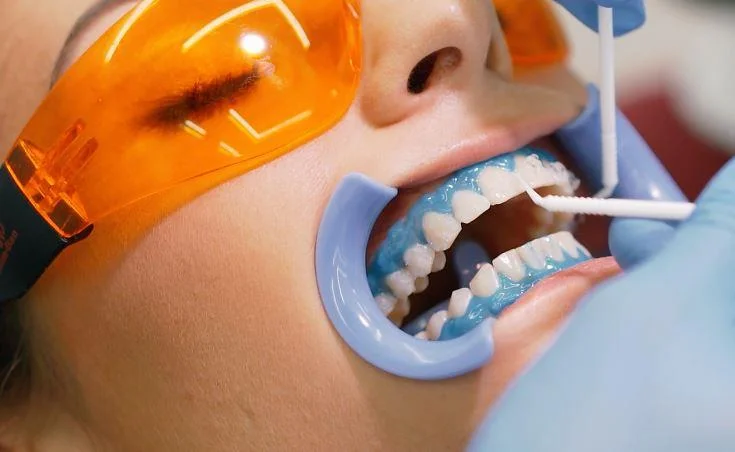
In a professional setting, we use a higher concentration of these agents than what is legally allowed in home kits. To prevent these powerful chemicals from causing sensitivity, we use specialized barriers to protect the gingival (gum) tissue. This is why in-office whitening vs. at-home kits is a common debate; the office setting allows for a more potent, faster, and safer reaction, often completed in under an hour.
Types of Teeth Whitening
There is no "one-size-fits-all" approach to brightening a smile. Depending on your dental history, the level of staining, and your desired outcome, different methods may be recommended during your teeth whitening in Turkey journey.
In-Office Laser Teeth Whitening
Laser teeth whitening turkey is perhaps the most popular choice for travelers who want immediate results. In this procedure, a light-activated whitening gel is applied to the teeth. A specialized laser is then used to heat the gel slightly, which accelerates the oxygenation process. This allows the peroxide to penetrate the enamel more deeply and quickly. It is an excellent option for those with stubborn stains from years of smoking or heavy caffeine consumption.
Zoom WhiteSpeed Technology
Zoom teeth whitening is a brand-name system recognized worldwide for its efficiency and safety. It uses a proprietary LED light to activate a pH-balanced whitening gel. One of the main benefits of Zoom is its adjustable intensity settings, which allow the dentist to customize the treatment for patients with higher tooth sensitivity. Most Turkey teeth whitening seekers prefer Zoom because the results are highly predictable, often achieving a significantly lighter shade in just three 15-minute cycles.
Professional Take-Home Whitening Kits
For patients who prefer a more gradual change or want to maintain their in-office results, professional home kits are an ideal solution. Unlike shop-bought strips, these kits involve custom-made trays created from a digital scan of your mouth. These trays ensure that the professional-grade gel stays in constant contact with your teeth while avoiding your gums. Many patients choose combined teeth whitening and dental cleaning packages that include these kits for long-term maintenance.
Laser vs. Home Kits: Why Professional Supervision Matters?
It is tempting to opt for a cheap, over-the-counter solution, but the difference in quality is substantial. The primary danger of unsupervised whitening is the lack of a proper dental exam. If you have an undiagnosed cavity or a micro-crack in your tooth, the whitening gel can seep into the inner pulp, causing excruciating pain and potential nerve damage.
When you choose professional teeth whitening Turkey services, a dentist evaluates your "starting shade" and your enamel thickness. They can predict how your teeth will react to the chemicals. For instance, brownish or grayish stains (often caused by certain medications) do not react to whitening in the same way that yellowish stains do. A professional can manage your expectations and even suggest alternatives like veneers if whitening won't achieve your goals.
Additionally, professional gels contain desensitizing agents like potassium nitrate and fluoride. These ingredients help to re-mineralize the enamel and block the tiny tubules that lead to the tooth's nerve, significantly reducing the chances of the "zingers" or sharp sensations often associated with DIY whitening.
Teeth Whitening Turkey Cost: Value and Packages for 2026
When patients ask, "how much is teeth whitening in Turkey?" they are often pleasantly surprised. The Turkey teeth whitening cost is significantly lower than in many Western countries, primarily due to lower labor and operational costs in Istanbul. However, the quality of the materials used—such as genuine Zoom or high-end European gels—remains identical to those used in the US or UK.
Typical 2026 Price Comparison:
- UK/USA: $600 - $1,000 per session.
- Turkey: $200 - $400 per session.
To provide the best value, most clinics offer a teeth whitening Turkey package. These packages often combine the whitening procedure with a comprehensive "Scaling and Polishing" session. Combined teeth whitening and dental cleaning packages are essential because the whitening gel works best on a clean surface. If there is tartar or plaque on the teeth, the gel cannot reach the enamel, leading to patchy or uneven results. Some luxury packages also include airport transfers and stays in boutique hotels, making the trip a mini-vacation.
How Long Do the Results Last?
A common question for those looking at teeth whitening Turkey before and after photos is: "How long will it stay this way?" On average, professional whitening results can last anywhere from six months to two years. The longevity depends almost entirely on your post-treatment habits.
To maintain your Turkey teeth whitening results, it is recommended to follow the "White Diet" for the first 48 to 72 hours. During this window, your teeth are slightly more porous and prone to "re-staining." You should avoid dark-colored foods and drinks like soy sauce, berries, and coffee.
Tips for Lasting Results:
- Use a straw when drinking colored beverages to bypass the front teeth.
- Rinse your mouth with water immediately after consuming acidic or staining foods.
- Use a whitening toothpaste once or twice a week to remove surface-level stains.
- Schedule regular professional cleanings to remove plaque before it hardens into tartar.
FAQ
Is professional whitening painful?
Most patients describe the feeling as a mild tingling. However, for those with pre-existing sensitivity, we can adjust the laser intensity or use lower-concentration gels with longer exposure times. Taking an over-the-counter pain reliever before the session can also help.
Will teeth whitening make my teeth sensitive?
Temporary sensitivity is a common side effect and usually lasts for 24 to 48 hours. Professional laser teeth whitening at Stamboul includes the application of a post-whitening fluoride treatment to soothe the nerves and strengthen the enamel immediately after the procedure.
Is it worth going to Turkey for teeth whitening?
If you are already planning a dental treatment like veneers or implants, or if you are visiting Istanbul for a holiday, teeth whitening turkey is incredibly worthwhile. The cost savings and the high level of clinical care make it a logical choice for international travelers.
How long does professional teeth whitening last?
With proper care, your results can last up to 24 months. Utilizing a professional home kit for "touch-ups" every six months can extend the brightness indefinitely.
Does laser teeth whitening damage tooth enamel?
No. The chemical reaction is targeted at the stains within the tooth, not the mineral structure of the enamel itself. As long as the procedure is supervised by a dentist, it is considered one of the safest cosmetic dental treatments available.
What is the difference between Zoom and Laser whitening?
"Laser whitening" is a general term for any light-accelerated bleaching. Zoom teeth whitening is a specific, clinically-proven system that uses a patented LED light and gel combination. Zoom is often cited as being more effective at reducing sensitivity compared to generic laser systems.
Über den Autor