
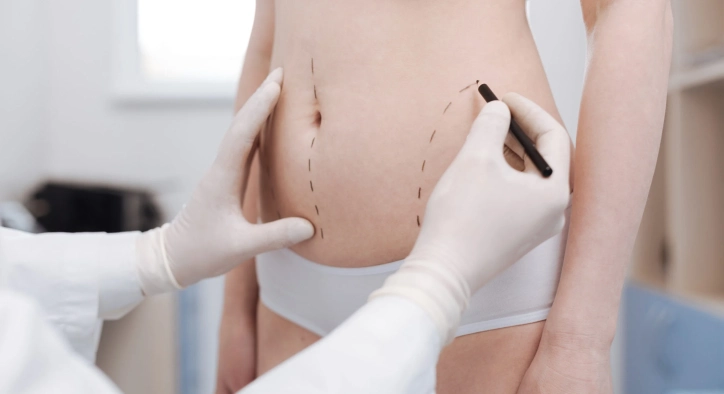
Significant weight loss, post-bariatric transformations, and pregnancy can permanently stretch the abdominal wall beyond its natural biological elasticity. When the rectus abdominis muscles separate along the midline (diastasis recti) and an apron of loose, redundant skin hangs over the pubic area, physical core workouts, planks, and strict diets cannot restore a flat midsection. This structural laxity leads to lower back pain, posture issues, chronic skin chafing, and emotional self-consciousness. In modern plastic and reconstructive body surgery, a tummy tuck (abdominoplasty) represents the gold standard for restoring internal core stability and sculpting a smooth abdominal profile.
At Stamboul Clinic, we coordinate world-class post-bariatric and aesthetic plastic surgeries within fully accredited, state-of-the-art hospital facilities in Istanbul. Whether you are researching an all-inclusive tummy tuck Turkey medical package, seeking clarity on what is a tummy tuck from an anatomical perspective, comparing full vs mini tummy tuck before and after results, or evaluating dynamic tummy tuck cost factors, this comprehensive guide delivers deep clinical insights and recovery protocols.
Table of Content
- What Is a Tummy Tuck?
- Surgical Techniques: Full Abdominoplasty vs. Mini Tummy Tuck
- Incisions, Scars, and Recovery: What to Expect
- Tummy Tuck Before and After Transformations
- Cost Determinants: Understanding Price Variables and Estimates
- Frequently Asked Questions (FAQ)
- How should I sleep and position my body during the first 2 weeks after a tummy tuck?
- Can I get pregnant after having a tummy tuck surgery?
- How long do surgical drains stay in place after a tummy tuck?
- What is the difference between a tummy tuck and liposuction alone?
- Why do tummy tuck prices vary between different patients?
What Is a Tummy Tuck?
To establish a clear medical foundation, let us answer a primary question: what is a tummy tuck from a structural engineering standpoint? Clinically known as an abdominoplasty, a tummy tuck surgery is a major body-contouring procedure performed under general anesthesia that repairs the internal muscular wall and redrapes the external skin envelope.
THE ABDOMINAL WALL RECONSTRUCTION SEQUENCE:
- [Low Bikini-Line Incision] ➡️ [VASER Liposuction of Flanks] ➡️ [Internal Diastasis Recti Muscle Plication] ➡️ [Redundant Dermal Excision] ➡️ [Umbilical Repositioning & Multi-Layer Closure]
1. Internal Muscular Corset Repair (Diastasis Recti Plication)
Pregnancy or heavy abdominal weight stretches the linea alba connective tissue, causing the left and right abdominal muscle bands to separate. The surgeon lifts the abdominal skin flap up to the rib cage, brings the separated muscles together, and places heavy, non-absorbable internal sutures along the midline. This creates an internal corset that flattens the abdomen and reinforces core strength.
2. Redundant Skin Excision & Navel Transposition
Once the internal muscle wall is tightened, the surgeon pulls the skin flap downward with firm tension. Excess stretched skin and lower belly fat (from below the ribcage to the pubic hairline) are excised. A small, natural opening is created to reposition and aesthetically shape the belly button (umbilicoplasty) without unnatural distortion.
Surgical Techniques: Full Abdominoplasty vs. Mini Tummy Tuck
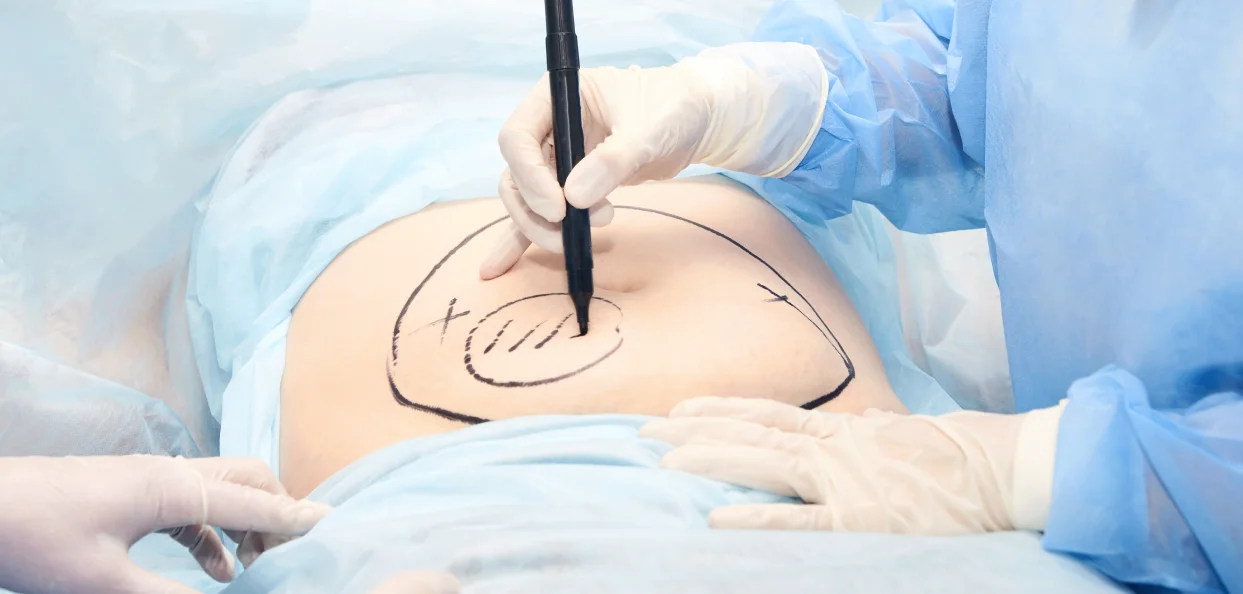
Selecting the appropriate surgical method depends on the location of your skin excess and whether your upper abdominal muscles require plication.
ABDOMINOPLASTY METHODOLOGIES COMPARISON:
- Mini Tummy Tuck: Shorter bikini-line incision; addresses skin excess strictly below the navel; no belly button relocation.
- Full Abdominoplasty: Hip-to-hip incision; full muscle repair from ribs to pubis; complete belly button repositioning.
- Extended / 360 Lift: Extends around flanks to lower back; ideal for massive weight-loss patients with circumferential laxity.
1. Mini Tummy Tuck (Partial Abdominoplasty)
For individuals with mild-to-moderate skin laxity and localized fat confined strictly to the lower abdomen (the "C-section pooch"), a mini tummy tuck offers a less invasive solution. The incision is shorter (similar to an extended C-section scar), the belly button remains untouched in its original location, and muscle tightening is limited to the lower abdomen below the navel.
2. Full Standard Abdominoplasty
When significant skin laxity, stretch marks, and muscle separation involve both the upper and lower abdomen, a full tummy tuck is required. The incision extends from hip bone to hip bone, remaining concealed beneath underwear and swimwear borders.
Incisions, Scars, and Recovery: What to Expect
Understanding the recovery timeline helps manage expectations and ensures optimal wound healing along the lower incision line.
THE CHRONOLOGICAL POST-OP TIMELINE:
- Weeks 1 to 2: Acute Phase ➡️ Walking slightly bent at the waist ("beach chair" posture); surgical drains removed; faja worn 24/7.
- Weeks 3 to 4: Postural Transition ➡️ Fully standing upright; light desk work resumed; swelling shifts downward.
- Weeks 6 to 8: Active Remodeling ➡️ Medical faja transitioned to light shapewear; gym workouts and light cardio safely resumed.
- Months 6 to 12: Final Maturity ➡️ Scar fades from pink to a thin, pale white line; abdominal firmness fully stabilized.
During the initial 10 to 14 days, patients walk with a slight forward bend to avoid tension on the freshly sutured lower abdominal wall. Wearing a medical-grade compression garment (faja) 24/7 for 6 to 8 weeks prevents fluid buildup (seroma) and ensures the skin adheres smoothly to the underlying muscle fascia.
Tummy Tuck Before and After Transformations
Reviewing unedited tummy tuck before and after patient profiles illustrates how muscle repair, fat removal, and skin redraping restore body symmetry:
Modern surgical techniques avoid an unnatural, overly flat "board-like" look. By combining precise Vaser liposuction along the flanks with deep muscle tightening, our partner surgeons create natural vertical abdominal indentations (the semilunar lines) and a narrowed waistline.
Cost Determinants: Understanding Price Variables and Estimates
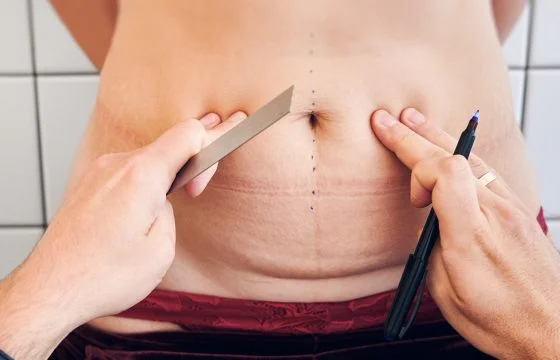
When evaluating abdominoplasty, prospective patients should note that surgical fees are customized and vary considerably based on individualized clinical requirements. Rather than a single fixed rate, the overall tummy tuck cost is influenced by several clinical and logistical factors:
- Degree of Skin Laxity & Surgical Technique: A partial mini abdominoplasty requires less operative time and simpler tissue redraping than an extended, Fleur-de-Lis, or circumferential 360-degree body lift.
- Extent of Diastasis Recti Repair: Significant muscle separation requiring extensive double-row internal suturing increases surgical complexity.
- Complementary Liposuction (Lipo-Abdominoplasty): Adding VASER liposuction across the flanks, love handles, or upper back to optimize the waistline alters total theater time.
- Hospital Facility, Anesthesia & Inpatient Stay: The standard length of stay (typically 1 to 2 nights of close post-operative hospital observation), choice of accredited hospital, and specialized nursing support affect package budgets.
Because surgical plans are tailored to individual body anatomy, exact quotations are established following a personalized clinical assessment. The comparative matrix below outlines estimated regional cost tiers and relative price structures for 2026:
Healthcare Destination / Region | Estimated Cost Structure | Relative Price Level | Typical Package Framework |
United States (USA) | Variable by Surgeon & State | High | Surgery Only (Facility, Anesthesia & Garments Extra) |
United Kingdom (UK) | Variable by Clinic & Hospital | High | Surgery Only (Consultations & Aftercare Invoiced Separately) |
Germany / Switzerland | Variable by Fee Scale (GOÄ) | Moderate to High | Surgery Only (Hospitalization & Medications Invoiced Separately) |
Stamboul (Turkey) | Dynamic Custom Package | High Value / Accessible | Comprehensive (Hospital Stay, Hotel, VIP Transfers & Aftercare) |
Frequently Asked Questions (FAQ)
How should I sleep and position my body during the first 2 weeks after a tummy tuck?
You must sleep on your back in a "beach chair" or reclined "V" position, with your upper back elevated on 2 to 3 pillows and your knees bent over pillows. This position keeps tension off the lower abdominal incision and internal muscle sutures. When walking during the first 10 to 14 days, maintain a slight 15-to-20-degree forward bend at the waist.
Can I get pregnant after having a tummy tuck surgery?
Yes. Having a tummy tuck does not affect your fertility or your ability to carry a healthy pregnancy to term, as the abdominal wall will naturally stretch to accommodate the baby. However, because a subsequent pregnancy can re-separate the repaired rectus muscles and stretch the skin again, surgeons recommend completing your family planning before undergoing an abdominoplasty.
How long do surgical drains stay in place after a tummy tuck?
Surgical drains are typically removed 3 to 7 days after surgery, once the 24-hour fluid output from each drain drops below 25 to 30 milliliters. Removing the drains is quick, simple, and causes minimal discomfort.
What is the difference between a tummy tuck and liposuction alone?
Liposuction removes subcutaneous fat deposits but cannot tighten stretched, inelastic skin or repair separated abdominal muscles (diastasis recti). If a patient with loose skin undergoes liposuction alone, the skin can sag further and look deflated. A tummy tuck removes excess skin and tightens the internal muscle wall, while liposuction is used complementarily to contour the waist and flanks.
Why do tummy tuck prices vary between different patients?
Pricing varies because every patient presents with unique anatomical requirements. Factors such as the amount of excess skin, whether a mini, full, or extended technique is required, the severity of abdominal muscle separation, and whether complementary VASER liposuction is added to sculpt the flanks all directly influence the surgical duration and personalized plan.
Über den Autor