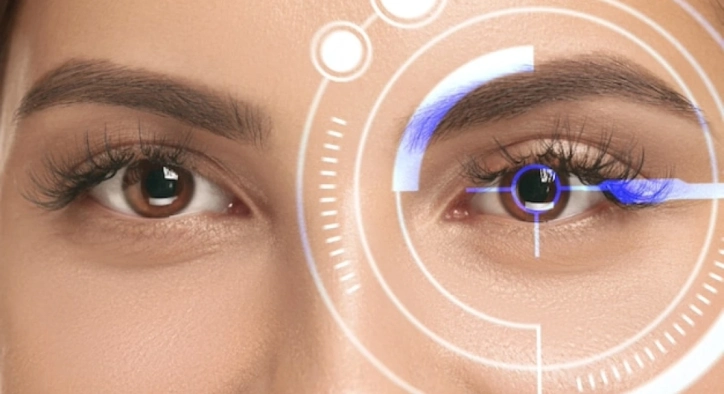
For millions of people living with severe short-sightedness (myopia) or astigmatism, dependency on glasses and contact lenses creates persistent obstacles during sports, travel, and daily work. While traditional laser procedures like LASIK have liberated patients from visual aids for decades, many individuals hesitate due to fear of corneal flap creation, long-term dry eye syndrome, or traumatic flap displacement risks in active lifestyles. In modern refractive laser ophthalmology, ReLEx SMILE surgery (Small Incision Lenticule Extraction) represents the 3rd-generation standard of care delivering flapless, gentle, and biomechanically stable vision correction.
At Stamboul Clinic, we coordinate refractive ophthalmic treatments utilizing certified Carl Zeiss VisuMax femtosecond laser technology in accredited, modern hospital facilities. Whether you are evaluating options for a vision trip to Istanbul, seeking clarity on what is relex SMILE surgery from a biological standpoint, examining relex SMILE surgery vs lasik parameters, analyzing the exact relex SMILE surgery recovery time, or calculating global relex SMILE surgery cost metrics, this comprehensive clinical guide provides deep medical insights and post-operative protocols.
Table of Content
- What Is ReLEx SMILE Surgery? The Flapless Keyhole Mechanism
- Head-to-Head Comparison: ReLEx SMILE Surgery vs. LASIK
- Managing Expectations: ReLEx SMILE Surgery Side Effects
- Recovery Milestones & Patient Satisfaction: ReLEx SMILE Surgery Reviews
- Analyzing ReLEx SMILE Surgery Cost Globally
- Frequently Asked Questions (FAQ)
- What is the difference between ReLEx SMILE and SMILE Pro?
- Why does vision feel steamy or foggy immediately after ReLEx SMILE surgery?
- Can ReLEx SMILE surgery correct severe astigmatism and high myopia?
- When can I safely wash my face, take a shower, and wear eye makeup after ReLEx SMILE?
- How do I use prescribed eye drops after ReLEx SMILE surgery?
What Is ReLEx SMILE Surgery? The Flapless Keyhole Mechanism
To establish a clear medical foundation, let us answer a primary question: what is relex SMILE surgery from an optical engineering perspective? Clinically defined as Small Incision Lenticule Extraction, ReLEx SMILE is a single-step, blade-free refractive procedure performed under local topical anesthetic eye drops using an ultra-fast femtosecond laser.
THE KEYHOLE REFRACTIVE SEQUENCE:
- [Topographic Corneal Docking] ➡️ [Femtosecond Lenticule Carving inside Intact Stroma] ➡️ [2 mm Keyhole Incision] ➡️ [Gentle Lenticule Extraction] ➡️ [Instant Focal Shift]
Unlike older refractive techniques, SMILE is performed entirely with a single femtosecond laser without excimer laser tissue photoablation or extensive corneal cuts:
- Lenticule Creation: The femtosecond laser creates a tiny, lens-shaped disc of corneal stroma tissue (lenticule) inside the deeper layers of the intact cornea.
- Keyhole Micro-Incision: The laser cuts a microscopic 2 mm access tunnel on the periphery of the cornea—representing an 80% smaller incision than a traditional LASIK flap.
- Lenticule Removal: The ophthalmic surgeon gently separates and extracts the microscopic lenticule through the 2 mm opening using a specialized micro-spatula. Removing this tiny disc changes the corneal curvature instantly, correcting myopia and astigmatism permanently.
Head-to-Head Comparison: ReLEx SMILE Surgery vs. LASIK
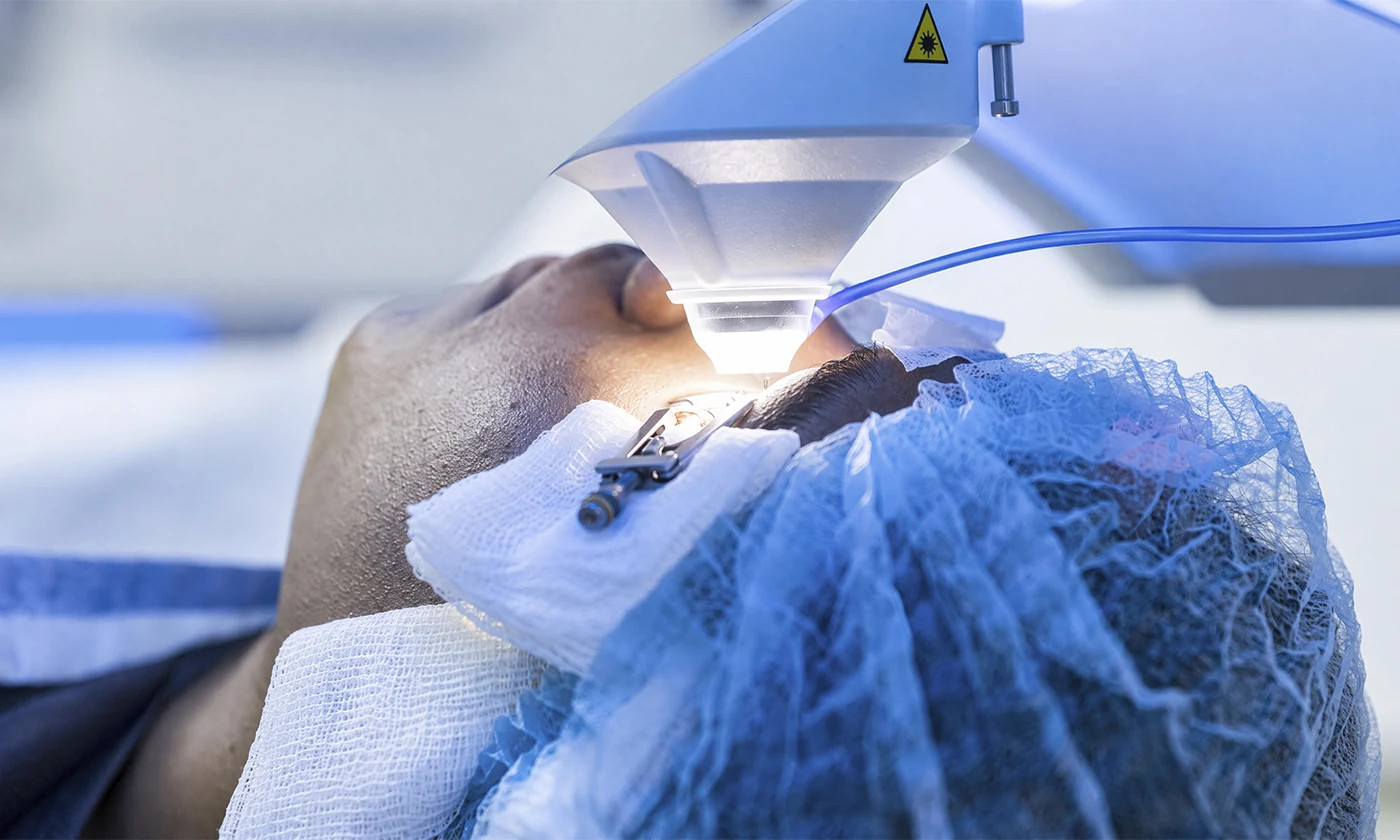
Evaluating the technical differences between relex SMILE surgery vs lasik highlights why athletes, contact lens wearers, and patients prone to dry eyes favor the flapless approach.
KEY CLINICAL CONTRASTS:
- Femto-LASIK: Creates a 20 mm circular corneal flap; cuts superficial corneal nerves; mild-to-moderate dry eye risk.
- ReLEx SMILE: Requires only a 2 mm keyhole incision; preserves 80% of corneal nerves; minimal dry eye risk; zero flap dislocation.
Clinical Parameter | Traditional Femto-LASIK | ReLEx SMILE (Zeiss VisuMax) |
Incision Size & Style | ~20 mm circular hinged corneal flap | ~2 mm keyhole micro-incision (Flapless) |
Corneal Biomechanical Strength | Weakened by flap creation | Maximum structural integrity preserved |
Flap Dislocation Risk | Present during severe eye trauma / sports | Zero flap risk (No flap created) |
Post-Operative Dry Eye Syndrome | Moderate to high for 3–6 months | Minimal to none (Preserves corneal nerve plexus) |
Myopia & Astigmatism Range | Up to -8.00 D Myopia / up to 4.00 D Astigmatism | Up to -10.00 D Myopia / up to 5.00 D Astigmatism |
Hyperopia (Farsightedness) | Fully treatable | Currently limited |
Initial Visual Clarity Milestone | Immediate within 12–24 hours | Functional within 24 hours; HD clarity in 3–7 days |
Managing Expectations: ReLEx SMILE Surgery Side Effects
Because corneal tissue undergoes a microscopic healing phase after relex SMILE surgery, understanding potential relex SMILE surgery side effects helps ensure an uncomplicated recovery.
- Transient Hazy / Steamy Vision (First 24–48 Hours): Right after the procedure, vision appears as if looking through a mild steam or fog. This occurs due to microscopic carbon dioxide and water cavitation bubbles created by the femtosecond laser, resolving naturally within 1 to 3 days.
- Mild Glare and Halos at Night: During the first 2 to 4 weeks, patients may notice light rings or halos around headlights while driving at night as corneal swelling clears.
- Temporary Dryness: While SMILE preserves significantly more corneal nerve fibers than LASIK, mild dry sensation can occur during the first few weeks, managed with preservative-free artificial tear drops.
- Rare Surgical Complications: Rare issues include cap tears, suction loss during laser docking (less than 0.5%), or retained micro-lenticule fragments, all of which are managed safely by experienced refractive surgeons.
Recovery Milestones & Patient Satisfaction: ReLEx SMILE Surgery Reviews
Examining verified relex SMILE surgery reviews and analyzing the relex SMILE surgery recovery time shows why patient satisfaction rates exceed 98%:
THE POST-OPERATIVE VISUAL RECOVERY TIMELINE:
- Hours 1 to 6: Acute Adaptation ➡️ Mild foreign body sensation and watery eyes; resting with closed eyelids.
- Day 1: Functional Vision ➡️ 80% to 90% visual clarity; post-op checkup; return to light desk work.
- Days 3 to 7: High-Definition Stabilization ➡️ Steamy sensation clears; resumption of light jogging and fitness.
- Weeks 2 to 4: Final Optical Settlement ➡️ 100% stable 20/20 visual acuity; night vision glare subsides completely.
Unlike LASIK, which requires guarding against rubbing your eyes for weeks to avoid dislodging the flap, SMILE patients enjoy rapid physical freedom. Because the surface architecture of the cornea remains intact, patients can resume showering, light gym workouts, and outdoor activities within 48 to 72 hours.
Analyzing ReLEx SMILE Surgery Cost Globally
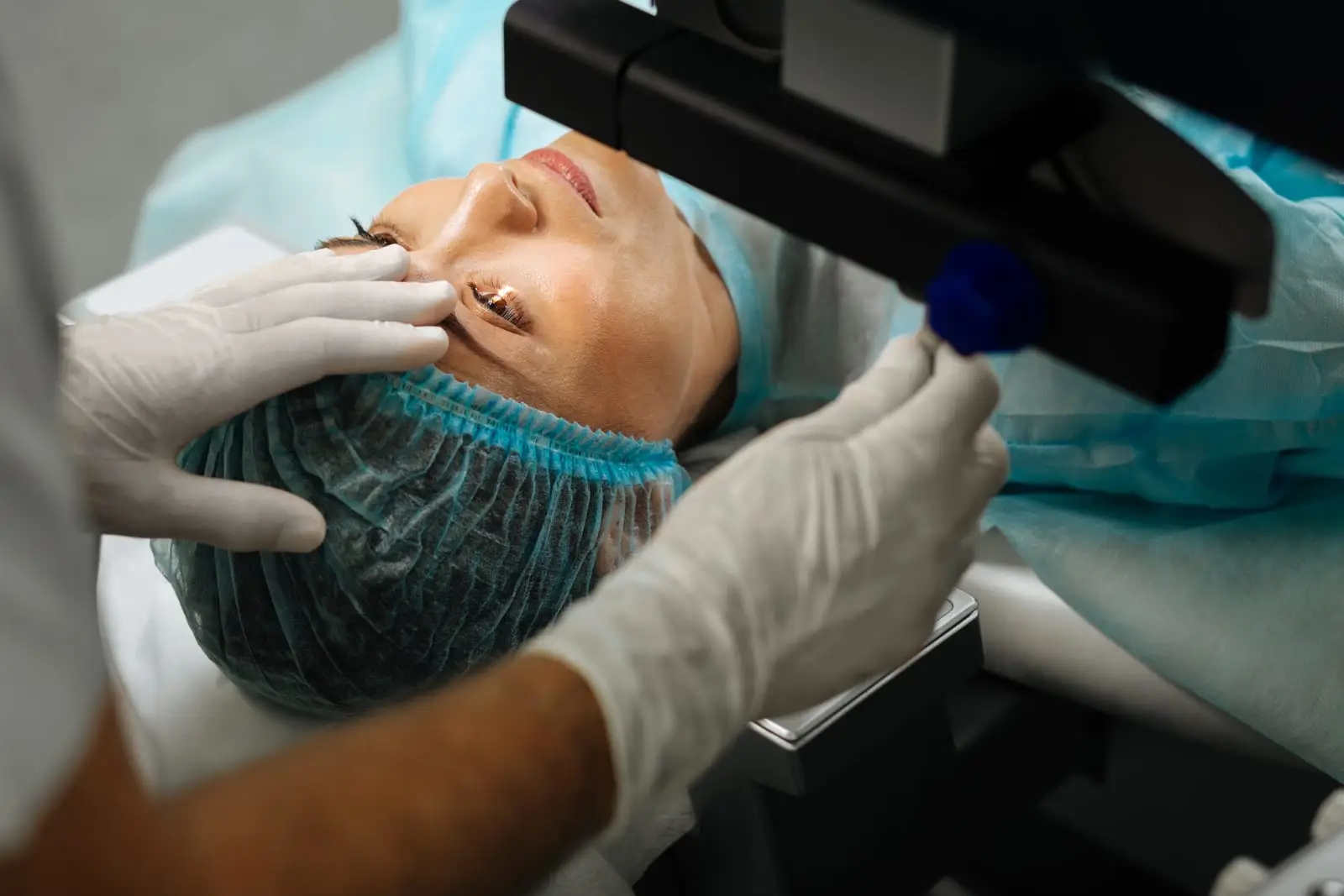
A major consideration when planning vision correction is the total financial investment. Prospective patients routinely research the overall relex SMILE surgery cost or compare the private relex SMILE surgery price across international ophthalmic centers.
Because ReLEx SMILE requires specialized Zeiss VisuMax femtosecond laser licensing, private eye clinics in the United States, Canada, the UK, and Western Europe charge a premium. Average costs in Western clinics range from $4,000 to $7,500 for both eyes.
Choosing an all-inclusive ophthalmic package in Istanbul allows international patients to access certified corneal surgeons, advanced Zeiss VisuMax 800 (SMILE Pro) technology, and accredited eye hospital facilities through transparent, fixed pricing. The table below outlines structural pricing comparisons for 2026:
Healthcare Destination / Hub | ReLEx SMILE (Both Eyes) Cost Range | SMILE Pro (VisuMax 800 - Ultra Fast) | Package Inclusions |
United States (USA) | $4,500 – $7,500 USD | $6,000 – $8,500 USD | Surgery Only (Pre-ops & Checks Extra) |
United Kingdom (UK) | £3,500 – £5,800 GBP | £4,500 – £6,800 GBP | Surgery Only (Consults & Drops Extra) |
Germany / Switzerland | €3,800 – €6,200 EUR | €4,800 – €7,200 EUR | Surgery Only (Medications & Hospital Extra) |
Stamboul (Turkey) | €1,850 – €2,650 EUR | €2,300 – €3,100 EUR | All-Inclusive (Hotel, VIP Transfers, Drops & Checks) |
Frequently Asked Questions (FAQ)
What is the difference between ReLEx SMILE and SMILE Pro?
SMILE Pro is performed using the newer Carl Zeiss VisuMax 800 laser platform. While standard ReLEx SMILE takes approximately 25 seconds of laser docking per eye, SMILE Pro completes the lenticule creation in under 10 seconds. This faster treatment time minimizes patient anxiety, reduces the risk of suction loss during laser docking, and features automated cyclotorsion alignment for precise astigmatism correction.
Why does vision feel steamy or foggy immediately after ReLEx SMILE surgery?
A temporary steamy or hazy sensation during the first 24 to 48 hours is a normal physical side effect of the femtosecond laser. As the laser carves the intrastromal lenticule, it creates microscopic plasma cavitation bubbles composed of water and gas. Once your eye naturally absorbs these microscopic bubbles over the first 2 to 3 days, vision sharpens into high definition.
Can ReLEx SMILE surgery correct severe astigmatism and high myopia?
Yes. ReLEx SMILE is FDA-approved and clinically certified to treat myopia up to -10.00 diopters and astigmatism up to -5.00 diopters in a single treatment. Because it preserves the strong anterior layer of the cornea, it is often a safer choice for patients with high prescriptions or borderline corneal thickness who are not ideal candidates for LASIK.
When can I safely wash my face, take a shower, and wear eye makeup after ReLEx SMILE?
You can take a shower from the neck down on the day of surgery. You can gently wash your face and rinse your hair after 48 hours, taking care to avoid getting tap water directly into your open eyes. Because there is no flap to dislodge, eye makeup (mascara, eyeliner, eyeshadow) can be safely resumed after 7 to 10 days once your day-7 checkup confirms full epithelial closure.
How do I use prescribed eye drops after ReLEx SMILE surgery?
You will be prescribed antibiotic and anti-inflammatory eye drops to use 4 times daily for the first 1 to 2 weeks to prevent infection and promote corneal healing. Additionally, use preservative-free artificial tear drops every 1 to 2 hours during the first week (and whenever your eyes feel dry or fatigued) to maintain tear-film stability and support optimal optical clarity.
Über den Autor