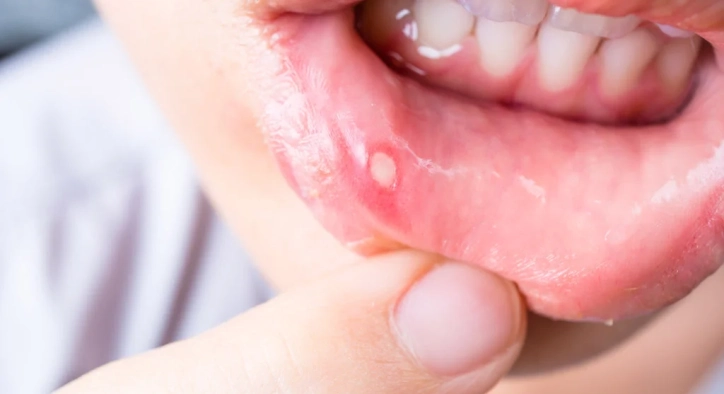
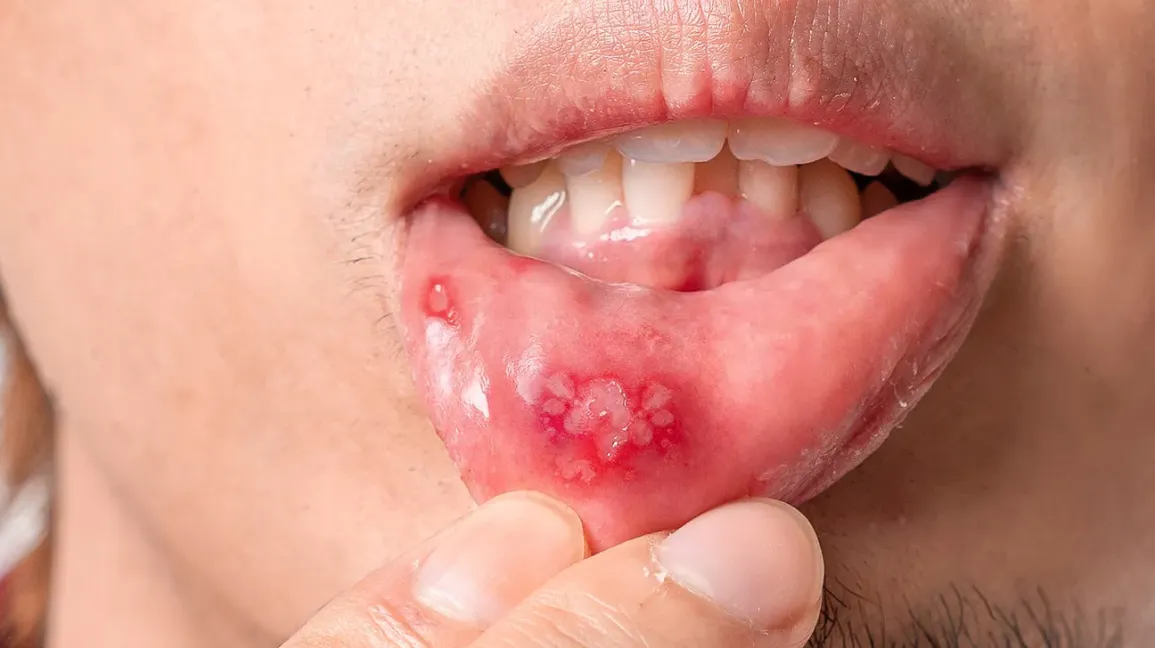
An aphthous ulcer, more commonly known as a canker sore, is a non-contagious, painful open sore located inside the mouth. These mouth ulcers typically appear as small, white or yellowish lesions with a red border on the tongue, inner lips, or cheeks. While the exact trigger can vary, the aphthous ulcer causes often include stress, minor oral trauma, or nutritional deficiencies.
Most aphthous mouth ulcers heal on their own within one to two weeks. However, for chronic or severe cases, professional aphthous mouth ulcers treatment, such as laser therapy or prescription topical agents, can significantly reduce pain and accelerate the healing process.
Dealing with an aphthous ulcer can turn simple daily tasks like eating, speaking, or even drinking into a painful ordeal. These small but potent oral lesions are among the most common complaints in dental clinics worldwide.
Table of Content
What Are The Causes Of Aphthous Ulcer?
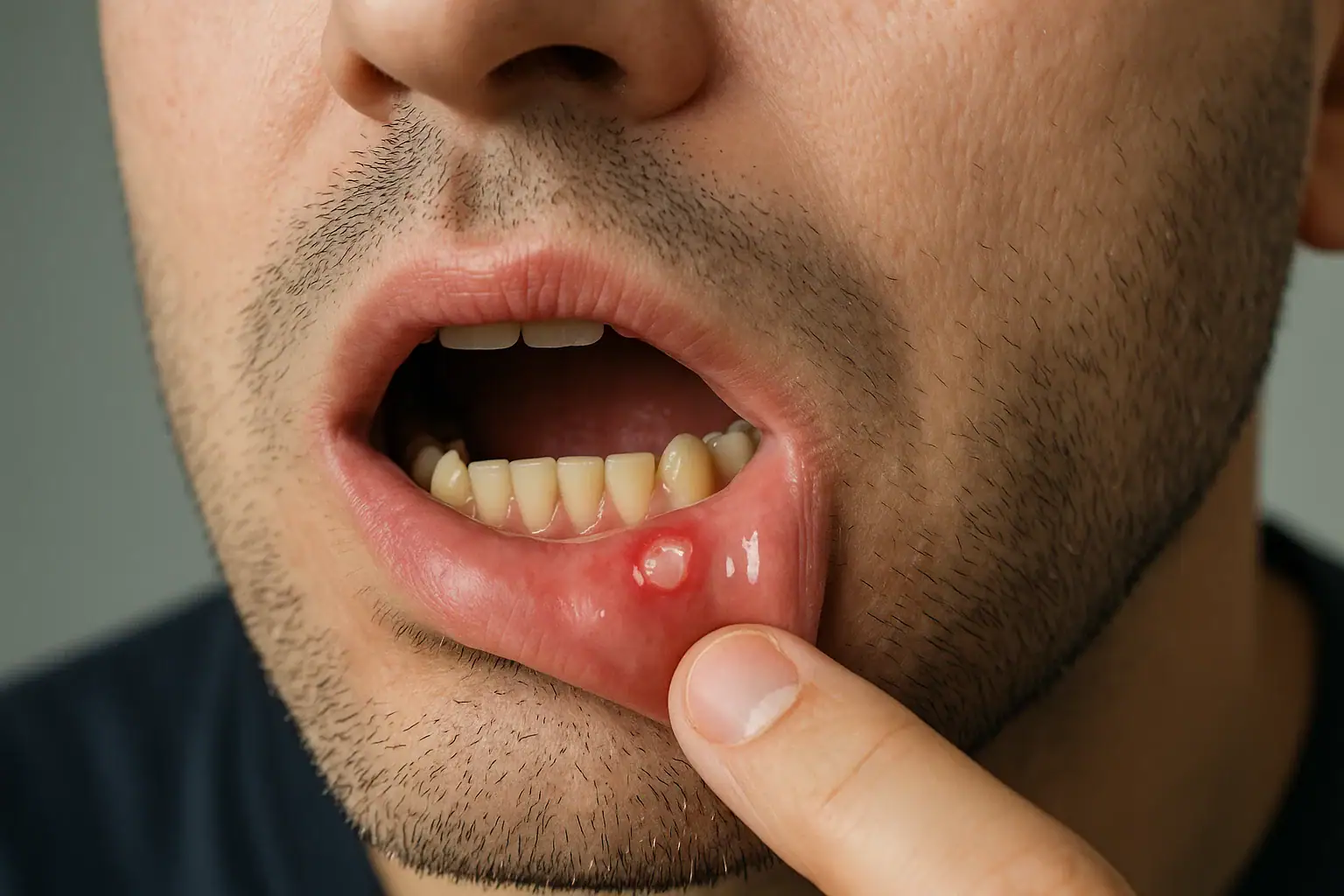
Identifying a single origin for these sores is often difficult because they are multifactorial. When patients ask, "What is the most common cause of aphthous ulcers?" the answer usually involves a combination of environmental and biological triggers. Unlike cold sores, which are viral, an aphthous ulcer mouth lesion is an inflammatory response.
Several factors frequently contribute to their development:
- Minor Trauma: Accidental cheek biting, aggressive tooth brushing, or irritation from orthodontic braces are common aphthous ulcer causes.
- Emotional Stress: Many people find that can stress cause aphthous ulcers? The answer is yes; high stress levels can weaken the immune system’s local response in the oral mucosa.
- Nutritional Deficiencies: A lack of Vitamin B12, zinc, folic acid, or iron is often linked to aphthous mouth ulcers.
- Dietary Triggers: You might wonder, can certain foods trigger canker sores? Highly acidic fruits like lemons or pineapples, spicy foods, and even chocolate or coffee can irritate the lining of the mouth in sensitive individuals.
What Are The Symptoms Of Aphthous Ulcer?
Recognizing an aphthous ulcer early can help you start treatment before the pain peaks. These canker sores usually begin with a tingling or burning sensation in a specific spot inside the mouth. Within 24 to 48 hours, a visible lesion develops.
The typical symptoms include:
- Visual Appearance: A round or oval sore with a white, grey, or yellow center and a bright red, inflamed outer ring.
- Pain Management: Intense pain that is aggravated by movement of the mouth or contact with salty, spicy, or acidic foods.
- Location: They only appear on the "non-keratinized" movable tissues of the mouth, such as the floor of the mouth, inside the cheeks, or the underside of the tongue.
- General Malaise: In severe cases of aphthous stomatitis ulcer, patients might experience a low-grade fever or swollen lymph nodes.
It is important to distinguish these from other issues. Many patients worry, is an aphthous ulcer a sign of cancer? Generally, no. A typical aphthous ulcer mouth lesion has a distinct appearance and heals relatively quickly. However, when should I see a dentist for a mouth ulcer? If a sore is unusually large, lasts longer than three weeks, or is accompanied by severe difficulty swallowing, a professional evaluation at a clinic like Stamboul is necessary to rule out other forms of oral ulceration.
How İs Aphthous Ulcer Treated?
While most sores heal without intervention, the best professional treatment for mouth ulcers often involves advanced technology to bypass the week of pain.
- Laser Therapy: This is one of the most effective modern methods. A low-energy dental laser is used to "decontaminate" the ulcer. This process provides almost instant pain relief and can cut the healing time in half.
- Topical Medications: When asking, "What is the best medicine for an aphthous ulcer?" dentists often prescribe corticosteroid ointments or antimicrobial mouthwashes to reduce inflammation and prevent secondary infections.
- Cauterization: In some clinical settings, chemical agents are used to cauterize the nerve endings on the surface of the sore, effectively "turning off" the pain.
- Home Care: Does salt water help aphthous ulcers? Yes, a mild salt water or baking soda rinse can help keep the area clean and reduce acidity in the mouth, though it is not as fast-acting as clinical treatments.
How Does Aphthous Ulcer Go Away?
The healing process of an aphthous ulcer follows a predictable timeline. Typically, the pain begins to subside after the first 3 to 4 days, even if the sore is still visible. How long do aphthous ulcers take to heal? For a standard "minor" ulcer, complete healing usually takes 7 to 14 days without leaving a scar.
The body heals the oral lesions by slowly regenerating the epithelial layer over the open sore. During this time, the "pseudomembrane" (the white/grey center) protects the underlying nerves as they heal.
If you notice your aphthous mouth ulcers are taking longer than two weeks to disappear, it may indicate an underlying systemic condition, such as Crohn's disease or an autoimmune disorder, which requires a deeper medical investigation.
Things To Do To Prevent Aphthous Ulcer
Prevention is always more comfortable than treatment. If you find yourself frequently suffering from aphthous ulcers recurrent episodes, lifestyle modifications are essential. How do you prevent aphthous ulcers? The strategy focuses on reducing irritation and boosting your body's defenses.
- Maintain Oral Hygiene: Use a soft-bristled toothbrush to prevent micro-trauma to the gums and cheeks.
- Dietary Awareness: Avoid known triggers. If you notice a connection between can certain foods trigger canker sores and your outbreaks, keep a food diary to identify the culprits.
- Manage Stress: Since can stress cause aphthous ulcers is a proven connection, practicing relaxation techniques can reduce the frequency of flare-ups.
- Vitamin Supplementation: Ensure your diet is rich in B12 and Iron. If necessary, consult with a professional for supplements.
- SLS-Free Toothpaste: Some studies suggest that Sodium Lauryl Sulfate (SLS), a foaming agent found in many toothpastes, can irritate the oral mucosa and lead to mouth ulcers.
FAQ: Frequently Asked Questions
Why do I keep getting aphthous ulcers?
Why do I keep getting aphthous ulcers? Recurrent episodes are often linked to genetic predisposition, chronic stress, or nutritional deficiencies. It could also be a reaction to certain ingredients in your oral care products or a sign of an overactive immune system.
How long do aphthous ulcers take to heal?
How long do aphthous ulcers take to heal? Most minor ulcers disappear within 7 to 14 days. Major ulcers, which are larger and deeper, may take up to six weeks and may require professional clinical intervention to prevent scarring.
Does salt water help aphthous ulcers?
Does salt water help aphthous ulcers? Yes, it acts as a mild antiseptic and helps maintain a balanced pH level in the mouth. However, it can be painful upon application and does not provide the immediate relief that laser therapy offers.
When should I see a dentist for a mouth ulcer?
When should I see a dentist for a mouth ulcer? You should seek professional help if the sore is larger than 1 cm, if you have multiple sores appearing at once, if the pain is uncontrollable, or if the ulcer has not healed after three weeks.
Is an aphthous ulcer a sign of cancer?
Is an aphthous ulcer a sign of cancer? In most cases, no. However, oral cancer can sometimes mimic the appearance of a non-healing ulcer. This is why any sore that persists for more than 21 days must be biopsied or examined by an expert dentist.
Über den Autor