
Living with severe obesity or metabolic disorders such as type 2 diabetes, chronic hypertension, joint degradation, and obstructive sleep apnea places a tremendous physical and emotional burden on your daily life. When traditional lifestyle modifications, dietary changes, and exercise routines fail to produce sustainable weight management, medical science offers a permanent, life-saving solution. In modern medicine, bariatric surgery stands as the most reliable, scientifically validated treatment for achieving substantial, long-term weight reduction and metabolic health restoration.
At Stamboul Clinic, we coordinate world-class metabolic and weight loss procedures within accredited, state-of-the-art surgical hospital settings. If you are researching choices to transform your life, evaluating what is bariatric surgery from a biological perspective, comparing different types of bariatric surgery, reviewing the strict pre bariatric surgery diet, analyzing clinical bariatric surgery risks, or calculating global bariatric surgery cost metrics, this clinical guide delivers deep medical insights and post-operative protocols.
Table of Content
- What Is Bariatric Surgery? Biological and Metabolic Mechanics
- Primary Methodologies: Exploring the Types of Bariatric Surgery
- Pre-Operative Preparation: The Pre Bariatric Surgery Diet
- Clinical Transformations: Bariatric Surgery and Weight Loss Milestones
- Safety and Risk Management: Evaluating Bariatric Surgery Risks
- Bariatric Surgery Cost Comparison
- Frequently Asked Questions (FAQ)
What Is Bariatric Surgery? Biological and Metabolic Mechanics
To establish a clear medical foundation, let us answer a primary question: what is bariatric surgery from a physiological perspective? Clinically defined as metabolic surgery, it encompasses surgical procedures that modify the stomach and small intestine to alter energy intake, nutrient absorption, and hunger signaling.
The underlying mechanisms operate through three primary clinical pathways:
- Physical Restriction: By reducing the volumetric capacity of the stomach, the surgical modification forces early satiety with significantly smaller meal portions.
- Hormonal Modulation: Resecting or bypassing specific gastrointestinal zones suppresses the secretion of ghrelin (the hunger-stimulating hormone) while boosting satiety hormones like GLP-1 and PYY.
- Controlled Malabsorption: Rerouting small intestine segments reduces the surface area available for caloric and nutrient absorption, supporting systemic weight reduction.
Primary Methodologies: Exploring the Types of Bariatric Surgery
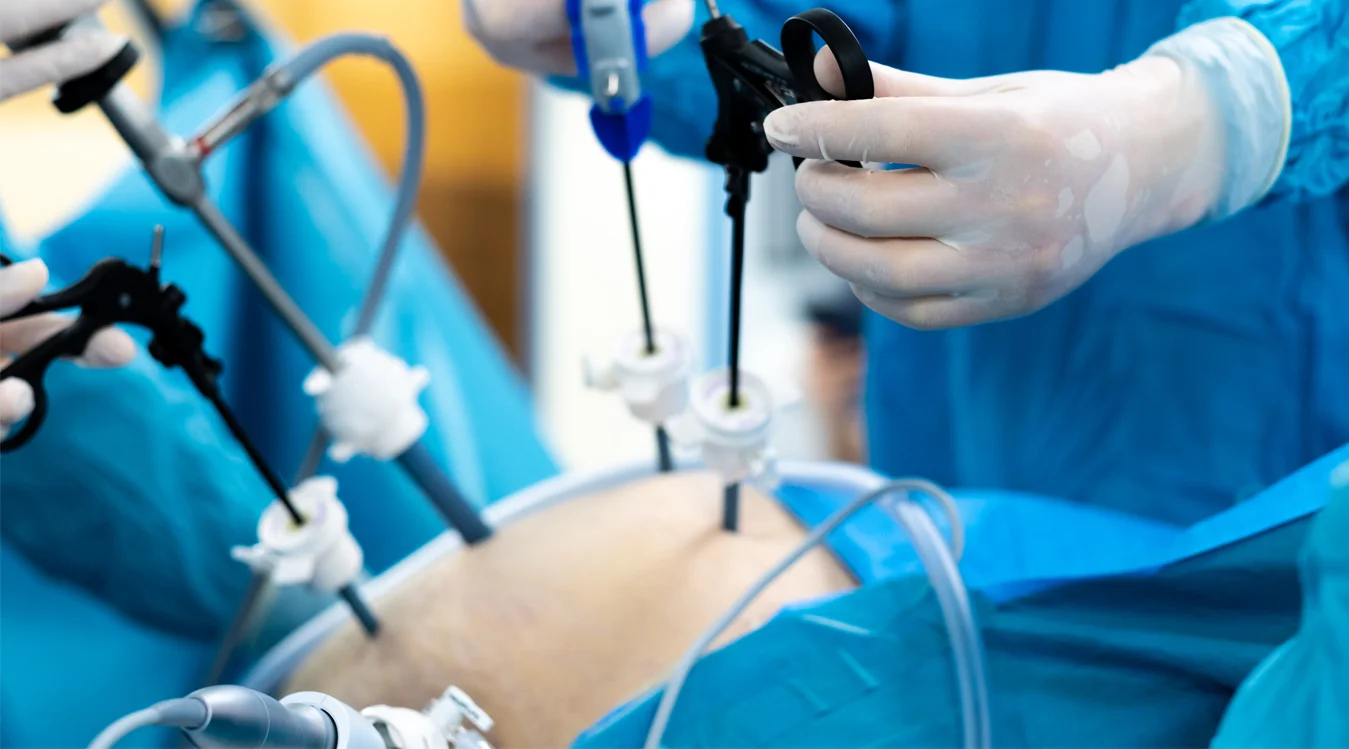
Selecting the appropriate surgical procedure depends on your initial Body Mass Index (BMI), existing metabolic comorbidities, previous abdominal operations, and eating habits. Understanding the main types of bariatric surgery is essential for personalized surgical planning.
1. Sleeve Gastrectomy (Gastric Sleeve)
In a sleeve gastrectomy, approximately 75% to 80% of the stomach is permanently removed using high-precision surgical staplers, leaving a narrow, vertical tube resembling a banana. This approach provides strong physical restriction and hormone suppression without altering the intestinal tract or creating malabsorption.
2. Roux-en-Y Gastric Bypass (RYGB)
The Roux-en-Y gastric bypass creates a small stomach pouch (about the size of an egg) and connects it directly to the middle section of the small intestine, bypassing the rest of the stomach and the upper intestine. This dual mechanism combines physical restriction with mild malabsorption, making it an excellent choice for patients with severe type 2 diabetes or gastroesophageal reflux disease (GERD).
3. Mini Gastric Bypass (Single Anastomosis Gastric Bypass)
A simplified, highly effective modification of the traditional bypass, the mini gastric bypass creates a longer, tube-like stomach pouch connected to a loop of the small intestine. It offers excellent metabolic results with a shorter operating time and a single intestinal connection (anastomosis).
Pre-Operative Preparation: The Pre Bariatric Surgery Diet
Achieving a safe surgical outcome requires strict adherence to a mandatory pre bariatric surgery diet in the weeks leading up to your procedure.
THE PRE-OPERATIVE DIETARY TIMELINE:
- [2 Weeks Pre-Op] ➡️ High-protein, low-carbohydrate liquid-dominant regimen to shrink the liver.
- [3 Days Pre-Op] ➡️ Clear liquids only; complete elimination of sugar, fats, and solid foods.
- [Midnight Pre-Op] ➡️ Strict NPO (nothing by mouth); zero liquid or food intake prior to anesthesia.
The primary objective of the pre-op diet is to shrink the size of your liver. In patients with severe obesity, the liver stores excess fat, making it enlarged and heavy. Because the liver rests directly over the stomach, reducing its volume via a strict high-protein, low-carb diet allows the surgeon to retract the liver safely during laparoscopic surgery, minimizing surgical risks.
Clinical Transformations: Bariatric Surgery and Weight Loss Milestones
Analyzing the relationship between bariatric surgery and weight loss trajectories highlights the profound, lasting impact of metabolic surgery on overall health.
THE CHRONOLOGICAL WEIGHT LOSS MILESTONES:
- Month 1: 10% to 15% Loss of Excess Weight ➡️ Rapid fluid balance shifts; initial fat loss.
- Month 3: 25% to 35% Loss of Excess Weight ➡️ Significant drop in blood pressure; medication reductions.
- Month 6: 45% to 55% Loss of Excess Weight ➡️ Energy surges; joint pain and mobility improve noticeably.
- Month 12: 65% to 80% Loss of Excess Weight ➡️ Weight stabilizes; complete remission of metabolic conditions.
Reviewing verified before and after bariatric surgery profiles showcases improvements that go far beyond aesthetic changes. Beyond losing significant weight, patients routinely experience complete remission of type 2 diabetes, normal blood pressure, resolved sleep apnea, and improved cardiovascular health.
Safety and Risk Management: Evaluating Bariatric Surgery Risks
Like any major surgical procedure, understanding bariatric surgery risks is essential for making an informed medical decision. When performed by experienced surgeons in accredited hospitals, modern laparoscopic bariatric surgery maintains a safety profile comparable to common procedures like gallbladder removal.
- Early Post-Operative Risks: Includes temporary nausea, local wound infection, bleeding along the staple line, or rare staple line leaks (less than 1%).
- Long-Term Nutritional Considerations: Controlled malabsorption or reduced food intake can lead to vitamin and mineral deficiencies (such as B12, iron, calcium, and vitamin D). This is managed with daily lifelong vitamin supplementation.
- Dumping Syndrome: Rapid transit of high-sugar or high-fat foods into the small intestine can cause temporary dizziness, sweating, and abdominal cramping, encouraging patients to stick to nutritious eating habits.
Bariatric Surgery Cost Comparison

A major consideration before embarking on a weight loss journey is the financial investment. Patients routinely research the overall bariatric surgery cost across different healthcare systems globally.
In the United States, Canada, the UK, and Western Europe, public healthcare waiting lists can stretch for years, while private surgery involves significant medical expenses. The average cost for private metabolic surgery in these regions ranges from $12,000 to $25,000.
Selecting Stamboul Clinic in Istanbul allows international patients to access elite bariatric surgeons in accredited hospital facilities through a clear, fixed-price package format. The table below outlines structural pricing for 2026:
Destination / Hub | Sleeve Gastrectomy Range | Gastric Bypass Range | Package Inclusions |
United States (USA) | $12,000 – $18,000 | $18,000 – $25,000 | Surgery Only (Pre-ops extra) |
United Kingdom (UK) | £8,000 – £12,500 | £11,000 – £16,000 | Surgery Only (Consults extra) |
Germany / Switzerland | €8,500 – €14,000 | €11,500 – €17,500 | Surgery Only (Aftercare extra) |
Stamboul (Turkey) | €2,750 – €3,850 | €3,450 – €4,850 | Hotel, VIP Transfers & Aftercare |
Frequently Asked Questions (FAQ)
How much does bariatric surgery cost in Turkey?
In 2026, an all-inclusive bariatric surgery package in Turkey typically ranges from €2,750 to €3,850 for a Gastric Sleeve and €3,450 to €4,850 for a Gastric Bypass, covering pre-op checks, hospital stays, luxury hotel accommodations, and private VIP transfers.
What are the main types of bariatric surgery?
The primary types include the Sleeve Gastrectomy (Gastric Sleeve), Roux-en-Y Gastric Bypass, and Mini Gastric Bypass (Single Anastomosis Bypass).
Why is a pre-bariatric surgery diet necessary?
The pre-op diet is essential to shrink the size of the liver by reducing stored fat, allowing the surgeon to maneuver safely around the stomach during laparoscopic surgery and reducing complications.
What are the main bariatric surgery risks?
Short-term risks include bleeding, infection, or staple line leaks (less than 1%). Long-term considerations include potential vitamin deficiencies and dumping syndrome, both of which are easily managed with proper diet and daily supplementation.
Über den Autor