The surgical phase of a hair restoration procedure is only the first milestone on your journey to achieving maximum hair density. In clinical hair restoration, the post-operative phase is arguably the most vital period for determining the success of the treatment. Once the individual follicular units are carefully integrated into the thinning scalp tissue, how you manage your scalp after hair transplant surgery directly influences how securely the newly placed grafts establish their blood supply.
At Stamboul Clinic, we maintain that structured, surgeon-led care after hair transplant surgery dramatically reduces post-op complications and accelerates tissue repair. Patients naturally experience various physiological changes as the microscopic extraction punch sites and recipient incisions move through the early healing phases. This comprehensive guide provides expert answers to common structural recovery questions, analyzes expected biological responses like shedding after hair transplant surgery, and outlines the exact daily protocols required to safeguard your new look.
Table of Content
- How Long Does it Take to Recover After Hair Transplant Surgery? The True Timeline
- What to Do After Hair Transplant Surgery on the First Critical Days?
- What to Eat After Hair Transplant Surgery to Boost Cellular Repair?
- What Are the Common After Hair Transplant Side Effects?
- What is the Shock Loss Phase One Month After Hair Transplant Surgery?
- What Not to Do After a Hair Transplant? Critical Restrictions
- Headwear and Styling Protocols: Wearing Hats After Hair Transplant Surgery
- Comprehensive Post-Operative Framework: Recovery Milestones in 2026
- Frequently Asked Questions (FAQ)
How Long Does it Take to Recover After Hair Transplant Surgery? The True Timeline
When planning their medical travel, a primary question international patients ask during our digital consultations is: How long does it take to recover after hair transplant surgery?
The clinical answer depends on whether you are evaluating superficial tissue healing or long-term hair growth. The micro-incisions created by advanced Sapphire FUE or DHI techniques close within days, meaning the initial recovery after hair transplant surgery allows most patients to return to standard light office routines within 3 to 5 days. However, the complete healing process after hair transplant surgery moves through several distinct structural phases over a 12-month period.
THE 12-MONTH HEALING PROCESS MATRIX:
- Day 1 - 3: Acute Stage ➡️ Tissue closure, fluid drainage, and initial blood clot stabilization.
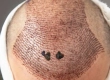
- Day 4 - 10: Crust Stage ➡️ Micro-scabs form around grafts and gradually flake off during washings.
- Week 2 - 4: Anchor Stage ➡️ Hair follicles lock into the deeper dermal layer of the scalp tissue.
- Month 1 - 3: Shedding Stage ➡️ Transient hair shaft loss occurs while roots remain securely anchored.
- Month 4 - 6: Activation Stage ➡️ Fresh, healthy hair fibers begin to emerge from the surface.
- Month 12+: Final Density Stage ➡️ Mature hair thickness, natural texture, and length are fully realized.
What to Do After Hair Transplant Surgery on the First Critical Days?
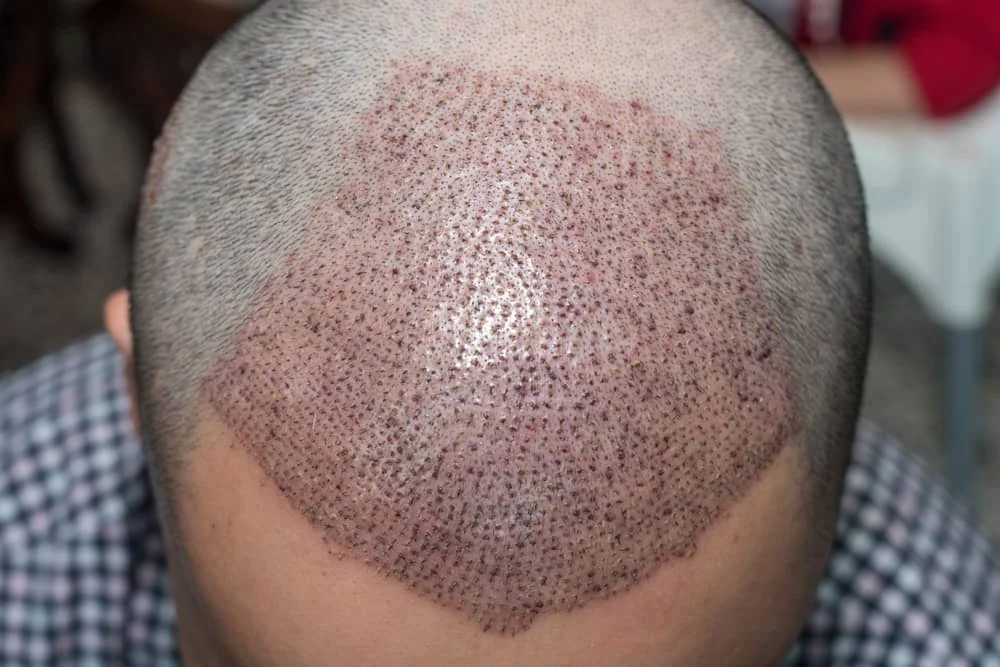
Navigating the early post-operative period can feel overwhelming without clear clinical direction. Knowing exactly what to do after hair transplant surgery during the initial 48 hours prevents accidental displacement of the fragile grafts.
What Happens the Day After Hair Transplant Surgery?
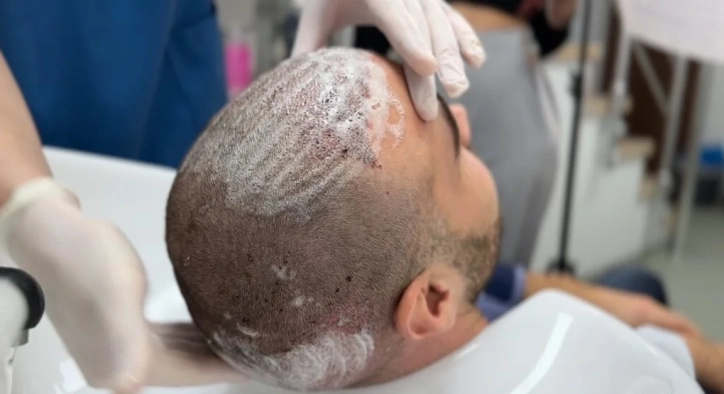
The day after hair transplant surgery is focused entirely on stabilization and protection. You will return to Stamboul Clinic for your initial post-op checkup, where our medical team will gently remove your donor dressing, sanitize the extraction zone, and evaluate the placement of the recipient area. It is entirely normal to notice clear fluid or tiny pink spots on your pillowcase from the local anesthetic drainage. Do not touch, scratch, or wipe the recipient area under any circumstances.
What is the Correct After Hair Transplant Sleeping Position?
To prevent mechanical friction and reduce localized tissue swelling, your after hair transplant sleeping position must be strictly managed for the first 7 to 10 nights. You must sleep on your back with your head elevated at a 45-degree angle using a supportive travel neck pillow or multiple firm bed pillows. This elevation prevents your face and scalp from pressing directly into the bedding, protecting the fragile hair grafts from accidental friction or displacement.
What to Eat After Hair Transplant Surgery to Boost Cellular Repair?
Your dietary choices during recovery have a direct impact on how quickly your skin tissue repairs itself and how well the new grafts establish a healthy blood supply. Knowing what to eat after hair transplant surgery ensures your body has a steady supply of vitamins and minerals to support cellular regeneration.
- Protein-Rich Building Blocks: Consuming high-quality proteins such as eggs, lean chicken, fish, and legumes provides the amino acids needed to build new skin tissue and strengthen keratin structures.
- Essential Minerals for Growth: Incorporate zinc-rich foods like pumpkin seeds, spinach, and whole grains into your meals to support optimal cellular repair and reduce inflammation.
- Antioxidant Support: Load your plate with berries, citrus fruits, and dark leafy greens. Vitamin C is a powerful antioxidant that aids in collagen synthesis, which is vital for healing the micro-incisions across your scalp.
- Hydration Metrics: Drink at least 2 to 3 liters of water daily to help flush out residual medications and maintain healthy cellular hydration throughout the recovery process.
What Are the Common After Hair Transplant Side Effects?
As your scalp heals, it will go through a series of natural physiological changes. Being aware of expected after hair transplant side effects helps you navigate your recovery journey with confidence.
- Localized Tissue Swelling: Swelling across the forehead or around the eyes is a very common reaction to the fluids used during local anesthesia. This effect typically peaks on day 3 and resolves naturally by day 5.
- Mild Scalp Itching: As the micro-scabs begin to dry and the skin tissue repairs itself, a noticeable itching sensation can occur. This is a positive sign of healing, but you must never scratch the area.
- Temporary Numbness: It is normal to experience a temporary loss of sensation or a "tight" feeling across the scalp. This occurs because the micro-punches temporarily disrupt fine nerve endings, which naturally regenerate over the following few months.
What is the Shock Loss Phase One Month After Hair Transplant Surgery?
For many patients, the most surprising phase of the recovery timeline happens around week 3 to week 4. Seeing sudden hair loss can be unsettling, but experiencing shedding after hair transplant surgery is a completely normal part of the process.
When you look at your scalp one month after hair transplant surgery, you may notice that many of the newly placed hair strands are falling out. In clinical hair restoration, this is known as "shock loss" or temporary telogen effluvium. The physical stress of the transplant procedure causes the hair follicles to temporarily enter a resting phase, shedding the old hair shaft.
This is an expected part of the growth cycle the hair shaft falls away, but the live follicle root remains safe and healthy beneath the skin, preparing to produce strong, permanent hair starting around month 4.
What Not to Do After a Hair Transplant? Critical Restrictions
To protect your investment and ensure maximum hair density, knowing What not to do after a hair transplant? is just as important as knowing how to care for your scalp. Avoiding these activities is crucial for preventing graft loss or early infections.
CRITICAL RESTRICTIONS AND THREAT FACTORS:
- [No Direct Scratching]: Never scratch, pick, or rub the micro-scabs (Risk: Permanent graft displacement).
- [No Intense Exercise]: Avoid heavy lifting, intense cardio, or strenuous sports for 14 days (Risk: Pressure-induced bleeding).
- [No Nicotine or Smoking]: Avoid smoking or vaping for at least 2 weeks (Risk: Vasoconstriction limits vital blood flow).
- [No Chemical Exposure]: No hair dyes, harsh gels, or swimming in chlorinated pools for 30 days (Risk: Chemical irritation).
Headwear and Styling Protocols: Wearing Hats After Hair Transplant Surgery
As patients prepare to return to their normal social and professional routines, finding a balance between style and safety is key. A common question during post-op checkups is: When can I start wearing hats after hair transplant surgery?
For the first 10 days, you must avoid wearing any headwear that sits tightly against the scalp, such as baseball caps, beanies, or hard hats. The direct pressure and friction from tight fabrics can displace the fragile hair roots before they have a chance to anchor securely into the dermal tissue. After day 14, once the micro-scabs have washed away and the grafts are stable, you can wear loose-fitting hats for short periods to protect your scalp from direct sunlight.
A similar rule applies to cosmetic hair solutions: can you wear a wig after hair transplant surgery or use hair systems soon after the procedure? The clinical answer is a firm no. A wig blocks essential airflow to the healing skin, traps sweat and bacteria, and applies continuous pressure to the new grafts. Patients must wait at least 4 to 6 weeks before using any hair systems or wigs to prevent compromising the overall success of the treatment.
Comprehensive Post-Operative Framework: Recovery Milestones in 2026
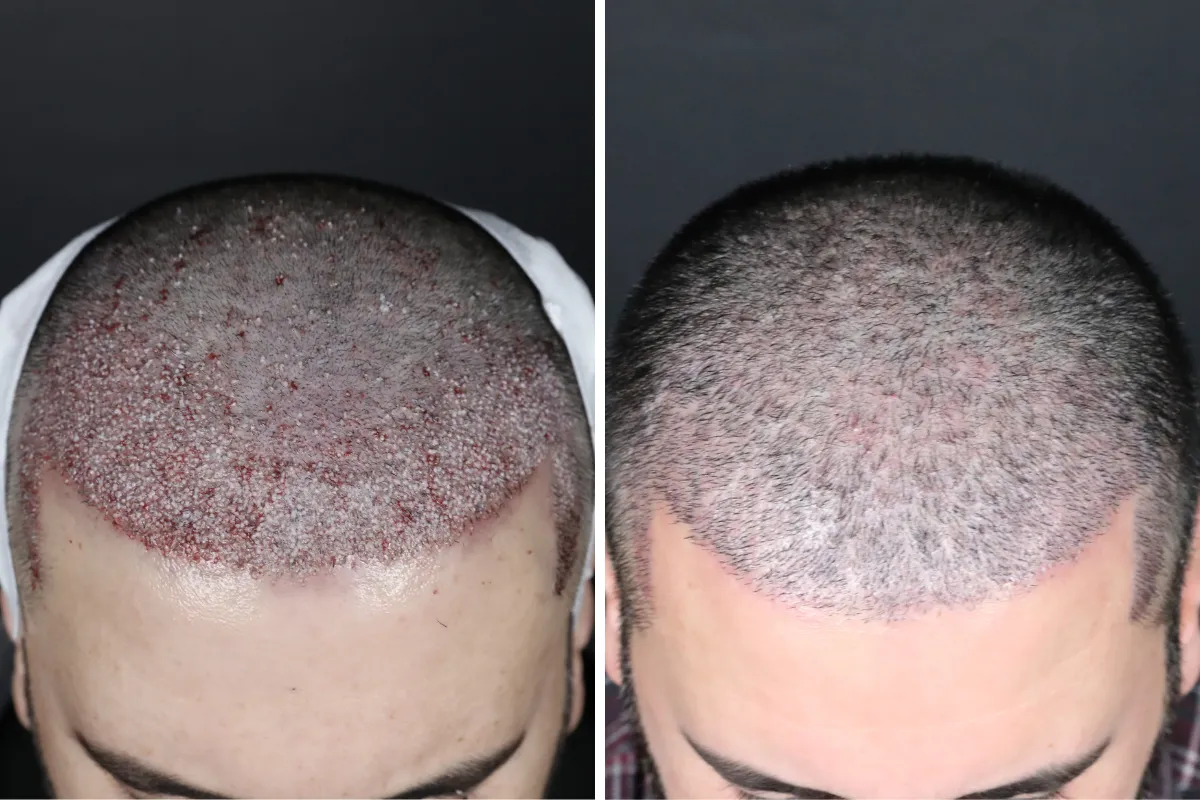
The following table outlines the key recovery milestones and essential care protocols for a smooth healing process after hair restoration surgery:
Timeline Stage | Expected Scalp Appearance | Essential Care Protocols | Activities to Avoid |
Days 1 – 3 | Localized pinkness, mild swelling, tiny blood clots | Sleep elevated at 45°, take prescribed medications, spray saline mist | No touching, no scratching, no alcohol, no smoking |
Days 4 – 10 | Formation of micro-scabs, resolving inflammation | Begin gentle foaming shampoo washes, lightly pat dry with a paper towel | No direct shower pressure, no picking scabs, no tight hats |
Days 11 – 14 | Micro-scabs flake away, scalp looks clean and clear | Return to light standard hair washing, continue moisturizing the scalp | No heavy lifting, no intense cardio, no swimming |
Weeks 3 – 8 | Hair strands shed (Shock Loss), scalp may look thin | Maintain a healthy diet, use mild shampoos, protect from direct sun | No hair dyes, no wigs, no harsh styling gels |
Months 4 – 6 | Fresh, fine hair growth begins to emerge | Continue regular checkups, support growth with recommended therapies | Avoid sun damage, avoid unapproved chemical products |
Frequently Asked Questions (FAQ)
How long does it take to recover after hair transplant surgery?
Initial tissue healing takes about 10 to 14 days, during which the micro-scabs wash away naturally. The complete deep recovery process for the hair follicles to anchor and produce permanent growth spans 12 months.
What not to do after a hair transplant?
Never scratch or pick at the healing scabs, avoid strenuous exercise for 2 weeks, do not smoke or consume alcohol during early recovery, avoid direct sun exposure, and do not use tight hats or wigs.
Can I sleep normally after a hair transplant?
No, you must sleep on your back with your head elevated at a 45-degree angle for the first 7 to 10 nights using a travel neck pillow to prevent your scalp from rubbing against the bedding.
When does the shedding phase start after a hair transplant?
The shedding phase, or shock loss, typically begins between week 3 and week 4. This is a normal part of the growth cycle where the hair shafts fall out while the healthy follicle roots remain safe beneath the skin.
When can I wear a standard baseball cap after surgery?
You can safely wear a loose-fitting hat or cap around day 14, once the micro-scabs have fully cleared and the placed hair follicles are securely anchored into the scalp tissue.
Über den Autor