If you have ever wondered, “Why is my Gum Sensitive?” you are far from alone. Many people notice Gum Sensitive symptoms at some point in their lives, ranging from mild discomfort while brushing to a sharp reaction when eating hot or cold foods. While Gum Sensitive tissues may feel alarming, this experience is often connected to several biological and lifestyle factors that influence oral health.
Gums are living tissues filled with blood vessels and nerve endings. Because of this complex structure, Gum Sensitive areas can react to physical pressure, bacterial activity, inflammation, or even dietary habits. Understanding why gums become sensitive is an important step toward recognizing changes in oral health. Clinics such as Stamboul Clinic frequently emphasize the importance of understanding these signals, as they often reflect deeper processes occurring in the mouth.
Table of Content
- What Does Gum Sensitive Actually Mean?
- Common Causes Behind Gum Sensitive Conditions
- Gum Sensitive and Gum Recession
- The Role of Oral Bacteria in Gum Sensitive Issues
- Lifestyle Factors That May Influence Gum Sensitive Reactions
- Can Toothbrushing Technique Cause Gum Sensitive Problems?
- Gum Sensitive Symptoms and Temperature Sensitivity
- How Dental Clinics Evaluate Gum Sensitive Conditions
- Scientific Research on Gum Sensitive Tissue
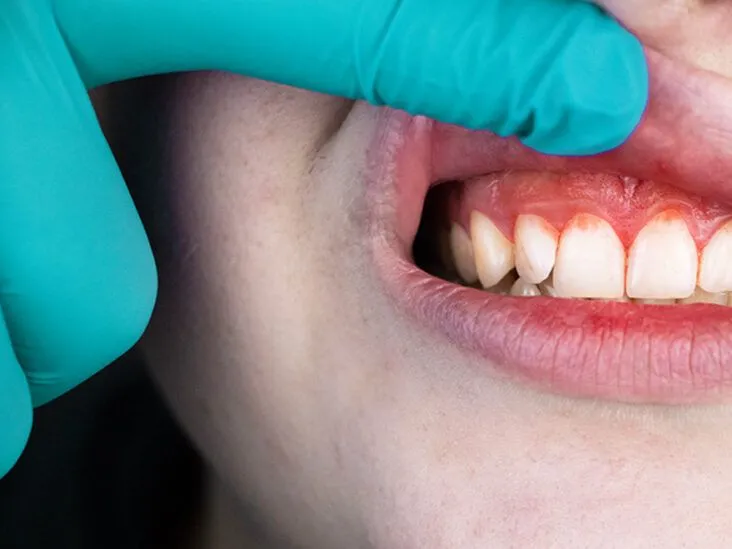
What Does Gum Sensitive Actually Mean?
The phrase Gum Sensitive typically describes a condition where gum tissues react strongly to stimuli. This sensitivity can appear as tenderness, slight pain, tingling, or irritation during everyday oral activities.
Gums are part of the periodontium, the system that supports teeth. When Gum Sensitive symptoms occur, the reaction often originates from exposed nerve endings near the tooth root or from inflamed gum tissue. These responses are not necessarily signs of a severe condition, but they do indicate that the gum environment has changed.
Several physiological processes may contribute to Gum Sensitive tissues:
- Inflammation of gum tissue
- Exposure of dentin near the gumline
- Irritation from oral bacteria
- Mechanical stress during brushing
Because gums act as a protective barrier around teeth, any disturbance in their structure can make them more reactive.
Common Causes Behind Gum Sensitive Conditions
Many factors may explain why someone experiences Gum Sensitive symptoms. Oral health researchers often describe gum sensitivity as a multifactorial condition, meaning several elements may interact simultaneously.
Below is a simplified overview of commonly discussed contributors:
Factor | Description | Potential Effect |
Aggressive brushing | Using hard bristles or excessive force | Gum irritation and sensitivity |
Plaque accumulation | Bacterial biofilm around teeth | Inflammation and tenderness |
Gum recession | Gum tissue gradually pulling away from teeth | Exposed tooth roots |
Hormonal changes | Fluctuations during puberty or pregnancy | Increased gum reactivity |
Diet | Acidic or sugary foods | Irritated gum tissue |
When these elements combine, Gum Sensitive areas may appear more frequently or become more noticeable.
Dental researchers often note that sensitivity is rarely caused by a single issue. Instead, the condition may reflect the overall balance between oral hygiene, lifestyle, and biological susceptibility.
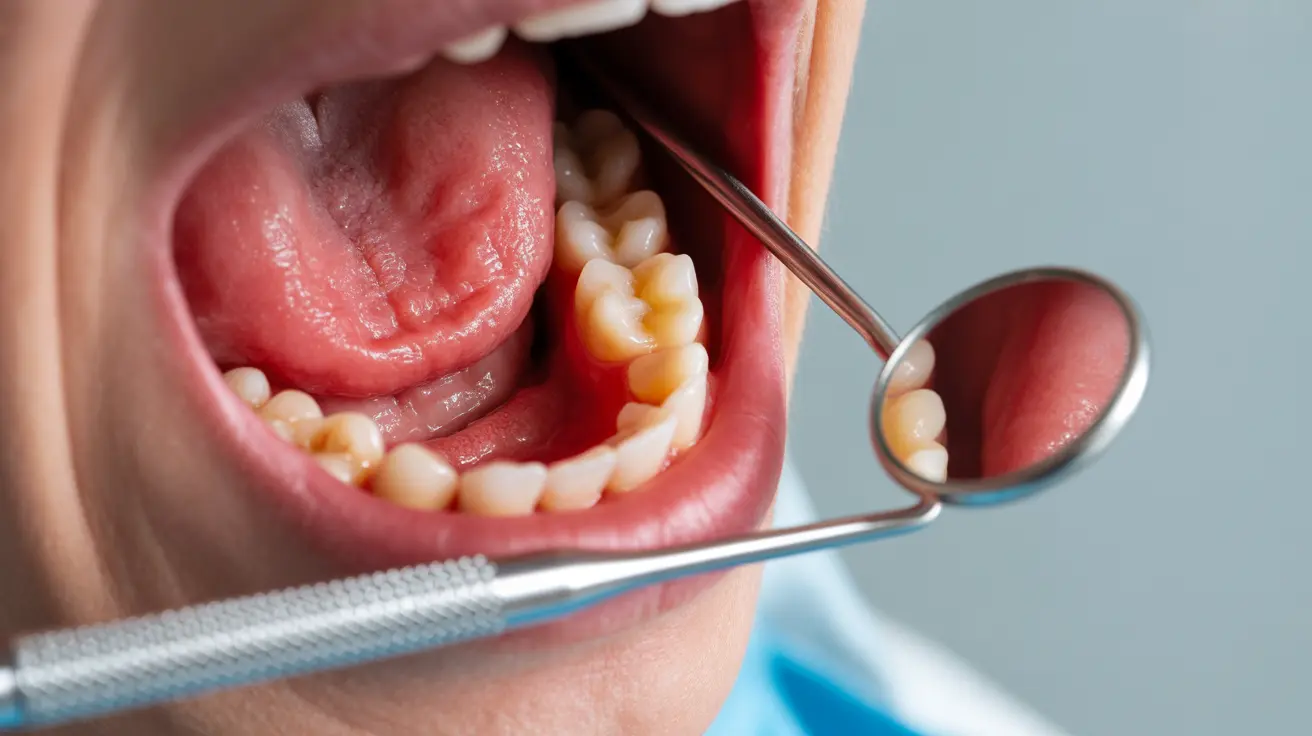
Gum Sensitive and Gum Recession
One of the most widely discussed explanations for Gum Sensitive symptoms is gum recession. This occurs when gum tissue slowly pulls back from the tooth surface, exposing the root.
Unlike the visible enamel of teeth, roots are covered by dentin, which contains microscopic channels leading to nerves. When gum recession occurs, Gum Sensitive reactions can become more noticeable, especially when consuming hot, cold, or sweet foods.
Researchers studying periodontal tissues have observed that recession may develop due to several reasons:
- Mechanical stress from brushing
- Natural aging of gum tissues
- Genetic predisposition
- Orthodontic movement of teeth
Although gum recession does not always lead to pain, it often increases the likelihood of experiencing Gum Sensitive sensations.
The Role of Oral Bacteria in Gum Sensitive Issues
The human mouth contains hundreds of bacterial species. Most are harmless, but some can irritate gum tissue when plaque accumulates along the gumline.
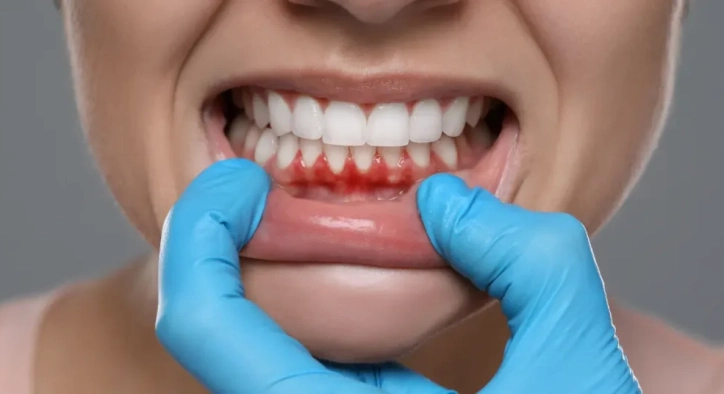
When bacteria multiply in these areas, they can trigger inflammatory responses in the gums. Inflammation may cause redness, swelling, and the familiar feeling of Gum Sensitive tissue.
Scientists studying periodontal microbiology describe this process in three stages:
- Plaque buildup along the gumline
- Immune response from the body
- Inflammatory reaction in gum tissues
During this process, Gum Sensitive symptoms may develop as the immune system interacts with bacteria.
Interestingly, not everyone responds to plaque in the same way. Genetic factors, saliva composition, and immune activity all influence how sensitive gums become.
Lifestyle Factors That May Influence Gum Sensitive Reactions
Beyond oral hygiene, daily habits can influence whether someone experiences Gum Sensitive symptoms.
Certain lifestyle patterns appear frequently in dental research discussions regarding gum sensitivity.
Dietary patterns
Acidic foods such as citrus fruits or carbonated drinks may temporarily affect gum tissues. These substances can soften enamel and irritate exposed root surfaces, increasing the feeling of Gum Sensitive areas.
Smoking and tobacco
Tobacco exposure is often associated with changes in gum circulation. Reduced blood flow may influence how gums respond to irritation, potentially contributing to Gum Sensitive symptoms.
Stress and immune response
Some oral health researchers have explored connections between stress and gum health. Stress may alter immune function, which could indirectly influence Gum Sensitive reactions.
Although these connections continue to be studied, they highlight the complex relationship between lifestyle and oral tissues.
Can Toothbrushing Technique Cause Gum Sensitive Problems?
Brushing teeth is essential for oral hygiene, yet technique matters. A surprisingly common reason for Gum Sensitive gums involves brushing with excessive pressure.
Dental professionals frequently observe small abrasions near the gumline caused by stiff toothbrush bristles or horizontal scrubbing movements. Over time, this can lead to irritation or minor gum recession, increasing Gum Sensitive reactions.
Research into dental abrasion patterns shows that people often apply more force than necessary while brushing. Modern toothbrush design has even evolved to address this issue, with softer bristles and ergonomic handles intended to reduce pressure.
Understanding brushing mechanics provides insight into why Gum Sensitive symptoms may appear even in individuals who maintain good oral hygiene.
Gum Sensitive Symptoms and Temperature Sensitivity
A common complaint related to Gum Sensitive conditions is heightened sensitivity to temperature. Drinking cold water or hot beverages may trigger short, sharp sensations.
This response is often linked to exposed dentin. Dentin contains microscopic tubules that allow stimuli to reach nerve endings. When gum tissue recedes or becomes inflamed, these pathways may become more reactive.
Dental researchers studying dentin sensitivity note that Gum Sensitive reactions may vary widely between individuals. Some people notice only occasional discomfort, while others report frequent temperature sensitivity.
Interestingly, sensitivity may fluctuate over time depending on oral conditions, diet, and environmental factors.
How Dental Clinics Evaluate Gum Sensitive Conditions
When someone reports Gum Sensitive symptoms, dental professionals typically examine several aspects of oral health.
An evaluation may involve observing:
- Gum color and texture
- Signs of inflammation
- Plaque levels around teeth
- Gum recession patterns
- Tooth root exposure
By analyzing these elements, clinicians attempt to understand what might be contributing to Gum Sensitive tissues.
At facilities such as Stamboul Clinic, dentists often consider a combination of clinical observation and patient history when assessing gum sensitivity. This comprehensive approach helps identify patterns that might otherwise be overlooked.
Scientific Research on Gum Sensitive Tissue
Studies on gum sensitivity continue to evolve within periodontal research. Scientists are exploring how microbiology, immune responses, and genetics interact in the development of Gum Sensitive conditions.
Several areas of investigation currently attract attention:
- Microbiome diversity in the mouth
- Genetic susceptibility to gum inflammation
- Regenerative therapies for gum tissue
- Biomarkers related to gum disease progression
These research directions aim to improve understanding of how Gum Sensitive tissues develop and how they might be better managed in the future.
The field of periodontal science suggests that gum sensitivity is not simply a minor annoyance but part of a broader biological system that reflects oral health.
Experiencing Gum Sensitive symptoms can raise many questions about oral health. Because gums play a critical role in protecting teeth and supporting the entire dental structure, even subtle changes in sensitivity may feel noticeable.
Several factors may contribute to Gum Sensitive conditions, including bacterial activity, gum recession, brushing habits, diet, and individual biological responses. These influences often interact in complex ways rather than appearing as a single isolated cause.
Understanding the mechanisms behind Gum Sensitive tissues provides valuable insight into how the mouth functions. While sensitivity is common, it can also serve as an informative signal about changes occurring in the gum environment.
Dental research continues to expand our knowledge of gum biology, offering deeper perspectives on why Gum Sensitive reactions occur and how oral health evolves over time.
Clinics such as Stamboul Clinic encourage awareness of these signals, as paying attention to gum health can play an important role in maintaining long term dental wellbeing.
Über den Autor