When we discuss a "perfect smile," the focus usually lands on the whiteness and alignment of the teeth. However, dental professionals understand that gum health is the true silent partner in oral aesthetics. Your gingival tissue serves as the biological seal that protects the roots of your teeth and the jawbone from bacterial invasion. Without healthy gums, even the most expensive veneers or implants are at risk of failure.
Whether you are curious about how to improve gum health or dealing with more complex issues, understanding the mechanisms of periodontal disease is the first step toward a healthier life.
Table of Content
Recognizing the Signs of Gum Disease
Early detection is the most effective tool in any medical field, and periodontics is no exception. Many patients ask, "What are signs of bad gum health?" The indicators are often subtle at first but become progressively more apparent as the condition moves from gingivitis vs. periodontitis.
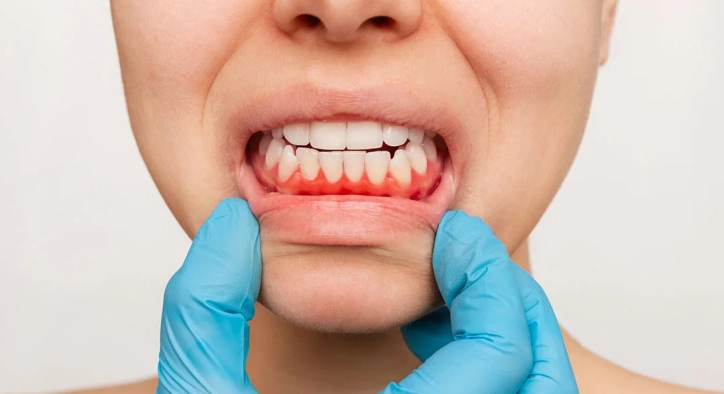
Gingivitis is the earliest stage of inflammation, often characterized by redness and mild swelling. If left untreated, it can evolve into periodontitis, where the inner layer of the gum and bone pull away from the teeth to form pockets.
Common gum disease symptoms include:
- Persistent bad breath (halitosis) that does not go away with brushing.
- Gums that appear bright red, dusky red, or purplish.
- New spaces developing between your teeth.
- A change in the way your teeth fit together when you bite.
- Receding gums that make your teeth look longer than usual.
A question we frequently hear is: "Why do my gums bleed when I brush?" Bleeding is rarely normal; it is usually a sign that bacteria have irritated the tissue enough to cause a breakdown in the vascular walls. This is your body’s alarm system, signaling that you need to improve gum health through better cleaning or professional intervention.
How Gum Health Impacts Your Overall Body
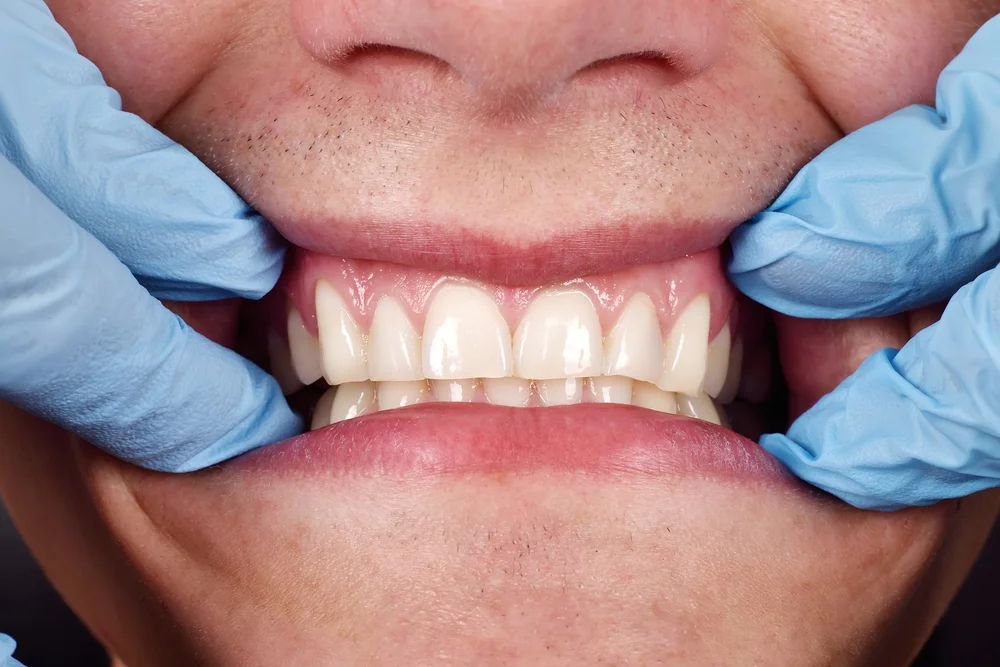
The mouth is the gateway to the body, and the state of your gingival tissue has profound implications for your systemic wellness. Medical research increasingly points to a strong connection between poor gum health and various chronic conditions. This is because the bacteria responsible for gum disease can enter the bloodstream through inflamed tissue, triggering a systemic inflammatory response.
Maintaining healthy gums can have a positive impact on:
- Cardiovascular Health: Chronic inflammation in the mouth is linked to an increased risk of heart disease and stroke.
- Diabetes Management: Gum disease can make it harder for the body to control blood sugar levels, creating a dangerous cycle for diabetic patients.
- Pregnancy Outcomes: Periodontal health is associated with a lower risk of preterm birth and low birth weight.
- Cognitive Function: Some studies suggest that the bacteria found in periodontal pockets may be linked to the progression of Alzheimer’s disease.
To improve gum health quickly, one must look beyond the toothbrush. Incorporating specific vitamins for gum health, such as Vitamin C for collagen production and Vitamin D for bone density, can bolster your body's natural defenses against these systemic threats.
Modern Treatments for Gum Recession
If you notice your teeth looking "longer," you are likely experiencing recession. Many patients wonder, "How to fix receding gums without surgery?" In the early stages, recession can often be managed through non-surgical periodontics. This involves specialized techniques like deep cleaning (scaling and root planing), which removes the calcified plaque—or biofilm—from beneath the gum line, allowing the tissue to reattach to the tooth.
However, for more advanced recession, periodontal regeneration may be necessary. At Stamboul, we utilize several advanced methods:
- Gum Grafting: Transferring a small amount of tissue to the affected area to cover exposed roots.
- Pinhole Surgical Technique: A minimally invasive way to "stretch" existing gum tissue over the recession area without traditional sutures.
- Growth Factors: Using protein-rich concentrates to stimulate the body’s own healing mechanisms.
Can gum disease be reversed? If caught in the stage of gingivitis, yes. Once it progresses to periodontitis and bone loss occurs, the goal shifts from "reversing" to "managing and regenerating."
The Role of Technology: Laser Therapy
The evolution of dental technology has made the quest for “How can I get my gums healthier?” much less intimidating. One of the most significant breakthroughs is laser gum therapy. Traditional gum surgery often involved scalpels and sutures, leading to longer recovery times. In contrast, dental lasers can target infected tissue with extreme precision while leaving healthy tissue untouched.
The benefits of laser intervention include:
- Reduced Discomfort: Most patients require little to no anesthesia.
- Minimal Bleeding: The laser cauterizes the tissue as it works, promoting faster clotting.
- Biofilm Management: Lasers are incredibly effective at sterilizing the periodontal pockets, killing bacteria that manual tools might miss.
- Faster Healing: Because the treatment is less traumatic to the tissue, the body recovers much more rapidly.
This high-tech approach is part of our commitment to providing a stress-free experience for our international patients. By integrating laser technology into our non-surgical periodontics protocols, we can achieve superior results with far less downtime.
Maintaining Your "Pink Aesthetic" at Home
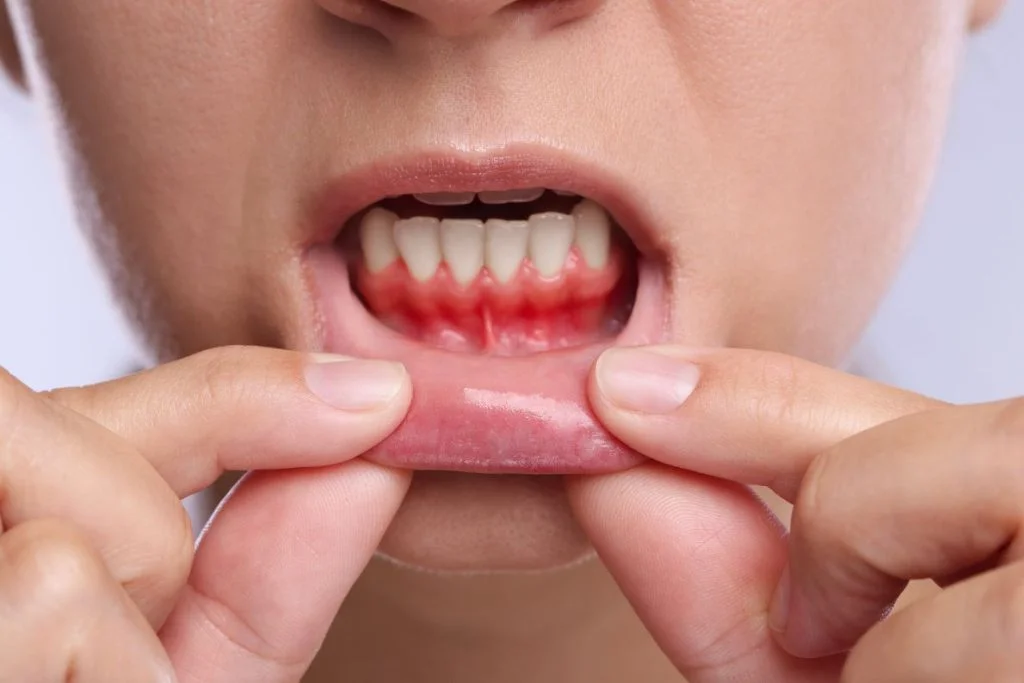
While professional care is vital, the daily maintenance of your gum health happens in your own bathroom. Patients often ask, "How do I repair my gums naturally?" While you cannot grow back bone naturally, you can stop the progression of damage by perfecting your daily routine.
To truly improve gum health, consider these essential gum health products:
- Gum Health Toothpaste: Look for formulas containing stannous fluoride, which specifically targets plaque bacteria along the gum line.
- Gum Health Mouthwash: Alcohol-free rinses help maintain moisture in the mouth while providing an antibacterial barrier.
- Interdental Brushes: Often more effective than traditional floss, these brushes get into the "nooks and crannies" where biofilm hides.
- Water Flossers: Excellent for those with bridges or implants to flush out debris from under the "Pink Aesthetic" architecture.
Consistency is more important than intensity. Brushing too hard can actually lead to recession. Instead, focus on gentle, circular motions at a 45-degree angle to the gum line. This ensures you are cleaning the "pocket" area without traumatizing the soft tissue.
FAQ
Can gum disease cause tooth loss?
Yes. Advanced gum disease (periodontitis) destroys the bone and connective tissues that hold teeth in place, eventually causing them to loosen and fall out.
Is laser gum treatment better than traditional surgery?
Often, yes. Laser therapy is minimally invasive, causes less pain and bleeding, and typically requires a much shorter recovery time than traditional scalpel-and-suture surgery.
How long does it take to heal from a gum graft?
Usually 1 to 2 weeks. While the initial surface healing happens quickly, it can take several weeks for the tissue to fully integrate and mature at the surgical site.
Why are healthy gums important for dental implants?
For stability. Healthy gums provide a protective seal against bacteria; without them, infection (peri-implantitis) can occur, leading to bone loss and implant failure.
What does healthy gum tissue look like?
Firm and pink. Healthy gums should be pale pink (though color varies by ethnicity), fit snugly around the teeth, and never bleed during brushing or flossing.
Über den Autor