Choosing to replace a missing tooth is a significant decision for both your oral health and your self-confidence. Among the various options available in modern restorative dentistry, the dental implant stands out for its durability and natural feel. However, for many patients at Stamboul, the most pressing question before proceeding is about the implant lifespan. How many years can you truly expect this investment to stay functional and aesthetic?
An implant is not just a "fake tooth"; it is a sophisticated piece of medical engineering that integrates with your living bone tissue. Because of this biological connection, the lifespan of implants is significantly longer than that of traditional bridges or dentures. In this guide, we will explore the science behind long-lasting dental implants, the variables that influence their durability, and what you can do to ensure your new smile lasts a lifetime.
Table of Content
What is the Average Implant Lifespan?
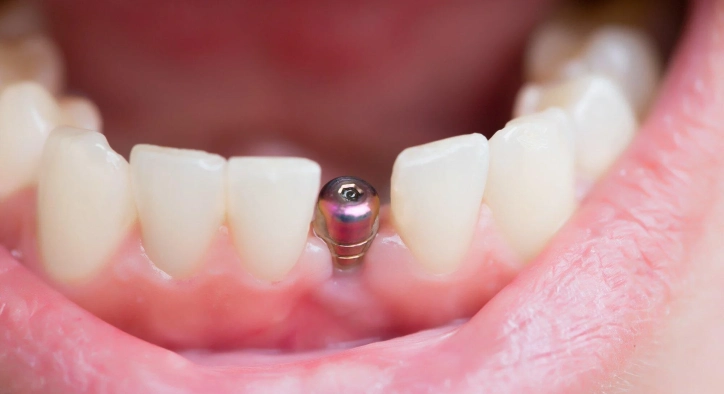
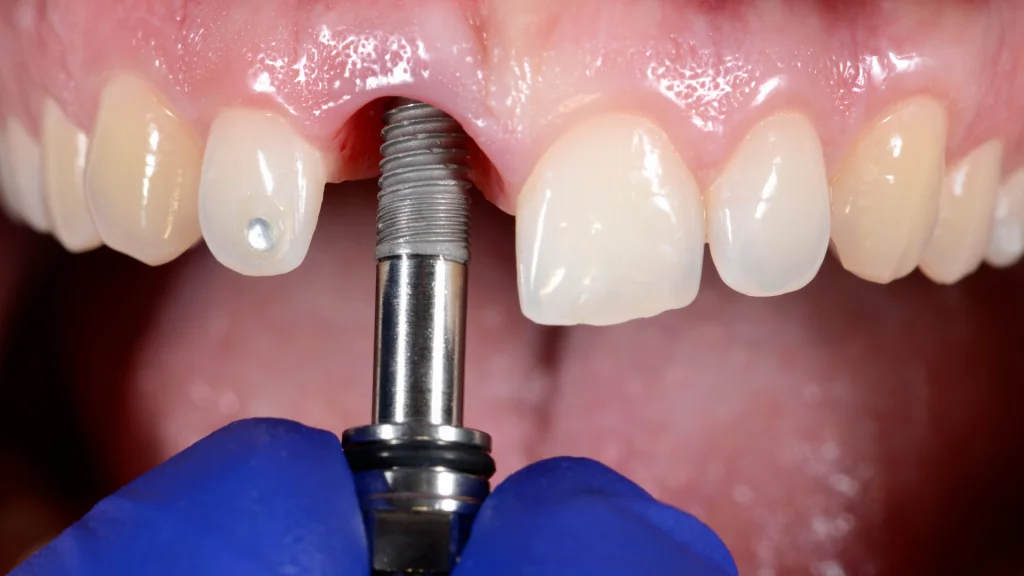
When discussing the average lifespan of dental implants, we must distinguish between the two main components: the implant post (the screw) and the restoration (the crown). The post is surgically placed into the jawbone, where it undergoes a process called osseointegration. If this process is successful, the post is intended to be permanent.
Most clinical studies indicate that the dental implant lifespan for the post itself is 25 years to a lifetime. In contrast, the crown is subjected to constant friction and pressure. Consequently, a crown may need replacement every 10 to 15 years, similar to how a natural tooth might eventually need a filling or a cap.
Success Rates Over Time
Data regarding the dental implant success rate is incredibly encouraging for long-term planning:
- After 10 Years: The success rate typically remains above 95% for healthy patients.
- After 30 Years: While fewer long-term studies exist, the dental implant success rate after 30 years remains remarkably high, often hovering around 80-90% for those with excellent hygiene.
- The 50-Year Mark: Do dental implants last 50 years? Some of the very first patients treated in the 1960s and 70s kept their implants for over four decades. While 50 years is a high bar, it is biologically possible with modern materials and surgical precision.
Factors That Affect Your Implant Lifespan
The question of "how many years does an implant last?" does not have a single answer because several individual variables come into play. Whether you are receiving a single unit or a full-mouth restoration, the environment in the mouth determines longevity.
1. Surgical Precision and Material Choice
The foundation of a long implant lifespan is laid during the surgery. This is why we emphasize the importance of choosing an experienced clinic. The debate between titanium vs. zirconia longevity is also relevant here. Titanium has a longer track record of clinical success, while Zirconia offers excellent biocompatibility and aesthetic benefits for patients with thin gum tissues. Both materials are highly resistant to corrosion and decay.
2. Systemic Health and Bone Quality
For the implant to be successful, the jawbone must be strong enough to support it. Conditions like osteoporosis or uncontrolled diabetes can interfere with healing. Patients often ask, "how long do dental implants take to heal?" Generally, the osseointegration phase takes 3 to 6 months. If the bone does not bond correctly during this time, the lifespan of implants could be cut short before they even receive a crown.
3. Lifestyle Habits (The Smoking Factor)
Smoking is perhaps the single greatest threat to the dental implants lifespan. Nicotine constricts blood vessels, slowing down the healing process and increasing the risk of infection. Smokers often face a significantly lower dental implant success rate compared to non-smokers.
4. All-on-6 and Full-Arch Considerations
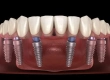
If you are replacing a full arch, specific factors affect the lifespan of all on 6 implants. Because these systems distribute the bite force across six points, they are incredibly stable. However, if one implant fails due to poor hygiene or excessive force (such as teeth grinding), it can jeopardize the entire prosthetic.
How to Extend Your Implant Lifespan at Home
To improve the dental implant success rate in your own mouth, a meticulous routine is essential.
- Interdental Cleaning: Implants cannot get cavities, but the gums around them can get infected. Use water flossers or interdental brushes to remove biofilm from the "neck" of the implant.
- Non-Abrasive Toothpaste: Use a paste that won't scratch the surface of your porcelain crown or the titanium abutment.
- Avoid Excessive Force: Do not use your implants as tools to open packages or bite into extremely hard objects like ice. If you grind your teeth at night (bruksizm), a custom night guard is a mandatory investment to protect your implant lifespan.
- Regular Professional Cleanings: Even with great home care, professional "scaling" by a hygienist specialized in implants is necessary once or twice a year.
Signs That Your Implant Lifespan is at Risk
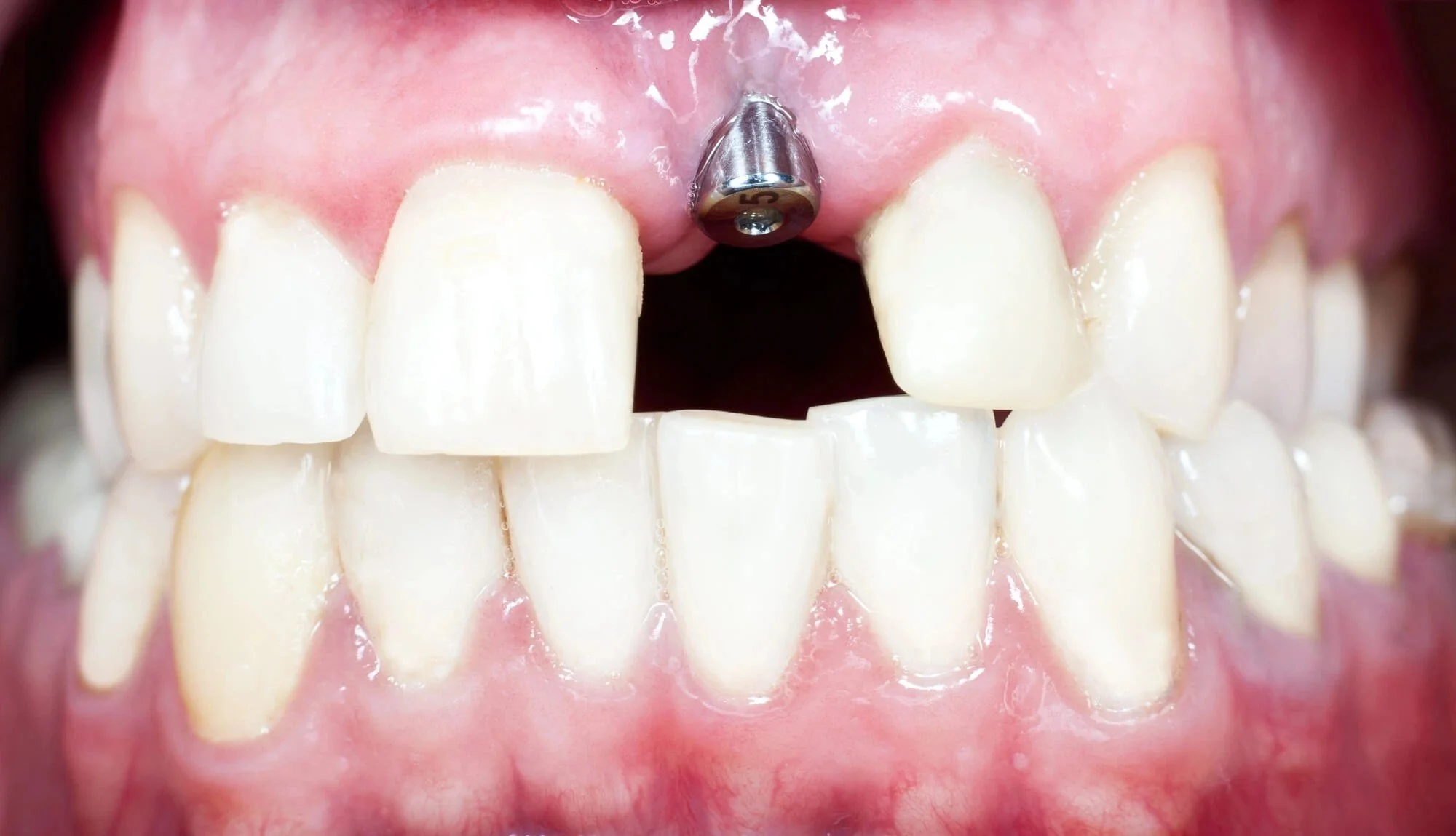
Recognizing implant failure symptoms early can mean the difference between a simple adjustment and losing the implant entirely. If you experience any of the following, you should contact your dentist immediately:
- Movement or Looseness: An implant should feel as solid as a natural tooth. Any "wiggle" is a sign of a problem.
- Persistent Pain or Swelling: While some soreness is normal immediately after surgery, late-stage pain usually indicates an infection called peri-implantitis.
- Difficulty Chewing: If the implant feels uncomfortable when you apply pressure, the bite balance might be off.
- Gum Recession: If the metal part of the implant starts to show through the gum, it could indicate bone loss around the screw.
What happens after 25 years of dental implant? In many cases, nothing. If the bone is healthy and the crown is intact, you simply continue your routine. However, your dentist may suggest replacing the crown to refresh the aesthetics or ensure the fit remains perfect as your jaw naturally changes with age.
FAQ
Can a dental implant last 30 years?
Yes. The dental implant success rate after 30 years is very high for patients who maintain excellent oral hygiene and do not smoke. While you may need to replace the crown, the implant post itself is designed for this kind of longevity.
Do I need to replace the crown or the whole implant?
Usually, only the crown needs replacing. The implant post (the part in the bone) is meant to be permanent. Think of the implant as the foundation of a house and the crown as the roof; the roof may need new shingles every few decades, but the foundation stays.
Does smoking decrease implant lifespan?
It can. Smoking significantly increases the risk of implant failure because it reduces blood flow to the bone and gums, hindering the body’s ability to fight off infections around the implant.
Is the implant lifespan shorter for diabetic patients?
It can be if the diabetes is uncontrolled. High blood sugar levels can slow healing and increase the risk of infection. However, patients with well-managed diabetes can enjoy the same lifespan of implants as anyone else.
How much does it cost to maintain a lifetime implant?
Maintenance is relatively low-cost. It involves the same expenses as natural teeth: a good toothbrush, floss, and bi-annual dental check-ups. Preventing a problem is always cheaper than treating implant failure symptoms.
Über den Autor