The successful integration of a dental restoration does not conclude the moment the surgeon places the titanium post into the jawbone. In clinical implantology, the post-operative window is the most critical phase for establishing structural stability. Managing your oral environment after implant surgery dictates how effectively your jawbone tissue bonds with the bio-compatible fixture a biological process known as osseointegration.
At Stamboul Clinic, we emphasize that meticulous care after implant surgery dramatically accelerates tissue repair and lowers the risk of structural complications. Patients naturally experience various physiological responses during the initial phase of recovery, including changes to the soft tissue, localized inflammation, and mild structural discomfort. This exhaustive guide provides clear medical directions on how to handle gums after implant surgery, what dietary choices preserve your healing tissues, how to mitigate common symptoms like swelling after implant surgery, and the exact hygiene protocols required to protect your smile.
Table of Content
- Soft Tissue Regeneration: Understanding Gum Healing After Implant Surgery
- Managing Physical Post-Op Symptoms: Swelling, Bruising, and Jaw Pain
- Post-Operative Nutrition: What to Eat After Implant Surgery
- Oral Hygiene Maintenance: Brushing and Mouthwash Protocols
- Preventing Infection After Implant Surgery: Early Warning Signs
- Frequently Asked Questions (FAQ)
Soft Tissue Regeneration: Understanding Gum Healing After Implant Surgery
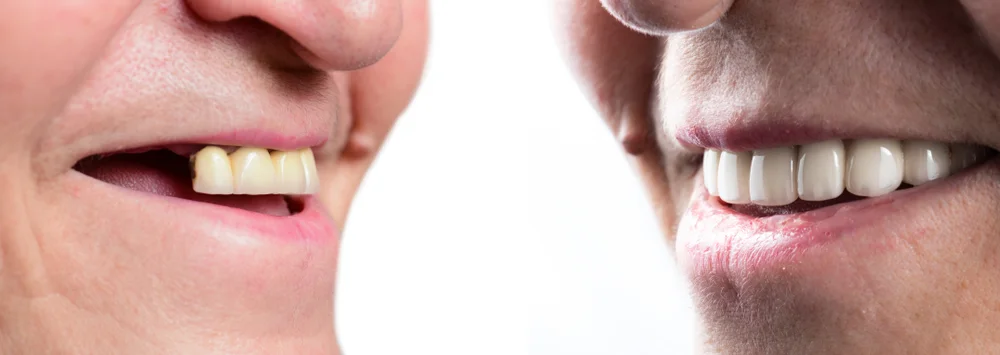
The first biological barrier to heal around your new tooth restoration is the soft mucosal tissue. Navigating gum healing after implant surgery requires patience, as the delicate structural matrix around the healing collar undergoes a multi-stage repair process.
POST-OPERATIVE TISSUE REPAIR TIMELINE:
- Day 1 - 3: Hemostasis & Clot Stabilization ➡️ Fibrin network forms over the surgical incision site.
- Day 4 - 7: Epithelial Proliferation ➡️ New cellular layers bridge the incision boundaries.
- Day 8 - 14: Suture Maturation ➡️ Structural integrity increases; incisions begin closing completely.
- Month 1+: Sulcular Maturation ➡️ Deep tissue fibers align around the implant abutment collar.
During the initial 48 to 72 hours, having sore gums after implant surgery is an entirely normal physiological response to the micro-surgical intervention. The duration of this phase can vary depending on individual healing rates, but when evaluating how long are gums sore after implant surgery, most patients report a significant drop in acute structural tenderness within 5 to 7 days, provided they maintain clean conditions at the site.
Managing Physical Post-Op Symptoms: Swelling, Bruising and Jaw Pain
Micro-surgical placement into the alveolar bone triggers a temporary inflammatory response. Understanding how to differentiate normal healing signs from early complications is crucial for a smooth recovery.
Controlling Post-Surgical Swelling
Localized swelling after implant surgery typically peaks between the second and third post-operative days. This is a natural protective reaction as blood flow increases to deliver healing cells to the jawbone. To minimize this effect, apply a cold compress wrapped in a cloth to the external cheek area for 15 minutes on, followed by 15 minutes off, during the first 24 hours.
Managing Localized Bruising
It is common for patients to notice localized bruising after implant surgery. The skin and underlying soft tissues may change color, turning yellowish or slightly purple near the treated zone. This cosmetic discoloration is harmless and typically fades completely within a week as the body reabsorbs microscopic blood remnants.
Understanding Structural Jaw Pain
Experiencing mild jaw pain after implant surgery is normal because the jawbone and surrounding muscles remain open and adapted during the surgical placement. This dull ache is easily managed with prescribed anti-inflammatory medications or over-the-counter protocols like Ibuprofen, and it should resolve completely as the tissue heals.
Post-Operative Nutrition: What to Eat After Implant Surgery?
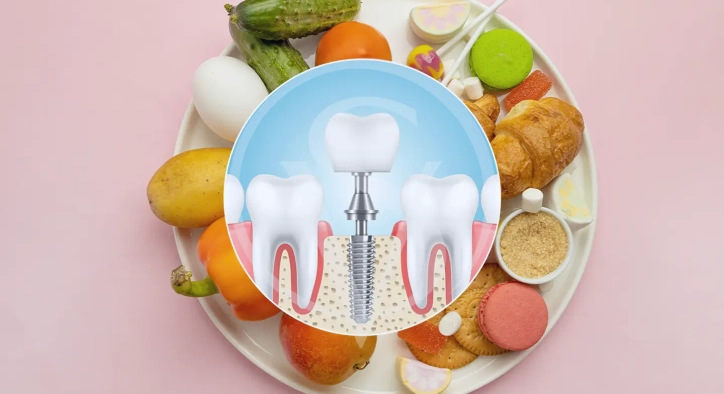
Your nutritional choices during recovery play a vital role in preventing mechanical trauma to the surgical site and ensuring your body has the raw building blocks needed for bone synthesis. Knowing what to eat after implant surgery prevents the breakdown of early blood clots and shields the delicate incision lines.
NUTRITIONAL GUIDELINES AND DIETARY CHOICE MATRIX:
- [Phase 1: Day 1 - 3] Liquid Comfort ➡️ Cold soups, smooth fruit smoothies (no seeds), bone broths, yogurt.
- [Phase 2: Day 4 - 14] Soft Foods ➡️ Mashed potatoes, scrambled eggs, well-cooked pasta, soft avocados.
- [Phase 3: Weeks 3+] Gradual Return ➡️ Slowly reintroducing standard textures; avoiding hard or crunchy items directly on the implant.
When stocking your kitchen with foods to eat after implant surgery, remember that temperature matters just as much as texture. For the first 48 hours, avoid hot liquids and piping hot meals entirely. Elevated temperatures can induce localized vasodilation, which may trigger secondary bleeding at the incision site.
Never use a straw when consuming liquids after implant surgery. The negative pressure created inside the oral cavity by suction can dislodge the stabilizing blood clot, delaying healing and exposing the bone to potential complications.
Oral Hygiene Maintenance: Brushing and Mouthwash Protocols
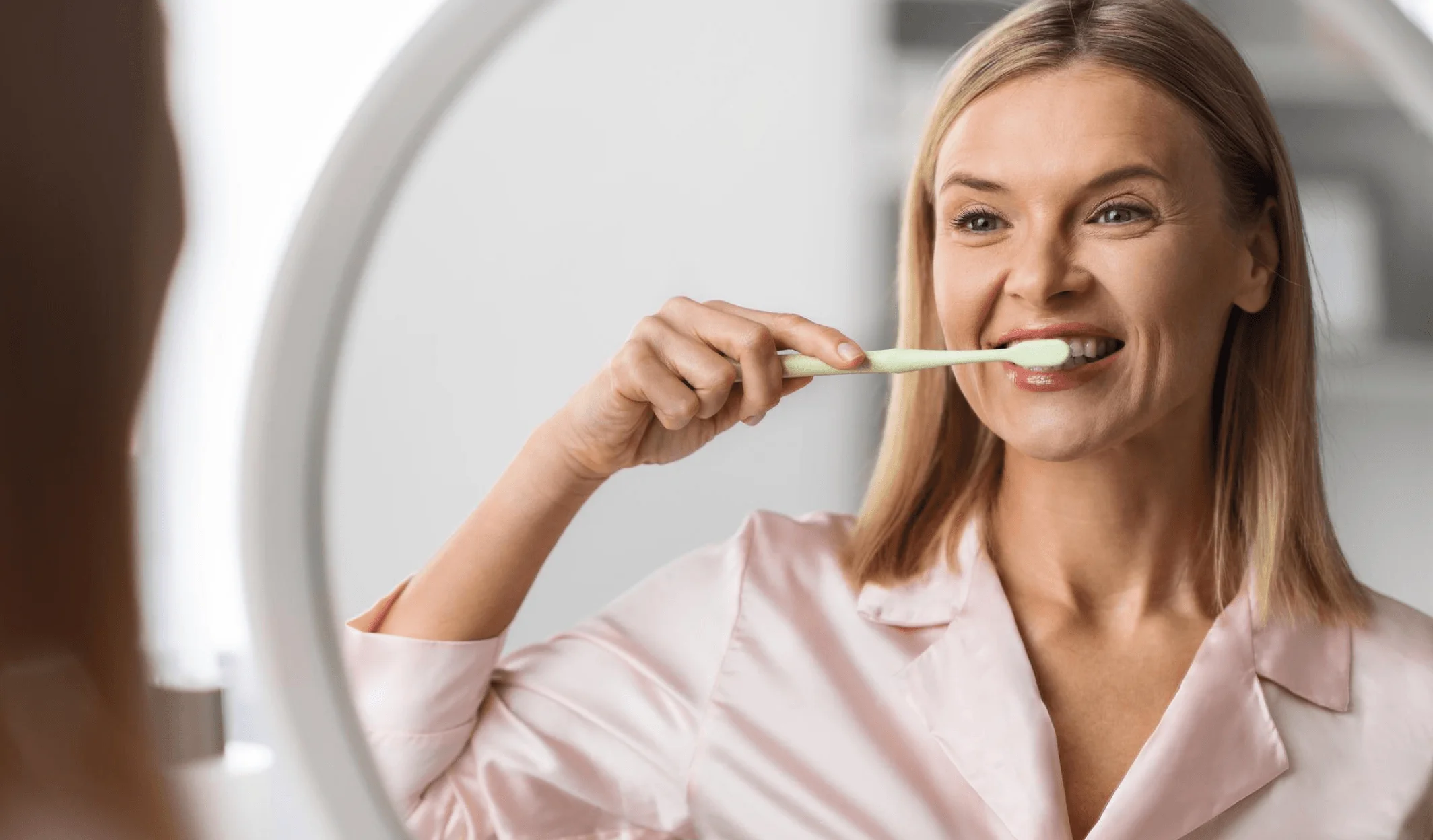
Maintaining excellent oral cleanliness is the single most effective way to prevent harmful bacteria from compromising your healing tissues. However, mechanical friction must be carefully managed near the surgical site.
Can I Brush My Teeth After Implant Surgery?
Yes, you absolutely must maintain oral cleanliness, but with a highly targeted approach. When addressing the question, can i brush my teeth after implant surgery, the rule is simple: brush your natural teeth normally using a soft-bristled brush, but avoid touching the surgical incision site or the temporary healing abutment directly for the first 4 to 5 days. Allow the delicate sutures to stabilize without mechanical disruption.
Selecting the Right Mouthwash After Implant Surgery
Avoid using strong, over-the-counter commercial mouthwashes that contain high amounts of alcohol, as they can dry out and irritate healing tissues. Instead, use a specialized mouthwash after implant surgery prescribed by your surgeon starting 24 hours after the procedure. Gently bathe the area without aggressive swishing or spitting; let the liquid pool over the site and cascade out naturally into the sink.
Preventing Infection After Implant Surgery: Early Warning Signs
The deep integration of your titanium post depends on a sterile surgical environment. While rare due to advanced modern surgical protocols, an early bacterial infection after implant surgery can cause structural bone loss if left unmanaged.
CLINICAL DIFFERENTIATION MATRIX:
- [Normal Post-Op Signs]: Diminishing swelling, manageable dull ache, slight pink-tinged saliva.
- [Early Infection Signs]: Throbbing pain that spikes after Day 4, foul taste, yellowish discharge, fever.
If you notice a sudden increase in discomfort, a persistent unpleasant odor, or unexpected bleeding several days after the procedure, contact your surgical team immediately. Prompt intervention using localized rinses or targeted antibiotic therapies can quickly clear a superficial bacterial infection and preserve the underlying bone structure.
Frequently Asked Questions (FAQ)
What is the recovery time for implants?
Initial soft tissue healing typically takes 10 to 14 days, allowing sutures to be removed safely. However, the complete deep recovery time required for the jawbone to fuse permanently with the titanium post (osseointegration) ranges between 3 to 6 months.
How to heal faster after dental implants?
To accelerate healing, strictly follow all post-operative care instructions: apply ice packs immediately to reduce swelling, stay on a soft-food diet, rest with your head elevated for the first 48 hours, avoid strenuous exercise, and never smoke or use tobacco products.
Can a dental implant get infected years later?
Yes. An implant can develop a late-stage condition known as peri-implantitis years after placement. This condition is caused by poor long-term oral hygiene, unmanaged systemic health issues, or a lack of professional cleanings, which allows plaque bacteria to accumulate around the implant collar and cause bone loss.
How long should you rest after a dental implant?
You should rest completely for the remaining duration of your surgery day. Avoid strenuous physical activity, heavy lifting, or intense cardio for at least 3 to 5 days following the procedure, as elevated blood pressure can cause bleeding or throbbing at the surgical site.
Über den Autor