When people think about Dental Fillings, they usually imagine a simple and safe dental procedure. However, a less commonly discussed topic is whether someone can actually develop an allergic reaction to these materials. While rare, sensitivity to Dental Fillings is a subject that continues to draw attention in modern dentistry, especially with the increasing use of different materials and technologies.
Understanding how the body reacts to foreign materials, including Dental Fillings, can help patients make more informed decisions.
Table of Content
- What Are Dental Fillings and How Do They Work?
- Can You Really Be Allergic to Dental Fillings?
- Symptoms of Allergic Reactions to Dental Fillings
- Types of Dental Filling Materials and Their Risks
- Who Is More Likely to Develop Sensitivity?
- How Dentists Identify and Manage Allergies
- Are There Safer Alternatives to Traditional Dental Fillings?
- Scientific Perspective: What Research Suggests
- Should You Be Concerned?
What Are Dental Fillings and How Do They Work?
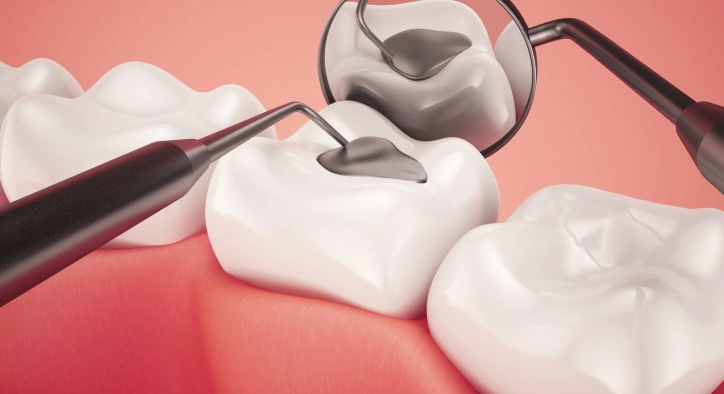
Dental Fillings are restorative materials used to repair teeth affected by decay, fractures, or wear. Their primary purpose is to restore the structure and function of the tooth while preventing further damage. Modern dentistry offers several types of Dental Fillings, each designed with specific properties such as durability, aesthetics, and biocompatibility.
Common materials used include composite resin, amalgam, ceramic, and gold. These materials are placed into a cleaned cavity and hardened to create a protective seal. While the procedure itself is generally routine, the interaction between these materials and the human body can vary depending on individual sensitivity.
From a biological standpoint, the mouth is a complex environment. Saliva, bacteria, temperature changes, and pH fluctuations all influence how Dental Fillings behave over time. This is one reason why reactions, although uncommon, are still scientifically relevant.
Can You Really Be Allergic to Dental Fillings?
Yes, it is possible, though quite rare, to experience allergic reactions to Dental Fillings. These reactions are typically linked to specific components within the filling material rather than the filling as a whole. For example, metals like mercury, nickel, or even trace elements in alloys may trigger hypersensitivity in certain individuals.
Scientific literature suggests that allergic responses are more commonly associated with amalgam fillings due to their metal composition. However, even tooth-colored Dental Fillings made of composite resin can occasionally cause reactions due to bonding agents or additives.
It is important to distinguish between a true allergy and general sensitivity. A true allergic reaction involves the immune system, while sensitivity may simply be a temporary irritation. This distinction is often evaluated through clinical observation and, in some cases, dermatological patch testing.
Symptoms of Allergic Reactions to Dental Fillings
Recognizing the symptoms associated with Dental Fillings is essential for early identification and proper management. Symptoms can vary widely depending on the individual and the material involved.
Common signs may include:
- Redness or inflammation in the gums around the filling
- Burning sensation or discomfort in the mouth
- Metallic taste that persists over time
- Swelling of oral tissues
- Skin reactions such as rashes near the mouth or face
In rare cases, systemic symptoms like headaches or fatigue are reported, though these are less clearly linked to Dental Fillings in scientific research. The challenge lies in determining whether these symptoms are directly caused by the filling material or by other underlying factors.
It is also worth noting that symptoms may not appear immediately. Some individuals report delayed reactions weeks or even months after receiving Dental Fillings, making diagnosis more complex.
Types of Dental Filling Materials and Their Risks
Different materials used in Dental Fillings come with varying levels of risk in terms of allergic reactions. Below is a simplified comparison:
Material Type | Composition | Allergy Risk Level | Notes |
Amalgam | Mercury, silver, tin, copper | Moderate | Metal sensitivity possible |
Composite Resin | Plastic and glass particles | Low to Moderate | Rare reactions to resins |
Ceramic | Porcelain-based | Very Low | Highly biocompatible |
Gold | Gold alloy | Very Low | Rare but possible metal sensitivity |
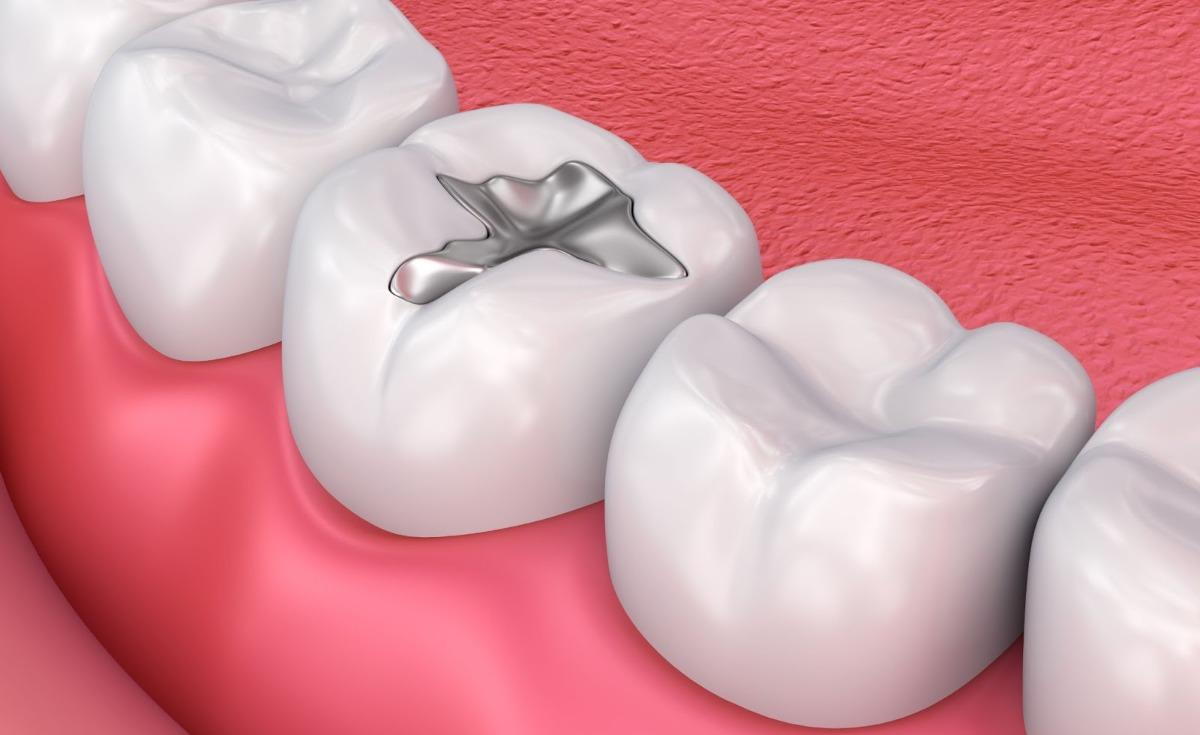
Amalgam Dental Fillings have historically been the most debated due to their mercury content. While many health authorities consider them safe, concerns about long-term exposure and allergic reactions persist.
Composite Dental Fillings are widely used today due to their aesthetic appeal. However, certain chemicals used in bonding agents may trigger mild reactions in sensitive individuals.
Ceramic and gold options are often considered more biocompatible, making them suitable alternatives for patients with known sensitivities.
Who Is More Likely to Develop Sensitivity?
Not everyone is equally at risk of reacting to Dental Fillings. Certain factors may increase the likelihood of sensitivity or allergic responses.
These include:
- A history of metal allergies, especially nickel
- Existing autoimmune conditions
- High sensitivity to chemicals or cosmetics
- Previous reactions to dental materials
Individuals who already experience skin reactions to jewelry or watches may be more prone to reacting to metal-based Dental Fillings. Similarly, those with heightened immune responses may notice unusual oral symptoms after dental procedures.
Genetic predisposition is also being explored as a factor. Some studies suggest that genetic variations may influence how the body processes and reacts to foreign materials, including dental restorations.
How Dentists Identify and Manage Allergies
Diagnosing an allergy to Dental Fillings is not always straightforward. Dentists typically begin with a detailed patient history and clinical examination. If a reaction is suspected, referral to a dermatologist for patch testing may be recommended.
Management strategies depend on the severity of the symptoms. In mild cases, monitoring may be sufficient. In more noticeable reactions, replacing the filling with a different material might be considered.
Steps often involved in management include:
- Identifying the suspected material
- Confirming sensitivity through testing
- Selecting an alternative filling material
- Monitoring post-replacement response
It is important to approach this process carefully, as unnecessary replacement of Dental Fillings may not always resolve symptoms and could introduce new variables.
Are There Safer Alternatives to Traditional Dental Fillings?
For individuals concerned about reactions, several alternatives to traditional Dental Fillings are available. Advances in dental materials have led to more biocompatible and minimally reactive options.
Some alternatives include:
- Ceramic inlays and onlays
- Glass ionomer fillings
- Resin-modified materials with reduced allergenic components
These alternatives are designed to integrate more naturally with the tooth structure and reduce the likelihood of adverse reactions. However, each option has its own advantages and limitations in terms of durability and cost.
Patients seeking alternatives to Dental Fillings often prioritize both safety and aesthetics. This has led to a growing preference for metal-free solutions in modern dentistry.
Scientific Perspective: What Research Suggests
Current research indicates that allergic reactions to Dental Fillings are relatively uncommon. Most studies emphasize that the majority of patients tolerate these materials without any issues.
However, scientific discussions continue around the long-term effects of certain materials, particularly amalgam. While no definitive conclusions have been reached, ongoing research contributes to improved material safety and patient awareness.
Interestingly, some reports suggest that perceived reactions may sometimes be influenced by psychological factors rather than direct biological responses. This highlights the importance of a holistic evaluation when assessing symptoms related to Dental Fillings.
Should You Be Concerned?
The possibility of being allergic to Dental Fillings exists, but it remains relatively rare. Most individuals undergo dental restorations without experiencing any complications. However, awareness of potential symptoms and material options can empower patients to make informed decisions.
Rather than approaching the topic with concern, it may be more useful to view it as part of a broader understanding of how the body interacts with dental materials. Advances in dentistry continue to improve the safety, comfort, and compatibility of Dental Fillings, making them a reliable solution for millions of people worldwide.
Über den Autor