When a dentist completes Tooth Preparation, many patients naturally wonder what happens next. The period after Tooth Preparation can feel unfamiliar because the tooth may look, feel, or respond differently than usual. Whether the goal is a crown, veneer, bridge support, or another restorative treatment, understanding the common precautions after Tooth Preparation helps patients feel more comfortable, informed, and confident.
At Stamboul Clinic, patient education is considered a valuable part of dental care. A prepared tooth is not exactly the same as an untreated one. It may be more sensitive, more exposed, and more dependent on a temporary restoration until the final restoration is placed.
Table of Content
- Why Tooth Preparation Changes the Way a Tooth Feels
- Eating Habits After Tooth Preparation
- Oral Hygiene After Tooth Preparation
- Sensitivity and Discomfort After Tooth Preparation
- Protecting Temporary Restorations After Tooth Preparation
- Daily Activities and Habits to Reconsider After Tooth Preparation
- Gum Care and Tissue Response Around Tooth Preparation
- The Importance of Follow-Up After Tooth Preparation
- What Patients Usually Notice in the Days Following Tooth Preparation
- A Smarter Recovery After Tooth Preparation
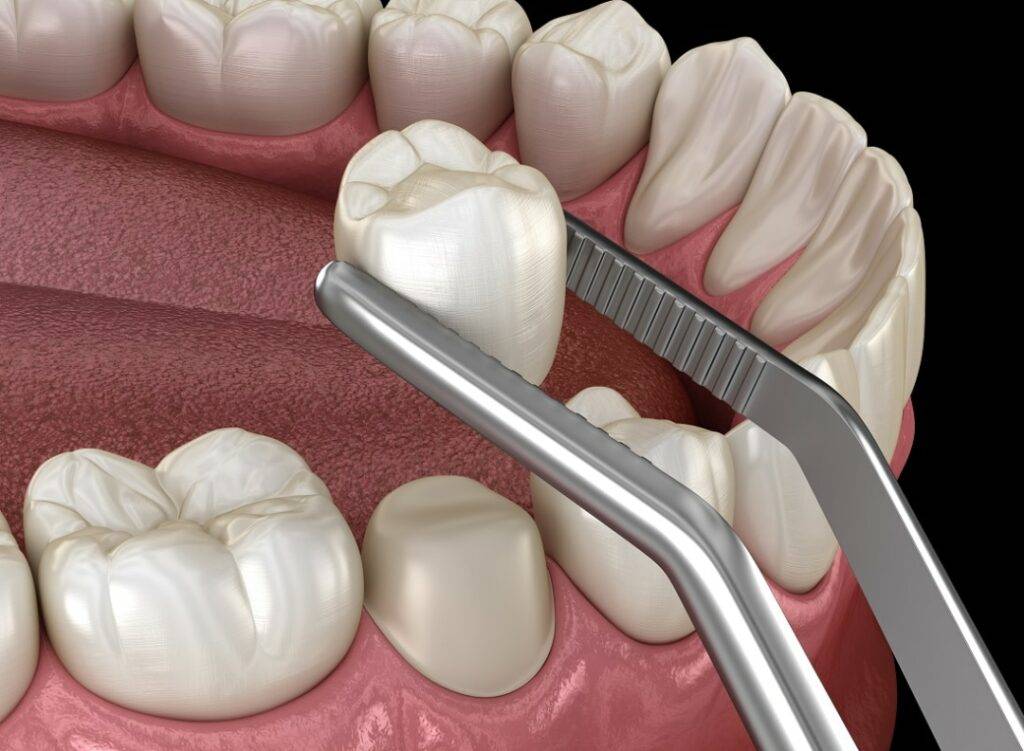
Why Tooth Preparation Changes the Way a Tooth Feels
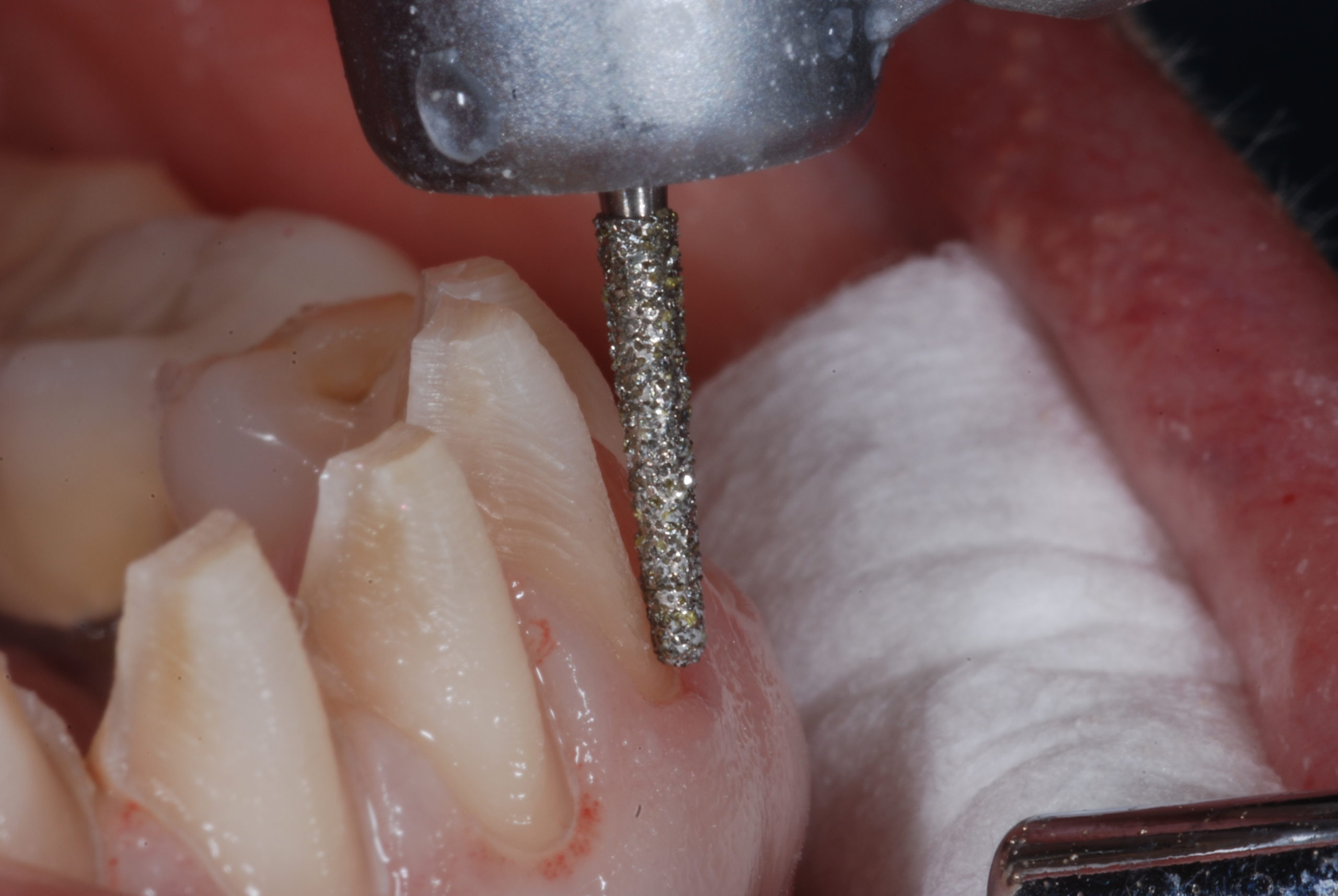
After Tooth Preparation, the outer structure of the tooth has been reshaped to create space for a future restoration. This process is designed to improve fit, function, and esthetics, yet it also temporarily changes the tooth’s interaction with temperature, pressure, and chewing forces. Many people notice mild sensitivity to cold air, sweet foods, or biting. This does not automatically suggest a problem; it simply reflects the tooth’s temporary transition.
The prepared tooth may also be covered with a temporary crown or temporary veneer, depending on the treatment plan. Temporary restorations are useful, but they are not intended to behave exactly like final restorations. They may feel slightly different in texture or bite. In many clinical discussions and restorative dentistry reports, this transitional stage is described as one of adaptation, where both the tooth and the patient adjust before the definitive prosthetic work is delivered.
Another important point is that Tooth Preparation can affect nearby gum tissue. The gums may appear mildly irritated for a short time, especially if impressions, scanning, or temporary placement involved close contact with the gingival margin. This is one reason why gentle cleaning habits become especially important in the days that follow.
Eating Habits After Tooth Preparation
Food choices matter after Tooth Preparation, particularly in the first hours and days. A prepared tooth or a temporary restoration may not tolerate the same forces as a fully restored tooth. Hard foods such as nuts, ice, crusty bread, or very crunchy snacks can place unnecessary stress on the area. Sticky foods like caramel, chewing gum, or very dense candies may also pull at a temporary crown and increase the risk of loosening it.
A softer diet is often more comfortable during the early phase after Tooth Preparation. Yogurt, soup, pasta, rice, eggs, mashed vegetables, and softer proteins are usually easier to manage. This does not mean a patient must permanently change eating habits. It simply means the restored area benefits from a more cautious approach until the final prosthetic solution is in place and professionally evaluated.
Temperature can also influence comfort. Some people feel temporary sensitivity when consuming very hot coffee or iced beverages. In restorative dentistry literature, this is commonly associated with transient dentin exposure and the altered insulating effect of the tooth structure during the provisional stage. Choosing lukewarm foods and drinks may reduce discomfort while the tooth settles into this interim period.
Suggested Food Choices After Dental Preparation
Recommended Options | Better to Limit |
Soft fruits | Hard raw vegetables |
Pasta and rice | Ice |
Yogurt and cheese | Sticky candy |
Scrambled eggs | Chewing gum |
Soup and oatmeal | Very crusty bread |
Soft fish or chicken | Nuts and seeds |
Oral Hygiene After Tooth Preparation
Cleaning the mouth after Tooth Preparation requires balance. The area should not be neglected, yet it should not be brushed aggressively either. Plaque accumulation around a prepared tooth or temporary restoration can irritate the gums and affect the comfort of the treatment site. On the other hand, excessive force may disturb the temporary material or make tender tissue feel worse.
A soft-bristled toothbrush is generally the gentlest option around the area of Tooth Preparation. Small circular movements can help keep the tooth and gumline cleaner without creating unnecessary friction. In some cases, the dentist may suggest being extra careful around the margin of a temporary crown. This is because temporary cement and provisional restorations are usually functional but not as durable as final bonded materials.
Flossing habits may also need slight modification. Instead of snapping floss up and down with force, many dental professionals prefer a gentler method around a temporary restoration. The floss can be guided carefully to avoid lifting the temporary crown. The aim is not perfection in one attempt; the aim is consistency and caution. This kind of mindful care after Tooth Preparation supports both gum health and the stability of the provisional phase.
Sensitivity and Discomfort After Tooth Preparation
Mild discomfort after Tooth Preparation is one of the most common concerns patients ask about. A prepared tooth may feel more reactive because some enamel has been reshaped and the tooth is temporarily in a more vulnerable state until the final crown or veneer is placed. Biting pressure may feel unusual, and air exposure may cause a short, sharp sensation.
That said, not every sensation means something is wrong. Dental studies on indirect restorations often note that short-term sensitivity can occur during the provisional stage without leading to long-term complications. Several factors may play a role, including the depth of preparation, the location of the tooth, bite pressure, and the patient’s natural sensitivity threshold. A front tooth prepared for a veneer may feel different from a molar prepared for a crown simply because their functions differ.
Still, changes should be observed thoughtfully. If the area feels progressively worse rather than gradually more manageable, patients often benefit from contacting their dental provider for clarification. At Stamboul Clinic, the focus is not on encouraging fear but on encouraging awareness. Monitoring the response after Tooth Preparation is simply part of being an informed participant in one’s own treatment process.
Protecting Temporary Restorations After Tooth Preparation
Temporary restorations play a surprisingly important role after Tooth Preparation. They help protect the prepared tooth, maintain appearance, support comfort, and preserve space for the final restoration. Although temporary crowns and veneers are effective for short-term use, they are not engineered for the same long-term durability as definitive restorations.
For that reason, patients are often wise to treat the area with care. Biting directly into hard foods with front temporary restorations may create avoidable stress. Using the opposite side for chewing, when practical, may feel more comfortable during the early stage after Tooth Preparation. This is less about restriction and more about reducing unnecessary mechanical strain.
Temporary restorations can also feel slightly bulkier or less polished than the final version. That difference is normal in many cases. Their purpose is transitional, not perfect imitation. If a temporary comes loose, breaks, or feels unstable, it is generally more helpful to view it as a practical issue requiring professional attention rather than a dramatic emergency. The key lesson after Tooth Preparation is that provisional materials deserve respect, even if they are temporary.
Daily Activities and Habits to Reconsider After Tooth Preparation
Many everyday habits place pressure on teeth without people even noticing. After Tooth Preparation, this becomes especially relevant. Nail biting, pen chewing, tearing packages with the teeth, and clenching the jaw can all expose the prepared tooth or temporary restoration to avoidable stress. These habits may have seemed harmless before, but during the provisional period they can become more significant.
Nighttime grinding is another factor worth noting. In prosthodontic and restorative contexts, parafunctional habits are often discussed because they may influence the stability of both temporary and final restorations. Not every patient who clenches or grinds is aware of it. Sometimes the signs are subtle: morning jaw tension, edge wear, or unexplained sensitivity. If the prepared area feels heavily pressured, that observation may be useful to share with the treating dentist.
Speech may also feel a little different, especially after Tooth Preparation for front teeth. Some patients notice minor pronunciation changes during the first day or two. This usually reflects adaptation to the temporary shape rather than a serious issue. Like wearing a new pair of shoes, the mouth often needs a short adjustment period before movements feel natural again.
Gum Care and Tissue Response Around Tooth Preparation
Gums are quiet storytellers in restorative dentistry. After Tooth Preparation, they may reveal how the tissue is adapting to the new contours, temporary restoration, and hygiene routine. Slight tenderness or mild inflammation can happen, particularly if the procedure involved manipulation close to the gumline. However, healthy tissue generally prefers gentle consistency over dramatic intervention.
A useful way to think about gum care after Tooth Preparation is to imagine tending a freshly landscaped garden. Flooding it does not help, and ignoring it does not help either. Gentle brushing, mindful cleaning, and awareness of visible changes offer a balanced approach. If the gums appear increasingly swollen, bleed more than expected, or react strongly over time, that pattern may deserve professional review.
Research in restorative and periodontal fields often emphasizes the relationship between well-fitting restorations and soft tissue response. While the final restoration usually plays the biggest role in long-term gum harmony, the period after Tooth Preparation already begins shaping that relationship. Clean margins, low plaque accumulation, and stable temporaries can all contribute to a more comfortable transition.
The Importance of Follow-Up After Tooth Preparation
One of the most overlooked precautions after Tooth Preparation is simply respecting the timeline of follow-up care. The prepared tooth is part of a staged treatment process. It is not the finished result. Delaying appointments for the final restoration may increase the chance of temporary wear, shifting, marginal leakage, or discomfort, depending on the individual clinical situation.
This is why the time between Tooth Preparation and final placement should be viewed as an active phase, not a pause. The temporary restoration preserves function and shape, but it is not intended as a permanent substitute. In many prosthodontic treatment models, timing affects accuracy. The longer the delay, the greater the possibility that small changes in the tooth, bite, or soft tissue may influence fit.
Follow-up appointments also allow the dentist to evaluate how the patient has responded to the preparation itself. Bite balance, tissue health, temporary stability, and patient comfort all provide useful clues. At Stamboul Clinic, this stage is seen as a dialogue between clinical planning and lived experience. The prepared tooth may look excellent on a scan or impression, but the patient’s daily experience after Tooth Preparation adds equally meaningful information.
What Patients Usually Notice in the Days Following Tooth Preparation
The experience after Tooth Preparation varies from person to person, but several patterns are commonly reported. Some patients notice light sensitivity that fades. Others become more aware of the temporary than of the tooth itself. Some feel normal quickly, while others need a few days to adapt to chewing or speaking. This range is part of the restorative journey and reflects biological differences, treatment type, and personal perception.
It is also common for patients to become temporarily more attentive to the treated area. The tongue may repeatedly check the surface. The bite may feel “different” even when it is clinically acceptable. This hyper-awareness is understandable. Human beings are remarkably sensitive to small oral changes. In fact, dental adaptation studies suggest that patients can detect very subtle differences in tooth contour and occlusion, especially in the early adjustment period after Tooth Preparation.
The helpful takeaway is not to over-interpret every sensation, but also not to ignore persistent changes. Thoughtful observation is often the most practical mindset. A patient does not need to become a clinician, yet being attentive after Tooth Preparation can make communication with the dental team more precise and useful.
A Smarter Recovery After Tooth Preparation
The time after Tooth Preparation is best understood as a bridge between treatment stages. The tooth has been carefully shaped for a future restoration, but it is still in transition. During this period, eating softer foods, protecting temporary restorations, cleaning gently, observing sensitivity, and attending follow-up visits all make practical sense. These are not dramatic rules; they are simple, thoughtful precautions that support the restorative process.
At Stamboul Clinic, the philosophy behind post-procedure guidance is clear: informed patients tend to feel calmer, ask better questions, and move through treatment with greater confidence. Tooth Preparation is not only a technical dental step. It is also a patient experience shaped by awareness, habits, and expectations. By understanding what may happen after dental preparation and responding with care, patients can navigate this stage more comfortably and more consciously.
About the Author