When you walk out of a dental clinic after undergoing root canal treatment, you expect relief. You anticipate that nagging toothache will become a distant memory. However, sometimes the journey doesn't end there. Despite advanced techniques and skilled practitioners, endodontic therapy can occasionally fall short of its intended goal. Understanding the signs of an unsuccessful procedure empowers you to take timely action and protect your oral health.
At Stamboul Clinic, we believe that informed patients make better decisions about their dental care.
Table of Content
- Understanding Why Root Canal Treatment Sometimes Fails
- Key Signs Your Root Canal Treatment May Have Failed
- Diagnostic Methods for Evaluating Root Canal Treatment Success
- Consequences of Leaving a Failed Root Canal Treatment Untreated
- Treatment Options When Root Canal Treatment Hasn't Succeeded
- Preventing Root Canal Treatment Failure: What You Can Do
- When to Seek Professional Evaluation at Stamboul Clinic
- Final Thoughts on Endodontic Treatment Outcomes
Understanding Why Root Canal Treatment Sometimes Fails
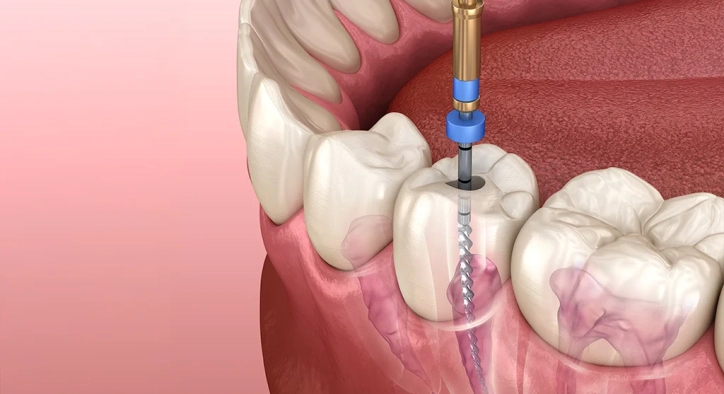
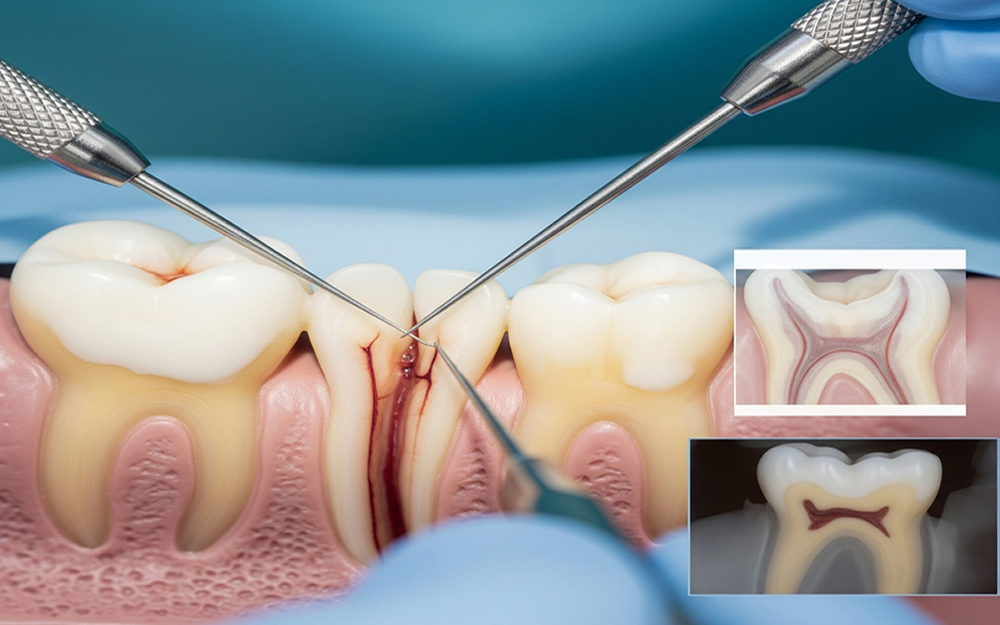
Before diving into warning signs, let's explore what happens during this dental procedure. During root canal treatment, your dentist removes infected pulp tissue, cleans the inner chambers, and seals the tooth. This process eliminates bacteria and prevents future infection.
However, human anatomy presents fascinating challenges. Teeth possess intricate canal systems with tiny branches, curves, and hidden chambers. Sometimes, despite a dentist's best efforts, certain areas remain inaccessible. Bacteria hiding in these microscopic spaces can multiply over months or even years.
Several factors contribute to unsuccessful outcomes. Complex tooth anatomy ranks high among them. Additionally, delayed crown placement leaves treated teeth vulnerable. Cracks in the tooth structure that weren't visible initially can also compromise results. Understanding these factors helps you appreciate why follow-up appointments matter tremendously.
Key Signs Your Root Canal Treatment May Have Failed
Recognizing problems early makes all the difference in treatment outcomes. Your body communicates through specific signals that something isn't right. Paying attention to these indicators can save you from more extensive procedures later.
Persistent Pain That Won't Subside
Some discomfort following endodontic therapy is normal. Your tooth and surrounding tissues need time to heal. However, pain that persists beyond a few weeks deserves attention. Sharp pain when biting, constant throbbing, or sensitivity that intensifies rather than improves suggests incomplete treatment.
The character of pain matters too. A dull ache might indicate lingering infection. Sharp, sudden pain could signal a crack or fracture. Temperature sensitivity months after the procedure raises red flags. Don't dismiss ongoing discomfort as "just healing" if it extends beyond reasonable timeframes.
Swelling and Visible Changes
Swelling near the treated tooth indicates your immune system is fighting something. This battle shouldn't occur if the infection was completely eliminated. Gum swelling, facial puffiness, or the appearance of a small pimple-like bump near the tooth root all warrant concern.
That small bump, called a fistula or dental sinus, deserves special mention. It represents your body creating a drainage pathway for pus. While it might relieve pressure temporarily, it signals active infection requiring intervention. Similarly, darkening of the treated tooth over time can indicate internal problems.
Diagnostic Methods for Evaluating Root Canal Treatment Success
Modern dentistry offers sophisticated tools to assess whether your endodontic procedure achieved its goals. These diagnostic approaches provide clarity when symptoms seem ambiguous or confusing.
Imaging and Clinical Examination
X-rays remain fundamental in evaluating root canal treatment outcomes. Periapical radiographs show the tooth root and surrounding bone. A dark shadow at the root tip often indicates persistent infection or developing pathology. Comparing current images with previous ones reveals whether healing has occurred.
Cone-beam computed tomography (CBCT) takes evaluation further. This three-dimensional imaging captures details that traditional x-rays miss. Hidden canals, vertical fractures, and complex anatomical variations become visible. Your dentist might recommend this advanced imaging when conventional radiographs don't explain your symptoms.
Clinical Tests and Assessments
Beyond imaging, clinical tests provide valuable information. Percussion testing involves gently tapping the tooth. Increased sensitivity compared to neighboring teeth suggests problems. Palpation of the gum tissue near the root apex can reveal tenderness indicating inflammation.
Your dentist also examines the quality of existing restoration. A compromised crown or filling allows bacteria to re-enter cleaned canals. This phenomenon, called coronal leakage, represents a common cause of treatment failure. The integrity of the seal protecting your tooth matters as much as the initial procedure quality.
Consequences of Leaving a Failed Root Canal Treatment Untreated
Ignoring signs of unsuccessful endodontic therapy carries significant implications. What starts as manageable discomfort can evolve into serious health concerns affecting more than just one tooth.
Spread of Infection
Bacteria don't respect boundaries. Left unchecked, infection from a failing tooth can spread to surrounding structures. Adjacent teeth may become compromised. The jawbone supporting your teeth can deteriorate progressively. In severe cases, infection spreads to soft tissues, creating potentially dangerous situations.
The timeline varies considerably between individuals. Some people experience rapid progression over weeks. Others harbor low-grade infections for years before problems become apparent. Neither scenario is preferable to addressing issues promptly when identified.
Tooth Loss and Additional Treatments
Perhaps the most significant consequence involves losing the tooth entirely. A failed root canal treatment doesn't automatically mean extraction. However, delays in addressing problems reduce salvageability. What might have been resolved with retreatment or apicoectomy becomes extraction due to extensive damage.
Losing a tooth triggers a cascade of changes. Neighboring teeth shift position. Bone resorption occurs where the tooth once anchored. Chewing efficiency decreases. Replacement options like implants or bridges become necessary, involving additional procedures, time, and investment.
Treatment Options When Root Canal Treatment Hasn't Succeeded
Discovering your endodontic therapy didn't work feels discouraging. However, multiple pathways exist for addressing the situation. The appropriate choice depends on several factors unique to your case.
Treatment Option | Description | Success Rate | Best For |
Retreatment | Removing existing filling, re-cleaning canals, resealing | 75-85% | Missed canals, inadequate initial cleaning |
Apicoectomy | Surgical removal of root tip and surrounding infected tissue | 85-95% | Persistent infection at root apex |
Intentional Replantation | Extracting tooth, treating outside mouth, reimplanting | 70-80% | Complex anatomy, surgical access limitations |
Extraction | Complete tooth removal | N/A | Severely compromised teeth, vertical fractures |
Endodontic Retreatment
This approach involves reopening the tooth and removing the previous filling material. Your endodontist examines the canal system for missed anatomy or residual infection. Advanced instruments and microscopes facilitate thorough cleaning of areas that initial treatment might have missed.
Retreatment success depends heavily on why the first procedure failed. Missed canals respond excellently to this approach. However, if failure resulted from an untreatable crack, retreatment won't provide lasting solutions. Careful diagnosis before proceeding ensures appropriate treatment selection.
Surgical Intervention
When conventional retreatment isn't feasible, surgical approaches offer alternatives. Apicoectomy involves accessing the root tip through the gum tissue. The infected portion of the root gets removed along with surrounding diseased tissue. A small filling seals the remaining root end.
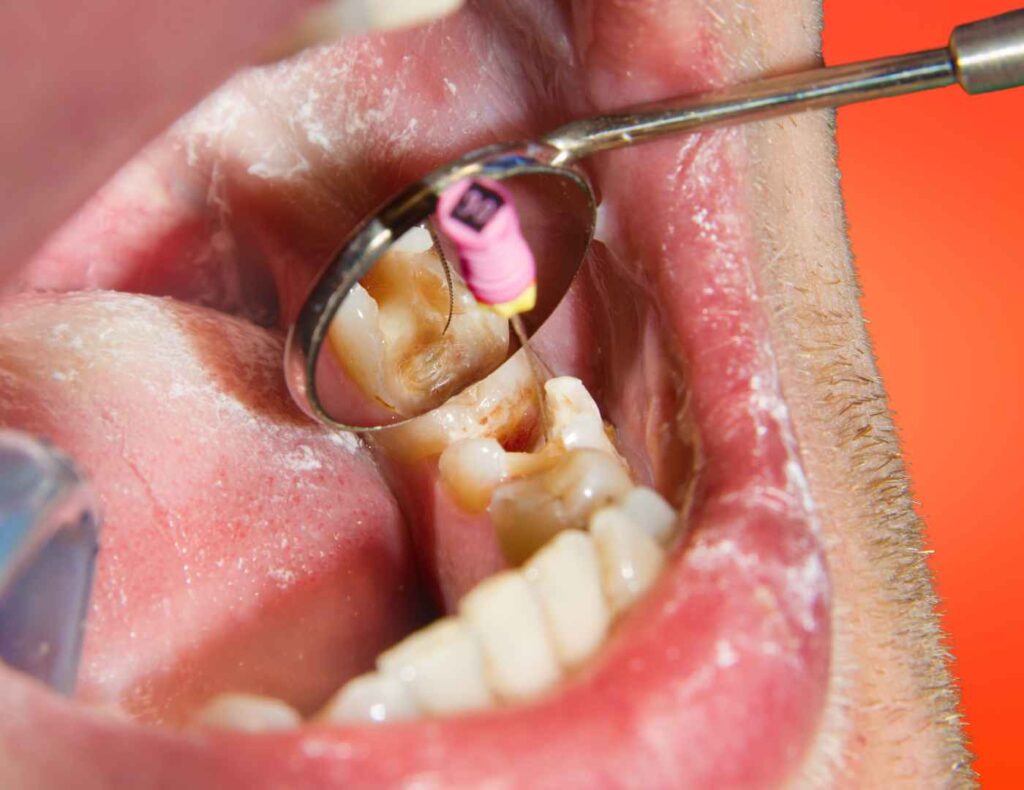
This surgical option works particularly well when blockages prevent access through the crown. Broken instruments lodged in canals, calcified canal sections, or well-done posts that shouldn't be disturbed all represent situations favoring surgical intervention. Recovery involves mild swelling and discomfort for several days.
Preventing Root Canal Treatment Failure: What You Can Do
While not every failure is preventable, certain actions significantly improve your odds of successful outcomes. Taking an active role in your dental care makes a meaningful difference.
Choose Your Provider Carefully
Experience and specialization matter in endodontics. Dentists who regularly perform root canal treatment develop skills handling complex cases. Endodontists, specialists who focus exclusively on these procedures, possess advanced training and equipment. Complex tooth anatomy might benefit from specialist attention.
Don't hesitate to ask questions about your provider's experience. Inquire about technology they utilize. Operating microscopes, electronic apex locators, and advanced imaging capabilities all contribute to treatment success. The clinic's commitment to staying current with developments reflects their dedication to patient outcomes.
Follow Post-Treatment Instructions
Your responsibilities extend beyond the dental chair. Following aftercare instructions carefully protects your investment in dental health. Completing prescribed antibiotics if given, avoiding chewing on the treated side until restored, and attending follow-up appointments all matter tremendously.
Crown placement timing deserves emphasis. A tooth that underwent root canal treatment needs protection. The treated tooth becomes more brittle without its vital pulp tissue. Delays in placing a permanent crown leave your tooth vulnerable to fracture and bacterial contamination. Prioritize completing your restoration promptly.
When to Seek Professional Evaluation at Stamboul Clinic
Recognizing the right moment to seek professional assessment prevents small problems from becoming major concerns. Certain situations clearly warrant prompt evaluation.
Any pain that worsens over time rather than improving needs attention. Swelling that appears suddenly, especially if accompanied by fever, requires urgent evaluation. Recurring infections in a previously treated tooth suggest the original root canal treatment hasn't resolved underlying issues.
Even without obvious symptoms, routine dental examinations catch problems early. X-rays taken during regular check-ups can reveal developing pathology around treated teeth before you experience any discomfort. These silent problems, when identified early, often respond better to treatment.
At Stamboul Clinic, our team approaches each case with thorough diagnostic evaluation. We believe in explaining findings clearly and presenting all available options. Your understanding and comfort guide our recommendations. Whether you need reassurance that healing is progressing normally or intervention for a struggling tooth, we're here to help.
Final Thoughts on Endodontic Treatment Outcomes
Endodontic therapy remains one of dentistry's most successful procedures, saving millions of natural teeth annually. Understanding that occasional failures occur helps set realistic expectations. More importantly, recognizing warning signs empowers you to seek timely intervention.
Your natural teeth, whenever salvageable, deserve preservation efforts. Even when initial treatment hasn't succeeded, options exist for many situations. The key lies in not ignoring symptoms and seeking evaluation before problems compound.
Stamboul Clinic remains committed to providing comprehensive endodontic care utilizing contemporary techniques and technology. Whether you're experiencing concerning symptoms or simply want peace of mind about a previously treated tooth, our doors are open. Your oral health journey matters to us, and we're honored to be part of it.
About the Author