Have you ever experienced that sharp, sudden jolt of pain while enjoying your favorite ice cream or sipping hot coffee? If yes, you're not alone. Tooth sensitivity affects millions of people worldwide, turning simple pleasures into uncomfortable experiences. At Stamboul Clinic, we understand how frustrating this condition can be, and we're here to guide you through everything you need to know about this common dental concern.
The journey to understanding and managing dental hypersensitivity starts with knowledge. When your teeth react painfully to temperature changes, sweet foods, or even cold air, your body is sending you an important message.
Table of Content
- Understanding Tooth Sensitivity: The Science Behind the Pain
- Common Causes of Dental Sensitivity
- Recognizing Symptoms and When to Seek Help
- Effective Home Remedies for Sensitive Teeth
- Professional Treatment Options at Stamboul Clinic
- Prevention Strategies for Long-Term Dental Health
- Living Comfortably with Dental Sensitivity
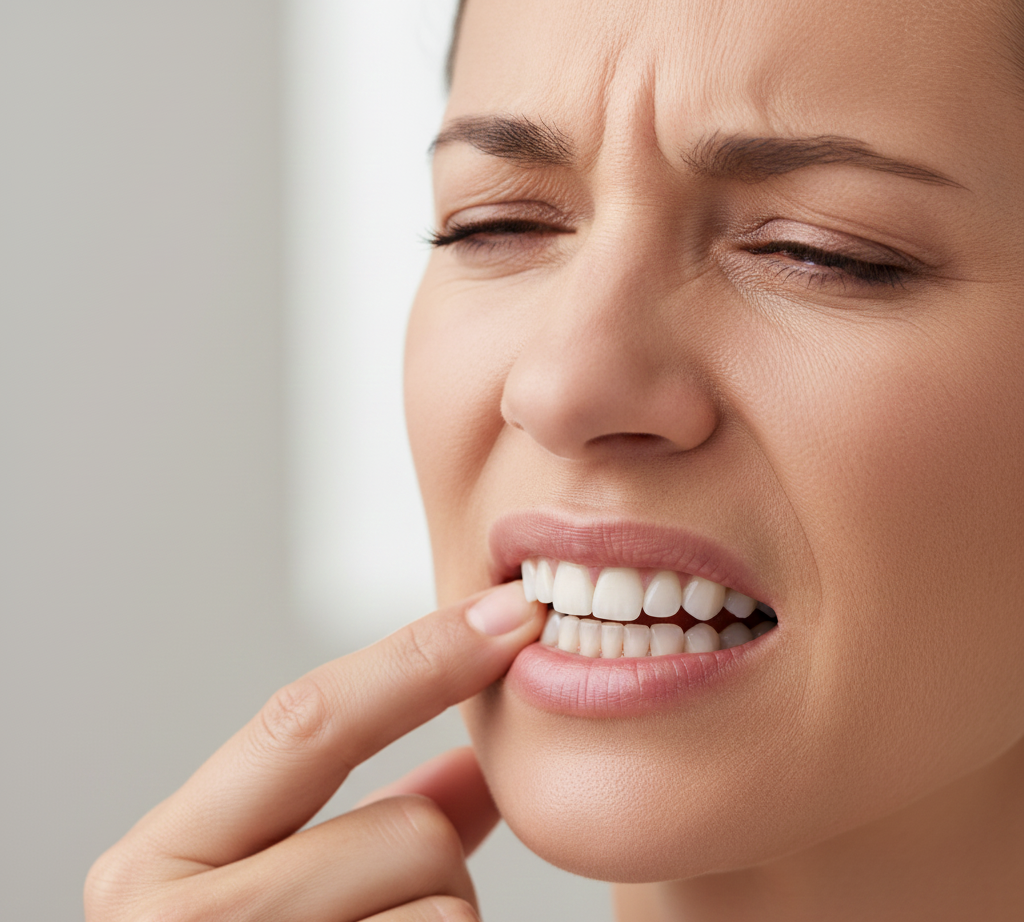
Understanding Tooth Sensitivity: The Science Behind the Pain
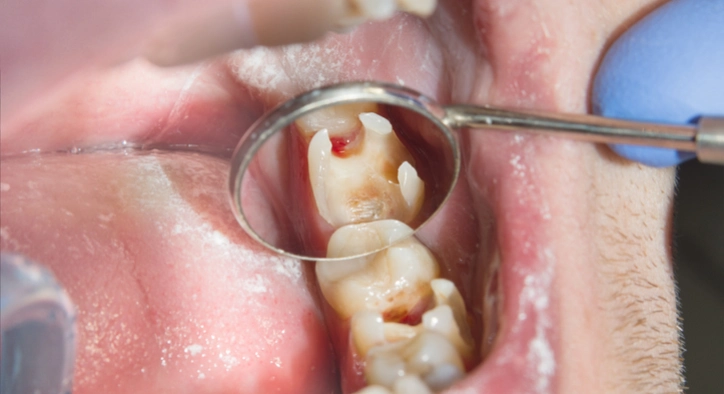
Tooth sensitivity, scientifically known as dentin hypersensitivity, occurs when the protective layers of your teeth become compromised. To understand this phenomenon, we need to take a quick peek at dental anatomy. Your teeth consist of multiple layers: the hard outer enamel, the softer dentin underneath, and the innermost pulp containing nerves and blood vessels.
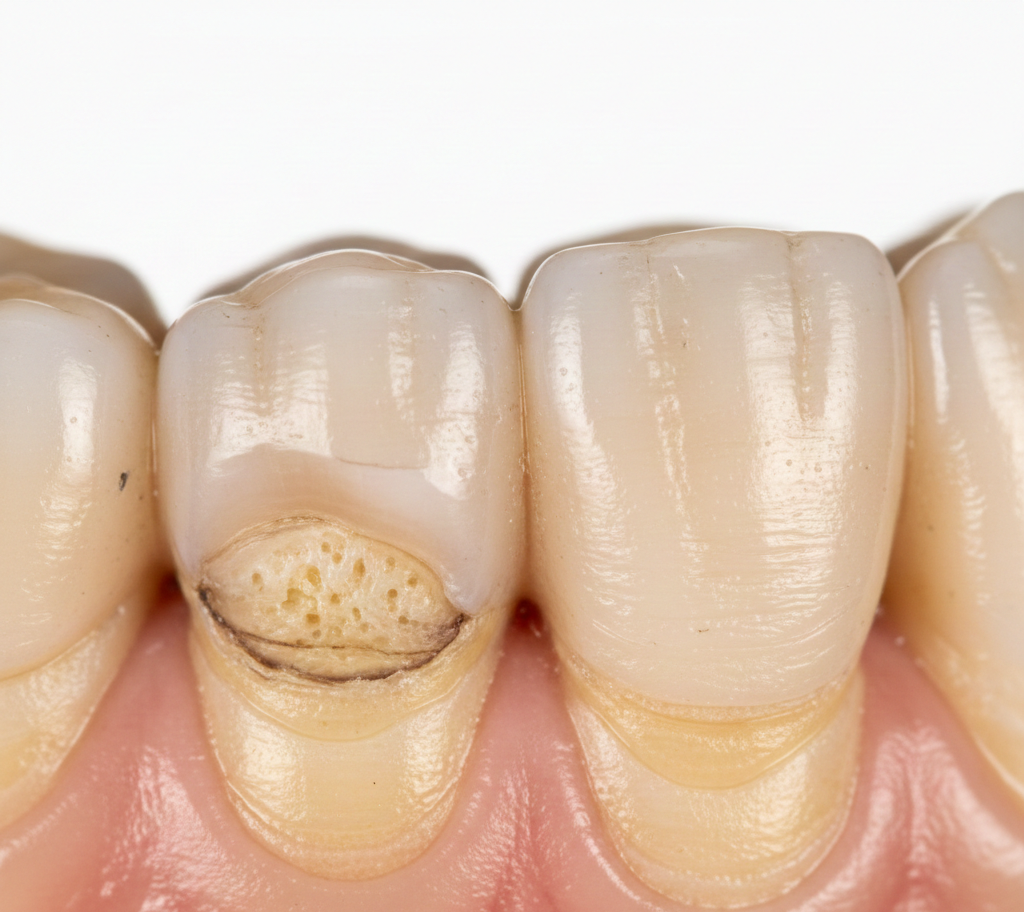
When enamel wears down or gums recede, the dentin layer becomes exposed. This layer contains thousands of microscopic tubules that lead directly to the nerve center of your tooth. When hot, cold, acidic, or sweet substances reach these tubules, they stimulate the nerve, causing that familiar sharp pain. Think of it as removing the insulation from an electrical wire suddenly, everything affects it.
The sensation typically feels like a quick, sharp discomfort rather than a prolonged ache. Unlike cavities or infections that cause constant throbbing, sensitive teeth react specifically to triggers and return to normal once the stimulus is removed.
Common Causes of Dental Sensitivity
Understanding what triggers your discomfort is crucial for finding the right solution. Multiple factors can contribute to tooth sensitivity, and often, it's a combination of several causes working together.
Enamel Erosion Factors
Cause | How It Affects Teeth | Risk Level |
Acidic Foods & Drinks | Dissolves enamel surface | High |
Aggressive Brushing | Wears down protective layer | Medium-High |
Teeth Grinding | Creates micro-fractures | High |
Acid Reflux | Exposes teeth to stomach acid | Medium |
Whitening Products | Temporarily increases sensitivity | Low-Medium |
Brushing your teeth might seem like a straightforward task, but doing it incorrectly can actually harm your dental health. Using a hard-bristled toothbrush or applying excessive pressure gradually strips away enamel, leaving dentin vulnerable. Similarly, consuming highly acidic beverages like citrus juices, sodas, and wine creates an acidic environment that weakens enamel over time.
Bruxism, commonly known as teeth grinding, presents another significant risk factor. Many people grind their teeth unconsciously during sleep, causing micro-damage that accumulates over years. This repetitive stress eventually compromises enamel integrity, leading to heightened dental sensitivity.
Recognizing Symptoms and When to Seek Help
Identifying tooth sensitivity early allows for better management and prevents further complications. While occasional mild discomfort might not raise alarms, certain patterns warrant professional attention.
Common symptoms include:
- Sharp pain when consuming hot or cold foods
- Discomfort while eating sweet or sour items
- Pain when breathing cold air through your mouth
- Sensitivity during dental cleanings
- Lingering discomfort after eating or drinking
Pay attention to whether your symptoms affect one tooth or multiple teeth. Localized sensitivity often indicates specific issues like cavities, cracks, or recent dental work. Widespread discomfort across several teeth typically suggests enamel erosion or gum recession affecting larger areas.
When sensitivity persists beyond a few weeks, intensifies over time, or comes with visible changes in your teeth or gums, consulting a dental professional becomes essential. At Stamboul Clinic, our experienced team can identify the underlying cause and recommend appropriate interventions tailored to your specific situation.
Effective Home Remedies for Sensitive Teeth
While professional treatment remains important for severe cases, many people find relief through simple home-based approaches. These methods work best for mild to moderate tooth sensitivity and can complement professional care.
Desensitizing toothpaste represents one of the most accessible solutions. These specialized formulas contain compounds that help block the transmission of sensation from the tooth surface to the nerve. Consistent use over several weeks typically yields noticeable improvement. Apply a small amount directly to sensitive areas before bed for enhanced effectiveness.
Modifying your brushing technique can also make a significant difference. Switch to a soft-bristled toothbrush and use gentle, circular motions rather than aggressive horizontal strokes. Hold your brush like a pencil rather than gripping it tightly this naturally limits the pressure you apply.
Consider these additional home strategies:
- Rinse with saltwater to reduce inflammation
- Avoid extremely hot or cold foods temporarily
- Use a fluoride mouthwash to strengthen enamel
- Wait 30 minutes after eating acidic foods before brushing
- Consider using a straw for acidic beverages
Professional Treatment Options at Stamboul Clinic
When home remedies don't provide adequate relief, professional interventions offer more robust solutions for managing sensitive teeth. Modern dentistry provides numerous effective approaches, each addressing different aspects of the problem.
Fluoride treatments applied professionally deliver concentrated doses that strengthen enamel and reduce sensitivity. These in-office applications penetrate deeper than over-the-counter products, providing longer-lasting protection. Your dentist might also recommend prescription-strength fluoride gel for home use.
For exposed root surfaces due to gum recession, dental bonding offers an excellent solution. This procedure involves applying a tooth-colored resin to cover exposed dentin, creating a protective barrier. The process is minimally invasive and provides immediate relief for many patients experiencing dental hypersensitivity.
Advanced Treatment Approaches
Treatment | Best For | Duration |
Fluoride Varnish | Mild sensitivity | 3-6 months |
Dental Bonding | Exposed roots | 3-10 years |
Gum Grafting | Severe recession | Permanent |
Root Canal | Extreme cases | Permanent |
Dental Crowns | Damaged teeth | 10-15 years |
In cases where tooth sensitivity stems from severe gum recession, surgical options like gum grafting might be recommended. This procedure involves taking tissue from elsewhere in your mouth and attaching it to the affected area, covering exposed roots and restoring natural protection.
Prevention Strategies for Long-Term Dental Health
Preventing tooth sensitivity proves far easier than treating it once established. Adopting proactive habits protects your enamel and keeps your teeth comfortable for years to come.
Dietary awareness plays a crucial role in maintaining dental health. While you don't need to eliminate acidic foods entirely, being mindful of consumption patterns helps. Pairing acidic foods with calcium-rich items like cheese can neutralize acids. Drinking water throughout the day washes away acid residue and maintains healthy saliva production.
Stress management might seem unrelated to dental health, but chronic stress often manifests as teeth grinding or jaw clenching. If you wake up with jaw soreness or notice flattened tooth surfaces, discuss a night guard with your dentist. This simple device protects your teeth from grinding damage while you sleep.
Regular dental check-ups remain your best defense against developing sensitive teeth. Professional cleanings remove plaque and tartar that contribute to gum disease and recession. Early detection of enamel wear or gum problems allows for intervention before sensitivity develops.
Living Comfortably with Dental Sensitivity
Managing tooth sensitivity is absolutely achievable with the right approach and professional guidance. The key lies in understanding your specific triggers, implementing appropriate preventive measures, and seeking professional help when needed. At Stamboul Clinic, we've helped countless patients overcome dental discomfort and return to enjoying their favorite foods and beverages without fear.
Remember that sensitive teeth don't have to control your life. Whether your discomfort stems from enamel erosion, gum recession, or other factors, solutions exist. The first step is acknowledging the problem and taking action rather than simply avoiding trigger foods indefinitely.
Your dental health journey is unique, and what works for others might not work for you. That's why personalized assessment and treatment planning matter so much. We encourage you to reach out to our team at Stamboul Clinic, where we combine expertise with compassionate care to help you achieve lasting comfort and optimal dental health.
The path to pain-free eating and drinking starts with a single step. Take that step today, and discover how good it feels to enjoy life's simple pleasures without dental sensitivity holding you back.
About the Author