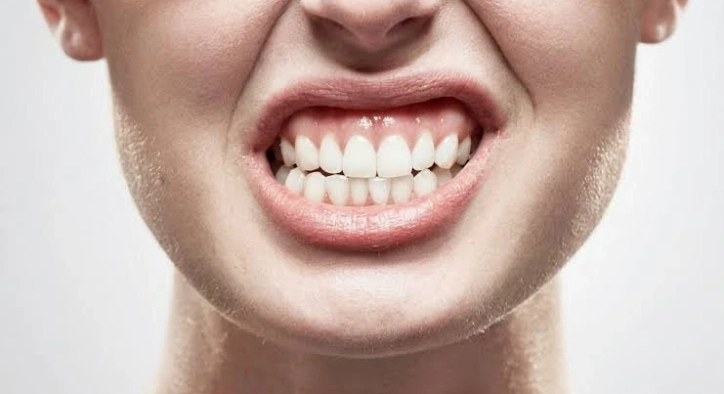
The human chewing apparatus is designed to withstand intense, controlled pressure during daily meals. However, when the jaw muscles begin to engage involuntarily outside of normal function, it can trigger a destructive condition known as bruxism. This chronic disorder can damage tooth structure, wear down custom porcelain veneers, disrupt sleep quality, and cause ongoing pain in the facial muscles.
At Stamboul Clinic, we treat jaw health as a vital foundation for both oral function and long-term smile aesthetics. Understanding exactly what is bruxism is the first step toward stopping its progressive damage. Whether you are experiencing severe sleep bruxism during the night or looking for a highly protective bruxism mouth guard to shield your enamel, this guide provides clear medical insights into identifying symptoms, addressing systemic causes, and exploring modern treatments to protect your smile.
Table of Content
- What Is Bruxism and What Triggers This Involuntary Behavior?
- How Do You Know If You Have Bruxism? Primary Warning Signs
- How Do You Fix Bruxism? Modern Treatment Protocols
- Real Methods on How to Stop Bruxism
- Will Bruxism Ever Go Away?
- Comprehensive Overview: Comparing Night Guards and Advanced Treatments
- Frequently Asked Questions (FAQ)
What Is Bruxism and What Triggers This Involuntary Behavior?
To understand this condition clearly, let us define what is bruxism from a clinical perspective. It is a neuromusculoskeletal disorder characterized by the involuntary clenching or grinding of teeth. It generally falls into two distinct categories based on when it occurs: awake bruxism (semi-conscious daytime jaw clenching) and sleep bruxism (unconscious nighttime grinding linked to sleep-arousal cycles).
When looking closely at bruxism causes, dental science has shifted away from viewing it purely as a structural misalignment of the teeth. Today, it is recognized as a complex, multi-layered condition driven by a combination of physical, psychological, and neurological factors:
THE SYSTEMIC CAUSE MATRIX:
- [Psychological Triggers]: Chronic daily stress, work anxiety, and emotional tension ➡️ Muscle hyperactivity.
- [Neurological Factors]: Sleep micro-arousals and central nervous system chemical shifts ➡️ Rhythmic jaw movements.
- [Lifestyle Influences]: Excessive caffeine intake, heavy nicotine use, and regular alcohol consumption.
- [Structural Discrepancies]: Uneven biting surfaces or poorly fitted historical fillings ➡️ Muscle compensation.
How Do You Know If You Have Bruxism? Primary Warning Signs
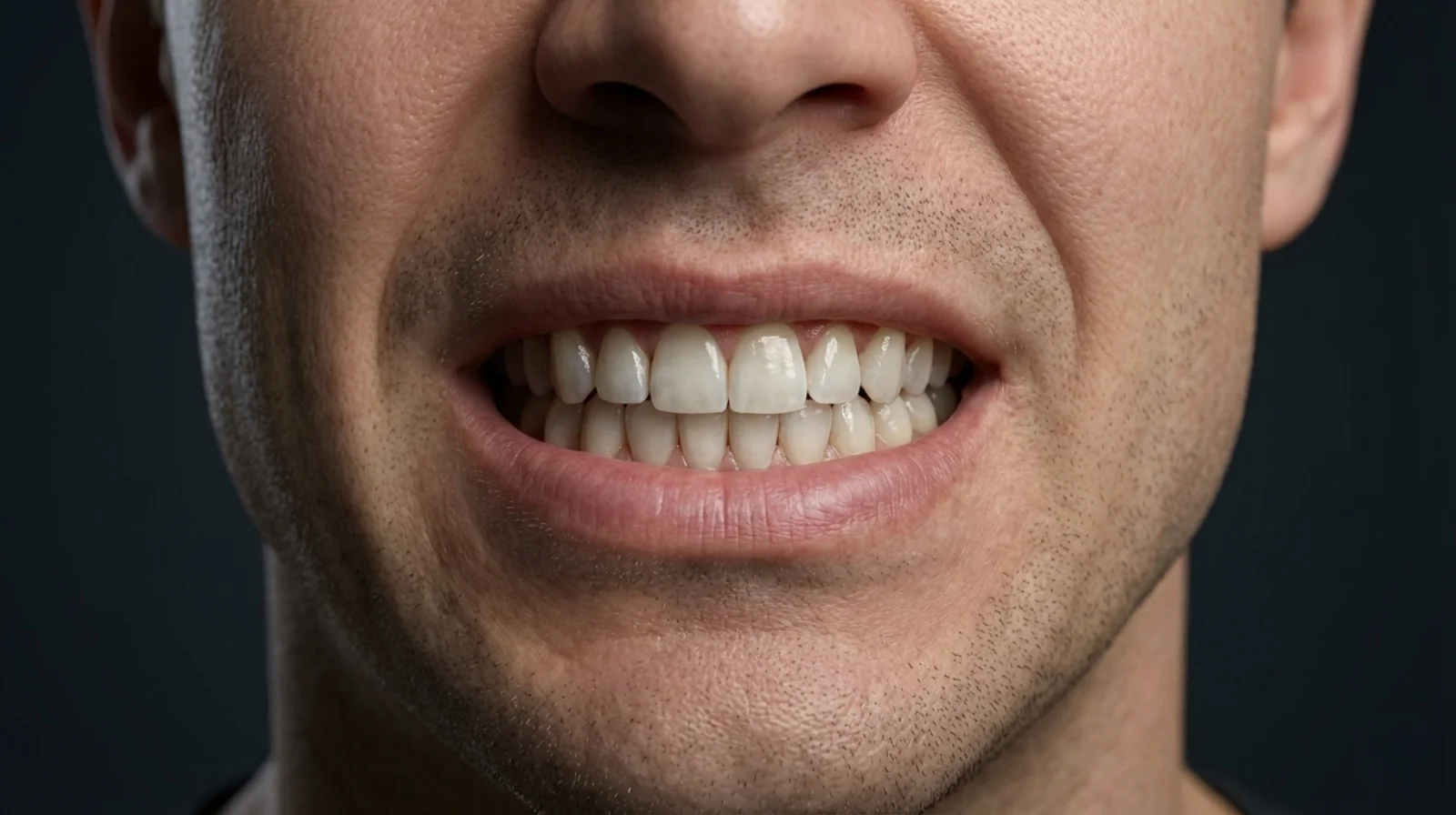
Because the most destructive patterns occur while you sleep, many patients live with this condition for years without realizing it. So, how do you know if you have bruxism?
Paying close attention to how your mouth and jaw feel right after waking up is key. Recognizing early bruxism symptoms is essential for seeking timely care before severe enamel loss or structural damage occurs.
CLINICAL SYMPTOM CHECKLIST:
- Dull, aching headaches that start in the temples right after waking up.
- Unexplained tooth sensitivity to hot, cold, or sweet liquids.
- Tightness, fatigue, or localized pain in the chewing muscles (masseter).
- Clicking, popping, or grating sounds in the temporomandibular joint (TMJ).
- Visible changes to teeth, such as flattened edges, worn down enamel, or tiny cracks.
- Chronic morning stiffness in the neck, shoulders, or upper back tissue.
If you share a bedroom, a partner may mention hearing loud clicking or scraping sounds during the night. In the dental chair, a clinical evaluation will quickly reveal clear indicators, such as a scalloped tongue border, worn down enamel surfaces, or localized thickening of the jawbone due to ongoing pressure.
How Do You Fix Bruxism? Modern Treatment Protocols
When dealing with a sore jaw, patients naturally focus on a primary question: How do you fix bruxism?
An effective bruxism treatment strategy requires a dual approach. First, we must protect the teeth from physical wear, and second, we need to address the underlying muscle hyperactivity.
The Physical Barrier: Selecting a High-Quality Bruxism Guard
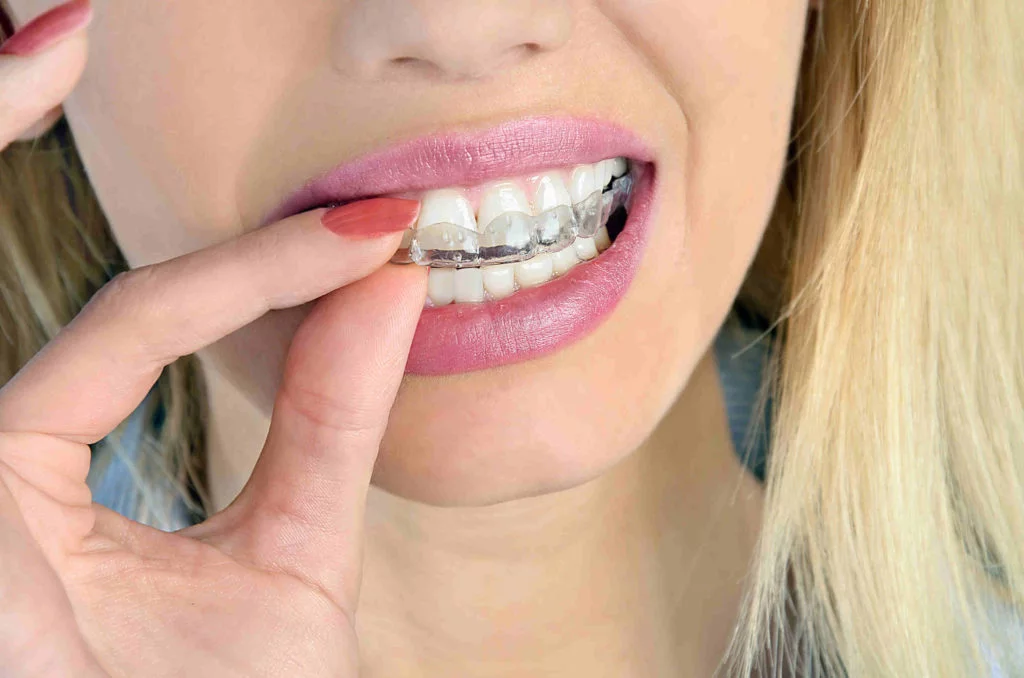
The most vital immediate step is using a custom-milled bruxism guard (night splint). Unlike soft, over-the-counter sports mouthguards a professional night appliance is crafted from durable, hard acrylic. This smooth surface allows the upper and lower teeth to glide easily against each other, absorbing chewing pressure and protecting your natural enamel and dental work from fractures.
Advanced Muscle Relaxation: Botox for Bruxism
For severe cases where a night guard alone does not relieve muscle tension, using botox for bruxism has become a highly effective treatment pathway. By injecting precise amounts of botulinum toxin directly into the masseter and temporomandibular muscles, we can gently reduce their maximum biting force. This micro-relaxation stops the intense nighttime grinding while keeping your normal ability to chew, speak, and smile completely unaffected.
Real Methods on How to Stop Bruxism
When searching online platforms like Reddit or dental forums, threads titled "how i cured my bruxism" showcase that long-term relief requires a combination of clinical solutions and daily lifestyle adjustments. Knowing how to stop bruxism permanently involves retraining the muscles and calming the nervous system before sleep.
THE DAILY RETRAINING AND DECOMPRESSION WORKFLOW:
- Step 1: Focus on Daytime Awareness ➡️ Keep your "lips together, teeth apart" during work hours.
- Step 2: Practice Targeted Jaw Mobility ➡️ Perform specific bruxism exercises to stretch tight muscles.
- Step 3: Establish a Evening Routine ➡️ Avoid caffeine, screens, and high stress in the hours before bed.
- Step 4: Use a Warm Compress ➡️ Apply heat to the sides of the face to relax the masseter tissues.
Incorporating targeted bruxism exercises into your daily routine can help realign and relax jaw structures. A simple yet effective movement involves placing the tip of your tongue against the roof of your mouth behind your front teeth, then slowly opening your mouth as wide as comfortable. This specific positioning naturally prevents the masseter muscles from engaging, stretching the jaw joints safely and relieving accumulated tension.
Will Bruxism Ever Go Away?
As patients navigate their treatment plans, they often ask a fundamental question about their future health: Will bruxism ever go away?
The medical answer depends heavily on your lifestyle factors and how well you manage stress. If your jaw tension is triggered by a temporary period of high stress, a specific medication, or a poorly aligned bite, the condition can resolve completely once those underlying issues are addressed.
For chronic clenchers, it may function more like a long-term physical tendency that requires ongoing management. While it might not disappear entirely, using a custom night guard, maintaining stress-relief habits, and receiving targeted treatments can protect your teeth from damage, eliminate morning headaches, and keep your jaw joints functioning comfortably for life.
Comprehensive Overview: Comparing Night Guards and Advanced Treatments
Managing jaw tension effectively requires matching your symptoms with the right clinical solutions, as detailed below:
Treatment Option | Primary Clinical Objective | Material / Approach | Structural Benefit |
Custom Night Guard | Protects enamel surfaces from mechanical friction | Hard, biocompatible acrylic splint | Prevents fractures and protects porcelain veneers |
Botox Therapy | Relieves deep muscle tension at the source | Micro-injections into the masseter muscle | Lowers unconscious biting force and eases pain |
Jaw Mobility Exercises | Stretches tight tissues and improves joint alignment | Targeted stretching and positioning movements | Relieves morning stiffness and improves TMJ flexibility |
Stress Management | Lowers central nervous system hyperactivity | Mindful relaxation, yoga, and healthy sleep habits | Targets the psychological root causes of grinding |
Frequently Asked Questions (FAQ)
How do you fix bruxism permanently?
While there is no instant cure, you can manage it effectively by using a custom hard night guard to protect your teeth, using muscle-relaxing Botox injections, performing targeted jaw exercises, and reducing daily stress.
Will bruxism ever go away on its own?
It can resolve on its own if it is triggered by a temporary stressful period, a specific lifestyle habit, or a minor bite issue that is corrected. For chronic cases, ongoing management is necessary to prevent long-term wear.
Is Botox safe and effective for treating jaw grinding?
Yes, Botox is a highly safe and effective treatment. It works by temporarily reducing muscle hyperactivity in the masseter muscle, which lowers your nighttime clenching force while keeping your ability to eat and speak completely natural.
Why should I avoid cheap, soft over-the-counter mouthguards?
Soft drugstore mouthguards can actually worsen grinding because the chewy material can stimulate your jaw muscles to chew and clench harder during the night. A professional, hard acrylic guard is necessary to allow the teeth to glide safely and absorb pressure correctly.
Über den Autor