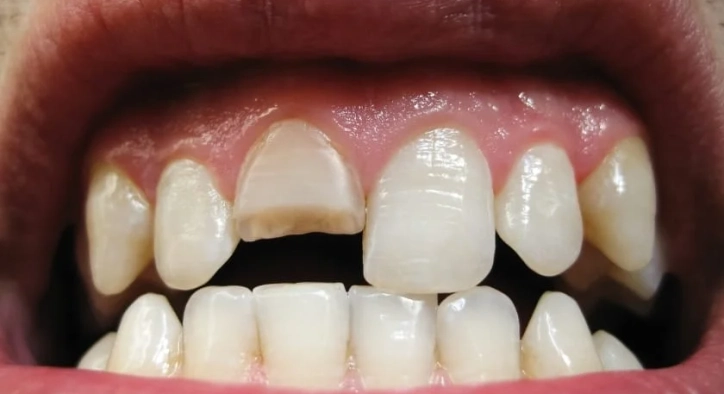
A structural fracture within dental enamel can range from a microscopic superficial line to a deep vertical split that reaches the structural root complex. Unlike bone tissue, specialized dental enamel does not contain living cellular systems capable of self-repair, meaning cracked teeth present a permanent structural issue that requires direct dental intervention. Identifying structural structural changes early is crucial to preventing bacterial infiltration into the inner pulp tissue.
At Stamboul Clinic, we utilize advanced structural magnification and diagnostic imaging to locate structural micro-fractures before they progress into major structural failures. Understanding what causes cracked teeth allows patients to identify lifestyle risks, implement preventive measures, and choose the correct cracked teeth treatment to preserve their natural smile structure. This guide breaks down fracture categories, analyzes daily triggers like cracked teeth from grinding, and outlines the advanced clinical systems used to repair dental structures.
Table of Content
- Structural Enamel Fractures: Understanding the Primary Causes
- Structural Categorization: Can Cracked Teeth Heal Naturally?
- Modern Restoration Options: Finding the Right Treatment
- The Risks of Delay: How Long Can I Have a Cracked Tooth?
- Restorative Care and Advanced Diagnostics at Stamboul
- Frequently Asked Questions (FAQ)
Structural Enamel Fractures: Understanding the Primary Causes
To implement effective prevention, we must look closely at cracked teeth causes. Human enamel is exceptionally dense, yet it remains vulnerable to specific mechanical stresses, thermal shocks, and progressive structural wear.
PRIMARY MECHANICAL STRESS ARCHITECTURE:
- [Masticatory Overload]: Chewing on hard items (ice, unpopped kernels) ➡️ Localized stress concentration points.
- [Bruxism Fatigue]: Continuous nighttime clenching ➡️ Micro-fracture propagation through the enamel matrix.
- [Thermal Shock]: Rapid cycling between hot & iced items ➡️ Crystalline expansion & contraction cracks.
- [Structural Weakening]: Large, deep historical silver fillings ➡️ Weakened surrounding tooth walls.
When evaluating what causes cracked teeth, repetitive mechanical stress stands out as a leading factor. Specifically, experiencing cracked teeth from grinding (bruxism) is one of the most common issues handled in modern restorative dentistry. The constant, involuntary pressure applied during sleep fatigues the crystalline structure of the enamel over time, creating vertical pathways that can eventually expand under standard chewing forces.
Structural Categorization: Can Cracked Teeth Heal Naturally?
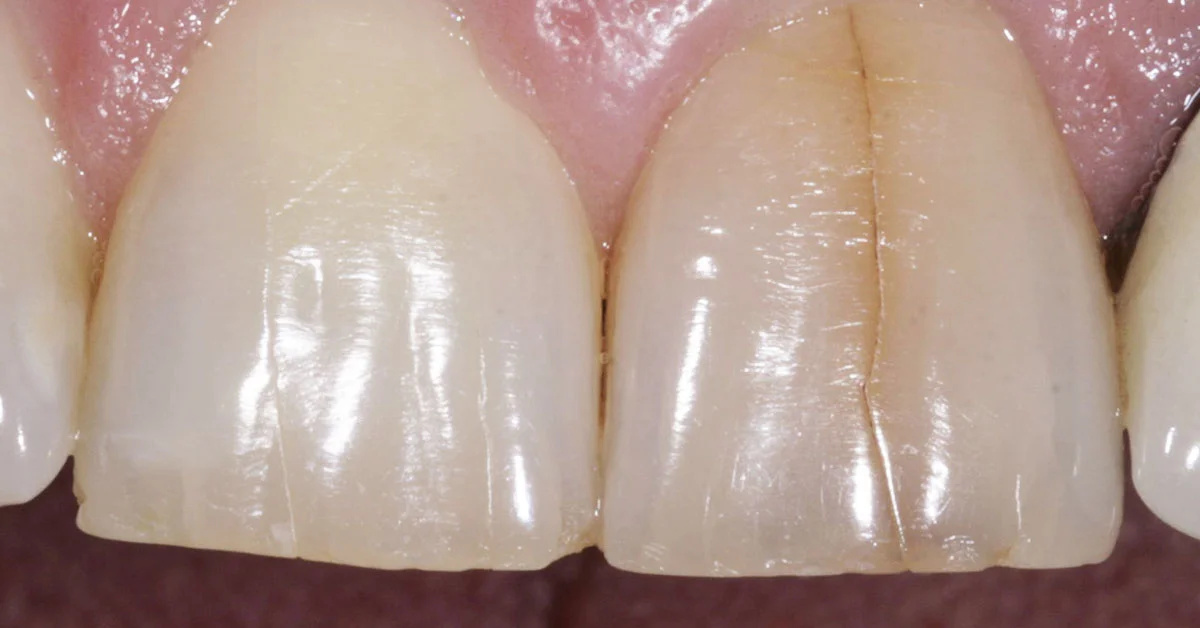
When patients discover a fracture line, they frequently ask: can cracked teeth heal on their own over time?
The definitive biological answer is no. Because dental enamel is a non-vascularized, non-living mineral structure, it cannot synthesize new cellular matrices to close an open fracture line. Without a professional cracked teeth fix, the natural flexing of the tooth during chewing will slowly force the fracture deeper.
To determine if can cracked teeth be repaired, our clinical team categorizes the damage into distinct structural structural types:
- Craze Lines: Superficial micro-fractures restricted entirely to the outer enamel. They are purely cosmetic, painless, and do not threaten structural stability.
- Fractured Cusp: A break that occurs around a chewing surface cusp, often next to an old filling. These are highly treatable and rarely involve the inner nerve.
- Cracked Tooth: A fracture extending vertically from the chewing surface downward toward the root. Timely intervention is essential to save the structural integrity of the tooth.
- Split Tooth: An unmanaged vertical crack that divides the tooth completely into two distinct structural segments.
- Vertical Root Fracture: A crack that begins deep within the root structure under the gumline, often showing few symptoms until surrounding bone tissue becomes inflamed.
Modern Restoration Options: Finding the Right Treatment
When determining what treatment for cracked teeth best suits your situation, a customized assessment is necessary. Your choice of treatment options for cracked teeth depends heavily on how far the line has moved toward the internal pulp tissue.
STRUCTURAL RESTORATION SELECTION MATRIX:
- [Enamel Contouring]: For superficial craze lines ➡️ Smooths & polishes the outer enamel surface.
- [Composite Bonding]: For minor localized cusp breaks ➡️ Seals the pathway using high-grade composite resin.
- [Porcelain Crowns]: For deep structural fractures ➡️ Encapsulates the entire tooth to prevent flexing.
- [Root Canal Therapy]: For cracks touching the nerve ➡️ Cleans out the pulp before securing the tooth with a crown.
At Stamboul, our primary goal is to preserve as much of your natural tooth structure as possible. If a vertical fracture has compromised the inner pulp chamber, performing a precise root canal treatment is necessary to remove the compromised tissue, eliminate bacterial biofilm, and seal the internal root canal system before securing a custom porcelain crown over the remaining tooth structure.
The Risks of Delay: How Long Can I Have a Cracked Tooth?
When a dental fracture does not cause immediate, sharp pain, patients often delay seeking care. They frequently ask: How long can I have a cracked tooth?
From a clinical standpoint, leaving a dental fracture untreated is highly risky. A cracked tooth can remain functional for several weeks or even months without severe symptoms, but every time you chew, the tooth flexes. This flexing forces oral fluids, microscopic food particles, and bacteria deeper into the internal structure of the tooth.
Over time, this movement introduces bacteria into the pulp chamber, which can lead to sudden pulp necrosis, a severe periapical abscess, or progressive bone loss along the root surface. What could have been safely repaired with a conservative dental crown can quickly turn into a complex emergency requiring a full tooth extraction. Early diagnostic detection is always the safest and most cost-effective approach.
Restorative Care and Advanced Diagnostics at Stamboul
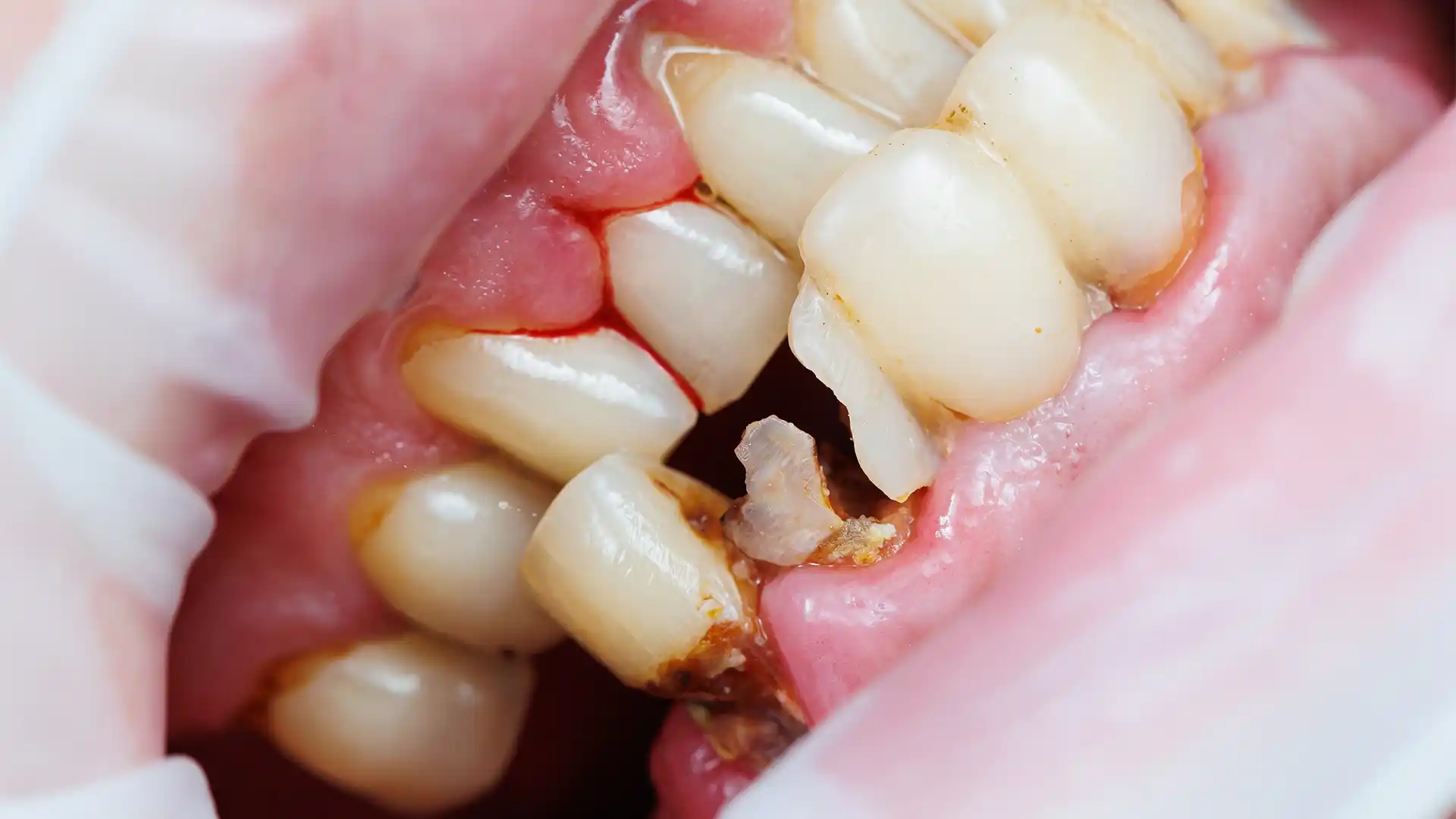
Managing dental structural issues requires advanced diagnostic technology and precise clinical execution. At Stamboul Dental Clinic in Istanbul, our operatories are equipped with high-resolution digital imaging and clinical dental microscopes to help our specialists identify subtle micro-fractures that are invisible to the naked eye.
Our custom treatment pathways prioritize long-term structural durability and natural smile aesthetics. We use high-performance materials, such as monolithic zirconia and lithium disilicate (E-Max) crowns, milled using precise in-house CAD/CAM technology, to reinforce fractured dental walls against daily biting forces.
For international patients traveling to Istanbul, Stamboul provides streamlined, high-efficiency appointment scheduling, ensuring your dental health is fully restored with minimal disruption to your travel itinerary.
Frequently Asked Questions (FAQ)
What causes cracked teeth?
They are primarily caused by physical trauma, chewing on hard foods or objects, structural stress from chronic teeth grinding (bruxism), structural weakening around large historical fillings, and rapid temperature changes from hot and cold items.
Can cracked teeth be repaired completely?
Yes, most dental fractures can be successfully repaired using modern restorative procedures such as composite resin bonding, porcelain veneers, or full-coverage protective crowns, depending on the depth and position of the crack.
Can cracked teeth heal on their own?
No, dental enamel cannot heal or grow back naturally. Unlike bone tissue, enamel is non-living and requires a professional dental solution to seal the structural fracture line and prevent further splitting.
What treatment for cracked teeth is recommended if the root is split?
If a vertical fracture splits the tooth completely across the root structure beneath the gumline, it can no longer be saved. The correct treatment is a gentle extraction followed by a dental implant to restore function and prevent bone loss.
How long can I have a cracked tooth before it becomes an emergency?
There is no safe timeline. A tooth can split further or develop a sudden, painful infection within days or weeks. It is best to have any suspected fracture evaluated by a professional as soon as possible to avoid complex root damage.
Über den Autor