Gamze Derince Whatsapp (Online)
A facelift is an effective way to minimize signs of aging and refine facial contours.
At Stamboul Clinic, we combine cutting-edge techniques with aesthetic expertise to deliver a natural and long-lasting outcome.
Our approach is designed to gently tighten the skin and provide you with a rejuvenated, refreshed glow.
Comprehensive aftercare and regular check-ups ensure lasting results and your satisfaction.
Gentle skin tightening for a fresh, vibrant look
Before & After: Your Transformation with Facelift
Discover the results of our facelifts. These before-and-after images showcase the natural rejuvenation and refreshed expression Stamboul Clinic can achieve.


A facelift, also known as rhytidectomy, reduces wrinkles and tightens facial contours.
As the skin ages, it loses elasticity, leading to sagging and wrinkles. A facelift provides a gentle approach to enhance your appearance and restore a youthful facial profile.
At Stamboul Clinic, we use advanced techniques for natural, long-lasting results.
The procedure involves multiple steps to achieve comprehensive rejuvenation.
After careful planning, excess skin is removed and the underlying tissue layers are tightened. The procedure typically takes a few hours, and most patients can return to their daily routine after a short recovery.
The result is a refreshed, firmer facial contour that feels and looks naturally rejuvenated.
Before & After: Natural Results of Your Facelift
Experience the positive transformations a facelift can achieve. These before-and-after images highlight Stamboul Clinic’s precision and aesthetic sensitivity.
You can visit our Instagram account for all our photos: Instagram
Facelift results are typically long-lasting and rejuvenating.
A facelift can maintain a youthful look for many years, smoothing the skin and restoring a youthful tension to facial contours.
Stamboul Clinic uses high-quality techniques and materials to provide a natural, enduring rejuvenation.
The recovery time varies but generally lasts around two weeks.
After a facelift, resting for a few days is recommended. Some swelling and mild bruising are normal and typically subside within two weeks. Most patients feel comfortable resuming daily activities by then.
Stamboul Clinic supports you throughout the healing process, ensuring you feel well cared for.
Stamboul Clinic places utmost importance on top-quality facelifts.
Our specialists use only certified materials and cutting-edge technology to provide a safe, reliable facelift. We ensure natural, aesthetically pleasing results.
About UsA facelift offers an effective way to maintain a youthful, lifted appearance.
Stamboul Clinic relies on modern techniques and top quality to guarantee natural, long-lasting outcomes. Trust our experienced team for optimal treatment.
Free Preliminary ExaminationFrequently Asked Questions (FAQ)
Before undergoing a facelift, many have questions about the procedure, aftercare, and long-term results. Here we answer the most common questions to help you achieve a rejuvenated, harmonious look.
Facelift surgery, also known as rhytidectomy, is one of the most effective aesthetic procedures for addressing visible signs of facial aging. As we grow older, skin loses elasticity, collagen, and firmness, leading to sagging features, wrinkles, and an overall tired appearance. A professionally performed facelift can restore natural facial contours, enhance the jawline and midface, and provide a refreshed, youthful look. Modern techniques focus on achieving natural results, ensuring the face looks rejuvenated rather than “operated.”
Patients often combine facelifts with complementary procedures such as eyelid surgery (blepharoplasty) or neck lifts to achieve harmonious results across the entire facial profile.
A facelift is a surgical procedure designed to tighten sagging facial skin, remove excess tissue, and lift underlying facial structures. Depending on individual needs, it can target multiple areas:
Advanced facelift techniques do more than tighten the skin’s surface. By addressing deeper tissue layers, including muscles and connective tissue, surgeons can achieve longer-lasting and more natural results.
Several facelift techniques are available, each tailored to specific patient needs, age, and skin condition:
Selecting the optimal technique requires an in-depth evaluation of facial anatomy and patient goals. A personalized consultation ensures the procedure aligns with individual needs.
The cost of a facelift varies based on factors such as the technique used, the extent of surgery, and surgeon expertise. Typical price ranges include:
| Procedure | Average Cost (USD) |
|---|---|
| Mini Facelift | $4,400 – $7,700 |
| Classic Facelift | $7,700 – $13,200 |
| Full Facelift with Neck Lift | $11,000 – $19,800 |
Comprehensive pricing often includes consultation, anesthesia, surgery, and postoperative care. While cost is important, patients should prioritize surgeon experience, clinic standards, and quality of care over price alone.
Turkey has become a major destination for aesthetic surgery, offering high-quality treatments at competitive rates. Typical costs for facelifts in Turkey range from $3,300 to $6,600, depending on the clinic, surgical method, and scope of the procedure. Many clinics provide full treatment packages for international patients, including:
The combination of modern medical infrastructure and comparatively affordable prices makes Turkey a popular choice for international patients seeking facelifts.
A facelift is a meticulous surgical process that requires careful planning and precision. The procedure generally includes the following stages:
The duration of surgery varies:
Patients can usually return home the same day or after an overnight stay, depending on the procedure’s complexity.
Recovery after a facelift is gradual and requires careful attention to postoperative instructions:
Adherence to post-surgical care avoiding sun exposure, using gentle skincare, and following surgeon recommendations is critical for optimal healing and scar minimization.
Facelift results are long-lasting but not permanent, as natural aging continues. Depending on the technique and patient factors, outcomes can remain visible for 8–15 years. A well-performed facelift can rejuvenate appearance by 8–12 years without altering natural facial identity. Factors influencing longevity include:
Some patients may choose minor touch-ups or complementary non-surgical treatments over the years to maintain optimal results.
Facelift surgery is generally safe when performed by experienced surgeons, but potential risks include:
A thorough consultation helps patients understand realistic outcomes and potential risks, ensuring informed decision-making.
For comprehensive facial rejuvenation, facelifts are often combined with other aesthetic procedures:
These combinations can create balanced, natural-looking results and enhance overall patient satisfaction.
Selecting a board-certified plastic surgeon with extensive facelift experience is critical. Personalized assessment ensures the appropriate technique, optimal timing, and realistic expectations. Many patients prefer autumn or winter months for surgery due to reduced sun exposure and easier post-operative care.
Ideal candidates are typically patients who notice progressive facial sagging but still have enough skin quality and underlying structure to support a natural-looking lift. In practice, candidacy is determined more by anatomy and tissue quality than by a strict age threshold.
Common features that often lead patients to consider facelift surgery include laxity in the lower face, jowling along the jawline, loss of midface support, and neck skin looseness. Patients are generally advised to be in good overall health, maintain stable weight, and have realistic expectations about improvement rather than perfection.
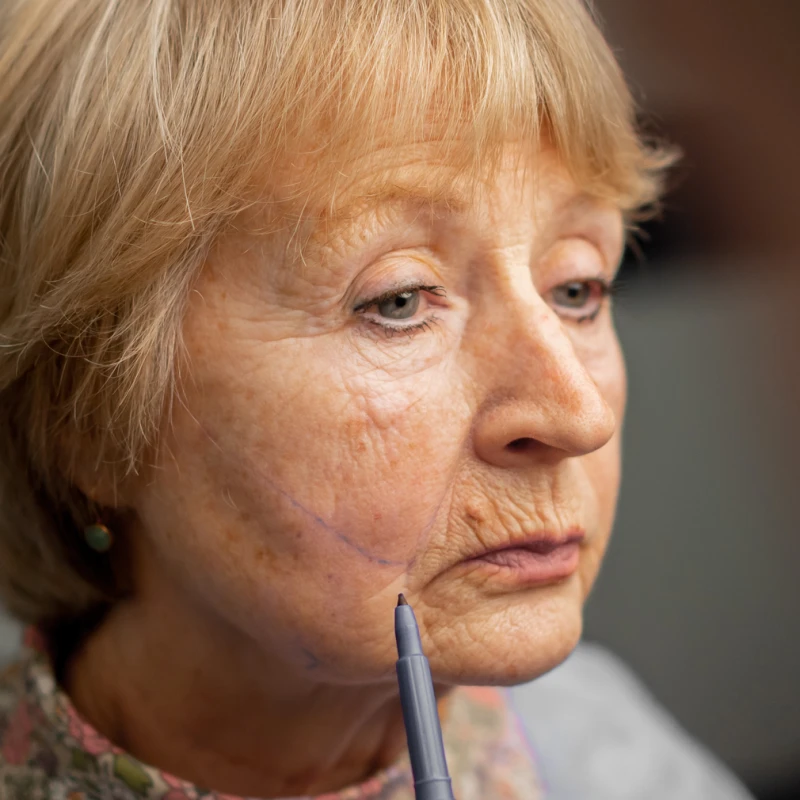
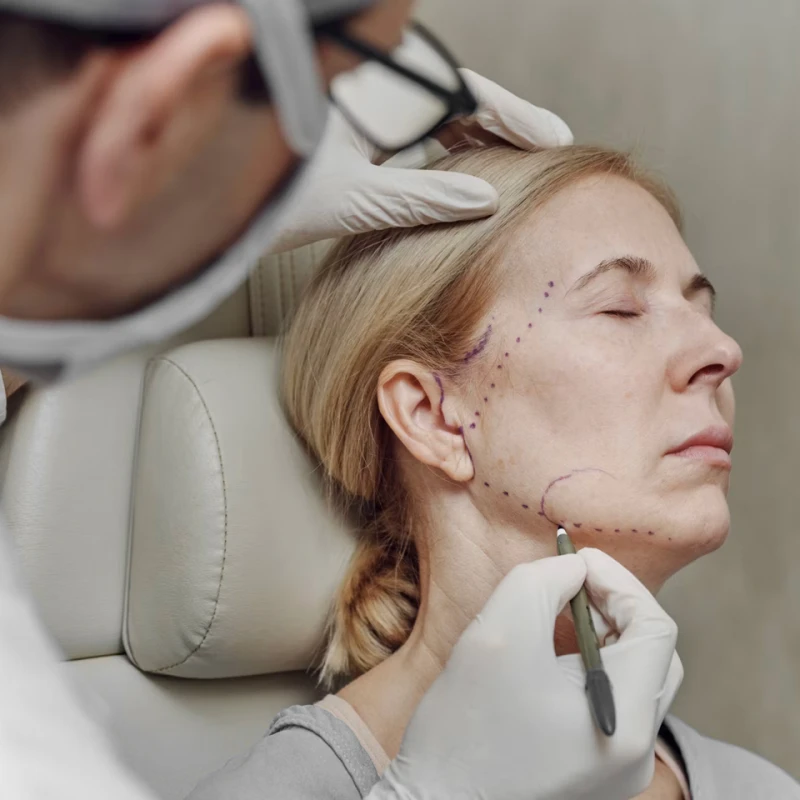
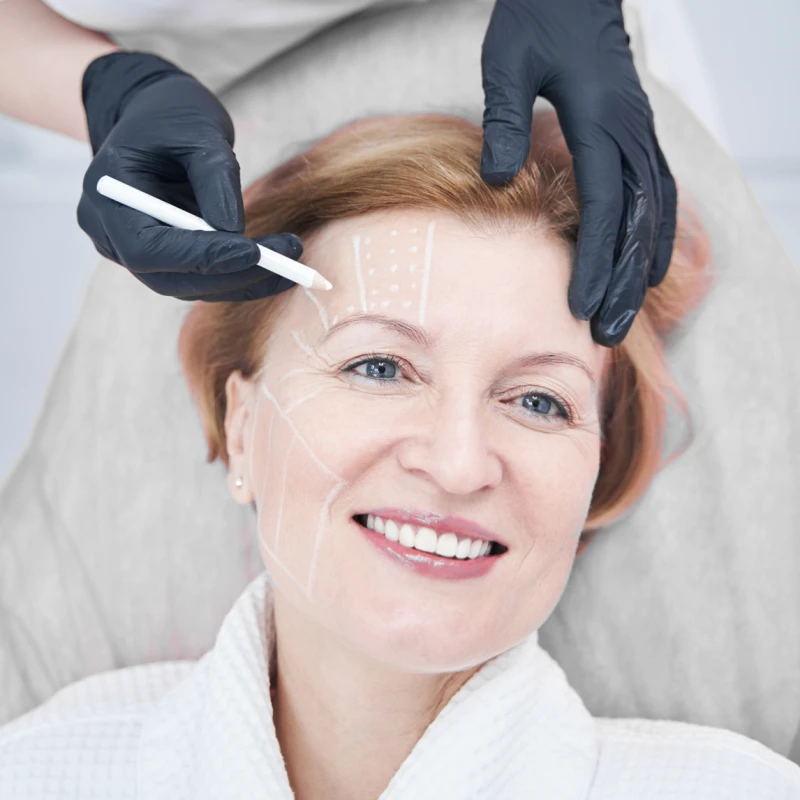
Facelift planning is highly individualized. During consultation, surgeons evaluate facial proportions, skin elasticity, depth of wrinkles, soft tissue descent, and neck involvement. This assessment helps determine whether a mini facelift, SMAS facelift, deep plane facelift, or facelift with neck lift is most appropriate.
Planning also includes a review of medical history, medications and supplements, smoking status, and any prior facial procedures. Detailed photographic analysis and discussion of aesthetic goals are typically used to align expectations and define a surgical strategy aimed at facial harmony.
Modern facelift techniques emphasize discreet incision placement. Incisions are commonly positioned around the ears and within the hairline to reduce visibility. The goal is to maintain natural hairlines and avoid telltale signs of surgery while allowing adequate access for tissue repositioning and tightening.
Scar appearance usually improves over time. Following clinic guidance on wound care, sun protection, and gentle skincare supports cleaner healing and better scar maturation, while avoiding tension on incision lines helps minimize widening or irregular scarring.
Many modern facelifts aim to address deeper layers rather than relying on skin tightening alone. By repositioning and supporting underlying tissues, surgeons can reduce lower-face heaviness, improve jawline definition, and maintain a natural expression. This approach is often associated with results that look refreshed rather than pulled.
When deeper tissue handling is performed precisely, it can improve longevity and reduce the risk of early relapse, especially in patients with more advanced tissue descent in the midface and jawline.
Facial aging frequently involves the neck as well as the lower face. If neck laxity is present, a neck lift component may be recommended to avoid a mismatch between a rejuvenated face and an untreated neck area. Tightening of platysma bands and careful removal of excess skin can help create a smoother cervical angle and more cohesive profile.
A harmonious outcome often depends on treating the face and neck as a single aesthetic unit, especially when jowling and submental fullness contribute to an aged or tired look.
After surgery, patients are typically advised to keep the head elevated, avoid bending or heavy lifting, and follow wound-care instructions closely. Swelling patterns can vary, and mild tightness is common during early healing as tissues settle into their new position.
When drains are used, they are generally temporary and help reduce fluid accumulation. Attending scheduled follow-up appointments supports safe healing, allows monitoring for early complications, and provides guidance on when to resume skincare, exercise, and normal routines.
Many patients plan time away from work and social activities to allow swelling and bruising to improve. While early changes may be visible within weeks, the face continues to refine over time as residual swelling resolves and tissues soften. The most natural “settled” look typically develops progressively rather than overnight.
Careful planning around important events is recommended, especially for patients combining procedures such as facelift with blepharoplasty or a neck lift, as combined treatments may extend visible recovery.
Although facelift surgery can significantly reset facial aging, ongoing lifestyle habits play a major role in preserving results. Sun protection, healthy nutrition, consistent skincare, and avoidance of smoking are commonly emphasized because they influence skin quality and collagen health over time.
Some patients choose maintenance treatments in later years such as botulinum toxin, fillers, or energy-based skin treatments to complement the structural improvements achieved by surgery and support long-term facial harmony.
Male facelift goals often focus on maintaining a natural, masculine appearance while improving jawline definition and reducing lower-face heaviness. Surgeons may adjust technique and incision planning to respect beard patterns, hairlines, and male facial proportions.
As with all facelift procedures, the objective is to restore a rested look without feminizing facial features or creating an unnatural tightness.
Some patients seek revision or secondary facelift surgery years after an initial procedure due to ongoing aging or changes in facial tissue. Revision cases require careful evaluation of scar tissue, skin quality, and prior surgical planes, and are typically performed by highly experienced surgeons.
When minor concerns arise, a full revision may not be necessary; in selected situations, smaller touch-ups or complementary treatments may provide the desired refinement.
Modern facelift surgery aims to restore facial contours while preserving identity. A successful outcome typically looks like a healthier, rested version of the same face rather than a different person. Understanding that aging continues despite long-lasting improvement helps patients evaluate results realistically and appreciate the gradual refinement that occurs throughout healing.
Natural Perfection in Aesthetics
#instagram #facebook #linkedin #tiktok
Whether you have questions about our services or concerns about your treatment – we are here to assist you.
Phone Number: +90 (530) 084 98 22
Email: info@stamboulclinic.com
Address: Kartaltepe Neighborhood, Süvari Street, Block D, No:10, Apartment D7, Küçükçekmece, Istanbul, Turkey
© 2025 All right reserved.