When it comes to achieving a flawless smile, the debate between Porcelain vs. Composite Veneers has become one of the most discussed topics in modern dentistry. Both options promise aesthetic improvement, yet they differ in durability, cost, maintenance, and long-term performance. Understanding these differences is crucial before deciding which route to take.
İçindekiler
- Understanding Porcelain vs. Composite Veneers
- Durability and Strength Comparison
- Aesthetic Differences Between Porcelain and Composite Veneers
- Cost Considerations for Porcelain vs. Composite Veneers
- Maintenance and Longevity
- Procedure Complexity and Timeframe
- Choosing Between Porcelain vs. Composite Veneers
- Scientific Insights and Research Trends
Understanding Porcelain vs. Composite Veneers
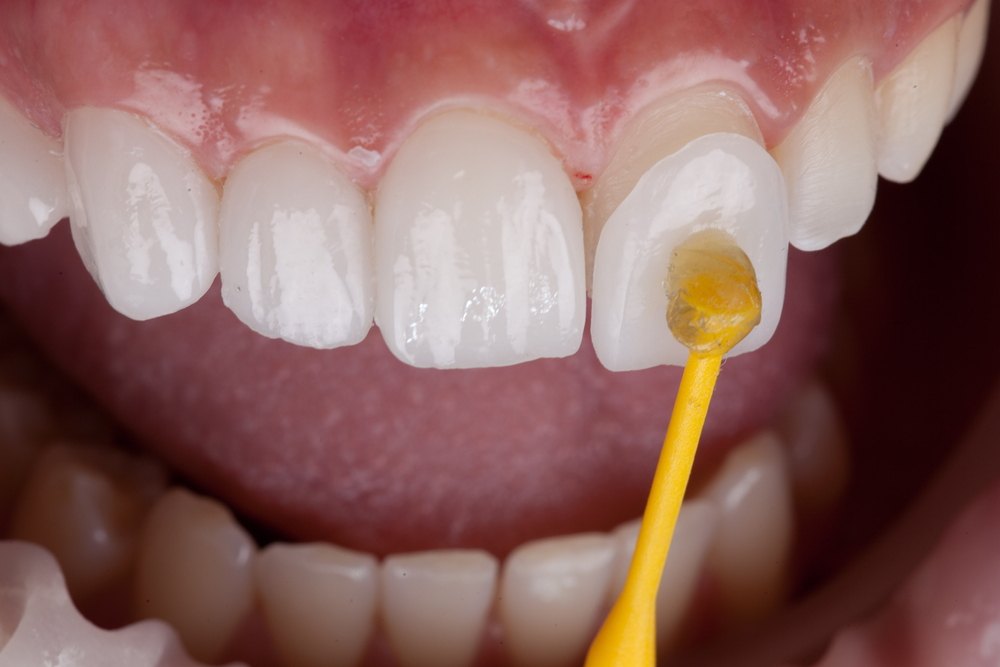
Porcelain veneers are thin ceramic shells bonded to the front of teeth. They are celebrated for their lifelike translucency and resistance to stains. On the other hand, composite veneers involve a resin material applied directly to the tooth and sculpted by the dentist. While composite veneers are more affordable and quicker to apply, they may be more prone to discoloration and minor wear.
Scientific studies indicate that porcelain veneers typically last between 10–15 years with proper care, while composite veneers may last 5–7 years. This longevity difference is a pivotal factor for patients seeking a durable cosmetic solution.
Durability and Strength Comparison
When comparing Porcelain vs. Composite Veneers, durability is a primary consideration. Porcelain, being a ceramic, is stronger and more resistant to chipping than composite resin. Laboratory stress tests show that porcelain veneers can withstand higher bite forces, making them suitable for patients with teeth grinding habits.
Composite veneers, while more flexible, can fracture under excessive pressure. Their strength can be enhanced with advanced bonding techniques, but overall, porcelain veneers maintain a superior edge in long-term resilience. Patients with active lifestyles or sports involvement often benefit more from porcelain options.
Aesthetic Differences Between Porcelain and Composite Veneers
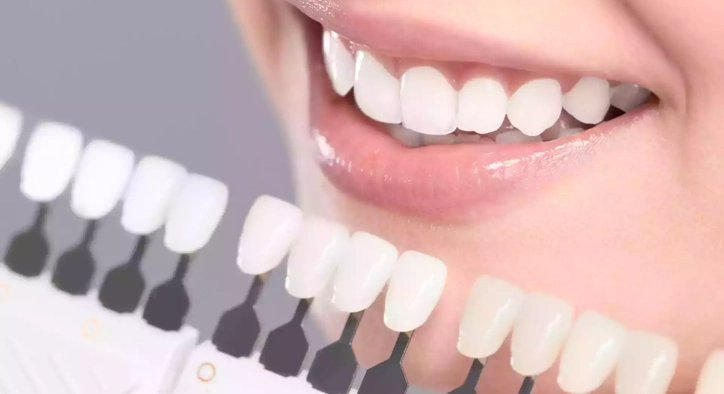
A key selling point of veneers is their ability to mimic natural teeth. Porcelain veneers reflect light in a manner almost identical to enamel, offering a glossy and vibrant smile. Composites, although versatile, may appear slightly opaque and can stain over time.
Color customization is more precise with porcelain veneers, as lab fabrication allows for layering and translucency adjustments that are difficult to achieve chairside with composites. For those prioritizing aesthetics above all else, porcelain is often the preferred choice.
Cost Considerations for Porcelain vs. Composite Veneers
Financial factors significantly influence patient decisions. Composite veneers are generally 30–50% cheaper than porcelain, as they are applied in one visit without laboratory involvement. Porcelain veneers, requiring lab fabrication and multiple appointments, involve higher material and labor costs.
However, cost per year may favor porcelain due to its longevity. Patients might spend less upfront with composites but face replacement sooner, making porcelain potentially more cost-effective over a decade-long timeline.
Maintenance and Longevity
Maintenance protocols differ between Porcelain vs. Composite Veneers. Porcelain is highly stain-resistant and typically only requires routine dental hygiene brushing, flossing, and regular check-ups. Composite veneers, however, may need occasional polishing and repair due to staining or chipping.
Studies highlight that composite veneers, while reparable, are more prone to minor aesthetic wear. Porcelain’s superior hardness makes it less susceptible to discoloration, providing a consistently pristine appearance with minimal intervention.
Procedure Complexity and Timeframe
The application process for Porcelain vs. Composite Veneers also varies. Composite veneers can often be completed in a single appointment, directly sculpted on the teeth by the dentist. Porcelain veneers require a two-step process: initial tooth preparation and impression taking, followed by lab fabrication and final bonding.
This difference affects patient convenience. Individuals seeking a quick aesthetic fix may lean toward composites, while those prioritizing longevity and superior aesthetics may accept the longer porcelain process.
Choosing Between Porcelain vs. Composite Veneers
Decision-making involves multiple factors: budget, aesthetic goals, lifestyle, and desired durability. A patient who values high-gloss, stain-resistant, and long-lasting results may prefer porcelain veneers. Conversely, a patient seeking affordability and immediate results might opt for composite veneers.
Modern dentistry allows for hybrid approaches too. Some patients choose porcelain for front teeth where aesthetics are paramount and composite for less visible areas to balance cost and appearance. Consulting with a skilled cosmetic dentist ensures a personalized plan aligned with individual needs.
Scientific Insights and Research Trends
Recent studies underscore the evolving quality of both veneer types. Innovations in composite resin materials have enhanced strength and polish retention, narrowing the gap with porcelain. Meanwhile, laboratory advancements in porcelain fabrication allow ultra-thin veneers that require minimal tooth reduction, preserving natural enamel.
A comparative analysis of patient satisfaction reports shows both types achieving high aesthetic approval, yet porcelain consistently ranks higher in long-term satisfaction due to durability and color stability.
In conclusion, the debate of Porcelain vs. Composite Veneers is not about one being universally superior but about matching the material to the patient’s unique priorities. Porcelain excels in aesthetics, longevity, and resistance to wear, while composite offers affordability, speed, and ease of repair. Understanding these nuances enables informed decisions and sets realistic expectations.
Whether you aim for a Hollywood smile or subtle cosmetic improvement, a tailored approach guided by research and clinical expertise ensures optimal outcomes.
About the Author