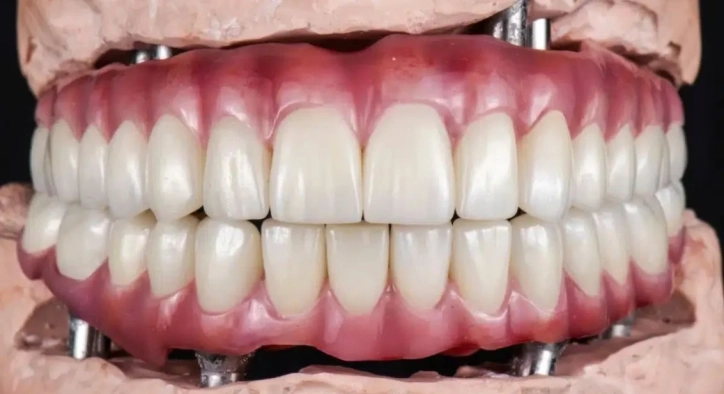
Living with extensive tooth loss, severe periodontal disease, or failing traditional dentures significantly limits daily life, impacting nutritional intake, clear speech, and self-confidence. For decades, traditional removable prosthetics were the standard solution for complete edentulism (total tooth loss). However, these appliances routinely slip, accelerate bone loss, and cause sore spots along the gums. Today, modern oral surgery has established a permanent solution: full mouth dental implants.
At Stamboul Clinic, we combine high-resolution 3D digital jaw mapping with premium implant systems to rebuild complete oral function. If you are researching choices to restore your chewing capability, evaluating specialized full mouth dental implants for seniors, or looking into an organized full mouth dental implants Turkey journey, this guide delivers deep clinical insights into surgical options, timelines, and package structures.
Table of Content
- What Are Full Mouth Dental Implants? The Fixed Arch Architecture
- Full Mouth Dental Implants for Seniors Suitability
- The Care Cycle: Understanding the Full Mouth Restoration Process
- Analyzing the Cost of Full Mouth Dental Implants
- Comprehensive Pricing Matrix: Global Structural Costs in 2026
- Frequently Asked Questions (FAQ)
What Are Full Mouth Dental Implants? The Fixed Arch Architecture
To establish a clear medical foundation, let us analyze the mechanics behind a complete smile reconstruction. A full mouth dental implants Turkey treatment does not mean placing an individual implant post for every single missing tooth, as this would over-crowd and damage the jawbone structure.
Instead, a complete restoration utilizes a strategic framework. A fixed, custom-shaded prosthetic bridge replacing an entire arch of 12 to 14 teeth is securely supported by a minimal number of titanium posts surgically anchored into the bone.
THE STRUCTURAL IMPLANT ARCHITECTURES:
- All-on-4 Configuration: 4 Titanium posts placed in the anterior and angled in the posterior; ideal for moderate bone volume.
- All-on-6 Configuration: 6 Titanium posts spread evenly across the arch; distributes chewing force across extensive bone surface.
- Fixed Hybrid Bridge: A computer-milled zirconia or porcelain superstructure permanently screwed onto the implant anchors.
The titanium anchors function as bio-compatible artificial roots. Through a process called osseointegration, the living bone tissue grows around the porous titanium surface over several months, locking the hardware into place. This process provides a stable foundation that delivers near-natural chewing strength and keeps the surrounding jawbone from shrinking.
Full Mouth Dental Implants for Seniors Suitability
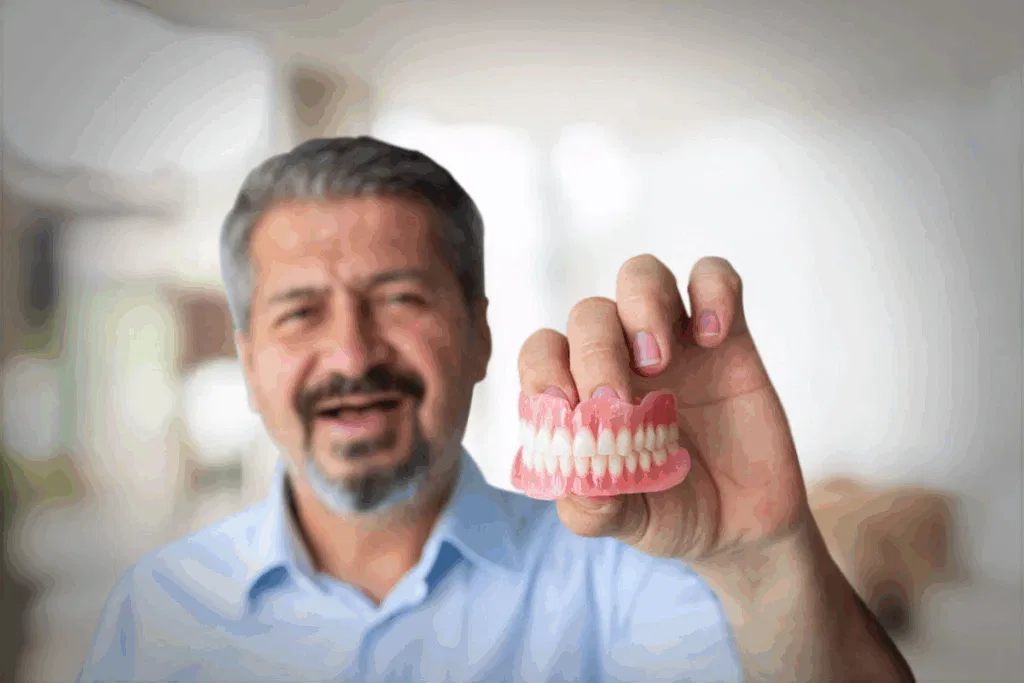
A frequent concern among patients in their 70s and 80s revolves around safety, leading to the common query: Is age a limiting factor for advanced oral surgery?
The clinical data from 2025 and 2026 confirms that full mouth dental implants for seniors are exceptionally safe and highly successful, provided the patient possesses controlled systemic health. Age itself is not a contraindication.
SENIOR RISK MANAGEMENT PROTOCOLS:
- Medical Screening: Complete evaluation of systemic parameters (e.g., managed blood pressure, Hba1c levels for diabetes).
- Bone Density Check: Utilizing 3D CBCT scans to locate pockets of healthy bone, avoiding the need for complex bone grafts.
- Flapless Techniques: Implementing computer-guided surgical templates to place implants through micro-incisions, reducing bleeding.
For elderly individuals who have worn traditional dentures for years, progressive bone shrinkage is common. For these specific conditions, our specialists implement angled placement protocols (such as All-on-4 or All-on-6 layouts). By angling the rear titanium posts, we anchor them into dense areas of the jawbone, bypassing thin sections and avoiding the need for extensive bone grafting or sinus lift procedures.
The Care Cycle: Understanding the Full Mouth Restoration Process
Undergoing a complete smile reconstruction is a highly planned process that requires two separate visits to Istanbul over a 3-to-6-month healing window:
Phase 1: 3D Diagnostics, Atraumatic Extractions, and Primary Placement
During your first visit, your jaw is scanned using 3D CBCT imaging to evaluate bone density and locate critical nerves. Any remaining damaged or failing teeth are gently removed. The titanium implant anchors are then surgically placed into the jawbone.
Before you leave the chair, our lab prepares and fits a comfortable, customized provisional fixed bridge. This temporary teeth set keeps you smiling and chewing soft foods comfortably during your initial healing phase, ensuring you never have to spend a day without teeth.
Phase 2: Osseointegration and Final Permanent Restoration
You return to Stamboul Clinic after 3 to 6 months. During this time, the titanium posts integrate with your jawbone tissue.
Our laboratory captures high-precision digital impressions to craft your permanent, custom-shaded zirconia or porcelain superstructure. This final bridge is securely screwed onto the integrated anchors, delivering a durable, radiant smile that functions just like natural teeth.
Analyzing the Cost of Full Mouth Dental Implants
A major consideration before choosing advanced surgery is the financial investment. Patients routinely look up information regarding the global cost of full mouth dental implants, trying to plan their budget across different regions.
Private clinics in the United States, Canada, the UK, and Western Europe charge a high premium for complete oral rehabilitations, with a full-mouth double-arch treatment often ranging from $40,000 to $80,000.
Choosing a full mouth dental implants Turkey price package allows international patients to access identical, certified premium materials at a fraction of the cost, usually bundled within clear all-inclusive formats.
Comprehensive Pricing Matrix: Global Structural Costs in 2026
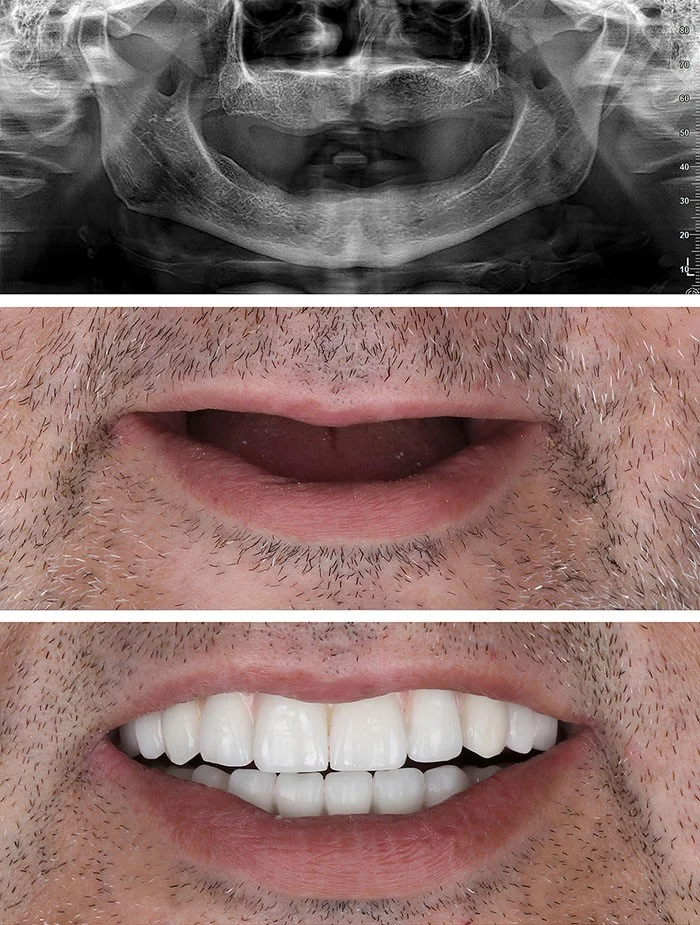
The table below provides an estimated cost framework for full mouth restorations across major international dental hubs, highlighting the financial benefits of traveling to Istanbul:
Treatment Configuration & Framework | Average Cost in USA | Average Cost in UK | Average Cost at Stamboul (Turkey) |
All-on-4 Fixed Arch (Per single jaw arch) | $19,000 – $30,000 | £12,000 – £20,000 | €2,800 – €4,500 |
All-on-6 Fixed Arch (Per single jaw arch) | $24,000 – $38,000 | £14,000 – £25,000 | €3,500 – €6,000 |
Full Mouth Dual Restoration (Both jaws complete) | $40,000 – $80,000 | £25,000 – £40,000 | €7,000 – €11,500 |
Note: The highly optimized pricing in Turkey is driven by lower local laboratory and operational overhead, supportive national infrastructure for medical tourism, and favorable currency exchange dynamics.
Frequently Asked Questions (FAQ)
Are full mouth dental implants a good idea?
Yes, absolutely. For patients suffering from extensive tooth loss, severe periodontal decay, or loose dentures, full mouth implants are an exceptional long-term investment. They restore natural chewing function, prevent jawbone shrinkage, and provide a permanent boost to self-confidence.
Can you have a full mouth of dental implants?
Yes. A full mouth restoration replaces all missing teeth across the upper and lower jaws using a strategic network of 4 to 6 titanium implants per arch to support permanent, full-arch bridges safely.
How much do full mouth dental implants cost in Turkey?
In 2026, a comprehensive dual-arch full-mouth implant package utilizing certified premium titanium brands typically ranges from €7,000 to €11,500, depending on the number of anchors and the selected prosthetic material (zirconia or porcelain).
Can seniors safely receive full mouth implants?
Yes. Advanced age is not a barrier to implant surgery. As long as age-related chronic conditions like diabetes or high blood pressure are controlled, elderly patients can undergo the procedure comfortably and benefit from improved nutrition and lifestyle quality.
How many trips to Turkey are required for a full mouth implant treatment?
The procedure requires two separate visits to Istanbul. The first trip takes about 5 to 7 days for implant placement and temporary bridge fitting. The second trip occurs 3 to 6 months later, taking around 7 to 10 days to fabricate and attach your final permanent bridges.
Über den Autor