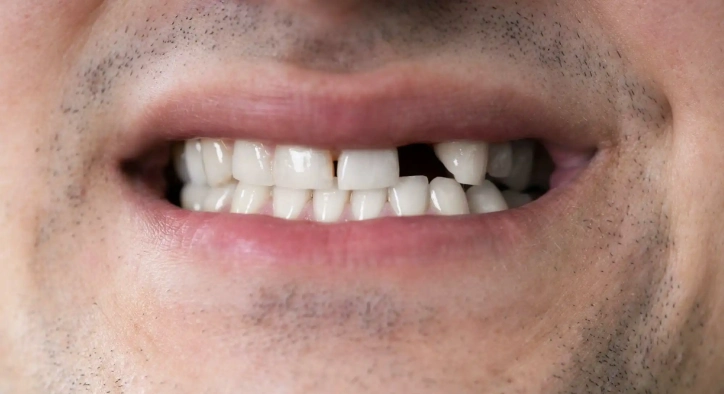
In the realm of modern restorative dentistry, the most sophisticated prosthetic will never truly replace the biological perfection of a natural tooth. While dental implants have reached incredible success rates, tooth loss prevention remains the primary objective of high-level clinical practice. A missing tooth is not merely an aesthetic gap; it represents a disruption in the oral ecosystem that can lead to bone resorption, shifting of adjacent teeth, and a decline in nutritional health.
Many patients wonder, do adult teeth fall out simply due to the passage of time? The reality is that tooth loss is almost always a symptom of an underlying condition rather than a natural consequence of aging. Whether it is a tooth about to fall out due to advanced decay or a gradual loosening caused by chronic inflammation, understanding how to prevent tooth loss is essential for maintaining your quality of life. At Stamboul, we prioritize a philosophy of preservation, utilizing technology to catch issues before they become irreversible.
Table of Content
- Beyond Aesthetics: Why Preserving Natural Teeth is Stamboul Clinic’s Priority
- The Silent Threat: How Gum Disease Leads to Tooth Loss
- Innovative Diagnostic Tools: Using AI and 3D Scans for Early Detection
- From Scaling to Root Canals: Clinical Interventions That Save Teeth
- Lifestyle & Bio-Hacking Your Oral Health: 2026 Habits for Longevity
- Tooth Loss Prevention Across Different Life Stages
- Stamboul Clinic’s Signature Care: Your Personalized Smile Protection Plan
- Frequently Asked Questions (FAQ)
Beyond Aesthetics: Why Preserving Natural Teeth is Stamboul Clinic’s Priority
The debate between tooth loss prevention vs. dental implants: Why saving your natural tooth is better often comes down to biomechanics. A natural tooth is anchored by the periodontal ligament, which acts as a sensor and shock absorber for your jaw. When you experience a tooth missing, you lose this delicate feedback loop.
Preventative dentistry at Stamboul Clinic focuses on biomimetic restorations and structural reinforcement. By maintaining the natural root, we ensure the surrounding alveolar bone preservation continues naturally. This approach avoids the need for complex surgeries such as how to prevent jaw bone loss after tooth extraction, as the tooth itself provides the necessary stimulation to keep the jawbone dense and healthy.
The Silent Threat: How Gum Disease Leads to Tooth Loss

If you are investigating how to prevent tooth loss from gum disease, it is vital to understand the progression of gingivitis and periodontitis. Gum disease is often called a "silent" threat because it typically causes little pain until a tooth is literally falling out. It starts with a buildup of bacterial biofilm that irritates the gum tissue and eventually dissolves the bone support.
For those asking, can gum disease leading to tooth loss be reversed?, the answer depends on the stage. While early gingivitis is entirely reversible, advanced periodontitis requires professional management to halt its progress. This is where clinical expertise becomes a lifeline.
The Role of Soft Tissue Support
One frequently asked question is: will gum grafts prevent tooth loss? When gum recession occurs, the root becomes exposed, leading to instability. In these cases, do gum grafts prevent tooth loss? Yes, by reinforcing the soft tissue barrier, a graft can stabilize a loose tooth and prevent further attachment loss.
Innovative Diagnostic Tools: Using AI and 3D Scans for Early Detection
The future of tooth loss prevention lies in predictive data. At Stamboul, we employ AI-Powered Diagnostics to scan for the earliest signs your teeth are falling out. These systems can detect microscopic changes in bone density and identify hidden infections that traditional X-rays might miss.
By integrating 3D scans and AI, our team can practice interdisciplinary dental care. For instance, if we identify a high-risk area, we can implement preventive smile protection protocols immediately. This data-driven approach is also crucial for patients wondering how to prevent bone loss after tooth extraction if an extraction is truly the only option; it allows for precise planning of immediate socket preservation.
From Scaling to Root Canals: Clinical Interventions That Save Teeth
When a tooth is under threat, several micro-invasive dentistry procedures can act as a "save."
- Scaling and Root Planing: A deep cleaning that removes toxins from the roots, allowing gums to reattach.
- Root Canal Therapy: Often the final line of defense, root canal therapy removes infection from the pulp while keeping the tooth's outer structure intact.
- Bespoke Occlusal Adjustments: Ensuring an occlusal balance prevents excessive force on specific teeth, which is a common but overlooked cause of teeth falling off.
Many patients ask, can a loose tooth be saved from falling out? In many cases, through splinting and intensive periodontal therapy, we can stabilize the tooth and allow the supporting tissues to heal.
Lifestyle & Bio-Hacking Your Oral Health: 2026 Habits for Longevity
How to prevent tooth loss due to aging in 2026? It requires looking at the mouth as part of the whole body. Inflammation in the gut or cardiovascular system often mirrors inflammation in the gums.
Focus Area | Actionable Habit | Clinical Goal |
Oral Microbiome | Using pH-balancing rinses | Enamel Integrity |
Nutritional Density | High Vitamin D3 and K2 intake | Alveolar Bone Preservation |
Digital Prophylaxis | Smart brushing with pressure sensors | Prevent tooth enamel loss |
Inflammation Control | Managing blood sugar levels | Gingivitis and Periodontitis control |
A critical factor for many is tobacco use. Does smoking always lead to tooth loss? While not everyone who smokes will lose their teeth, the risk is exponentially higher. Smoking restricts blood flow to the gums, masking symptoms like bleeding and making tooth loss prevention much more difficult.
Tooth Loss Prevention Across Different Life Stages
The strategy for how to prevent tooth loss must adapt as we age or undergo biological changes.
Pregnancy and Hormonal Shifts
How to prevent tooth loss during pregnancy? Hormonal surges can increase the inflammatory response to plaque, leading to "pregnancy gingivitis." Meticulous digital prophylaxis and professional cleanings are essential during this time to prevent long-term damage to the periodontal ligament.
The Challenge of Old Age
For those wondering how to prevent tooth loss in old age, the focus shifts to managing dry mouth (xerostomia), often caused by medications. Saliva is the primary defense for enamel integrity. Without it, decay can progress rapidly. Learning how to prevent tooth loss in elderly patients involves specialized fluoride treatments and frequent monitoring to catch decay before it reaches the nerve.
Stamboul Clinic’s Signature Care: Your Personalized Smile Protection Plan
At Stamboul, we don't believe in "one-size-fits-all" dentistry. Our bespoke smile protection plan is built on your unique genetic and lifestyle profile. We look at everything from your bite alignment to your saliva pH to determine your risk factors for lost teeth.
Whether we are implementing root canal therapy to save a single tooth or coordinating interdisciplinary dental care for full-mouth health, our goal is to ensure you never have to deal with a tooth missing. We believe that Best strategies for tooth loss prevention in adults involve a partnership between the patient and a clinical team that uses every tool available—from 3D imaging to biomimetic materials.
Frequently Asked Questions (FAQ)
What is the most common cause of tooth loss?
The primary culprit is periodontal (gum) disease. It is a chronic infection that slowly eats away at the bone and ligaments that hold your teeth in place.
How often should I have a professional cleaning to prevent tooth loss?
While twice a year is the standard, patients with early signs of gingivitis and periodontitis may require a visit every 3 to 4 months to maintain periodontal health.
Is tooth loss inevitable as we age?
No. While wear and tear occur, how to prevent tooth loss in old age is well-documented. With proper hygiene and professional care, your natural teeth are designed to last a lifetime.
How can I prevent bone loss if I’ve already lost a tooth?
Understanding how to prevent jaw bone loss after tooth extraction is crucial. Dental implants are the best way to stimulate the bone, but if an implant isn't immediate, a bone graft during the extraction can help.
Can a loose tooth be fixed?
It depends on the cause. If the looseness is due to gum disease or trauma, we may be able to save it through deep cleaning, splinting or root canal therapy.
Über den Autor