The field of reconstructive prosthodontics has moved rapidly away from prolonged, multi-stage therapeutic journeys toward streamlined, micro-invasive workflows that minimize patient downtime. Historically, replacing a severely fractured or non-restorable tooth required a protracted waiting period. Patients had to undergo an extraction, wait several months for the extraction socket to heal, undergo implant placement, and then wait several more months before a final crown could be fitted. Today, advanced bio-mechanical engineering has established a premier clinical alternative: immediate implants.
At Stamboul Dental Clinic, we systematically implement state-of-the-art digital diagnostics to optimize structural stability and shorten recovery timelines. Understanding the mechanics behind immediate implants dental protocols requires analyzing how a titanium or zirconia post can be securely anchored into a fresh extraction site. Whether you are exploring options for immediate implants after extraction to restore a prominent front tooth or comparing conventional implants vs immediate implants to find the right path for your health, this exhaustive guide delivers deep medical insights into procedural steps, criteria for selection, and pricing realities.
Table of Content
- What is an Immediate Dental Implant? The Single-Stage Surgery Concept
- Biomechanical Mechanics: How Immediate Implants Work After Extraction?
- Conventional Implants vs. Immediate Implants: A Detailed Structural Comparison
- Strict Candidate Selection: Who Can Get Immediate Dental Implants?
- Immediate Loading Mechanics: The Reality of Same Day Dental Implants
- Analyzing the Cost of Immediate Placements
- Frequently Asked Questions (FAQ)
What is an Immediate Dental Implant? The Single-Stage Surgery Concept
To establish a clear medical foundation, let us define exactly what is the difference between conventional and immediate implants regarding surgical timing. A conventional implant protocol is a delayed approach; it requires a waiting window of 3 to 6 months following an extraction to allow the underlying alveolar bone to fill the empty socket completely before any titanium hardware is introduced.
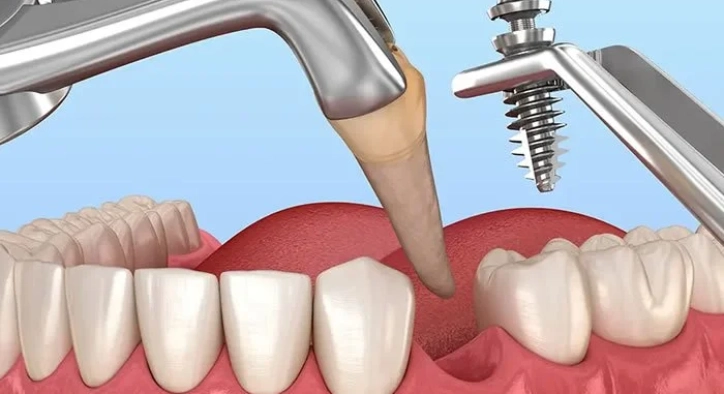
Conversely, an immediate implant protocol combines tooth extraction and implant placement into a single surgical session.
SURGICAL WORKFLOW AND TIMING COMPARISON:
- [Conventional Journey]: Atraumatic Extraction ➡️ 3-6 Months Bone Healing ➡️ Implant Placement ➡️ 3 Months Osseointegration ➡️ Crown
- [Immediate Journey]: Atraumatic Extraction ➡️ Instant Implant Placement & Bone Grafting ➡️ Immediate Temporary Crown ➡️ Final Crown
By placing the bio-compatible titanium anchor directly into the fresh socket immediately after removing the natural root, the clinician takes advantage of the body's natural healing response. This approach preserves the surrounding soft tissue architecture and significantly reduces the total time a patient spends waiting for a permanent tooth replacement.
Biomechanical Mechanics: How Immediate Implants Work After Extraction?
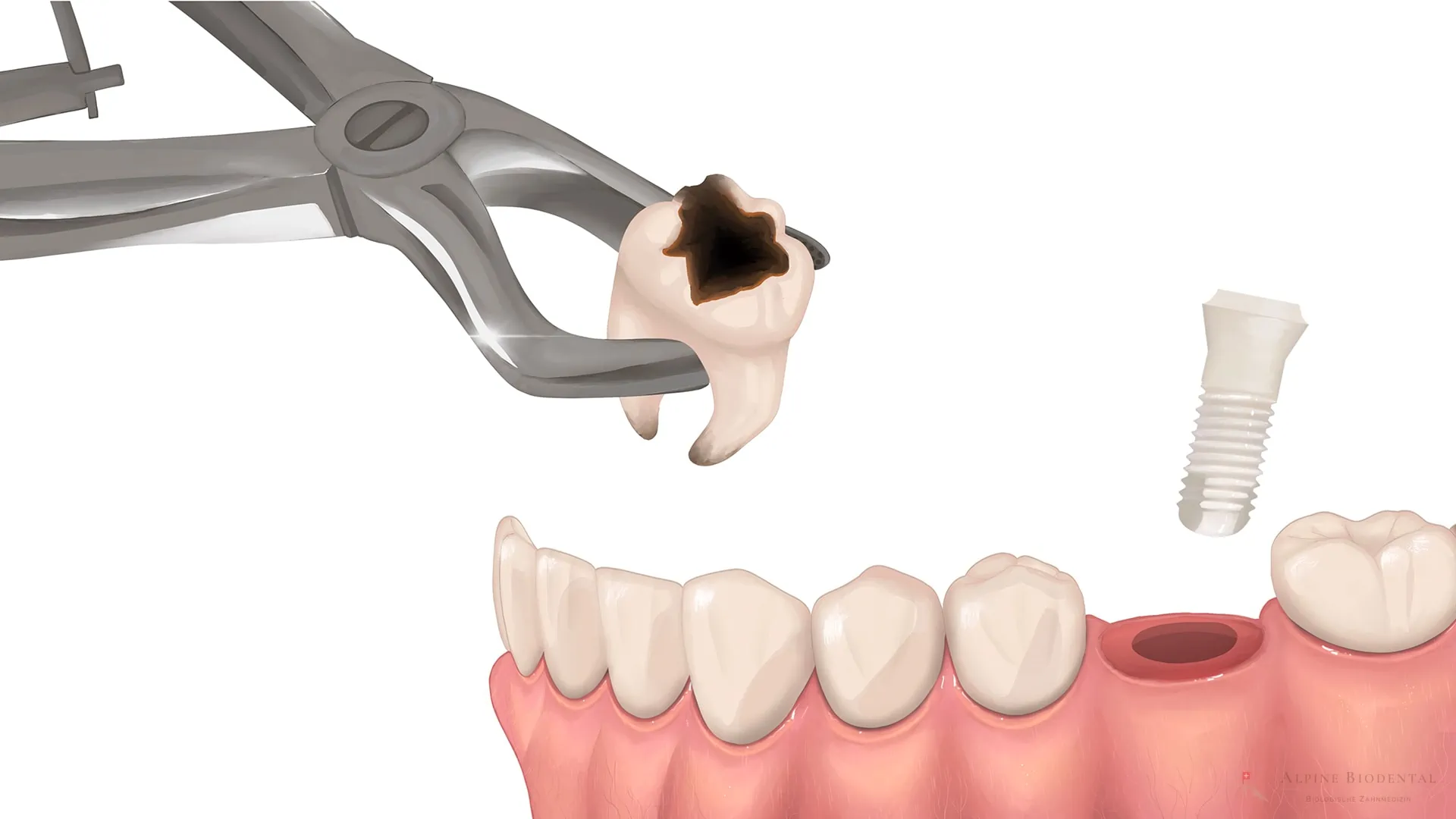
A common concern among prospective patients checking immediate implants after extraction revolves around structural security: How can an implant stay stable inside a hole left by a recently extracted tooth root? The answer lies in precise surgical technique and advanced implant thread design.
When performing a tooth extraction and immediate implant placement session, the oral surgeon must first execute a completely atraumatic extraction. Using specialized micro-surgical instruments called periotomes or piezosurgery tools, the tooth root is gently separated from the periodontal ligament without damaging the thin surrounding walls of the bony socket.
THE STABILIZATION AND BONE GRAFTING SEQUENCE:
- Step 1: Atraumatic Extraction ➡️ The natural root is gently removed, keeping the bony socket walls completely intact.
- Step 2: Apical Engagement ➡️ The implant is driven past the socket base into dense bone to achieve high torque.
- Step 3: Gap Management ➡️ The empty space between the round implant and the irregular socket is packed with bone graft.
- Step 4: Platform Switching ➡️ A protective barrier protects the soft tissue collar, ensuring optimal long-term gum health.
Because an extraction socket is irregularly shaped while a dental implant post is round, an empty space remains between the implant shell and the bone walls. To achieve primary stability, the surgeon selects an implant with aggressive, self-tapping threads and drives it slightly deeper, anchoring it directly into the dense, untouched bone past the base of the socket.
The remaining empty gap is then packed with premium biocompatible bone graft granules to guide bone regeneration, ensuring the implant integrates firmly into a solid foundation over the following months.
Conventional Implants vs. Immediate Implants: A Detailed Structural Comparison
When deciding on the best way to rebuild a smile, evaluating conventional implants vs immediate implants requires assessing your specific bone density, structural anatomy, and the position of the missing tooth. Both systems deliver excellent long-term success rates when performed under proper medical conditions, but their workflows offer completely different experiences:
Clinical Feature & Metrics | Conventional Delayed Implants | Immediate Post-Extraction Implants |
Total Surgical Appointments | Multiple sessions (Separated by months of healing) | Single combined session (Extraction + Placement) |
Total Treatment Duration | 6 to 9 months average from start to finish | 3 to 4 months average (Instant restoration possible) |
Soft Tissue Preservation | Higher risk of gum recession and flattened papillae | Exceptional preservation of natural gum contours |
Alveolar Bone Maintenance | Bone naturally shrinks slightly during the waiting phase | Preserves bone volume by providing instant structural support |
Primary Structural Indication | Active infection present, low bone density, molar zones | Fractured front teeth, healthy bone, single-rooted zones |
Strict Candidate Selection: Who Can Get Immediate Dental Implants?
While the idea of walking out of the clinic with a new tooth on the same day is highly appealing, an honest clinical review must emphasize that immediate implants dental workflows require strict candidate screening. Not every extraction site can safely support immediate placement.
CLINICAL SELECTION SUITABILITY MATRIX:
- [Ideal Candidates]: Healthy jawbone density, intact socket walls, zero active infections, excellent systemic health.
- [Absolute Exclusions]: Severe localized bone loss, active periapical abscess, unmanaged diabetes, heavy smoking habits.
The single most critical prerequisite for an immediate placement is the complete absence of active infection at the root site. If a tooth is being removed due to a severe, pus-producing bacterial abscess, placing a titanium post directly into that infected site is contraindicated. The bacteria can quickly attack the raw surface of the titanium, leading to early failure.
Additionally, the patient must possess sufficient bone density past the socket base to achieve a high initial insertion torque (at least 35 Ncm). Without this strong primary mechanical grip, the implant cannot withstand early micro-movements, which are vital for successful osseointegration.
Immediate Loading Mechanics: The Reality of Same Day Dental Implants
For teeth located in the highly visible front smile window (incisors and canines), maintaining a natural look during recovery is an aesthetic priority. This has driven a major increase in queries regarding same day dental implants or immediate loading workflows.
If the oral surgeon achieves optimal insertion torque during placement, they can instantly connect a temporary customized abutment and fit a temporary provisional crown during that same appointment. This setup allows you to leave the chair with a functional, natural-looking tooth immediately after your extraction.
However, "immediate loading" comes with a strict clinical condition: the temporary crown must be designed entirely out of occlusion. This means the provisional tooth is crafted slightly shorter than your surrounding teeth so that it never touches the opposing jaw when you bite down or chew.
The new implant must remain completely free from direct mechanical forces during the initial 8 to 12 weeks, allowing the living bone cells to grow undisturbed into the porous titanium surface. Eating a soft-food diet during this phase is mandatory for protecting your healing smile.
Analyzing the Cost of Immediate Placements
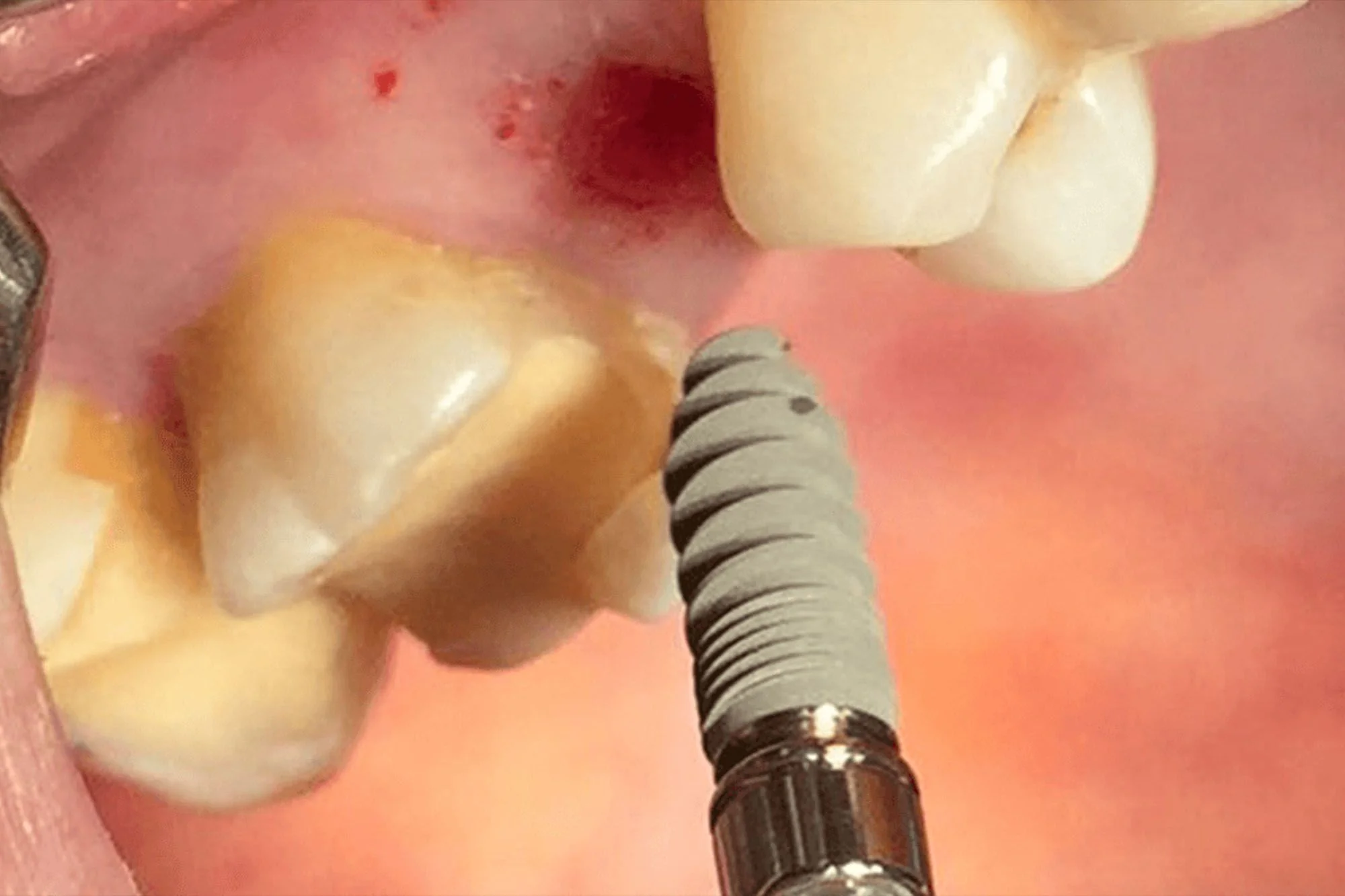
A major consideration for any advanced oral surgery is the financial investment. Patients routinely look up information regarding the immediate load dental implants cost, wondering if combining procedures alters the overall bill.
On a baseline hardware level, immediate implant require high-performance, specialized fixtures with advanced thread designs, which carry a slightly higher manufacturing cost than standard delayed components. Additionally, the procedure almost always requires using premium bone grafting materials to pack the empty space inside the socket wall.
However, when calculating the total cost of your care cycle, immediate protocols can become highly economical. By combining tooth extraction, implant placement, and bone grafting into a single surgical appointment, you significantly reduce the number of clinical visits, minimize the need for multiple local anesthesia administrations, and bypass the necessity for complex, secondary soft-tissue surgeries later. This streamlined workflow lowers overall facility fees and optimizes your financial investment.
Frequently Asked Questions (FAQ)
What are immediate dental implants?
They are an advanced class of dental restorations where a titanium or zirconia implant post is surgically placed directly into the fresh socket immediately following a tooth extraction during a single clinical appointment.
What is the difference between conventional and immediate implants?
Conventional implants require a waiting period of 3 to 6 months after an extraction to allow the jawbone to heal completely before the implant is placed. Immediate implants combine extraction and placement into a single session, significantly shortening the total treatment time.
Can you get an immediate implant if the tooth is infected?
No. If the tooth root presents with an active, acute bacterial infection or a severe periapical abscess, immediate placement is strictly contraindicated. The infection must be cleared first, requiring a conventional delayed approach to protect the health of your jawbone.
How much do immediate implants cost in Turkey?
In 2026, a premium single immediate implant unit including the atraumatic extraction, titanium post, bone grafting material, and custom crown typically ranges from €1,400 to €1,950 at accredited clinics in Istanbul.
Is the immediate implant procedure painful?
No, the procedure is entirely painless. Advanced local anesthesia numbs the entire jaw section completely before the extraction begins. Any mild post-operative tenderness during recovery is easily managed with standard anti-inflammatory medications.
Über den Autor