The successful placement of a dental implant requires a sturdy, dense foundation of jawbone tissue to absorb daily chewing forces. However, when tooth loss occurs in the upper jaw (specifically near the molars and premolars) the surrounding bone density naturally begins to decline. Over time, the maxillary sinus cavity expands downward into the empty space, leaving a bone wall that is too thin to support a titanium post. To fix this anatomical challenge, modern oral surgery uses a specialized bone augmentation procedure known as sinus lift surgery.
At Stamboul Clinic, we treat structural bone reconstruction as a critical foundation for complex smile makeovers. If your implant plan requires an implant sinus lift surgery to restore a missing molar or if you are researching what is sinus lift surgery from a clinical perspective, this guide provides clear medical insights. We analyze the step-by-step procedure, outline what to expect during your sinus lift surgery recovery, explore potential side effects, and detail transparent cost expectations in Turkey.
Table of Content
- What Is Sinus Lift Surgery and Why Is It Required?
- The Healing Timeline: Navigating Sinus Lift Surgery Recovery
- Managing Physical Post-Op Symptoms: Swelling and Side Effects
- Critical Restrictions During Recovery: Avoiding Alcohol and Complications
- Exploring Alternative Protocols: What is Alternative to Sinus Lift Surgery?
- Global Price Comparison: Financial Framework in 2026
- Frequently Asked Questions (FAQ)
What Is Sinus Lift Surgery and Why Is It Required?
To understand this treatment option clearly, let us answer a foundational question: what is sinus lift surgery in modern oral reconstruction? Also clinically referred to as a maxillary sinus floor elevation, it is a micro-surgical bone grafting procedure designed to increase the volume of bone in the upper jaw zone beneath the sinus cavities.
When teeth are missing in the posterior upper jaw, the bone wall naturally shrinks due to a lack of chewing stimulation. The delicate membrane that lines your sinus cavities moves lower into this thinned bone ridge. If a dentist attempts to place an implant here without lifting the floor, the titanium post can puncture the sinus cavity, leading to implant instability and chronic infections.
By gently elevating this thin membrane and placing premium bone graft material beneath it, surgeons build a dense, healthy bone platform that can anchor a permanent dental implant securely.
Surgical Execution: The Step-by-Step Sinus Lift Surgery Procedure
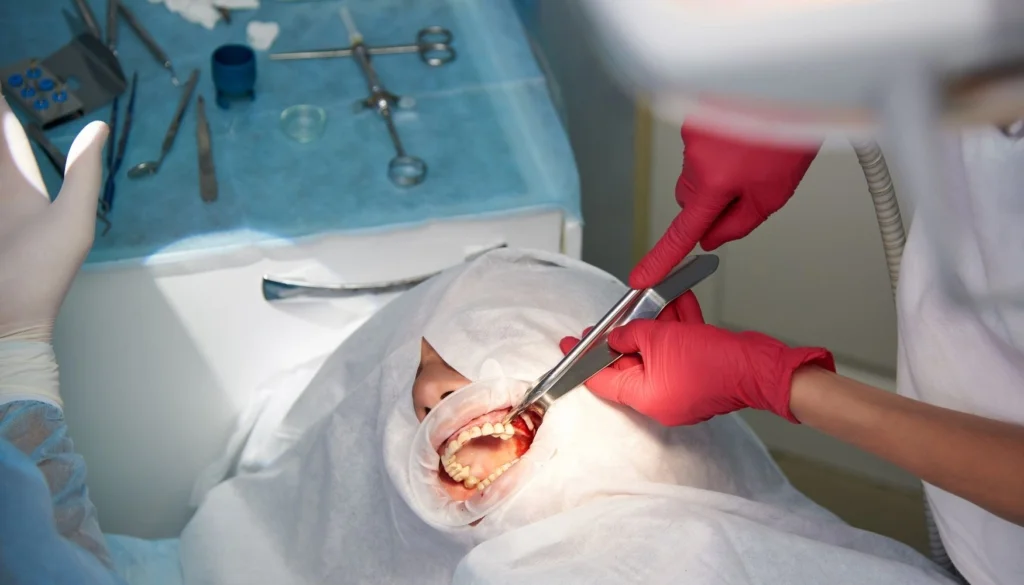
Understanding the clinical workflow of an implant sinus lift surgery helps minimize dental anxiety and outlines the meticulous nature of advanced bone augmentation. Depending on your residual bone height, oral surgeons select either an internal or external lateral window approach.
1. The Internal Sinus Lift Approach (Osteotome Technique)
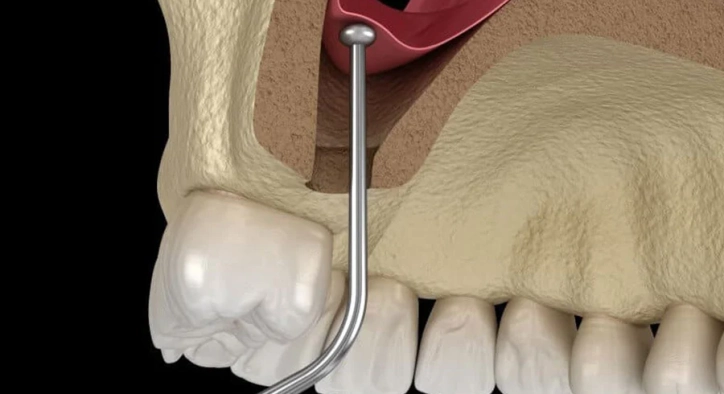
When a patient possesses moderate residual bone height (typically 5mm to 7mm), an internal sinus lift is performed directly through the channel created for the dental implant. After drilling the initial osteotomy site, the surgeon uses precise instruments called osteotomes or hydraulic pressure to gently tap and elevate the sinus floor upward through the implant hole. Bone graft material is then packed into the space, and the dental implant is often placed during the same session.
2. The External Lateral Window Approach
For cases with severe bone resorption (less than 4mm of residual bone), an external lateral window sinus lift surgery procedure is required.
- Access Incision: A micro-incision is made in the gum tissue above the upper premolars or molars to expose the underlying jawbone.
- Window Creation: Utilizing a high-precision piezoelectric instrument (ultrasonic bone surgery), the surgeon cuts a small, delicate window into the lateral bone wall of the maxillary sinus.
- Membrane Elevation: Using highly specialized, blunt curettes, the Schneiderian membrane (the thin sinus lining) is carefully separated from the bone and lifted upward.
- Graft Packing & Sealing: The newly created hollow pocket beneath the membrane is packed with premium biocompatible bone graft granules. A protective collagen membrane is placed over the window, and the gum tissue is hermetically closed with fine sutures.
The Healing Timeline: Navigating Sinus Lift Surgery Recovery
Because this procedure involves adjusting delicate sinus tissues and placing bone grafts, following a structured sinus lift surgery recovery protocol is essential for preventing complications and ensuring optimal bone integration.
THE POST-OPERATIVE RECOVERY TIMELINE:
- [Days 1 - 3]: Acute Stage ➡️ Expect maximum localized swelling, mild fluid drainage, and slight pink-tinged saliva.
- [Days 4 - 7]: Stabilization Stage ➡️ Swelling begins to subside; oral incisions close completely.
- [Days 10 - 14]: Suture Stage ➡️ Incision stitches are safely removed; superficial tissue healing finishes.
- [Months 3 - 6]: Osseointegration Stage ➡️ The bone graft fuses permanently with your natural jawbone tissue.
During the initial 7 to 10 days, your daily routine must be carefully adapted to protect the healing site. You must avoid blowing your nose, sneezing aggressively, flying in pressurized airplanes, or playing wind instruments, as sudden changes in sinus pressure can dislodge the fragile bone graft. If you must sneeze, do so with your mouth wide open to redirect air pressure safely away from your sinuses.
Managing Physical Post-Op Symptoms: Swelling and Side Effects
Micro-surgical adjustments to the maxillary sinus floor trigger a temporary, predictable inflammatory response. Knowing how to manage these early healing signs keeps you comfortable and helps you track your recovery with confidence.
Controlling Swelling After Sinus Lift Surgery
Experiencing noticeable sinus lift surgery swelling is an entirely normal physical reaction to bone augmentation. This puffiness typically peaks between 48 and 72 hours post-op, often affecting the cheek area and moving up toward the lower eyelid. To keep swelling after sinus lift surgery manageable, apply a cold compress to your external cheek for 15 minutes on, followed by 15 minutes off, during the first 24 hours, and keep your head elevated while resting.
Identifying Potential Side Effects of Sinus Lift Surgery
Expected, temporary side effects of sinus lift surgery include minor nasal congestion, mild bruising across the cheek tissue, a dull ache in the jawbone, and occasional slight nosebleeds during the first 48 hours. These symptoms are easily managed with prescribed anti-inflammatory medications and decongestant nasal sprays, and they should fade completely within a week.
Critical Restrictions During Recovery: Avoiding Alcohol and Complications
To protect the healing bone graft and ensure proper cellular repair, specific lifestyle habits must be put on hold during the early weeks of your recovery.
A major restriction involves avoiding alcohol after sinus lift surgery for at least 7 to 10 days. Alcohol acts as a systemic vasodilator, which widens blood vessels and can trigger secondary bleeding at your oral incision lines. Furthermore, mixing alcohol with prescribed pain medications or antibiotics can place a severe strain on your liver and kidneys, compromise your immune system, and delay tissue healing.
Crucial Warning against Nicotine: Smoking, vaping, or using tobacco products is strictly forbidden during early recovery. Nicotine restricts blood flow to your oral tissues, starving the new bone graft of the oxygen and nutrients it needs to survive, which significantly increases the risk of graft failure or early infections.
Exploring Alternative Protocols: What is Alternative to Sinus Lift Surgery?
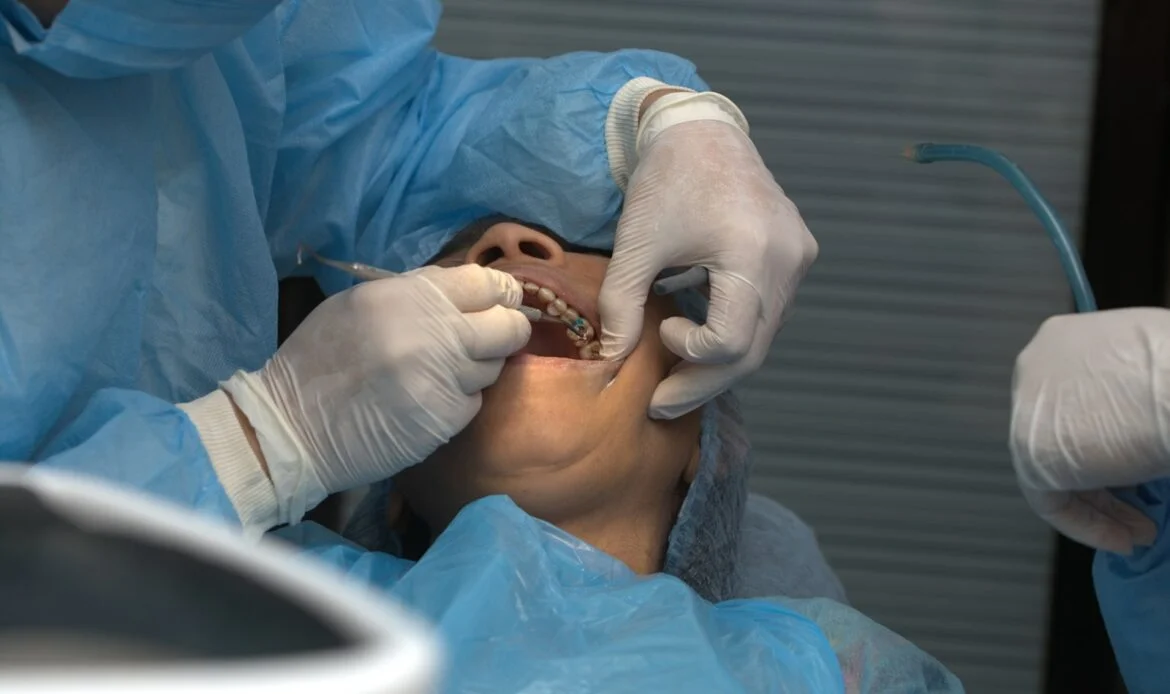
While bone augmentation is a highly successful treatment option, some patients prefer to bypass sinus surgery due to anatomical or personal reasons, leading them to ask: What is an alternative to sinus lift surgery?
MODERN ALTERNATIVE RECONSTRUCTION WORKFLOWS:
- Short Dental Implants: Utilizing custom, wider implants designed to anchor safely in limited bone heights (5mm to 6mm).
- Tilted Implant Placement: Angular implant placement (such as All-on-4) that uses dense anterior bone, bypassing the sinus completely.
- Zygomatic Dental Implants: Extended titanium posts anchored directly into the dense zygomatic bone.
Choosing one of these alternatives depends heavily on your unique jaw architecture. For cases with severe, widespread bone loss, using tilted placements or short implants can provide an effective path to a restored smile without requiring a traditional sinus augmentation.
Global Price Comparison: Financial Framework in 2026
The overall cost of bone augmentation depends on the complexity of your sinus anatomy, the volume of bone graft material required, and the location of your clinic. The table below outlines estimated sinus lift surgery cost structures across major global destinations:
Treatment Scope | Average Cost in USA | Average Cost in UK / Germany | Average Cost at Stamboul (Turkey) |
Internal Sinus Lift (Minor lift via the implant channel) | $800 – $1,500 | £600 – £1,200 / €700 – €1,400 | €300 – €500 (As an implant addon) |
External Lateral Window Lift (Complex, large-volume bone lift) | $2,500 – $4,500 | £1,800 – £3,200 / €2,000 – €3,800 | €600 – €1,200 (Premium Graft Package) |
Frequently Asked Questions (FAQ)
Is a sinus lift a serious surgery?
While it requires specialized oral surgery training, a sinus lift is a routine, outpatient procedure with an excellent success rate (over 95%). It is performed regularly under sterile hospital conditions to ensure safety and predictable outcomes.
How painful is sinus lift surgery?
The procedure is entirely painless. Advanced local anesthesia numbs the upper jaw completely before any surgical steps begin. During recovery, any dull aches or tenderness are easily managed with standard anti-inflammatory medications.
How much is sinus lift in Turkey?
In 2026, a sinus lift package in Turkey typically ranges from €300 to €1,200, depending on whether you need a minor internal lift or a complex external lateral window lift with large volumes of bone graft material.
Does a sinus lift change facial appearance?
No, the procedure has no impact on your external facial appearance. The bone graft is placed deep inside your upper jaw bone beneath the sinus cavity, leaving your natural facial symmetry and structures completely unchanged.
Über den Autor