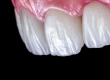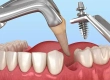
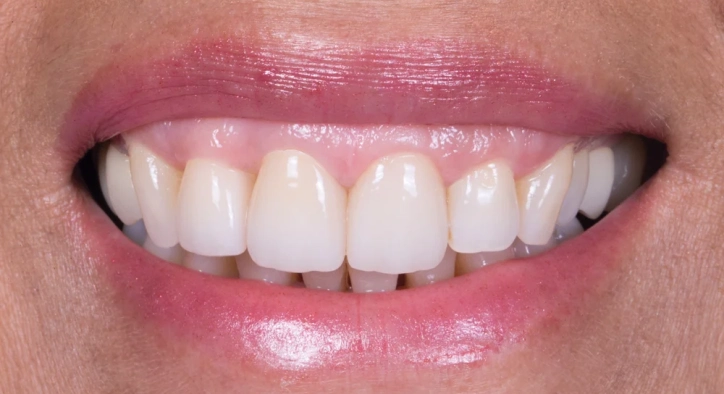
Selecting the optimal restorative material to rebuild severely damaged or missing teeth requires balancing mechanical load parameters with aesthetic light reflection. For decades, dentistry relied on metal-ceramic blends or porcelain-fused-to-zirconia layouts. While beautiful, these historic restorations remained prone to ceramic chipping under daily biting pressure. To eliminate this clinical failure point, advanced CAD/CAM manufacturing introduced structural monolithic zirconia restorations.
At Stamboul Dental Clinic, we systematically implement modern digital milling protocols to secure long-term prosthetic durability. Understanding exactly what is monolithic zirconia crown technology requires looking at how a restoration is carved out of a single, solid block of high-translucency industrial ceramic. Whether you require a single monolithic zirconia crown to rebuild a posterior molar or an extensive monolithic zirconia bridge to replace multiple teeth across an entire arch, this comprehensive clinical guide provides clear medical insights into prep metrics, comparative workflows, advantages, and pricing realities.
Table of Content
How Do Monolithic and Layered Zirconia Differ?
Prospective patients researching advanced smile transformations frequently ask about material compositions, leading to the common query: What is the difference between monolithic zirconia and layered zirconia? The answer lies in the structural composition of the restoration.
MATERIAL STRUCTURE COMPARISON:
- [Layered Zirconia]: Zirconia Substructure Base (Core) ➡️ Hand-Layered Feldspathic Porcelain Veneer (Face)
- [Monolithic Zirconia]: Solid, Uniform Block of High-Translucency Yttria-Stabilized Tetragonal Zirconia (CAD/CAM Milled)
In a traditional layered setup, a dense zirconia core provides strength, but an artistic ceramist must bake delicate porcelain over the front to achieve lifelike translucency. Under intense chewing forces, the bond between these two different materials can fail, leading to superficial porcelain chipping.
Conversely, a monolithic zirconia crown vs layered zirconia evaluation reveals that a monolithic unit is completely solid. Carved from a single pre-shaded, multi-layered block of yttria-stabilized zirconia using high-precision in-house digital milling, it features no secondary porcelain layers that can chip, lift, or break away over time.
Monolithic Zirconia Advantages and Disadvantages
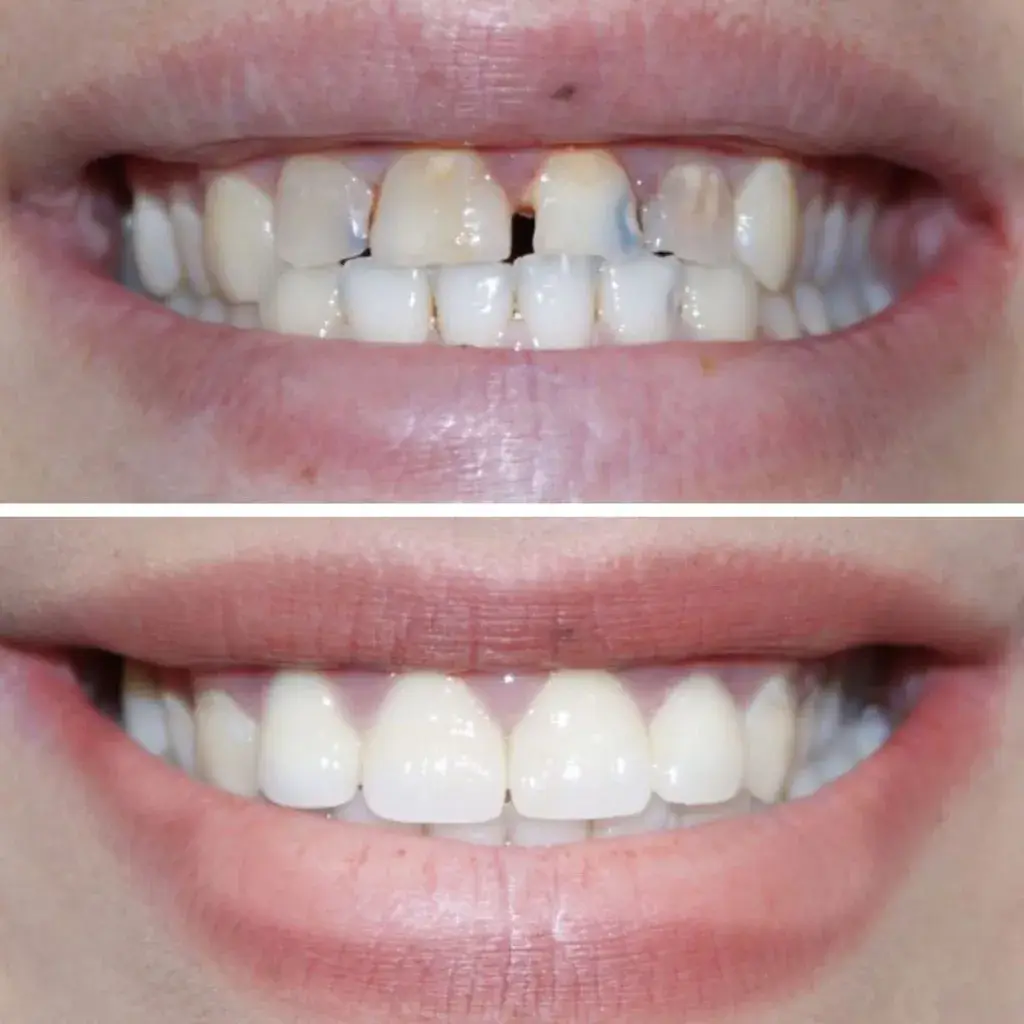
Every dental material possesses specific physical properties that make it ideal for explicit zones of the mouth. Weighing the monolithic zirconia advantages and disadvantages is critical for making an informed clinical choice.
What Are the Primary Advantages?
- Extreme Fracture Resistance: With a structural flexural strength ranging from 1,000 to over 1,200 Megapascals (MPa), it is virtually unbreakable under standard adult chewing forces, making it the premier choice for posterior molars and bruxism patients.
- Minimal Tooth Preparation Requirements: Because the material is exceptionally strong even when carved thin, it requires less reduction of your natural tooth structure.
- Zero Porcelain Chipping: The solid, uniform structure removes the risk of layer separation or superficial porcelain fractures completely.
- Biocompatible and Gentle on Gums: Smooth polished zirconia surfaces resist plaque accumulation and bacterial adhesion, keeping nearby gum tissues healthy.
What Are the Potential Disadvantages?
- Anatomical Opacity: Early generations of solid zirconia looked chalky or overly opaque. While modern multi-layered discs offer high translucency, they can still appear slightly less vibrant than delicate glass-ceramics when placed directly in the ultra-thin front smile window.
- Opposing Tooth Wear If Unpolished: If the chewing surface is adjusted and left unpolished, the micro-rough surface can act like sandpaper against opposing natural teeth. A flawless high-gloss laboratory polish is mandatory.
Monolithic Zirconia Crown Prep Guidelines
For an oral surgeon or restorative dentist, the preparation phase requires adhering to precise geometric rules. A proper monolithic zirconia crown prep differs significantly from traditional metal-porcelain preparation methods, focusing on conservative reduction.
THE PREPARATION METRIC FLOW:
- Occlusal Reduction: Minimum 1.0mm to 1.5mm clearance across the chewing surfaces.
- Axial Wall Reduction: 1.0mm to 1.2mm circumferential reduction with a smooth 6-degree taper.
- - Margin Geometry: A distinct 0.5mm chamfer margin design; straight 90-degree shoulders are avoided.
- - Surface Finishing: All internal angles must be softly rounded; sharp edges can create stress concentration points.
Because solid zirconia retains structural integrity at reduced thicknesses, the clinician does not need to drill deeply into the healthy underlying dentin layer. This conservative approach preserves vital tooth structure, reduces post-operative root sensitivity, and leaves more natural tooth tissue to support the permanent restoration.
Comparative Dynamics: Monolithic Zirconia vs. Emax
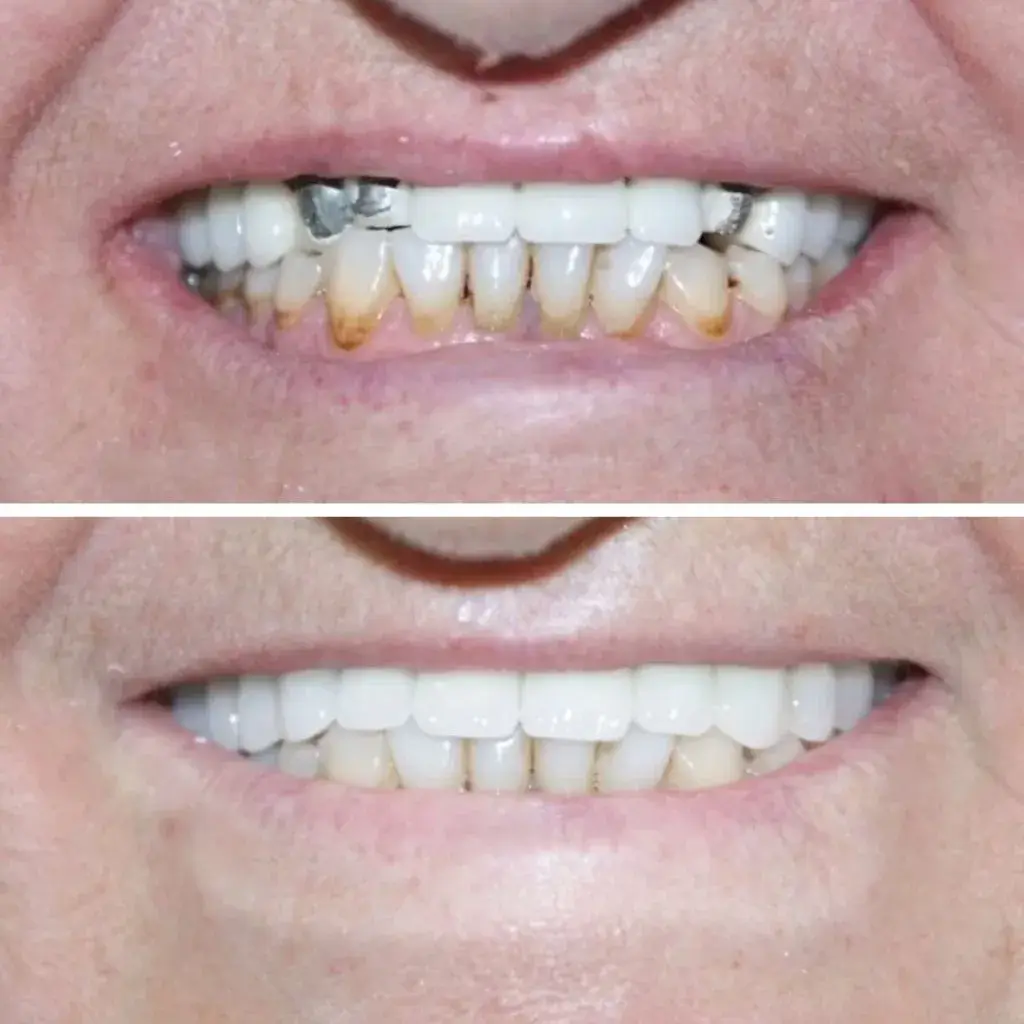
When designing a comprehensive smile makeover, patients frequently ask about our aesthetic options, comparing monolithic zirconia vs emax glass-ceramics. Both materials are exceptional, but they are prescribed for entirely different clinical purposes.
Lithium disilicate (Emax) is a glass-ceramic renowned for its unmatched optical properties, mimicking natural tooth enamel translucency and light reflection perfectly. However, with a flexural strength of approximately 400 to 500 MPa, Emax is more fragile than solid zirconia.
Therefore, at Stamboul, our clinical rule is clear: we prescribe premium Emax veneers and crowns for the front smile window (canines and incisors) where aesthetics are the absolute priority. For the posterior molar zones or extensive bridge restorations that handle heavy chewing loads, we utilize high-translucency solid zirconia to ensure long-term structural durability.
Financial Matrix: Global Pricing Structures
The financial investment required for high-performance ceramic restorations depends heavily on laboratory technology, material selection, and regional clinical structures. The table below outlines the estimated monolithic zirconia crown cost structures across major destinations:
Treatment Scope | Average Cost in USA | Average Cost in UK / Germany | Average Cost at Stamboul (Turkey) |
Single Monolithic Crown (CAD/CAM Milled & Polished) | $1,200 – $1,800 | £900 – £1,400 / €950 – €1,500 | €350 – €550 (Premium Material Tier) |
3-Unit Monolithic Bridge (Solid Posterior Restorations) | $3,600 – $5,400 | £2,700 – £4,200 / €2,850 – €4,500 | €1,050 – €1,650 (All-Inclusive Tier) |
Frequently Asked Questions (FAQ)
What is monolithic zirconia?
It is a high-performance dental ceramic restoration milled out of a single, solid block of yttria-stabilized zirconia using advanced CAD/CAM technology, featuring no additional porcelain layers.
What is the difference between monolithic zirconia and layered zirconia?
Monolithic zirconia is carved from a single, solid ceramic block, making it exceptionally strong and resistant to chipping. Layered zirconia features a strong zirconia core topped with hand-applied feldspathic porcelain for enhanced translucency, though it carries a slight risk of superficial porcelain chipping.
Are monolithic zirconia crowns good?
Yes, they are exceptional restorations, particularly for posterior molars and patients who grind their teeth (bruxism), due to their extreme fracture resistance, bio-compatibility, and conservative tooth preparation requirements.
How long do solid zirconia restorations last?
With proper oral hygiene, regular professional cleanings, and balanced biting forces, a solid zirconia crown can easily last 15 to 20 years or longer, making it one of the most durable restorations in modern dentistry.
Does a monolithic crown look natural on front teeth?
Modern multi-layered, highly translucent zirconia discs deliver very natural-looking results. However, for the very front incisors, premium Emax glass-ceramics are often preferred due to their superior enamel-like light reflection.
Über den Autor